

We may earn a commission when you buy through links on this page, at no extra cost to you. Learn more.
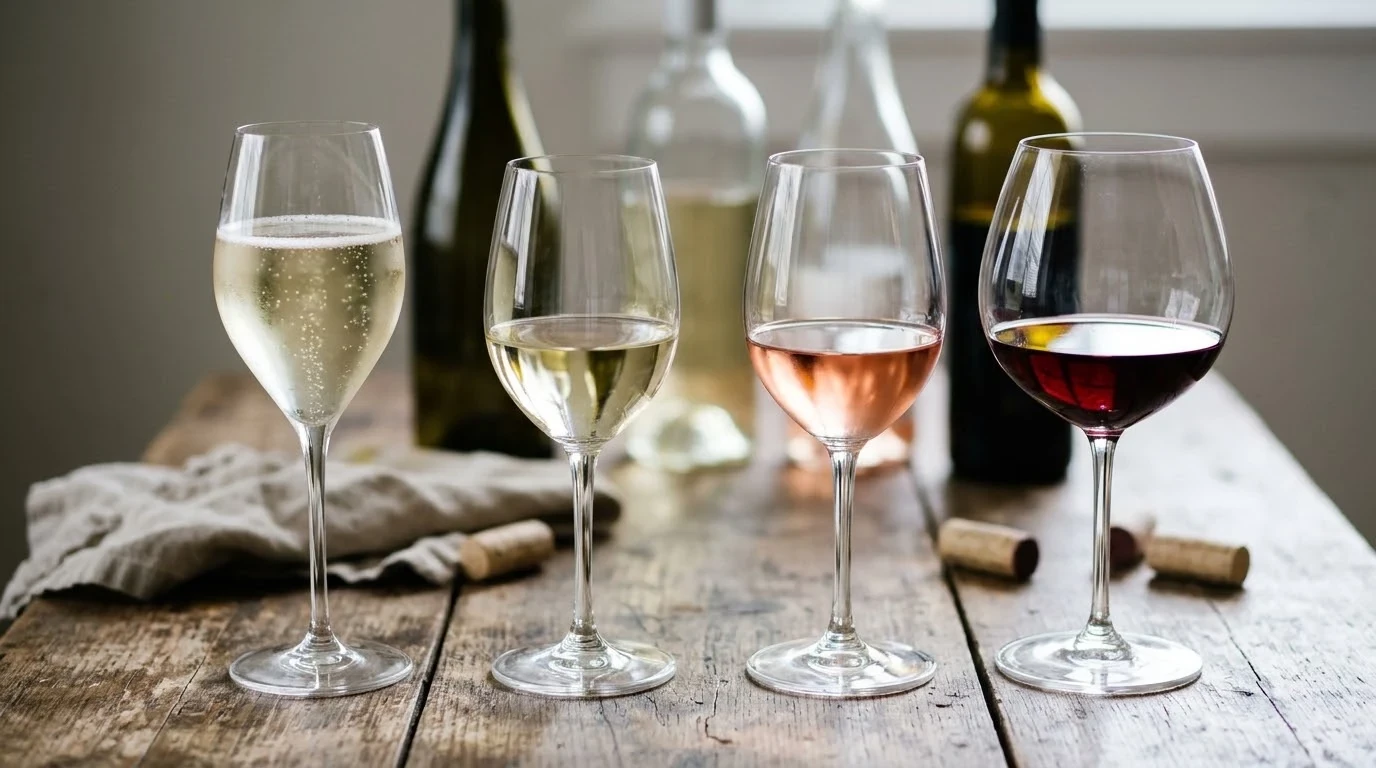
The best wine for mimosas is a dry sparkling wine, such as a Brut Champagne or a Brut Prosecco, because its low sugar keeps the orange juice from tasting cloying. A mimosa is simply chilled sparkling wine and citrus juice, so the wine does most of the work in the glass. This guide explains which styles to choose, how sweetness changes the drink, and what to look for on the label.
A mimosa is one of the simplest brunch drinks, and it has only two ingredients. That simplicity is also why the choice of sparkling wine matters. Sweetness, acidity, and the amount of bubbles all change how the orange juice tastes, so a small change on the label can make a noticeable difference.
Quick Comparison
Most sparkling wines fall into a few sweetness levels, and those levels decide how well the wine balances the juice. The table below compares the styles you are most likely to find on the shelf.
| Style | Sweetness | Effect in a mimosa | Good for |
|---|---|---|---|
| Brut Champagne | Up to 12 g/L residual sugar | Dry and crisp, with the juice in the background | Anyone who wants a classic, balanced glass |
| Brut or Extra-Brut Prosecco | Brut up to 12 g/L; Extra-Brut 0 to 6 g/L | Light, fruity, and easy to drink | Large brunch groups and casual mornings |
| Extra Dry sparkling | 12 to 17 g/L | Noticeably sweeter, which can hide the wine’s acidity | Guests who prefer a sweeter drink |
Best for a Classic Dry Mimosa
A Brut Champagne is the traditional choice. Mimosas were first called a “champagne orange,” and the drink’s name comes from the yellow mimosa flowers. Champagne or another dry sparkling wine is the standard base, and the usual mixing approach is roughly equal parts wine and chilled orange juice, though the exact ratio varies from one recipe to the next.
Brut is the category to look for. Brut wines have up to 12 grams of residual sugar per liter, which leaves enough acidity to cut through the juice. A dry base also keeps the drink from tasting like a fruit punch, which is the most common complaint about overly sweet mimosas.
Best for Easy, Fruity Brunch Glasses
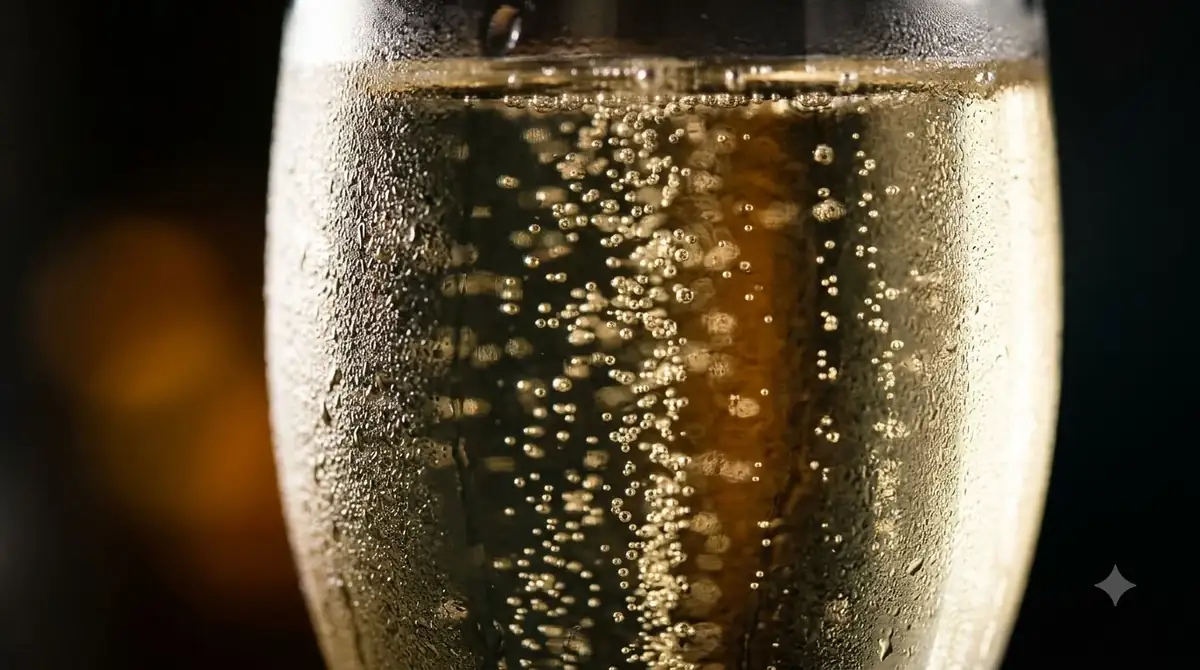
Prosecco is a practical choice for a large group. It is mostly made as a sparkling wine (spumante) or a semi-sparkling wine (frizzante), and its flavors are aromatic and crisp, with notes of yellow apple, pear, and white peach. Those fruit notes blend well with orange juice, and the wine is easy to pour in quantity.
Prosecco is mainly made from the Glera grape, which was renamed from Prosecco in 2009. Look for a Brut or Extra-Brut label. Extra-Brut Prosecco has very little residual sugar, from 0 to 6 grams per liter, so it works best if you like a drier glass. Brut Prosecco sits in the same dry range as Brut Champagne.
Best for Sweeter Tastes
Extra Dry sparkling wines have between 12 and 17 grams of residual sugar per liter. Historically, Extra Dry was the most common Prosecco style, so it may be the first bottle you find on a store shelf. In a mimosa, the extra sugar pushes the drink toward a sweeter, more dessert-like character, which some guests prefer.
If you choose an Extra Dry wine, reduce the amount of juice or pick a juice with a little more tartness, such as grapefruit or blood orange, to keep the glass balanced. The goal is a drink that still tastes crisp rather than syrupy.
Best for Flavored or Specialty Mixes
Some brunch hosts like to add fruit purées, flavored syrups, or other juices to a mimosa. A dry wine works best as the base for these variations, since it leaves room for the added flavors without making the drink too sweet. Taste the wine on its own first so you know how dry it is before you add anything else.
Simple combinations work well. Orange juice is the classic choice, but grapefruit, pomegranate, and peach juices all pair with the bright, fruity notes common in Prosecco. Keep the proportions modest so the sparkling wine still shows through.
The drink also has a close relative. The Buck’s Fizz, which dates to about 1921, uses the same two ingredients and is often served the same way. Some sources separate the two by proportions, ice, or glassware, but those distinctions are not consistent. For a brunch menu, the practical point is the same: dry wine, cold juice, and a light touch with the mixing.
Best for Hosting a Crowd
When you are pouring for a group, plan for a few bottles of the same style rather than mixing several sweetness levels in one pitcher. A consistent base makes the drink taste the same from glass to glass, and it is easier to estimate how much wine you need. Chill every bottle thoroughly, and keep juice cold in a separate pitcher so the mixture stays crisp throughout the meal.
Bubbles fade quickly once a bottle is open, so pour the wine at the last moment rather than mixing a large batch ahead of time. Guests can build their own glasses from a bar setup with wine on one side and juice on the other.
Sparkling wine that is sold for drinking on its own is still a good choice for a mimosa, since the same qualities that make it pleasant in a flute also help it balance the juice. A wine with lively bubbles and clean acidity tends to hold up better than a flat or heavy one, so look for a bottle that feels crisp when you taste it from the glass.
How to Choose a Bottle
Read the sweetness term on the label first. Brut and Extra-Brut give the most balanced mimosa, while Extra Dry is sweeter and better for guests who like a sugary drink. Next, check the grape or style. Champagne is the classic option, and Prosecco made from Glera offers a fruitier, lighter glass.
You do not need the most expensive bottle to make a good mimosa. Dry sparkling wine mixed with fresh juice tastes good across many styles, and a well-chilled bottle matters more than a rare label. If you want more background on how to read sparkling wine labels, the wine buying guide covers the basics, and the Fredericksburg wineries guide is a useful read if your brunch plans include a wine-country visit.
For a bit of background on the drink, the mimosa entry on Wikipedia explains the origin, the common ingredients, and how the drink differs from the Buck’s Fizz it is often compared with. Bottles labeled as Prosecco are described in the Prosecco overview on Wikipedia, which lists the sweetness levels and production regions.
Frequently Asked Questions
What is the best sparkling wine for a mimosa?
A dry style is usually the best choice. Brut Champagne and Brut Prosecco both have low residual sugar, which keeps the orange juice in balance.
Can I use Prosecco instead of Champagne in a mimosa?
Yes. Prosecco is a common and practical substitute, especially in a Brut or Extra-Brut style. Its fruity, aromatic profile blends well with orange juice.
What is the ratio of wine to juice in a mimosa?
Many recipes use roughly equal parts sparkling wine and chilled juice. The ratio varies, so adjust it to your taste and to how sweet the wine is.
Should I avoid sweet sparkling wine in a mimosa?
Not always, but a sweeter wine makes the drink heavier. Extra Dry works for guests who like sweetness, while Brut suits a crisp, balanced glass.
A good mimosa starts with a dry sparkling wine, chilled juice, and a simple ratio you can adjust to taste. Choose Brut Champagne for a classic glass or Brut Prosecco for an easy, fruity brunch, and taste the wine before you mix it so you know how much sweetness the juice will add.
More in Wine Buying Guides
 Riesling Gift: Choose a Bottle They’ll LoveUpdated Nov 21, 2026
 Sweet Red Wine Gift: Choose a Bottle They’ll LoveUpdated Nov 21, 2026
 Malbec Gift: How to Choose a Memorable Bottle for Any OccasionUpdated Nov 21, 2026
 Sherry Gift Ideas That Match Every Wine LoverUpdated Nov 21, 2026
 Moscato Gift: How to Choose a Sweet Wine They’ll LoveUpdated Nov 21, 2026
 Merlot Gift: How to Choose a Bottle They’ll AppreciateUpdated Nov 21, 2026