


We may earn a commission when you buy through links on this page, at no extra cost to you. Learn more.
The best wine for mulled wine is usually a bold, full-bodied red such as Syrah or Malbec, because the spices mask subtle flavors and a wine with more intensity holds up better. Aromatic whites like Riesling, Muscat, and Chenin Blanc also work, especially in the French-style vin chaud. Delicate reds such as Pinot Noir and Gamay tend to get lost once cinnamon, orange, and sugar go in, so they are better saved for the dinner table.
Mulled wine is a warm, spiced drink that dates back centuries, and the earliest written record of a spiced, heated wine appears in a Roman comedy from the 2nd century BC. Red wine has been the standard base for most of that history, with cinnamon, cloves, nutmeg, citrus, and sugar added to the pot. Choosing the wine is the first decision that changes how the drink tastes, and this guide explains which grapes and styles hold up best and which ones to avoid.
Quick Comparison
The table below compares the main wine styles used for mulling. Each row describes how the wine behaves once it is heated with spices and sweetener.
| Style | Grapes to look for | How it behaves in the pot |
|---|---|---|
| Bold red | Syrah, Malbec | Full body and intensity that hold up under the spices |
| Red blend | Blends built on Zinfandel, Syrah, or Malbec | Often a lower-cost option for a large batch |
| Aromatic white | Riesling, Muscat, Chenin Blanc | Floral and fruity notes that pair with citrus and honey |
| Delicate red | Pinot Noir, Gamay | Subtle flavors get masked, so they are best avoided |
Best for Bold Red Mulling
Bold reds are the safest choice for a traditional pot. Winefolly’s mulled wine guide recommends bigger, bolder, full-bodied reds such as Syrah and Malbec, and its reasoning is simple: mulling disguises a lot of the nuance in a wine, so a wine with more intensity makes a better base. A bold red keeps its character after an hour of simmering with spices and sugar.
When you buy for a batch, look for a red with ripe dark fruit and enough body to stand up to cinnamon and clove. A wine that tastes good on its own will usually taste good mulled, while a thin or watery red can turn flat once the spices take over.
Best for Red Blends and Large Batches
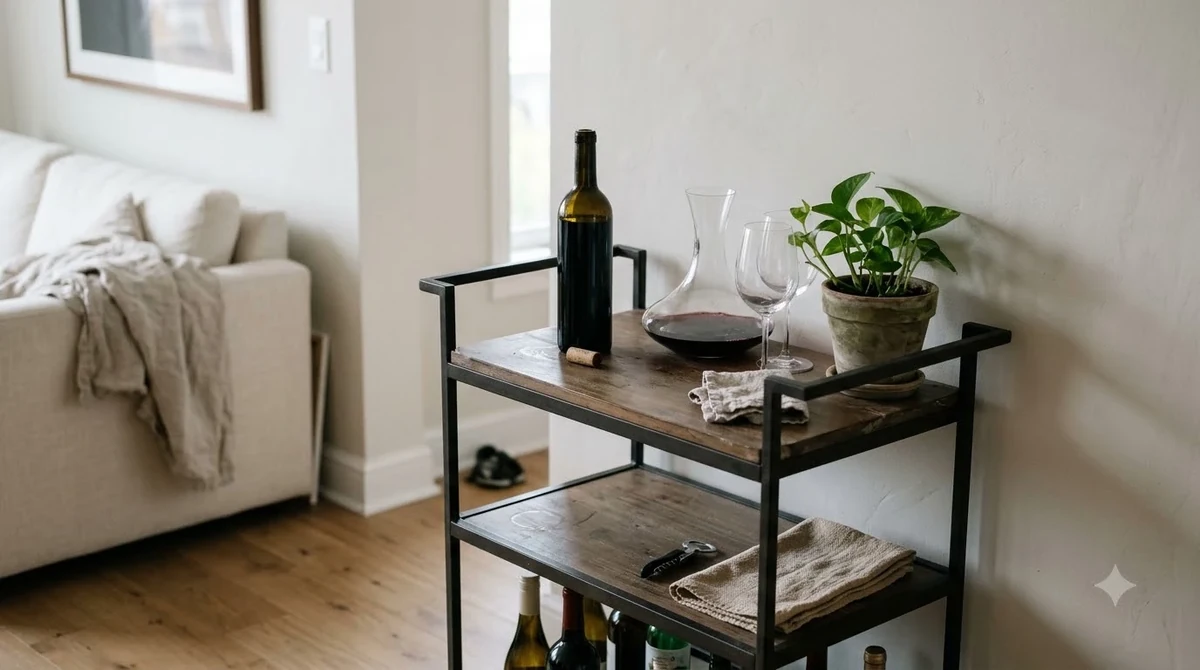
Red blends are a practical choice when you need a lot of wine for a party. Winefolly notes that a red blend is often cheaper than a single-varietal wine, though it does not say whether blends are better or worse for mulling. In practice, a blend built on Zinfandel, Syrah, or Malbec tends to give the same bold base as a single-grape red.
Read the label for the grape list and the style description rather than the marketing name. Blends with a clear fruit-forward profile are easier to balance with spices than dry, tannic blends, which can turn bitter when heated.
Best for Aromatic White Mulling
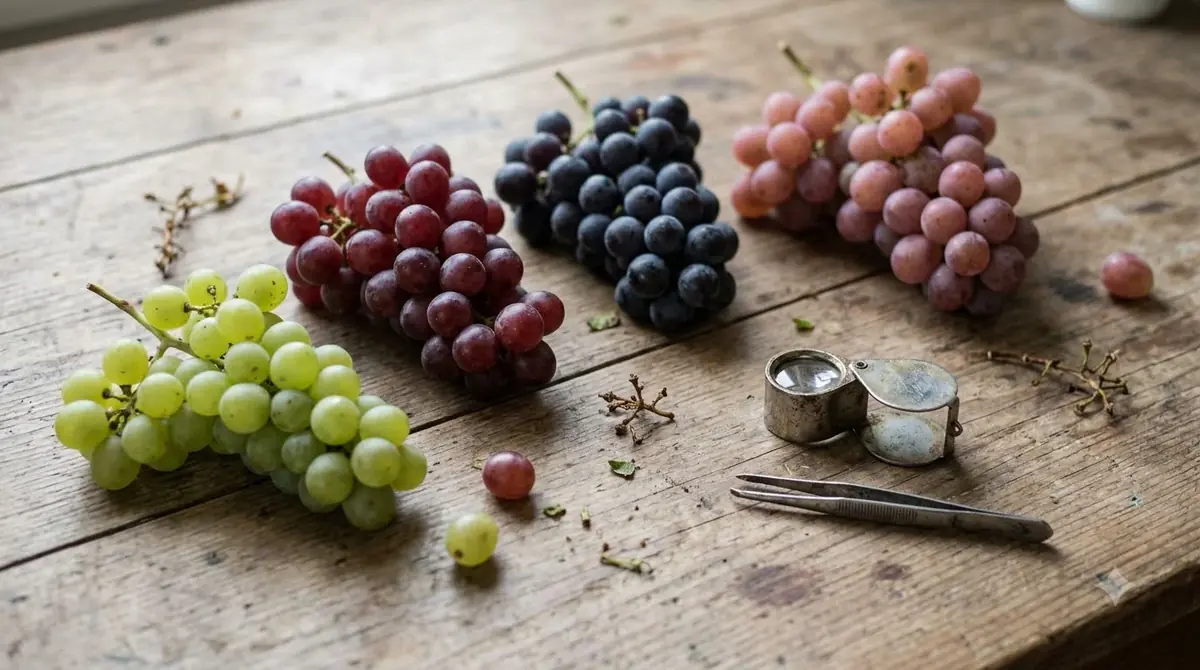
White wine is not the usual choice, but it works well in some versions. Winefolly suggests aromatic whites such as Riesling, Muscat, and Chenin Blanc, and it says the French vin chaud is especially good with white wine. These grapes carry floral and fruity notes that match citrus peel and honey.
If you try a white version, keep the spice level lighter than you would for a red. Cinnamon and clove can overwhelm a delicate white, so use a small amount first and taste before you add more. Serve it in smaller glasses, since the drink tends to be lighter in color and body.
Best for Using a Wine You Regret Buying
Mulling can rescue a bottle that disappointed you on its own. Winefolly describes the method as a great way to repurpose a wine you regret buying, because the spices and sweetener cover flaws that are easy to notice in a plain glass. This makes mulling a practical option for older bottles or for wines that were too sharp or too thin.
The trick is to start with a wine that is still sound. Mulling hides some faults, but it cannot fix a wine that tastes sour or vinegary, so taste the bottle before you add anything to the pot.
Wines to Skip for Mulling
Some wines are better enjoyed without heat and spice. Winefolly advises against delicate wines such as Pinot Noir and Gamay, since the simmering process masks their subtle flavors. Expensive, complex bottles are also a poor choice, because the spices will cover the subtle notes that make them worth buying in the first place.
Cooking with wine follows a similar logic. A dish that simmers for a long time, such as a stew or a braise, benefits from a sturdy wine with plenty of fruit, and the same rule applies to the mulling pot. A bottle that makes a good stew base is often a good mulling base too.
Keep the best bottles for drinking at the table, and use a simpler, fruit-forward wine for the pot.
Batch size matters as well. Mulled wine is easiest to serve at a party because it stays warm for hours on a low setting, so buy enough wine for the number of guests and add a second bottle for refills. Running short halfway through the evening is the most common complaint about a pot that was made too small.
That approach gives you a good drink without wasting a wine you would rather taste on its own.
How to Choose
A simple checklist makes the choice faster. Start with the style you want, then check the grape and the body before you buy.
- Body: choose a full-bodied red for a traditional mulled wine that holds its character.
- Sweetness: start with a dry or lightly sweet wine, since you will add sugar or honey to the pot.
- Tannin: avoid very dry, tannic reds, which can taste bitter once heated.
- Quantity: a red blend is a practical option for a large batch when you do not need a single-varietal bottle.
Sweetness and spice levels matter as much as the grape. Add sugar slowly and taste as the mixture warms, because citrus and spice can shift the balance quickly. Regional versions also add vanilla, raisins, brandy, or rum, so adjust the base to suit your recipe.
Tip: Mulled wine is best served hot in mugs, often with an orange slice studded with cloves. Keep the pot at a gentle heat so the alcohol and the spices stay balanced over the course of the evening.
Frequently Asked Questions
What is the best red wine for mulled wine?
Winefolly recommends bigger, bolder, full-bodied reds such as Syrah and Malbec. These wines keep their character under the spices and sugar, which makes them a reliable base for a traditional pot.
Can you make mulled wine with white wine?
Yes. Aromatic whites such as Riesling, Muscat, and Chenin Blanc work well, and the French vin chaud is often made with white wine. Use a lighter hand with the spices, since they can overpower a delicate white.
Is an expensive wine worth using for mulling?
Usually not. The spices and sweetener mask many of the subtle notes in a complex bottle, so a fruit-forward wine with good body is a better use of your money. Keep the best bottles for drinking on their own.
Is Pinot Noir good for mulled wine?
Winefolly advises against Pinot Noir for mulling because its delicate flavors get lost once heated with spices. Pinot Noir is better enjoyed without heat and spice, where its fruit and texture stand out.
Once you have chosen the wine, the rest of the recipe is simple. For more background on how to pick a bottle by style, read the wine buying guide, and keep a bold red from a region like the best Paso Robles wineries on hand if you want a red that holds up well in the pot.
More in Wine Buying Guides
 Riesling Gift: Choose a Bottle They’ll LoveUpdated Nov 21, 2026
 Sweet Red Wine Gift: Choose a Bottle They’ll LoveUpdated Nov 21, 2026
 Malbec Gift: How to Choose a Memorable Bottle for Any OccasionUpdated Nov 21, 2026
 Sherry Gift Ideas That Match Every Wine LoverUpdated Nov 21, 2026
 Moscato Gift: How to Choose a Sweet Wine They’ll LoveUpdated Nov 21, 2026
 Merlot Gift: How to Choose a Bottle They’ll AppreciateUpdated Nov 21, 2026