

We may earn a commission when you buy through links on this page, at no extra cost to you. Learn more.
When you read the best wine fridge cabinet reviews, look first at how steady the temperature stays, then at capacity and cooling method. Wine storage guidance from the Wine cellar article on Wikipedia places a comfortable range between 7 and 18 °C (45 to 64 °F), with 13 °C (55 °F) described as ideal for short-term storage. A cabinet that holds that range without large swings usually matters more than extra features such as lighting or shelving.
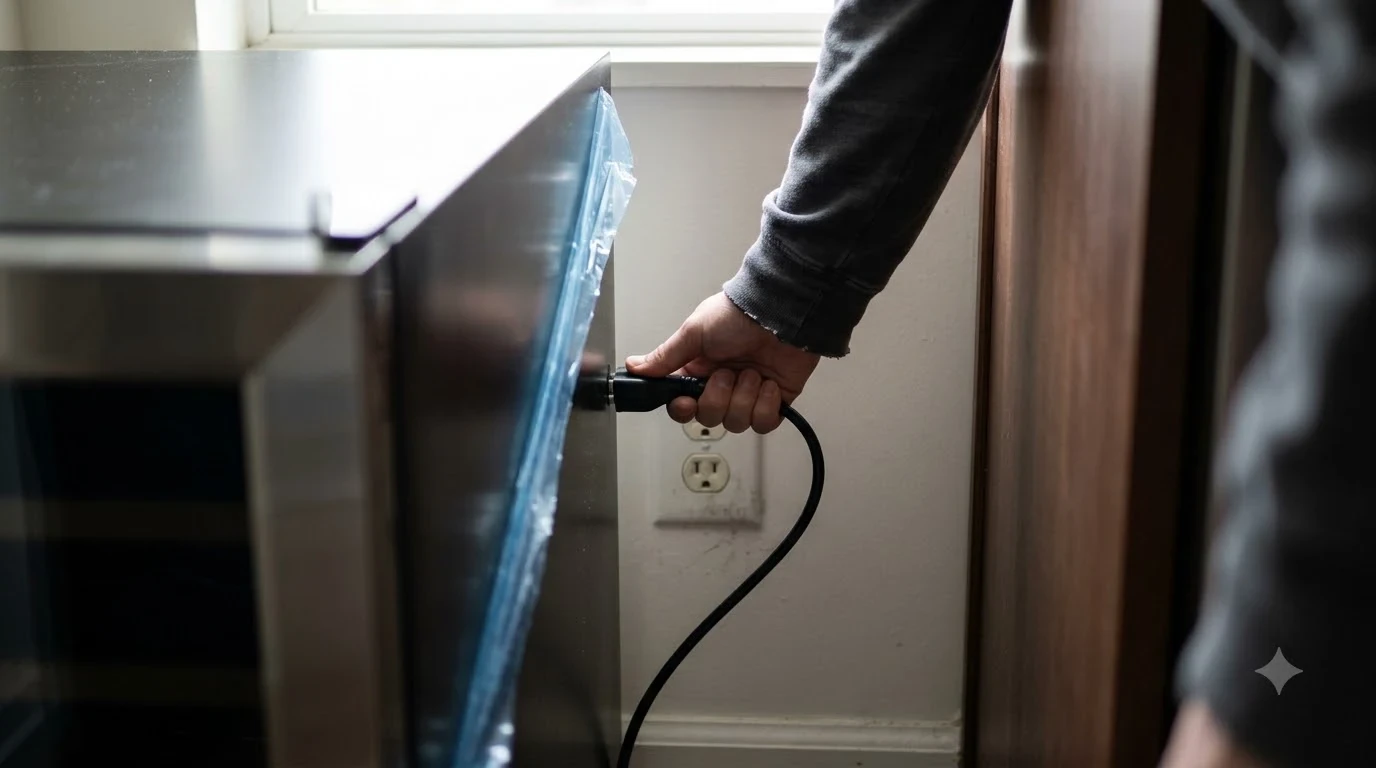
A wine fridge cabinet is a freestanding or built-in unit that keeps bottles at a set temperature, usually in a kitchen, dining room, or home bar. Reviews of these cabinets tend to cover the same handful of factors: cooling method, bottle capacity, temperature zones, and noise or vibration. This guide explains how those factors differ so you can read any set of reviews with a clear checklist in mind. For a sense of what a stand or cabinet has to hold, see our guide to wine fridge stands, and check how many glasses are in a bottle of wine if you want to estimate how many bottles you go through in a month.
Quick Comparison of Wine Fridge Cabinet Types
Most wine fridge cabinets use one of two cooling approaches, and each one suits a different room and collection. The table below compares the main types on the points that reviewers usually raise.
| Cabinet type | Cooling method | Efficiency | Best for |
|---|---|---|---|
| Thermoelectric (Peltier) cabinet | Solid-state heat pump with no compressor | Lower; about 10 to 15 percent of the ideal refrigerator | Compact spaces and low maintenance |
| Compression-cycle cabinet | Conventional compressor system | Higher; about 40 to 60 percent | Larger collections and long-term storage |
| Single-zone cabinet | One temperature for every bottle | Depends on cooling method | One style of wine, such as reds |
| Dual-zone cabinet | Two separate temperature areas | Depends on cooling method | Mixed reds and whites |
Best for Small Apartments and Kitchen Counters
A compact thermoelectric cabinet fits a narrow kitchen corner or a counter next to the coffee machine, and it suits a collection of a few dozen bottles. These units are chosen for size and simplicity rather than maximum capacity.
Why it stands out: The Thermoelectric cooling article on Wikipedia notes that solid-state units have no moving parts and are used where compact size and low maintenance matter more than efficiency. Reviewers often point to this as the main reason to choose one for a small room.
Keep in mind: Efficiency is lower than a compression system, so a warm room makes the unit work harder. Keep the cabinet away from the oven and direct sun, and leave space behind it for air to move.
Best for: Apartments, studio kitchens, and anyone who wants a few bottles on hand without a dedicated room.
Best for Large Collections and Long-Term Storage
A compression-cycle cabinet with a larger interior is the usual pick for people who buy in cases and hold bottles for years. Compression systems have higher efficiency, which helps them hold a steady temperature when the bottles are loaded and the room is warm.
Why it stands out: The Wine accessory article on Wikipedia describes refrigerator-style units as able to hold dozens of bottles at a selected temperature, which suits collections that would outgrow a small thermoelectric unit. The Wine cellar article gives 10 to 14 °C (50 to 57 °F) as the range where wines age normally.
Keep in mind: Larger cabinets take up more floor space and need clearance for airflow. Check the cabinet’s interior depth against the bottles you own, since magnums are 1.5 litres and need extra room.
Best for: Serious collectors, long-term storage, and households that open several bottles a week.
Best for Dual Red and White Storage
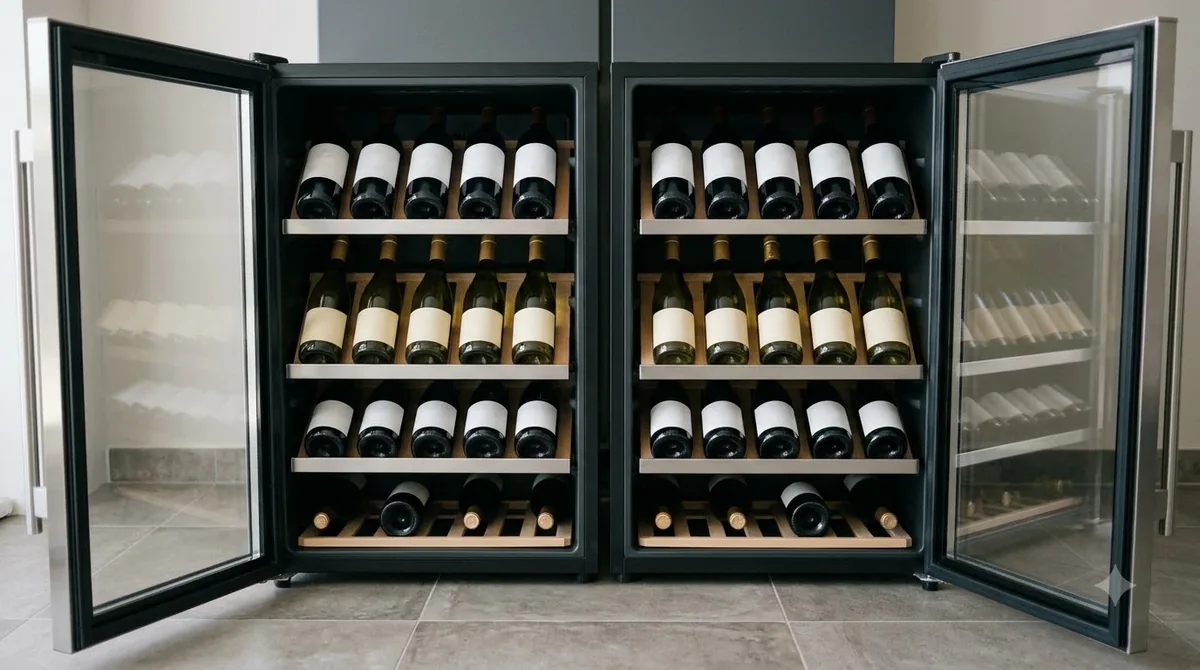
A dual-zone cabinet keeps reds and whites at different temperatures in the same unit, which is a practical choice for households that drink both styles regularly. Reviewers often weigh zone control against the extra cost of the second compartment.
Why it stands out: Some refrigerator-style units let users pick separate temperatures for two zones, according to the Wine accessory article. White wines, rosé, and sparkling wines are typically served chilled, while many reds are served warmer, so separate zones let each bottle sit where it is served best.
Keep in mind: Each zone holds less than a single-zone cabinet of the same size. Look at the shelf layout and confirm that both zones have enough depth for the bottle shapes you buy.
Best for: Couples and families who keep both red and white on hand, and anyone who wants one cabinet for everyday wine and occasional bubbles.
Best for Built-In and Under-Counter Installations
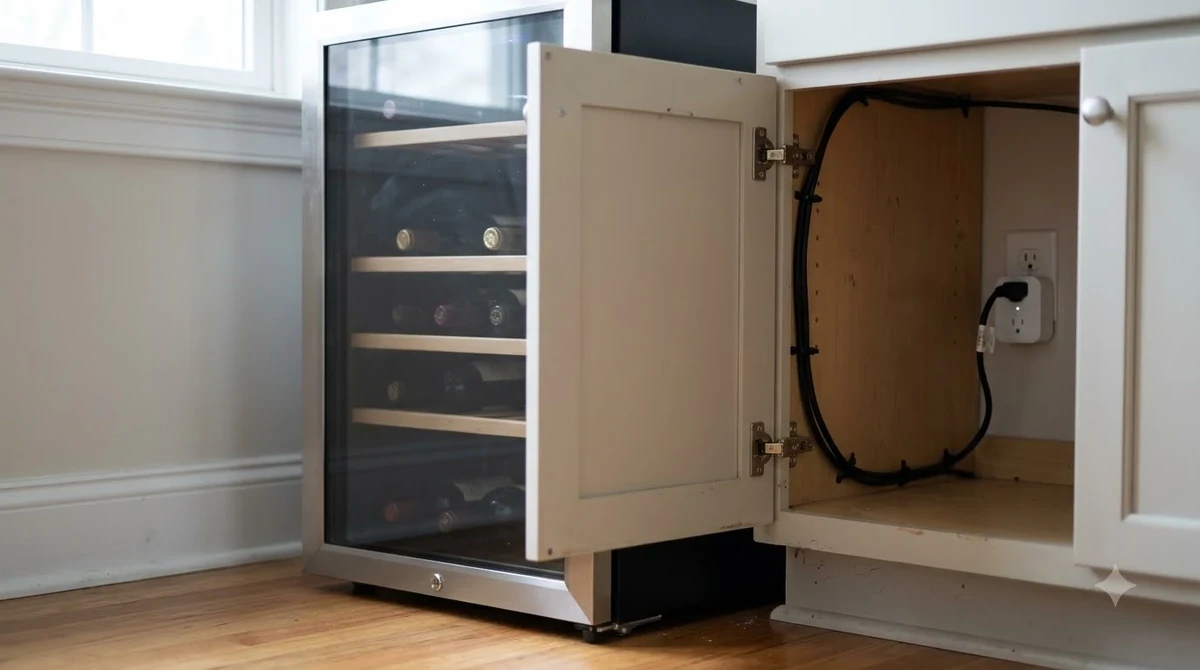
Built-in and under-counter cabinets sit flush with cabinetry and are designed to be closed into a kitchen island, bar, or pantry wall. They look tidy in a finished room, but installation requires planning for ventilation and access.
Why it stands out: A built-in unit can be hidden behind matching panels, and it keeps the wine out of the main living area. Many models also use front or side ventilation so the cabinet can sit in a tight opening.
Keep in mind: The Wine cellar article lists vibration and light as factors that can spoil wine, and it recommends darkness and stable conditions. Place a built-in cabinet away from the dishwasher, washing machine, and sunny windows where possible.
Best for: Kitchen remodels, home bars, and any room where the wine should blend into the cabinetry.
Best for Occasional Serving and Single Bottles
Table-top units and single-bottle chillers are not full cabinets, but they often appear in wine fridge reviews because they meet a narrower need. They suit people who entertain now and then and want a bottle at the right serving temperature without a large appliance.
Why it stands out: According to the Wine accessory article, table-top units rapidly chill a single bottle using ice or an electric device, and they suit white, rosé, or sparkling wines that are usually served chilled.
Keep in mind: Single-bottle units cannot store a collection, and they do not hold a steady temperature for long periods the way a cabinet does. Use them for serving rather than storage.
Best for: Hosts, gift buyers, and anyone who wants a serving cooler without committing to a full cabinet.
How to Choose a Wine Fridge Cabinet
Use the reviews as a comparison tool rather than a ranking. Start with your bottle count and room size, then match the cooling method and zones to the wine you drink most. The checklist below covers the questions that come up most often.
- Temperature range: Confirm the cabinet can hold 10 to 14 °C for aging and about 13 °C for everyday storage, based on the ranges in the Wine cellar article.
- Stability: The same article notes that swings of 14 degrees or more can make wine breathe through the cork and speed up aging, so steady performance matters more than a wide dial.
- Humidity: Experts disagree on how much humidity matters. The Wine cellar article says very dry climates may require active humidification, so check the room before buying a cabinet for long storage.
- Footprint and clearance: Measure the opening, then leave room behind the unit for air to escape.
Frequently Asked Questions
What temperature should a wine fridge cabinet hold?
The Wine cellar article on Wikipedia gives 7 to 18 °C (45 to 64 °F) as a workable range, with 13 °C (55 °F) ideal for short-term storage and aging. Many people set red wines a little warmer and whites a little cooler, but a steady temperature within the range matters most.
Is a thermoelectric wine cabinet as good as a compressor model?
It depends on the job. The Thermoelectric cooling article notes that thermoelectric units are much less efficient than compression systems, so they suit compact spaces and light use. Compression models are usually better for larger collections and warm rooms.
Do wine fridge cabinets need humidity control?
Opinions differ. The Wine cellar article reports one study claiming relative humidity inside a sealed bottle stays near 100 percent, and it notes that low humidity can dry out corks in very dry climates. For most home cabinets, a stable temperature is the first priority.
Where should a wine fridge cabinet be placed?
Keep it away from heat sources, direct sunlight, and vibrating appliances. The Wine cellar article lists vibration and light among the factors that can spoil wine, so a quiet, dark corner with airflow around the cabinet is a practical choice.
Reading wine fridge cabinet reviews becomes much easier once you know which factors matter for your room and collection. Start with the temperature range, then compare cooling method and capacity, and browse the Accessories Library for related stands and storage ideas before you buy.
More in Wine Accessories
 Coravin Vs Vacu Vin: Choose the Right Wine Saver for Your BottlesUpdated Nov 21, 2026
 Zwilling Wine Stopper Review: Preserve Open Bottles LongerUpdated Nov 21, 2026
 Wine Enthusiast Wine Preserver Review: Features, Benefits and LimitationsUpdated Nov 21, 2026
 Wine Enthusiast Wine Stopper: An Easier Way to Reseal Open BottlesUpdated Nov 21, 2026
 Vintorio Wine Opener: Two-Step Cork RemovalUpdated Nov 21, 2026
 Zwilling Wine Aerator Review: Aerate, Pour, and Seal With One ToolUpdated Nov 21, 2026