

We may earn a commission when you buy through links on this page, at no extra cost to you. Learn more.
The best Walla Walla wineries are the estates that make the valley’s signature reds, mainly Cabernet Sauvignon, Merlot, and Syrah, with a range of tasting rooms from small family estates to larger producers. The Walla Walla Valley American Viticultural Area covers about 182,000 acres, and its dry, hot-day, cool-night climate suits structured red wines. This guide explains which styles to look for, how the valley is laid out, and how to plan a tasting day.
Walla Walla is a small city in southeastern Washington, and the surrounding valley has become one of the most recognized wine areas in the Pacific Northwest. Visitors often arrive with one question: which wineries are worth the stop? The better way to answer it is to start with the styles the valley is known for and then choose estates that match what you enjoy in a glass.
Quick Comparison
Walla Walla wineries share a regional character, but they differ in size, tasting format, and how much they focus on single varieties. The table below gives a quick overview of the main types of estate you will find.
| Estate type | What to expect | Best for |
|---|---|---|
| Established estates | Wineries founded in the 1970s and 1980s with long track records | Visitors who want the classic Walla Walla red profile |
| Small production houses | Limited bottlings and a relaxed, appointment-style tasting | Collectors and people who enjoy talking with the winemaker |
| Multi-variety producers | Reds plus white and blended wines from several vineyards | Groups with mixed tastes and a first-time visitor |
Best for Classic Cabernet Sauvignon
Cabernet Sauvignon is the most planted red grape in the valley, and it is the variety most visitors come to taste. Figures from the appellation’s overview put Cabernet Sauvignon at around 41 percent of the planted area in the late-2000s data, which means most estates include at least one Cabernet on their list.
L’Ecole No. 41, founded in 1983 in Walla Walla County, is one of the valley’s best-known names for red blends and Cabernet. Woodward Canyon Winery, founded in 1981, is another early estate often cited in regional histories. Tasting a Cabernet from an established estate and one from a newer producer is a good way to see how vineyard site and winemaking shape the same grape.
Best for Merlot and Blends
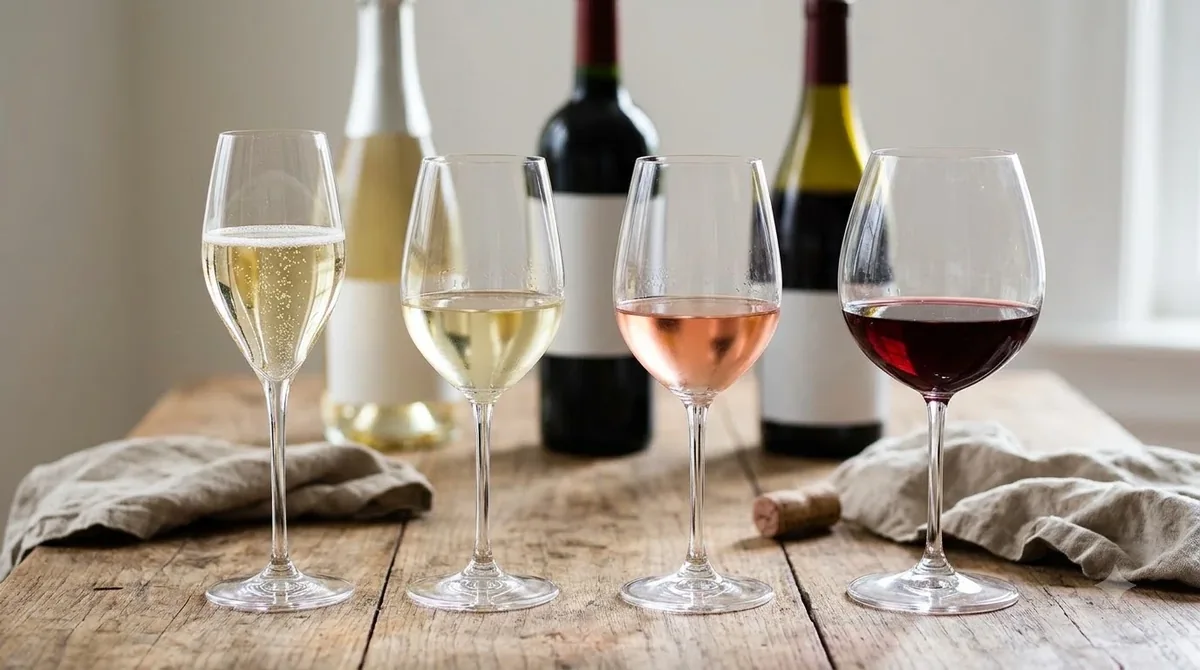
Merlot is the second most planted red in the valley, and many wineries use it in blends alongside Cabernet Sauvignon and Cabernet Franc. The result is usually a softer red with dark fruit and a smooth finish, which makes it an easy choice for guests who find Cabernet too firm.
When you visit, ask whether the Merlot is a single-variety bottling or part of a blend. The difference tells you a lot about the style. Blends often show more structure, while single-variety Merlots tend to show the fruit more directly.
Best for Syrah Lovers
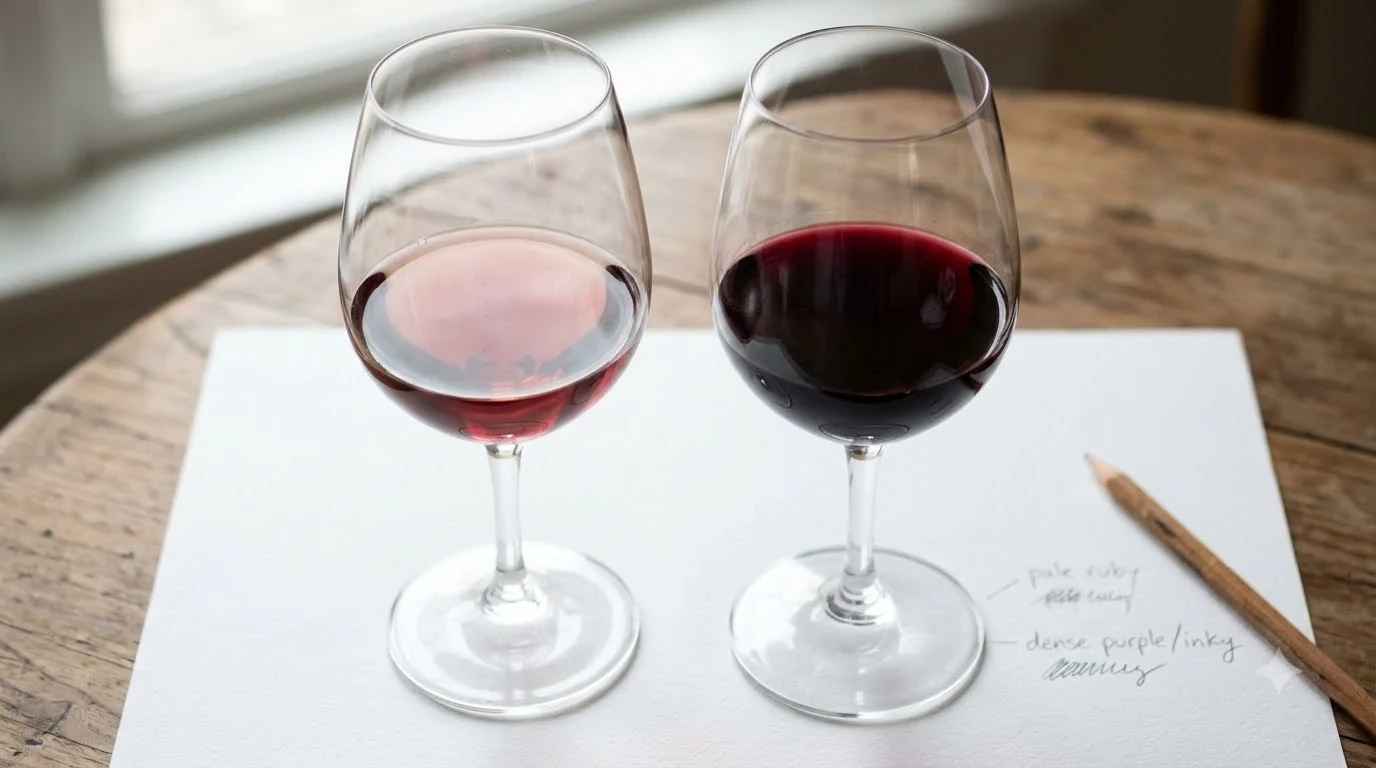
Syrah is the third most planted red in the valley, at around 16 percent of the planted area in the late-2000s figures. Winefolly describes Syrah as dry and full-bodied, with blueberry, black plum, and green peppercorn notes and medium-high tannins. Walla Walla Syrah tends to show that fruit and a peppery finish, which makes it a strong match for rich meats and spiced food.
Visitors who enjoy bold reds should give Syrah a dedicated stop. Many tasting rooms pour it alongside Cabernet so you can compare the two varieties in one flight.
Best for a Full Tasting Day
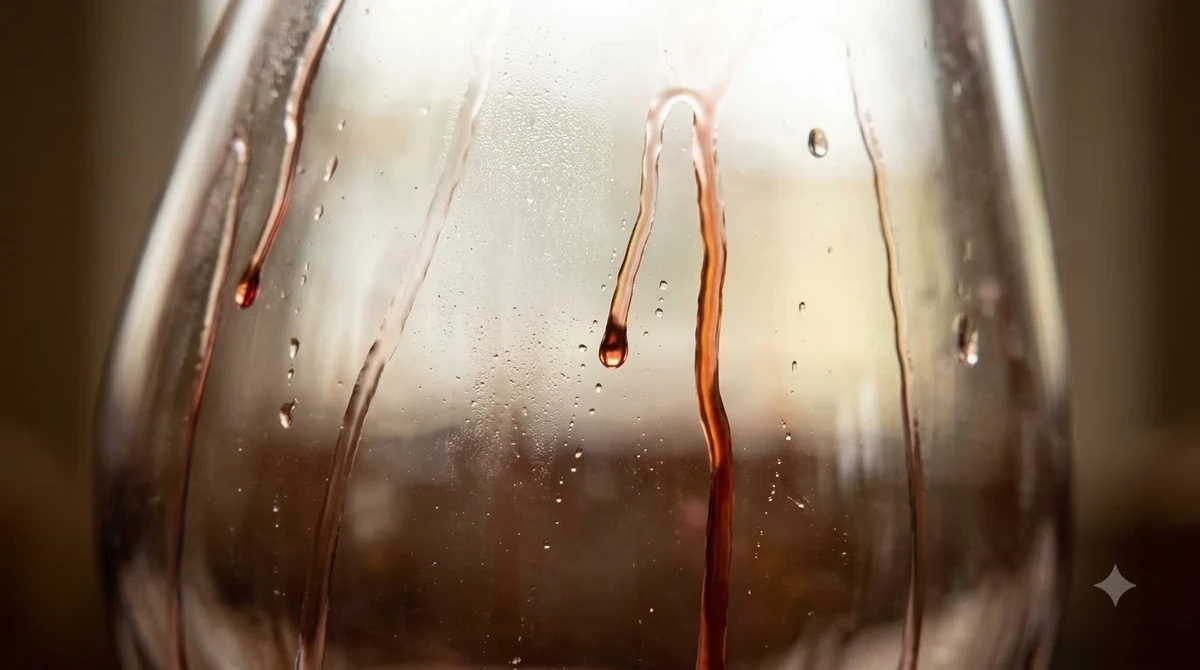
The valley’s wineries are spread across rural roads, and the drive between stops takes longer than the distance suggests. A day with three or four tastings works well, with a meal in town between visits. Plan for fewer stops than you think you can handle, and leave time to walk the downtown area after your last tasting.
Because many estates are small and sell limited quantities, booking ahead is often the best approach. Walk-ins are sometimes accepted, but weekends and harvest season fill quickly.
Best for Beginners and Mixed Groups
If your group includes people with different tastes, choose a producer that offers a varied flight. Multi-variety estates pour reds, whites, and blends from several vineyards, which gives everyone something to compare. Ask for a flight that covers both the house style and a single-vineyard wine so you can see the range.
Beginners also benefit from asking staff how the valley’s climate changes from year to year. The valley sees hot summer days, cool nights, and winters that can drop well below freezing, and those swings shape the wines in each vintage.
Best for Vineyard and Landscape Visits
Some visitors come for the scenery as much as the wine. The valley sits in a dry, open landscape with vineyards backed by the Blue Mountains, and many estates sit close to the vines. The region’s winter lows can reach about minus 20 degrees Fahrenheit, while summer days are hot, so the seasons feel very different from one another. Spring and early fall give the most comfortable conditions for walking between rows. Ask whether a tasting includes a vineyard walk, since that makes it easier to connect the glass with the ground it came from.
Soils in the valley are mostly wind-deposited loess, a fine silty material that is common across the valley. Vineyards also rely on irrigation, because annual rainfall is modest. Ask a tasting-room host how their vineyard is watered and where the fruit is grown, since those details often explain the difference between two wines from the same valley.
How to Choose a Walla Walla Winery
Start with the grapes you already like. If you enjoy firm, dark-fruited reds, look at Cabernet Sauvignon and Syrah producers first. If you prefer softer wines, focus on Merlot-based blends. If you want variety, pick a multi-variety estate and taste across several styles.
Look at how each estate describes its vineyards and winemaking. Clear details about grape sources, vintage years, and production size help you compare wineries. The Walla Walla Valley AVA overview on Wikipedia is a useful starting point for the valley’s history and grape mix, and it helps to read it before you visit.
For the flavor profile of the valley’s signature red, the Syrah grape guide from Wine Folly explains the aromas and food pairings that show up in many local bottles.
If you are comparing this region with other wine destinations, the best Paso Robles wineries guide covers another warm-climate red region, and the wine buying guide explains how to read labels and choose bottles to take home.
Frequently Asked Questions
What grape is Walla Walla best known for?
Cabernet Sauvignon is the valley’s most planted red and the variety most visitors taste first. Merlot and Syrah are also major varieties, and many estates blend them with Cabernet.
How many wineries are in the Walla Walla Valley?
The valley’s appellation includes dozens of bonded wineries and vineyards spread across a large area. The exact number changes as new estates open, so check a current regional listing before you plan.
Is Walla Walla a good place for a first wine trip?
It can be. The valley’s tasting rooms are spread out, so a planned route with three or four stops and a meal between them makes a good first visit. Booking ahead is wise, especially on weekends.
Which wines pair well with the valley’s reds?
Rich, bold reds like Cabernet Sauvignon and Syrah pair well with grilled meats, lamb, and spiced dishes. Merlot blends are often a good match for roasted or braised food.
Walla Walla rewards a planned visit. Pick two or three estates that match the grapes you enjoy, leave room for a long lunch, and taste across a few styles. A focused route will show you more of the valley’s character than a rushed tour of every tasting room.
More in Wine Buying Guides
 Riesling Gift: Choose a Bottle They’ll LoveUpdated Nov 21, 2026
 Sweet Red Wine Gift: Choose a Bottle They’ll LoveUpdated Nov 21, 2026
 Malbec Gift: How to Choose a Memorable Bottle for Any OccasionUpdated Nov 21, 2026
 Sherry Gift Ideas That Match Every Wine LoverUpdated Nov 21, 2026
 Moscato Gift: How to Choose a Sweet Wine They’ll LoveUpdated Nov 21, 2026
 Merlot Gift: How to Choose a Bottle They’ll AppreciateUpdated Nov 21, 2026