

We may earn a commission when you buy through links on this page, at no extra cost to you. Learn more.
Dahlonega wine comes from the Dahlonega Plateau, a mountain grape-growing region in North Georgia that the federal government recognized as an American Viticultural Area in 2018. Its vineyards sit in the foothills of the Blue Ridge Mountains around the town of Dahlonega. Some wineries grow all of their own fruit, while others buy grapes from elsewhere in Georgia or from other states, so the place name on a label does not always tell the whole story.
The name points to a real place, not a style of wine. People who search for Dahlonega wine usually want to know three things: where the vineyards are, which grapes grow there, and whether the bottles are worth seeking out. This guide covers each question using the region’s tourism pages and regional press coverage, and it points out where sources disagree so you can plan a visit or a purchase with realistic expectations.
What the Dahlonega Plateau Is
The Dahlonega Plateau is an American Viticultural Area, or AVA, which is a geographic label that regulates how wines can be named. The regional tourism office explains that an AVA label means at least 85 percent of the wine comes from grapes grown inside the designated area. That rule gives growers a branding advantage, because a bottle that carries the Dahlonega name has to contain mostly local fruit.
The plateau sits in the hills of Lumpkin County. The town of Dahlonega is better known for its gold-rush past, and its historic town square includes buildings from the early 1800s. The wine trail runs across the plateau and into the city itself, so a day of visits can begin and end in town, with a meal or a walk around the square in between.
How Winemaking Took Hold in the Hills
Winemaking in these hills is newer than the region’s reputation might suggest. Regional press has noted for about two decades that growers in the South suspected the altitude and climate suited European grapes. The 2018 designation turned that suspicion into a formal identity, and it gave the region a name that buyers could look for on a label.
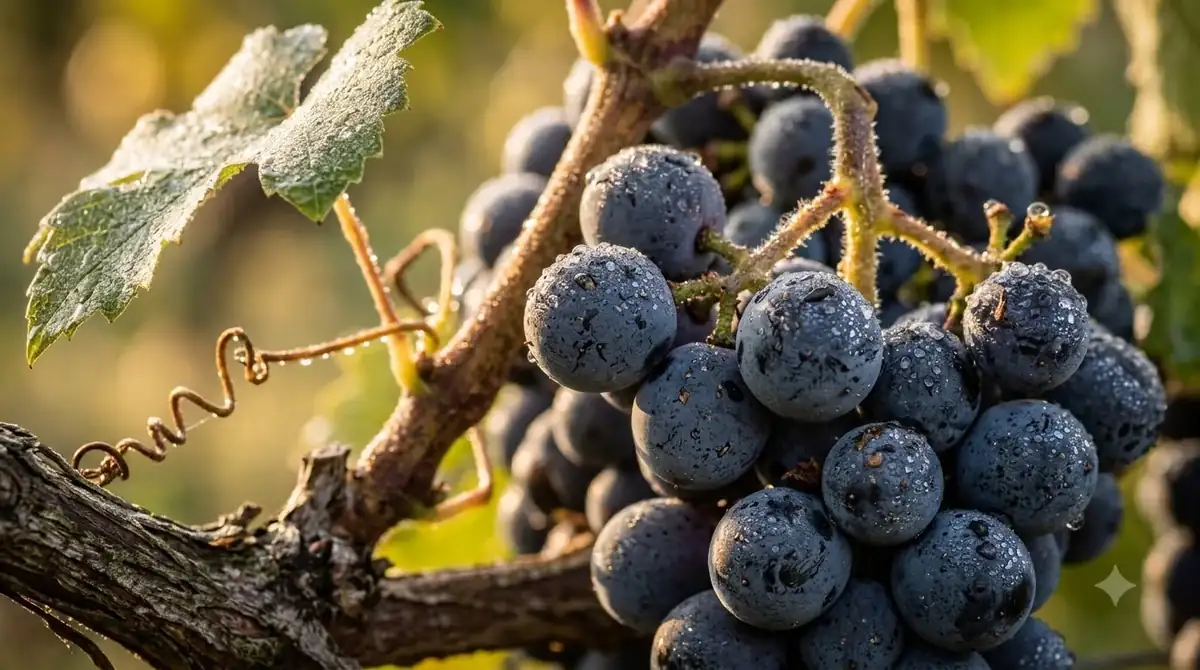
Three Sisters was the first winery to establish itself on the plateau and remains one of the best-known names. The regional tourism page describes its large cherry wood tasting bar and a rock wall patio where local musicians play on weekends. Other producers followed over time, including Frogtown, Wolf Mountain, Montaluce and Cavender Creek, each with its own tasting program and approach to the vineyard.
According to the Times Free Press food guide to Dahlonega wine, the AVA recognition was a major step for Lumpkin County wineries, and the paper’s tourism director said it helped put Dahlonega on the map. The designation did not create the region’s wineries, but it gave them a shared story and a clearer way to sell.
Grapes and Styles Grown on the Plateau
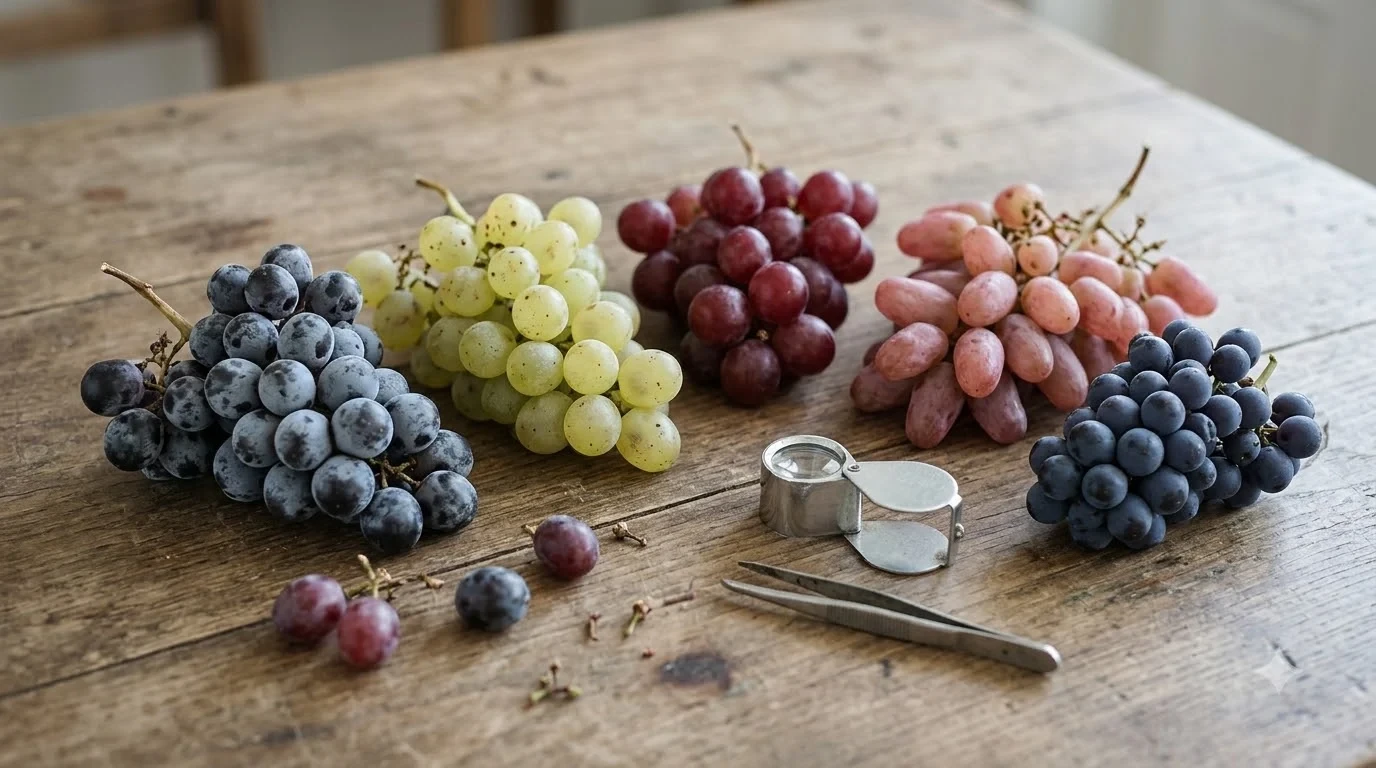
The plateau does not rely on a single grape. Wineries use European varietals and French winemaking methods, and the range of grapes differs from one producer to the next. Frogtown Winery grows twenty-five different grape varietals, which shows how many varieties local growers test in a region still learning which ones perform best on its hillside sites.
Wolf Mountain Winery uses European varietals and French winemaking methods, and its tasting page highlights more than 200 medals. Medals are a useful signal of consistency at competitions, but they do not replace tasting a wine for yourself, since judges score different styles against different standards.
Sourcing matters here more than many visitors expect. Three Sisters says it sources all of its fruit from Georgia, most of it from its own 184 acres. Accent Cellars, an urban winery in Dahlonega that sits outside the AVA, buys fruit from Georgia, California, Washington, Texas and other locations. Neither approach is wrong, but the two wines are not the same kind of product, and the label is the place to check. Growers facing similar altitude questions in Europe, covered in our italy wine guide, face the same trade-off between estate fruit and purchased grapes.
Notable Producers at a Glance
The regional tourism page lists a set of wineries and makers that appear most often in visitor planning. The table below summarizes what the page highlights for each. Ask each tasting room about current releases, since menus change with the harvest and the season.
| Producer | What the regional tourism page highlights | Good to know |
|---|---|---|
| Three Sisters Winery | First winery on the plateau, cherry wood tasting bar, rock wall patio | Sources all fruit from Georgia; live music on weekends |
| Frogtown Winery | Multiple double-gold and gold medal awards | Grows twenty-five grape varietals |
| Wolf Mountain Winery | Craftsman-style cottage above a fieldstone cellar | European varietals and French methods; over 200 medals |
| Montaluce Winery | Farm-to-table restaurant on site | Good choice for a full meal with your tasting |
| Cavender Creek Vineyards and Winery | Known for its donkeys and farm stewards | A farm setting, different from the town tasting rooms |
| Accent Cellars | Urban winery in Dahlonega | Not AVA-designated; sources fruit from several states |
| Kaya Vineyard and Winery | Restored from the earlier Blackstock Vineyards | Shows the plateau’s changing ownership history |
| Etowah Meadery | Makes mead, a honey-based wine | A good stop for visitors who want to try something beyond grapes |
For the full tourism listing, the Dahlonega Plateau winery guide is the most direct starting point, and it includes the tours section that helps with route planning.
Visiting the Dahlonega Wine Trail
Plan the trip as a driving route rather than a list of stops. The regional tourism page points visitors to its tours section for planning routes between wineries, which matters because the tasting rooms are spread across the hills and the town. For a fuller list of the vineyards themselves, see our guide to dahlonega vineyards.
Counts vary depending on the source. The Times Free Press describes eight wineries and a dozen tasting rooms on the trail, while the tourism office lists its own set of producers and tasting rooms. New tasting rooms open and some change hands, so treat any count as a snapshot and confirm hours before you go.
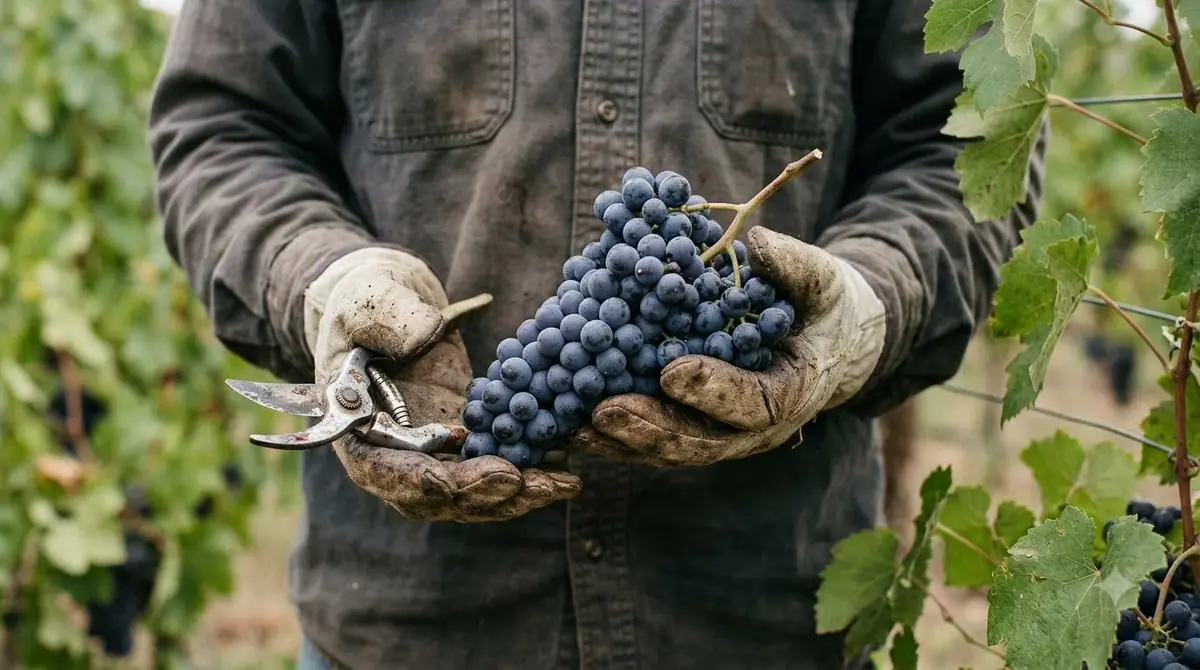
Timing matters too. The Times Free Press recommends autumn as the best season to visit, when the vines are heavy with fruit and the harvest is underway. Weekend events are common, and patio seating at several wineries offers mountain views, although outdoor seating depends on the weather. The Dahlonega-Lumpkin County Visitors Bureau can help with route ideas and lodging, and it is a good place to check event calendars before you book.
How to Buy and Enjoy Dahlonega Wine
Buying directly from a tasting room is the simplest path. Staff can explain how each wine is made, which grapes went into it, and whether the bottle came entirely from the plateau. Many tasting rooms pour several small samples, which makes it easier to compare styles before you commit to a full bottle.
Shipping rules differ by state, so check before ordering online. Some wines are available only at the winery, and others may appear on a local shop shelf or a restaurant wine list. Keeping a record of the bottle’s label and the winery name makes it easier to reorder a favorite later.
Tip: Ask whether the wine is made entirely from Georgia fruit. The answer tells you more about the bottle than the word “Dahlonega” on the front label.
Serving is simple. Lighter whites and rosés taste best slightly chilled, while fuller reds show more character when they are a little cooler than a warm room. Local cooking that uses grilled meats, cheese boards and seasonal vegetables pairs well with most of the region’s styles, and the staff at each tasting room can suggest a match for a specific bottle.
Frequently Asked Questions
Is Dahlonega wine made only from grapes grown in Dahlonega?
Only wines labeled under the Dahlonega Plateau AVA have to contain at least 85 percent fruit from inside the designated area. Some wineries outside the AVA, such as Accent Cellars in town, buy grapes from several states. Check the label and ask the tasting room about the source of each wine.
When was the Dahlonega Plateau AVA created?
The Dahlonega Plateau was recognized as an American Viticultural Area in 2018. The designation sets geographic rules for wine labels and gives growers in Lumpkin County a shared regional identity that buyers can recognize.
How many wineries are on the Dahlonega wine trail?
Sources give different counts. One regional newspaper describes eight wineries and a dozen tasting rooms, and the tourism office lists its own group of producers. The number changes as tasting rooms open or close, so confirm current hours before you plan a route.
What is the best time of year to visit Dahlonega wineries?
The Times Free Press recommends autumn, when the vines are heavy with fruit and the harvest is underway. Weekends often bring live music and events at larger tasting rooms, and patio seating is weather-dependent, so check the forecast before you plan an outdoor tasting.
Dahlonega is a good example of how a small, young wine region can build an identity around altitude, a clear designation and a handful of committed producers. If you want to understand how climate and soil shape the wines of other regions, the broader wine regions guide explains the basics in plain language, and it is a useful next step before you buy your first bottle from the plateau.
More in Wine Regions
 Willcox Wine Trail: Discover Arizona’s High-Elevation Wine CountryUpdated Nov 20, 2026
 Yakima Valley Wine Region: Find the Best Styles to TryUpdated Nov 20, 2026
 Vosne Romanee Wine Tasting: Identify Aromas and Choose Better PairingsUpdated Nov 20, 2026
 Yakima Valley Wine Festival: Find the Best Seasonal Wine EventsUpdated Nov 20, 2026
 Wales Vineyards: Discover Cool-Climate Wines and Where to VisitUpdated Nov 20, 2026
 Yountville Wine Festival: Discover Napa Wines and Local FoodUpdated Nov 20, 2026