

We may earn a commission when you buy through links on this page, at no extra cost to you. Learn more.
The best wine bottle corker depends on how often you reseal bottles and whether you need to push the stopper in by hand or with a machine. Hand-held push corkers cost less and suit occasional use, lever or floor-style corkers give more force for a snug fit, and electric models help households that reseal often. Stoppers, which reseal the bottle without re-inserting a cork, are an alternative worth comparing before you buy.
A wine bottle corker is a tool for pushing a cork or stopper back into an opened bottle. The job sounds simple, but the fit matters: a loose stopper lets air in, and a cork that is forced in too far can crumble or split. This guide compares the main types of corker, explains what to look for in a stopper, and shows how to choose a setup that fits the way you store leftover wine.
Quick Comparison
Corkers and stoppers fall into a few families. The table compares them by effort, the fit they give, and the situations they suit. Use it to narrow the choice before you compare specific products.
| Type | Effort to use | Fit and control | Best use |
|---|---|---|---|
| Hand-held push corker | Moderate, pressed by hand | Good for natural corks with care | Occasional resealing at home |
| Lever or floor-style corker | Low, uses leverage | Strong and even for natural corks | Frequent use and larger cellars |
| Electric corker | Very low, one press | Consistent, but needs power | Households that reseal often |
| Stopper with a plastic or synthetic plug | Low, pushed in or screwed | Reseals without re-inserting a natural cork | Leftover wine kept in the fridge |
| Vacuum stopper | Low, with a hand pump | Seals and removes some air | Short-term storage of opened wine |
Best for occasional resealing at home
A hand-held push corker is the simplest tool for someone who opens a bottle now and then. You line the corker up with the neck, press the cork in, and the bottle is sealed again. It takes up little space and works well for an occasional glass that you want to keep for the next night.
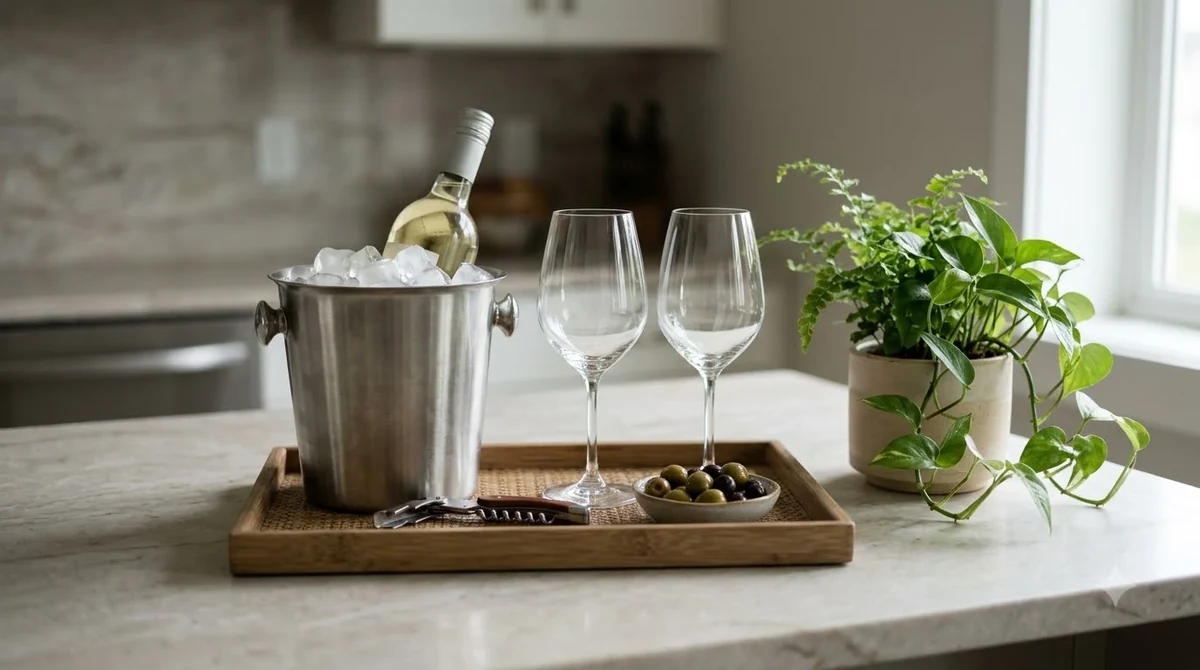
Why it stands out: A push corker needs no power and little storage space. It works for bottles that still have their original cork, as long as the cork is not too damaged to slide back in.
Keep in mind: Pushing by hand takes some care. A cork pressed in unevenly can tear, and the seal may be weaker than the original. Use a steady, straight motion and avoid pushing the cork too far, which makes it harder to remove later.
Best for: Households that reseal bottles a few times a month and want a low-cost tool.
Best for frequent use and larger cellars
A lever or floor-style corker uses leverage to press the cork in with even force. This suits people who reseal many bottles, especially if they keep a small cellar or host tastings where several bottles are opened in one evening.
Why it stands out: Leverage gives a steadier push than a hand press, which reduces the chance of a crooked cork. Floor models can be bolted to a bench or counter, which keeps the tool stable while you work.
Keep in mind: These tools take up more room and need a flat, sturdy surface. They are less convenient for a single bottle at a time, and the mounting hardware adds a step to setup.
Best for: Home cellars, wine clubs, and small tasting groups that reseal many bottles in a session.
Best for households that reseal often
An electric corker makes the job almost effortless. One press seats the cork, and the motion is the same each time, which removes most of the variation between bottles.
Why it stands out: Electric models suit people with limited grip strength or a frequent need to reseal. The consistent push reduces the chance of damaging a cork, and the process takes seconds.
Keep in mind: Electric tools need a power source and more storage space. Check whether the cork size and bottle neck match the tool, because some models fit only standard bottles.
Best for: Regular wine drinkers and households with several people who open and reseal bottles often.
Best for leftover wine kept in the fridge
A stopper with a plastic or synthetic plug is an alternative to re-inserting a natural cork. It seals the neck without needing the original cork, and it is pushed or screwed in. The Wikipedia entry on wine stoppers lists cork, rubber, and plastic as typical stopper materials, and it notes that the top part can be plastic, wood, or precious metal and crystal.
Why it stands out: A stopper avoids damaging a natural cork that has already been opened. Newer designs expand inside the bottle neck to get a tighter seal, which makes them useful for bottles kept in the fridge for a day or two.
Keep in mind: A stopper changes the bottle’s closure, so it will not match the look of a corked bottle. Check whether the plug fits the neck snugly, because a loose plug defeats the purpose.
Best for: People who keep leftover wine in the fridge and want to avoid handling natural corks.
Best for short-term storage with a pump
A vacuum stopper seals the bottle and can remove some of the air inside with a hand pump. This is the option for people who want to slow oxidation over a few days rather than just close the bottle.
Why it stands out: Vacuum sealing reduces the air in the bottle, which is the main factor in how quickly an opened wine changes. The Wikipedia entry on wine stoppers says vacuum sealing is said to extend a wine’s life by several days after opening, though it does not give other durations.
Keep in mind: The time gain is a claim rather than a fixed rule, and it varies with the wine and how well the seal holds. Store the bottle upright or cold, and check the stopper regularly.
Best for: Occasional drinkers who want to keep an opened bottle for a few extra days.
How to Choose
Start with how often you reseal bottles and what kind of closure the bottle has. The table below links common needs to the type of tool that usually fits.
| Your need | Usually a good fit | Check before buying |
|---|---|---|
| Reseal a few bottles a month | Hand-held push corker | Cork size and bottle neck fit |
| Reseal many bottles in one session | Lever or floor-style corker | Mounting space and a stable surface |
| Reseal often with little effort | Electric corker | Power source and bottle compatibility |
| Avoid re-inserting a natural cork | Stopper with a plug | Snug fit and material |
| Keep an opened bottle a few days | Vacuum stopper | Pump quality and a secure seal |
Tip: Rinse the corker’s cork-facing end with clean water and dry it before use. Dirt and wine residue can cause a cork to stick or tear when it is pushed back in.
Corkers and stoppers work best when they match the bottle. For a broader view of how many glasses a bottle yields, see how many glasses are in a bottle of wine, which helps you decide how often a bottle is likely to need resealing. The wine bottle corker guide covers the tool itself in more detail, and the Accessories Library lists related wine service gear.
Frequently Asked Questions
Can a wine bottle corker reuse a cork that came out of the bottle?
Often yes, if the cork is intact and not dried out or crumbling. A cork that has split or lost its shape is harder to reseal and may let air in. A stopper is a more reliable option for damaged corks.
How long does wine keep after I reseal it?
It depends on the wine and how well the bottle is sealed. The Wikipedia entry on wine stoppers says vacuum sealing is said to extend wine’s life by several days, but it does not list other durations. Store resealed bottles cold and drink them sooner rather than later.
Do I need a corker if I have a screw cap wine?
No. Screw caps reseal by turning back on, so no corker is needed. The corker is only relevant for bottles closed with a natural or synthetic cork.
Is an electric corker worth it for occasional use?
For a few bottles a month, a hand-held model is usually enough. An electric corker makes more sense when you reseal often, want less effort, or need the same result every time across many bottles.
A good wine bottle corker makes resealing quick and keeps the bottle sealed. Start with how often you reseal, then choose the tool type that fits that frequency. If you prefer not to re-insert a natural cork at all, a stopper or vacuum option may be a better match for your routine.
More in Wine Accessories
 Coravin Vs Vacu Vin: Choose the Right Wine Saver for Your BottlesUpdated Nov 21, 2026
 Zwilling Wine Stopper Review: Preserve Open Bottles LongerUpdated Nov 21, 2026
 Wine Enthusiast Wine Preserver Review: Features, Benefits and LimitationsUpdated Nov 21, 2026
 Wine Enthusiast Wine Stopper: An Easier Way to Reseal Open BottlesUpdated Nov 21, 2026
 Vintorio Wine Opener: Two-Step Cork RemovalUpdated Nov 21, 2026
 Zwilling Wine Aerator Review: Aerate, Pour, and Seal With One ToolUpdated Nov 21, 2026