

We may earn a commission when you buy through links on this page, at no extra cost to you. Learn more.
Charlottesville wine is mostly Virginia wine from the Monticello AVA, and the region is known for Viognier, Cabernet Franc, Bordeaux-style red blends and sparkling wines. The styles vary from estate to estate, so the same grape can taste lighter at one winery and riper at another. When you are choosing a bottle, look at the grape, the producer’s notes and whether the wine is labeled with the Monticello appellation.
Wine from the Charlottesville area is often described in terms of place rather than one signature grape. Producers work with a range of varieties, and many estates make several styles under one label. This guide explains which grapes and blends you are likely to find, how to serve them, and how to choose a bottle that fits your meal and taste. For a tour of the estates themselves, see our Charlottesville vineyards guide.
What Charlottesville Wine Is
Charlottesville wine is produced in the countryside around the city, mainly within the Monticello American Viticultural Area. The AVA gives the wines a shared geographic identity, but it does not impose a single style. Virginia has more than 300 wineries statewide, so you will find both traditional estate bottlings and smaller, experimental batches.
The easiest way to understand the wine is to think of it as a set of styles rather than a single category. White wines tend to be aromatic and fresh, reds range from bright and savory to rich and structured, and sparkling wines appear on many lists. A short tasting at one or two estates gives you a better sense of the range than any single label.
The Grapes Behind Charlottesville Wine
The grape list in the area is broader than many visitors expect. Regional guides mention Viognier, Chardonnay, Pinot Noir and Cabernet Franc as varieties that show up often, along with Merlot and Bordeaux-style blends. Each grape brings its own flavor profile, and understanding that profile makes it easier to pick a bottle you will enjoy.
| Grape or blend | Typical character | Where regional guides mention it |
|---|---|---|
| Viognier | Floral, peachy, medium-bodied white | Blenheim and Virginia Wineworks |
| Cabernet Franc | Red fruit, herbal notes, savory finish | Jefferson Vineyards |
| Chardonnay and Pinot Noir | Burgundian varieties, often elegant | Ankida Ridge |
| Red blends | Layered reds built from several grapes | Virginia Wineworks, Barboursville, Early Mountain |
| Merlot port-style wine | Sweet, fortified style aged in bourbon barrels | King Family Vineyards |
Viognier is one of the signature white grapes that visitors ask about. It is aromatic, with a floral and stone fruit character, and it can be made dry or with a touch of richness. Cabernet Franc is often a standout red, with bright fruit and a herbal edge that works well with grilled vegetables and mild cheeses. These two grapes are a good starting point if you want to learn the regional style without committing to a heavy wine.
Red Blends and Bordeaux-Style Wines
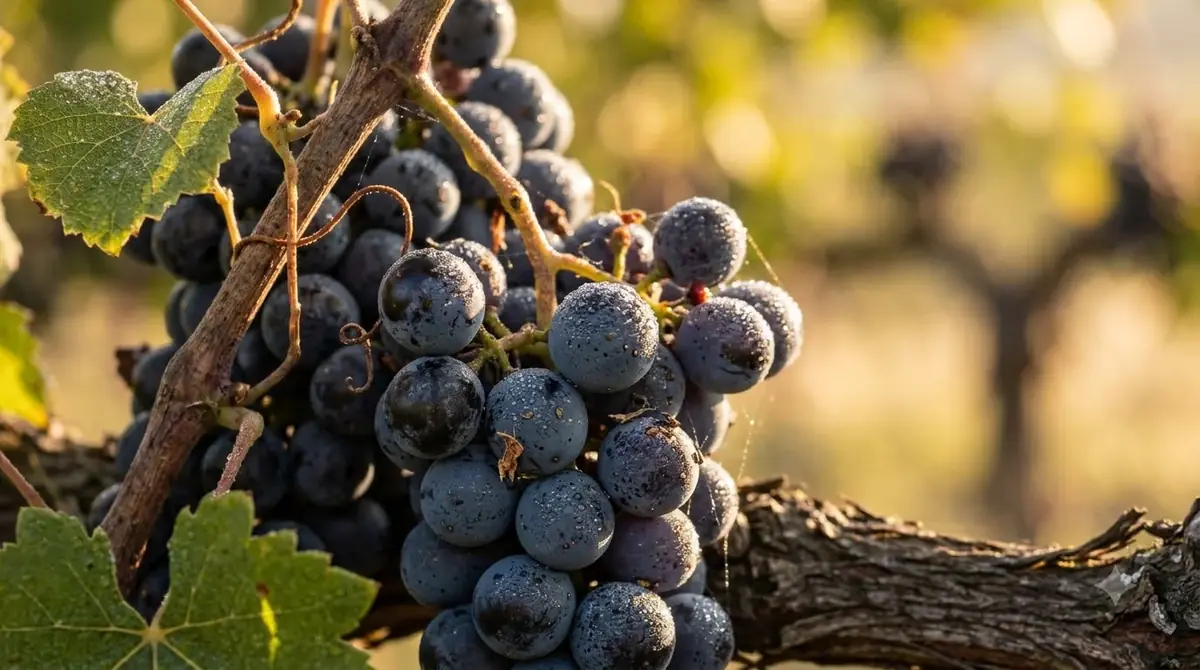
Red blends are one of the most common ways Charlottesville producers express the region. A blend lets a winemaker combine several varieties to balance fruit, acidity and structure, which can make the wine more consistent from year to year. Several estates make a red blend as their flagship, and the names on those labels often reflect the estate’s history or setting.
Bordeaux-style blends appear across the region as well. King Family Vineyards produces a Meritage, which is a term for a Bordeaux-style blend that uses several classic varieties. The estate also makes a port-style wine from Merlot that is aged for two years in bourbon barrels, according to a VinePair guide to the region. That bottle is a useful reminder that Virginia producers experiment with styles beyond the classic table wine.
Sparkling and White Wines Worth Trying
Sparkling wine is a standout category in the region, and some producers are known for their bubbles as much as their still wines. Veritas Vineyard and Winery is noted in regional guides for its sparkling wines, and it also makes good whites, according to a VinePair guide to the Monticello region. If you want to compare styles, ask for a sparkling and a still white in the same tasting, which shows how acidity shapes both.
White wines from the area range from crisp and mineral to rich and oak-influenced. Chardonnay is common, and it can taste lighter or fuller depending on the vineyard site and winemaking choices. A useful habit is to ask staff whether the white was fermented in steel or oak, because that single detail can tell you a lot about what to expect in the glass.
How to Serve Charlottesville Wine
Serving temperature and glassware make a noticeable difference, especially with local whites and reds. Lighter whites and sparkling wines show best when they are well chilled but not icy, while fuller reds benefit from being slightly cooler than the room. A simple rule is to take reds out of the refrigerator a few minutes before pouring and to chill whites for an hour or two before serving.
Glassware is less strict than many people think, but a glass with a bowl that narrows slightly at the top helps concentrate aromas. Give reds a little air by swirling, and decant bigger blends if they feel tight. Young reds from the region often open up as they sit in the glass, which is why many visitors taste them slowly over a meal.
How to Choose a Charlottesville Bottle
Start with the grape you want, then match it to your meal. Viognier and Chardonnay pair well with seafood and light poultry, Cabernet Franc goes with grilled vegetables and tomato-based dishes, and red blends suit roasted meats and hearty stews. If you are unsure, ask for a wine that the winery pairs with its own food, since tasting staff often know which bottles work best together.
Price is not always a reliable guide to quality in this region, so focus on the producer’s reputation and the description on the label. Boxed wine is available from some producers, and it can be a practical value option for everyday meals. For wines from other regions to compare, our Italy wine guide covers how regional styles shape the bottle in a similar way.
Tip: When you buy a bottle to take home, keep the tasting notes or photograph the label. Local shops and tasting rooms can help you match a future order to the style you liked.
Frequently Asked Questions
What is Charlottesville wine known for?
Charlottesville wine is known for its place in the Monticello AVA and for a range of styles, including Viognier, Cabernet Franc, Bordeaux-style blends and sparkling wines. Quality and style vary by producer.
Which grape should I try first?
Viognier and Cabernet Franc are good starting points because they show the regional character clearly. Ask for a tasting flight if you want to compare a white and a red side by side.
Is Virginia wine the same as Charlottesville wine?
Charlottesville wine is a part of Virginia wine. The state has more than 300 wineries, and the Charlottesville area is one of its most concentrated wine regions, but other areas produce wines with different character.
How should I serve a local red?
Serve reds slightly cooler than room temperature and give them a few minutes of air. Bigger blends can benefit from decanting, while lighter reds are usually fine as they are.
Charlottesville wine rewards curiosity. Taste across the grapes, pay attention to how each style pairs with food, and ask producers about their choices. For a broader view of how regions shape wine, the Wine Regions section is a good place to continue.
More in Wine Regions
 Willcox Wine Trail: Discover Arizona’s High-Elevation Wine CountryUpdated Nov 20, 2026
 Yakima Valley Wine Region: Find the Best Styles to TryUpdated Nov 20, 2026
 Vosne Romanee Wine Tasting: Identify Aromas and Choose Better PairingsUpdated Nov 20, 2026
 Yakima Valley Wine Festival: Find the Best Seasonal Wine EventsUpdated Nov 20, 2026
 Wales Vineyards: Discover Cool-Climate Wines and Where to VisitUpdated Nov 20, 2026
 Yountville Wine Festival: Discover Napa Wines and Local FoodUpdated Nov 20, 2026