

We may earn a commission when you buy through links on this page, at no extra cost to you. Learn more.
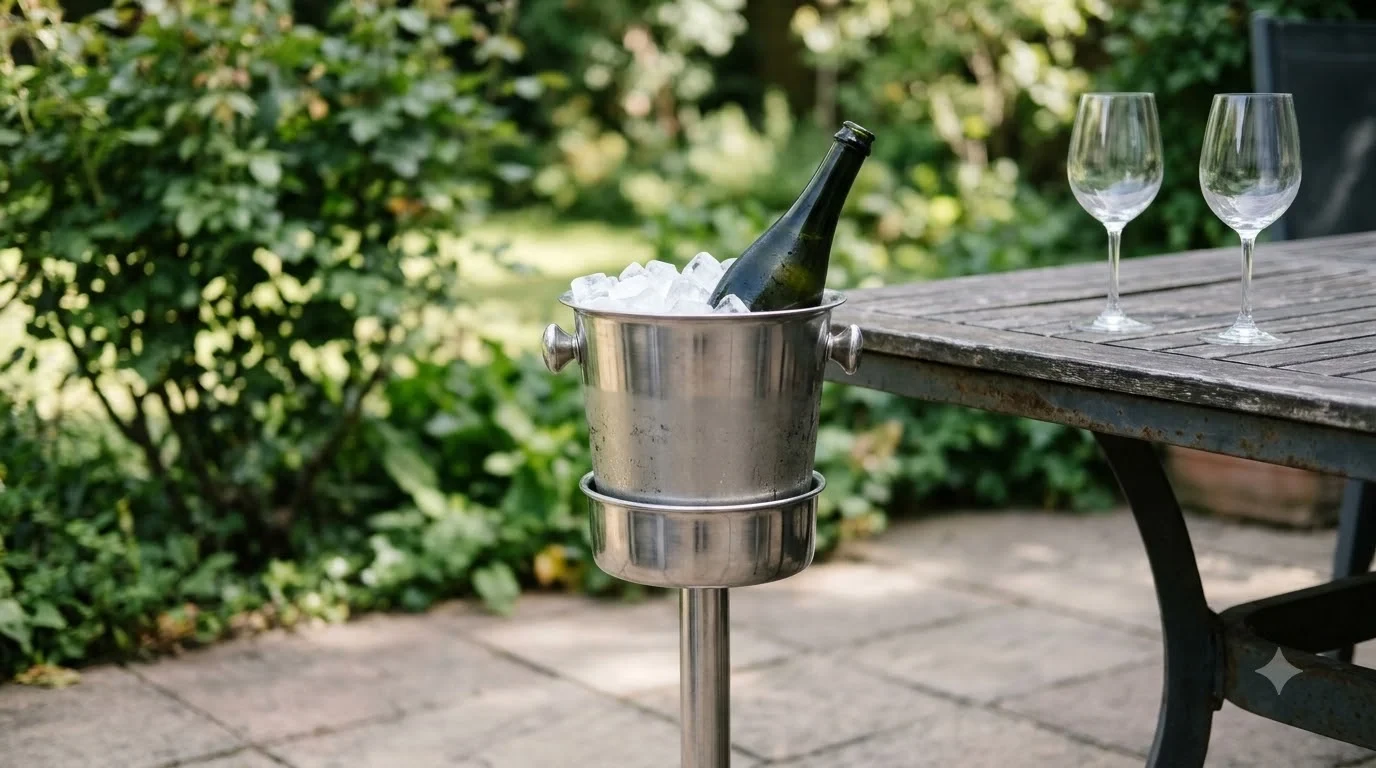
The best wine bottle stand is a sturdy base with a cradle or ring that holds one standard 750 ml bottle upright, with a footprint wide enough to resist tipping on a table or shelf. Stands are used for display, for serving on a sideboard and for keeping a special bottle visible without laying it on its side. The right pick depends on the bottle shape, the surface where it will sit and whether the stand needs to hold the bottle steady while it is poured.
A wine bottle stand looks like a simple object, but the details matter. A narrow base can tip with a full bottle, a cradle that is too tight can scratch the label, and a stand that is too low hides the bottle from view. This guide compares the main types, explains what to check before buying, and answers the questions buyers ask most often about bottle size and placement.
Quick Comparison of Wine Bottle Stand Types
Most stands fall into a few families. They differ in base width, how the bottle is held and whether the stand suits display or pouring. The table below summarizes the usual trade-offs.
| Stand type | Base | How the bottle is held | Best use |
|---|---|---|---|
| Ring or collar stand | Small, round base | Bottle sits in a ring near the neck | Display on a shelf or sideboard |
| Cradle stand | Wide, low base | Bottle rests in a curved cradle | Stable display and occasional pouring |
| Wooden display stand | Medium, flat base | Bottle sits in a shaped notch | Gift or decor use in a living room |
| Metal pedestal stand | Narrow, heavy base | Clamp or ring around the body | Modern bars and counters |
| Tabletop tilting stand | Wide, low base | Bottle tilted for easy pouring | Serving at a dinner table |
Best for Shelves and Sideboards
A ring or collar stand is the most common choice for a shelf or sideboard. It keeps a single bottle upright in a small footprint, which suits a narrow shelf or a spot next to a lamp or photo frame. Because the bottle is held near the neck, the body remains visible and the label can be turned toward the room.
Why it stands out: A small base takes little space, and the upright position shows the bottle clearly without a large display unit.
Keep in mind: Ring stands grip the bottle at one point, so a heavy bottle can feel less secure than in a cradle. Check that the ring fits the neck diameter of the bottle you plan to display.
Best for: Shelves and sideboards where the stand should stay small and the bottle should be easy to see.
Best for Stable Display and Occasional Pouring
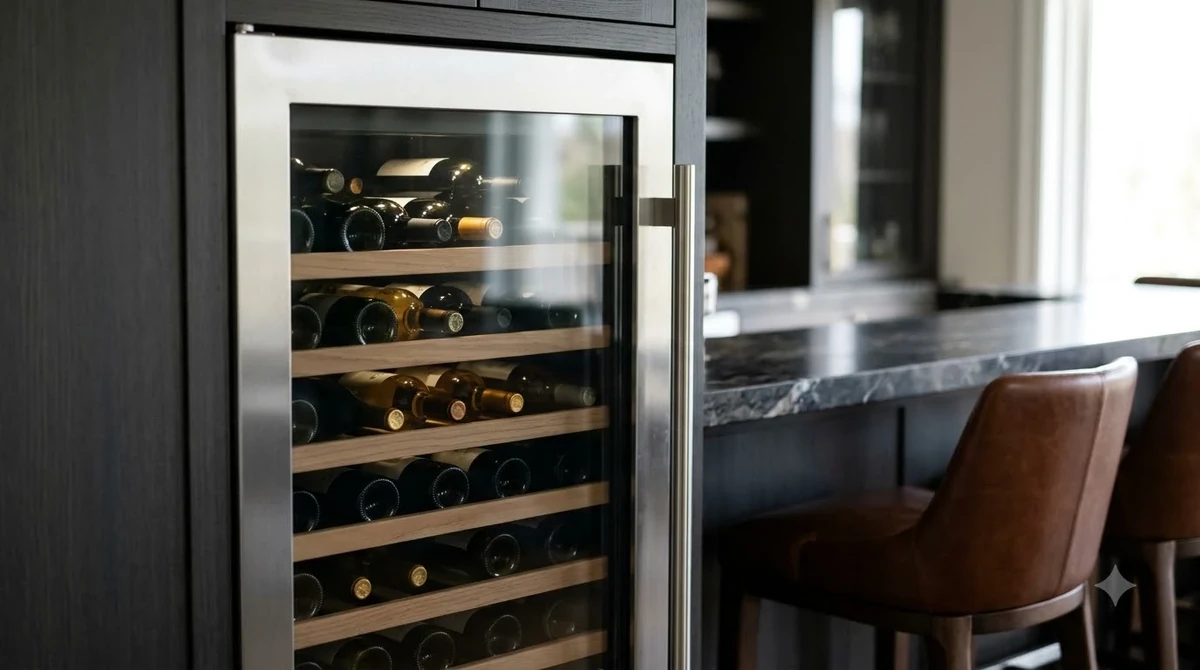
A cradle stand holds the bottle in a curved rest with a wider base. The cradle supports the body, so the bottle is less likely to shift when someone lifts it, and the stand can be used for pouring at a casual meal. Cradles suit bottles with a broad body, such as many standard red wines, and they are easy to set on a counter.
Why it stands out: The wider base and supporting cradle make it steadier than a narrow ring, which matters on a surface that gets bumped.
Keep in mind: A cradle needs more room on the table than a ring design. Measure the surface before buying, especially if you plan to use it at the table with glasses and plates.
Best for: Dinner tables and counters where the bottle may be lifted and poured more than once.
Best for Gifts and Living Room Decor
Wooden display stands add warmth to a room and suit a bottle given as a gift or kept for a special occasion. They usually have a shaped notch or a bed for the bottle, and the finish can match other furniture. A display stand also keeps a bottle off a shelf where it could be knocked over.
Why it stands out: A wooden stand looks finished on its own, which makes a bottle feel like a presentation rather than an afterthought.
Keep in mind: Wood can scratch or mark over time, and it is not always designed to hold a bottle that is being poured. Keep the stand on a dry, level surface away from direct sun.
Best for: Gift buyers and living rooms where the bottle is shown rather than poured.
Best for Modern Bars and Counters
Metal pedestal stands are narrow and often heavy, which gives them a clean, modern look. They can hold a bottle with a clamp or a ring around the body, and some designs have a wider foot for stability. In a home bar or kitchen counter, a metal stand keeps the bottle upright without taking much room.
Why it stands out: A heavy base resists tipping and a metal finish fits contemporary kitchens and bars.
Keep in mind: Metal can mark a bottle label or scratch the glass if the clamp is tight. Choose a stand with soft padding or a wide clamp surface.
Best for: Bars and kitchens with a modern style and limited counter space.
Best for Tabletop Pouring at Dinner
Tilting stands hold a bottle at an angle so wine can be poured without lifting the full weight. They work well at a dinner table, especially for a larger bottle or a bottle that is too heavy to handle comfortably. The base is usually wide and low, which keeps the stand stable while the bottle is tilted.
Why it stands out: The tilted position makes pouring easier for guests and keeps the bottle steady during service.
Keep in mind: A tilting stand takes more table space, and the tilt angle varies by model. Test the angle with an empty bottle if possible, and avoid placing the stand near the edge of the table.
Best for: Dinner parties and families that serve wine at the table.
How to Choose a Wine Bottle Stand
Start with the bottle. Standard 750 ml bottles are the most common size, and the stand should suit the bottle’s body and neck. The Wikipedia article on wine bottles gives an average empty 750 ml bottle weight of about 500 grams, with a range from roughly 300 to 900 grams. A heavier bottle needs a wider base or a cradle, while a lighter bottle can sit in a ring design.
Next, consider the surface. A narrow shelf needs a small ring stand, while a dinner table can handle a cradle or tilting design. Finally, decide whether the stand is for display, pouring or both. Display-only stands can be lighter and more decorative, while pouring stands should be wider and more stable.
- Match the stand to the bottle’s weight and neck width.
- Measure the surface and leave room for glasses if the stand will be used at the table.
- Choose a display stand for gifts and a cradle or tilting stand for service.
- Check the finish and clamp padding so the label and glass are not marked.
Frequently Asked Questions
What size bottle does a wine bottle stand hold?
Most stands are made for standard 750 ml bottles. Magnums hold 1.5 liters and are heavier and wider, so check the product’s bottle dimensions before buying a stand for large-format wine.
Can a wine bottle stand be used for pouring?
Cradle and tilting stands are designed for pouring, because the bottle is supported while it is lifted or tilted. Ring and display stands are better for showing the bottle than for regular pouring.
Do wine bottle stands damage labels?
A stand can mark a label if a clamp or metal ring is tight or rubs the paper. Choose a stand with soft padding or a wide support, and avoid leaving a bottle in the same spot for long periods in direct sun.
Should a wine bottle be stored on a stand?
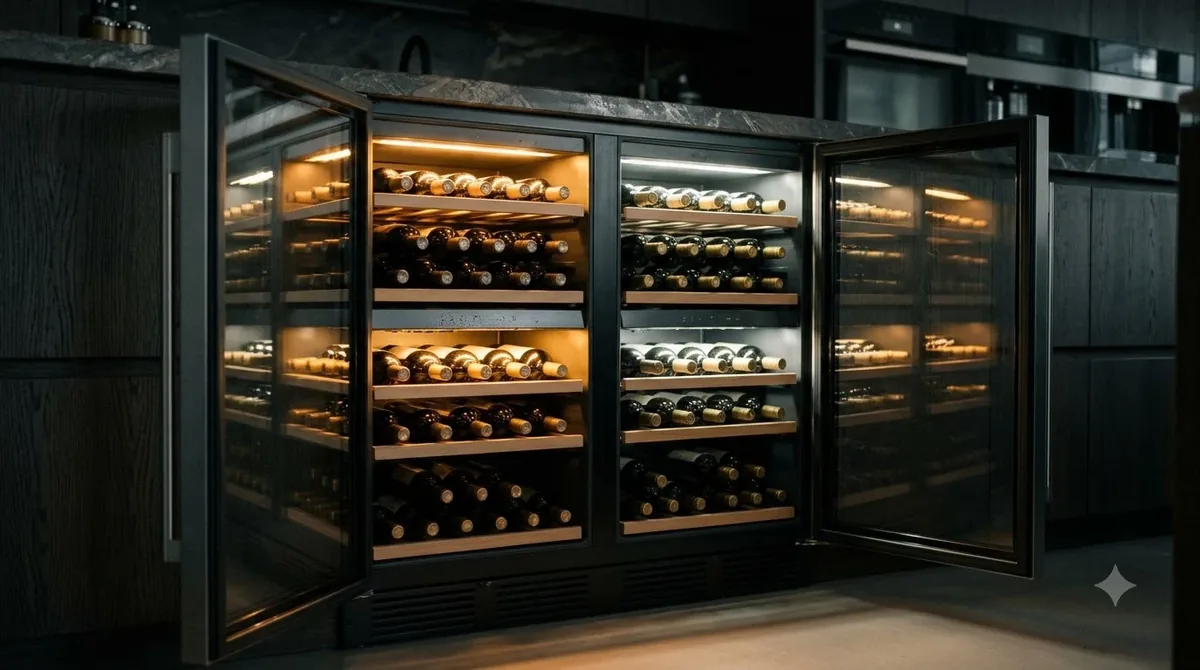
A stand is useful for display and short-term use, but it is not a storage system for aging. For bottles kept for a long time, a rack or cellar is a better place, and the storage references describe a stable temperature range of about 7 to 18 °C (45 to 64 °F).
A wine bottle stand should suit the bottle, the surface and the way the wine will be used. Match the base to the bottle’s weight, choose a display or pouring design, and check the clamp or cradle for label safety. For related accessories, the wine bottle holder guide covers holders for the table, and the wine bottle labels guide covers labels for personal bottles. The accessories library lists more options.
For background on bottle sizes and typical bottle weight, the Wikipedia article on wine bottles covers standard and large-format volumes and typical empty bottle weights.
More in Wine Accessories
 Coravin Vs Vacu Vin: Choose the Right Wine Saver for Your BottlesUpdated Nov 21, 2026
 Zwilling Wine Stopper Review: Preserve Open Bottles LongerUpdated Nov 21, 2026
 Wine Enthusiast Wine Preserver Review: Features, Benefits and LimitationsUpdated Nov 21, 2026
 Wine Enthusiast Wine Stopper: An Easier Way to Reseal Open BottlesUpdated Nov 21, 2026
 Vintorio Wine Opener: Two-Step Cork RemovalUpdated Nov 21, 2026
 Zwilling Wine Aerator Review: Aerate, Pour, and Seal With One ToolUpdated Nov 21, 2026