

We may earn a commission when you buy through links on this page, at no extra cost to you. Learn more.
The best cheap wine crate is a sturdy wood, plastic or folding crate with dividers or padded slots that hold standard 750 ml bottles steady for storage, carrying or gifting. Budget crates work well for a few cases in a closet, a gift basket, or a trip to a friend’s dinner, and the right choice depends on the weight of the load, how often the crate moves, and whether bottles need to lie flat or stand upright.
A wine crate looks simple, but it does several jobs. It holds bottles together, protects them from knocks, and makes a bottle easier to carry without a loose handle. A cheap crate can do all of that well when it is sized for the bottles and built with firm sides. This guide compares the main styles, shows which use each one suits, and lists the checks to make before you buy. If you are planning how many bottles to bring to a gathering, the guide on how many glasses are in a bottle of wine is a good place to start.
Quick Comparison of Budget Wine Crate Styles
Inexpensive crates come in four main materials: plain wood, sturdy cardboard, molded plastic, and folding fabric or thin wood. Each material handles weight, moisture, and repeated use differently, so choose the one that matches the job rather than the lowest price alone.
| Crate style | Best use | Bottles it suits | Main tradeoff |
|---|---|---|---|
| Plain wood crate | Storage and shelf display | 6 to 12 bottles | Heavy, needs sealing in damp rooms |
| Sturdy cardboard crate | One-time gifts and moves | 6 bottles | Weak when wet or overloaded |
| Molded plastic crate | Carrying to parties | 6 to 12 bottles | Less attractive for display |
| Folding fabric or thin wood | Occasional use and travel | 2 to 6 bottles | Less protection for heavy bottles |
Bottle size shapes the choice more than most buyers expect. The standard bottle is 750 ml, the usual unit in wine sales, while half bottles at 375 ml are narrower and magnums at 1.5 L are wider and heavier. A crate built for 750 ml may not accept a magnum. The Wikipedia entry on wine bottles notes that wine bottles are generally glass and that an empty 750 ml bottle averages about 500 g, so a full bottle is heavy. Check the crate’s stated capacity and the weight of a full case before lifting.
Best for Storage and Display at Home
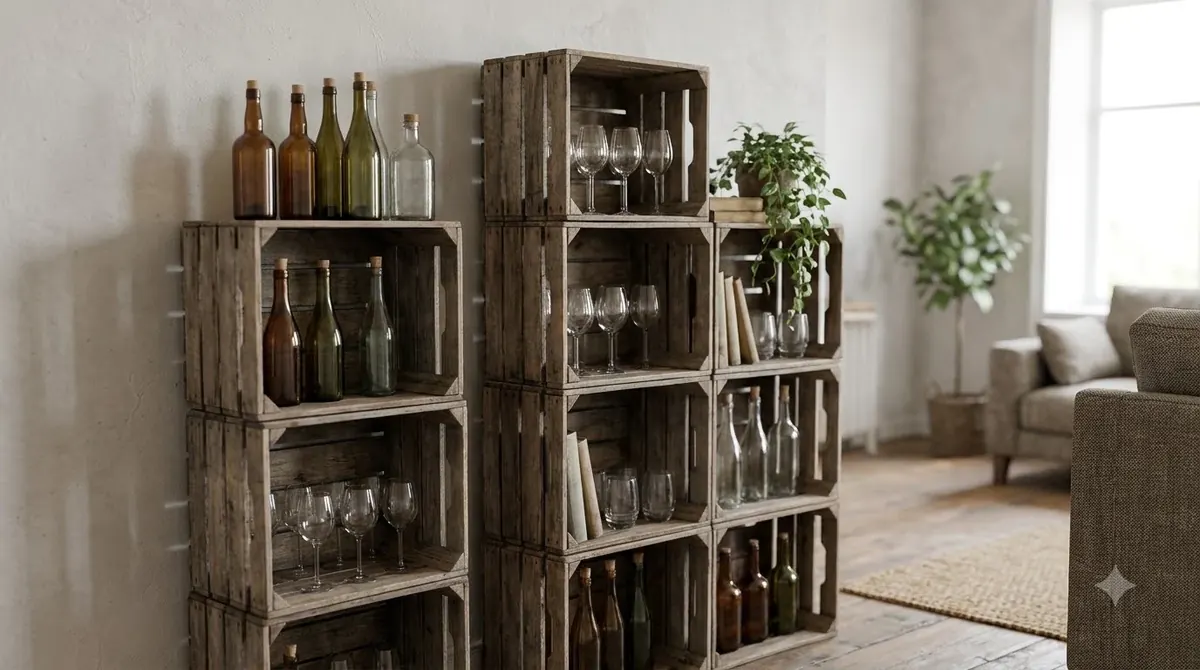
A plain wood crate suits someone who wants to store a few cases neatly and show a favorite bottle on a shelf. The natural finish blends with most decor, and the sides keep bottles from knocking together.
Why it stands out: A wood crate is sturdy and gives a clear, tidy look. Dividers or slots keep each bottle in place, which helps when the crate sits on a shelf or in a closet.
Keep in mind: Wood is heavy and can warp in a damp room. Keep the crate off a cold floor, seal the wood, and avoid placing it where direct sun will warm the bottles over a long period.
Best for: Home storage, shelf display and anyone who keeps a small collection in one place.
Best for Wine Gifts and Hostess Bottles
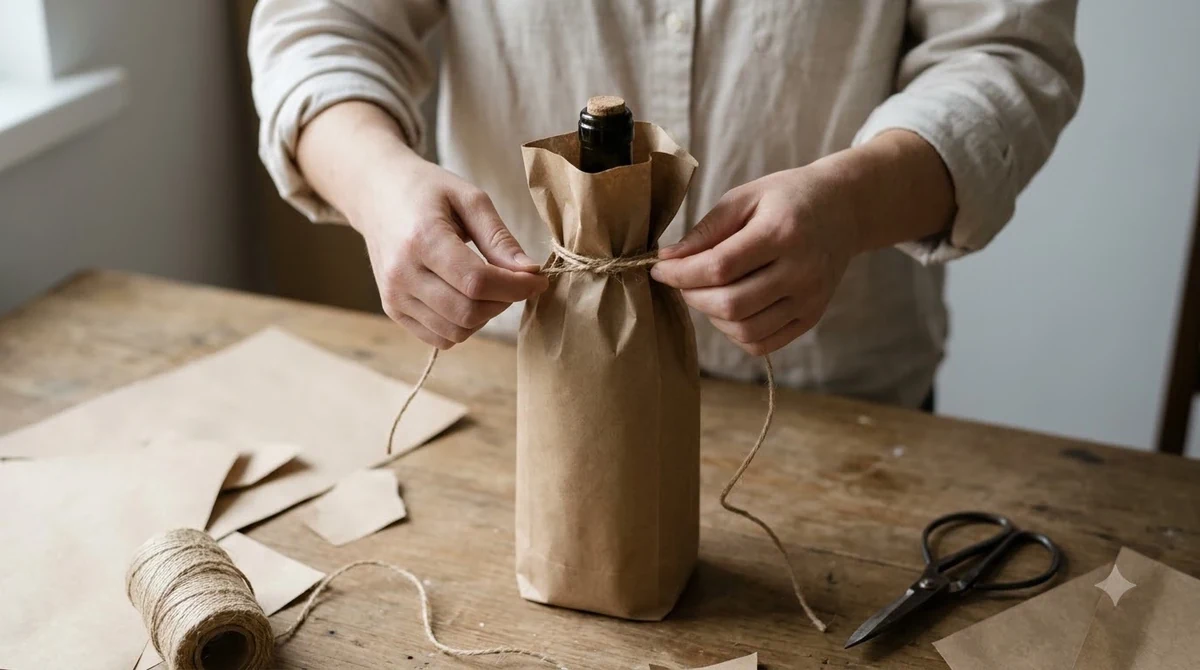
A gift crate needs to look good on arrival and protect the bottles on the way. A sturdy cardboard or lightweight wood crate with a clean finish suits a hostess gift or a holiday basket.
Why it stands out: A crate makes a bottle or two feel like a complete gift, and the fitted inside stops the bottles from knocking together. Cardboard crates cost little and can be recycled after the event.
Keep in mind: Cardboard weakens if it gets wet or if the load is heavier than it was built for. Check the weight rating, and keep the crate dry until it is opened.
Best for: Hostess gifts, holiday baskets and bottles sent as a present.
Best for Carrying to Parties
A molded plastic crate is a practical choice for carrying bottles to a party, a picnic or a potluck. It is light, easy to wipe down, and stacks neatly in a car.
Why it stands out: Plastic crates resist moisture and handle rough use well. Many have built-in handles, which makes it simpler to carry six bottles without a bag and without the bottles clinking together.
Keep in mind: Plastic can look plain next to a wood table, and a crate that is too shallow can let bottles tip over on a bumpy road. Choose a crate with a snug fit for the bottle body and a secure lid or divider.
Best for: Parties, picnics and anyone who transports bottles often.
Best for Occasional Use and Travel
A folding fabric or thin wood crate suits someone who needs a crate once in a while and wants to store it flat between events. These crates are light and simple, and they can be tucked into a closet or a car trunk.
Why it stands out: A folding crate takes little space when it is not in use and costs less than a full wood or plastic crate. It works for a short trip or for a few bottles at a time.
Keep in mind: Fabric and thin wood give less protection than a rigid crate. Keep heavy bottles at the bottom, and avoid carrying a full load over rough ground or stairs.
Best for: Occasional use, short trips and renters who need something that stores flat.
Best for Bottles That Need a Snug Fit
Some bottles, such as magnums or sparkling wines with a wider body, need a crate with deeper or wider slots. A snug-fit crate prevents the neck from knocking against the rim and keeps the bottle from sliding when the crate is lifted.
Why it stands out: A crate built for a larger bottle keeps the load steady and reduces the chance of a bottle tipping. Snug slots also make it easier to pick up a full crate without losing a bottle.
Keep in mind: Snug-fit crates often cost more and fit fewer bottles. Measure the slot against the widest bottle you plan to store, and check that the lid or divider does not press on the cork.
Best for: Magnums, sparkling wines and any collection with mixed bottle sizes.
How to Choose a Budget Wine Crate
A good crate matches the bottle size, the load, and the way it moves. Start with the bottles, then the carrying distance, then the finish and the storage space at home.
| Factor | What to check | Why it matters |
|---|---|---|
| Bottle size | Slot depth and width for 750 ml and larger bottles | Prevents tipping and rattling |
| Load | Weight rating and base strength | Full bottles add up quickly |
| Material | Wood, plastic, cardboard or fabric | Decides durability and moisture tolerance |
| Carrying | Handles and lid or divider | Keeps the load secure on the move |
Storage conditions matter when a crate stays in place for a long time. Wine can be kept between 7 and 18 °C as long as changes are gradual, and large swings can speed aging, according to the Wikipedia entry on wine cellars. A crate in a cool, dark room is a sensible home for a case, while a crate in a hot car or near a window is not. Move bottles from the crate to a cooler space when you plan to keep them for a while.
Weight is the other factor to plan for. A full case of six 750 ml bottles is heavy for its size, so use a crate with handles, lift with the legs rather than the back, and keep the heaviest bottles low. A crate that stays on a stable surface is safer than one stacked on a chair or a counter edge.
Tip: Keep the crate dry, store it flat when it is empty, and check the handles and joints before filling it for a trip.
Frequently Asked Questions
How many bottles fit in a standard wine crate?
Most budget crates hold six to twelve standard 750 ml bottles. Check the crate’s listed capacity, since a crate built for six may not accept larger bottles or a full twelve.
Is a wine crate good for storing bottles long-term?
A wood crate in a cool, dark room can hold bottles for a while, but it is best for short-term storage. For long aging, a cellar or a cool cabinet keeps temperature steadier than a crate on a shelf.
Can a cardboard wine crate be reused?
Cardboard crates are mainly for one-time gifts or moves. They weaken with moisture and repeated loading, so a sturdier wood or plastic crate is a better choice if you carry bottles often.
Should bottles lie flat or stand upright in a crate?
Bottles stored for a while do better on their side so the cork stays moist. For a short trip or a party, upright bottles in a crate with dividers are fine, as long as the crate holds them steady.
A budget crate is useful for storage, gifts and carrying, as long as it fits the bottles and carries the load. To compare related serving pieces, see the wine crate page, the cheap bar cart guide, or the Accessories Library.
More in Wine Accessories
 Coravin Vs Vacu Vin: Choose the Right Wine Saver for Your BottlesUpdated Nov 21, 2026
 Zwilling Wine Stopper Review: Preserve Open Bottles LongerUpdated Nov 21, 2026
 Wine Enthusiast Wine Preserver Review: Features, Benefits and LimitationsUpdated Nov 21, 2026
 Wine Enthusiast Wine Stopper: An Easier Way to Reseal Open BottlesUpdated Nov 21, 2026
 Vintorio Wine Opener: Two-Step Cork RemovalUpdated Nov 21, 2026
 Zwilling Wine Aerator Review: Aerate, Pour, and Seal With One ToolUpdated Nov 21, 2026