

We may earn a commission when you buy through links on this page, at no extra cost to you. Learn more.
The best stemless wine tumbler is the one that matches where you drink most often: a double-wall insulated model for outdoor sipping, a plain glass or acrylic tumbler for the dinner table, and a lidded version for commuting or travel. Stemless designs drop the stem, which makes them sturdier, easier to carry, and simpler to wash. The trade-off is that you lose the stem as a place to hold the glass, so the wine warms faster in your hand. Choosing by material, lid, and use case will serve you better than chasing one top pick.
Stemless wine tumblers have moved from casual bar carts into everyday use. They work for patio evenings, movie nights, long weekends by the pool, and quick pours after work. This guide compares the main types of stemless tumbler, explains which features matter for each use, and gives a simple way to choose one that will get used rather than stored in a cabinet.
Quick Comparison
Most stemless tumblers fall into a few families. The table below compares them by material, the situation they suit best, and their main drawback. Use it as a first filter before you look at individual models.
| Tumbler type | Main material | Best use | Main drawback |
|---|---|---|---|
| Double-wall insulated | Stainless steel or vacuum-sealed metal | Outdoors, long pours, keeping wine cool | Heavier and less clear for judging color |
| Thin glass | Glass | Dinner tables and formal settings | Breakable and less forgiving with children or pets |
| Acrylic or shatter-resistant | Plastic polymers | Pools, patios, picnics, camping | Can scratch and may hold odors over time |
| Lidded travel tumbler | Metal or plastic with a sealing lid | Commuting, flights, trips to events | Lid adds parts to clean and may change the sipping feel |
| Basic glass tumbler | Standard glass | Budget starter sets and everyday use | Thin walls and no temperature protection |
Best for everyday dinner tables
A plain glass stemless tumbler is the easiest pick when wine is served at home with meals. It looks at home next to a dinner set, the glass lets you see the color of the wine clearly, and it is simple to wash by hand or in a dishwasher if the maker says it is safe.

Why it stands out: A glass tumbler feels closer to traditional stemware than a metal or plastic option, and the shape gives you a wide mouth for swirling and smelling the wine. Studies cited in the general overview of wine glass design suggest bowl shape affects aroma, and that stemless glasses come in many sizes and shapes and are often used more casually than stemmed glasses.
Keep in mind: Thin glass chips and breaks more easily than thick glass or acrylic. If you host children or have pets, a sturdier construction may save you from replacing pieces often.
Best for: Hosts who want a stemless look for regular dinners without bringing out a full set of stemmed glasses.
Best for outdoor and picnic drinking
Outdoor settings change what you need. Wind, sun, and time between pours all warm the wine, and a heavy glass can be a problem on uneven ground. Double-wall insulated tumblers and shatter-resistant acrylic tumblers handle these conditions better than standard glass.
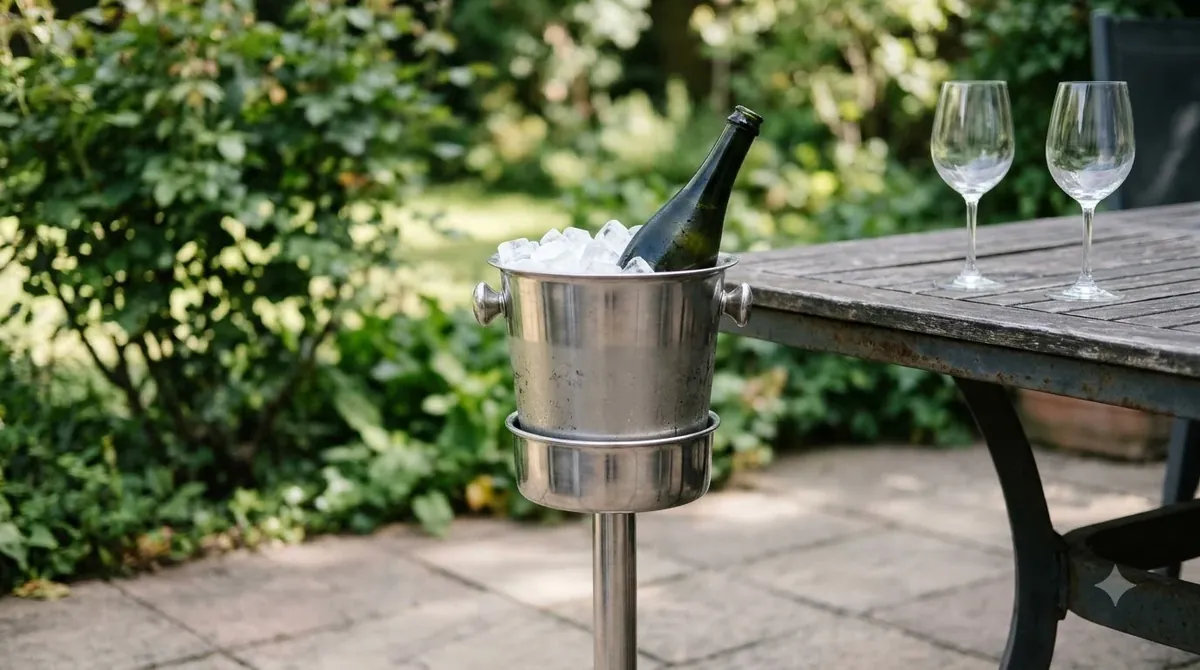
Why it stands out: A double-wall design keeps the outer surface from sweating, which helps on a warm patio or at a picnic table. Acrylic tumblers avoid the risk of broken glass near a pool or on a boat, and they are light enough to carry in a bag with snacks.
Keep in mind: Insulated metal tumblers hide the color of the wine, so you will judge a pour by feel rather than sight. Acrylic can scratch over time, and some cloudy finishes may show marks from cleaning.
Best for: Patio dinners, pool days, picnics, and camping trips where breakage is a bigger concern than appearance.
Best for travel and commuting
A lidded tumbler is the right tool when wine goes somewhere in a bag. The lid protects against spills, and a sealing design reduces the chance of a leak in a backpack or carry-on, though no lid stops every spill when a bag is tipped on its side.
Why it stands out: Lidded tumblers keep the glass upright in a bag and make it easy to carry to a concert, a sports event, or a friend’s home. Many are made from double-wall metal, which keeps a pour cooler over a longer stretch of the trip.
Keep in mind: A lid adds parts that need cleaning, and some lids change the way you sip. Check whether the lid can be taken apart fully, because trapped liquid is the most common source of odor.
Best for: People who carry wine to events, take it on short trips, or want one tumbler for the car and the office.
Best for keeping wine cool
Temperature is one of the biggest reasons people reach for a tumbler over a glass. Red wine is usually served slightly cooler than room temperature, and white and sparkling wines need more chill. A tumbler that holds a cold pour longer makes a real difference on a warm afternoon.
Why it stands out: Double-wall insulation slows the rate at which the wine warms, and the wider outer shell can be chilled before use. This makes the tumbler useful for white wine on a summer deck or a rosé in the sun.
Keep in mind: Insulation does not turn warm wine cold. Chill the wine first, then pour into a tumbler that has also been cooled, and avoid leaving it in direct sunlight.
Best for: White wine, rosé, and sparkling wine drinkers who spend long periods outdoors.
Best for a budget-friendly starter set
If you are buying for a shared home or a gift, a simple set of basic tumblers covers most needs without an expensive investment. The goal is a set that works for guests, washes easily, and can be replaced without regret if a glass breaks.
Why it stands out: Basic tumblers are light on the budget and simple in design, with fewer parts to lose. A set of four or six lets everyone at the table have a glass without washing as you go.
Keep in mind: Lower-cost tumblers often have thinner walls and less consistent finishes. Look for even thickness and a stable base, since a wobbly bottom is the first sign of a poor product.
Best for: First-time buyers, housewarming gifts, and households that want several identical glasses.
How to Choose
Start with where you will drink. The table below lists the questions that matter most, along with the answer that usually points to a particular type.
| Question | If yes or mostly | Look for |
|---|---|---|
| Do you drink outdoors or near water? | Shatter-resistant or double-wall metal | A sturdy base and a lid if you carry it |
| Do you want to see the wine’s color? | Clear glass | Thin, even walls and a smooth rim |
| Will the tumbler ride in a bag? | Lidded travel design | A lid that seals and comes apart for cleaning |
| Do you serve chilled white or sparkling wine? | Double-wall insulation | A design that can be chilled before the pour |
| Is this for a gift or a shared home? | A matched basic set | Stable bases and consistent sizing |
Tip: Hand-wash any tumbler with a lid or insulated lining, and dry it upside down with the lid off. This prevents trapped moisture, which is the usual reason lidded tumblers start to smell.
Capacity is also worth checking against your habits. A tumbler that holds more than a standard pour can encourage larger servings, which matters if you are tracking how much you drink. For a quick reference on how much wine a bottle holds, see how many glasses are in a bottle of wine, which helps you plan for guests and pick the right set size.
Frequently Asked Questions
Are stemless wine tumblers as good as stemmed glasses?
They serve the same purpose in different ways. Stemless glasses are sturdier and easier to carry, and the wide bowl still lets you swirl and smell the wine. Stemmed glasses keep your hand away from the bowl, which many people prefer for keeping white wine cold and red wine at a steady temperature.
Can I put a stemless wine tumbler in the dishwasher?
Check the maker’s instructions first. Many glass tumblers are dishwasher safe, but insulated metal and lidded designs often need hand washing to protect the seal and any coating. Dry the tumbler fully before storing it to prevent odor.
What size stemless tumbler should I buy?
Pick a size that matches the pour you actually want. A smaller tumbler is easier to finish before the wine warms, while a larger one suits slow sipping outdoors. Sizes are not standardized across brands, so compare capacity in the product details rather than relying on the product name.
Do insulated tumblers keep wine cold for the whole evening?
They slow warming rather than stopping it. Chill the wine and the tumbler before pouring, keep the glass out of direct sun, and refill with cold wine if it is a long gathering. Insulation works best when it starts cold.
A good stemless tumbler is one you reach for without thinking. Start with the setting where you drink most often, then choose the material and lid to fit it. If you want to see more accessories that pair well with wine service, the Accessories Library groups related gear by use. For a lid-focused option, see wine tumblers with a lid.
More in Wine Accessories
 Coravin Vs Vacu Vin: Choose the Right Wine Saver for Your BottlesUpdated Nov 21, 2026
 Zwilling Wine Stopper Review: Preserve Open Bottles LongerUpdated Nov 21, 2026
 Wine Enthusiast Wine Preserver Review: Features, Benefits and LimitationsUpdated Nov 21, 2026
 Wine Enthusiast Wine Stopper: An Easier Way to Reseal Open BottlesUpdated Nov 21, 2026
 Vintorio Wine Opener: Two-Step Cork RemovalUpdated Nov 21, 2026
 Zwilling Wine Aerator Review: Aerate, Pour, and Seal With One ToolUpdated Nov 21, 2026