

We may earn a commission when you buy through links on this page, at no extra cost to you. Learn more.
The best wine cooler under 1000 is usually a single-zone compressor cabinet sized to your bottle count, because it holds a steady temperature in ordinary room conditions and has enough shelf space for a growing collection. Thermoelectric units are quieter and cost less to buy, but they depend on room temperature and fluctuate more, so they suit short-term storage. Choose by capacity, cooling type, and where the unit will sit, and check that the wine zone holds the temperature range recommended for storage.
Shoppers who search for a wine cooler in this price range usually want one of two things: a unit that keeps a working collection at the right temperature, or a quiet appliance for a living room, bedroom, or office. The category is wide, and the cheapest model is not always the best fit. This guide explains the main types, what each one does well, and the questions to ask before you buy.
Quick Comparison
Wine coolers in this range come in a few main types. The table compares them by cooling method, typical capacity, noise, and where each one tends to be used.
| Cooler Type | Cooling Method | Relative Capacity | Noise Level | Best Placement |
|---|---|---|---|---|
| Thermoelectric countertop cooler | Solid-state heat pump | Smallest | Very quiet | Bedrooms, offices, living rooms |
| Compact compressor cooler | Compressor | Small to medium | Low hum when running | Kitchens and home bars |
| Single-zone freestanding cabinet | Compressor | Largest | Moderate | Dining rooms and basements |
| Under-counter cooler | Compressor | Medium | Moderate | Built-in kitchen runs |
| Dual-zone cabinet | Compressor | Medium to large | Moderate | Entertaining spaces |
Capacity varies widely from model to model, so compare the listed bottle count of each product against the bottles you own. Wider sparkling wine bottles take more room than standard Bordeaux bottles, so a rated count can be lower in practice.
Best Wine Fridge Under 1000 for Quiet Rooms: Thermoelectric Coolers
Thermoelectric coolers use a solid-state Peltier system with no compressor. They are compact, quiet, and suited to rooms where the temperature is steady and not too warm.

Why it stands out: Thermoelectric units have few moving parts, which means little noise and almost no vibration. According to the Wikipedia article on thermoelectric cooling, the lack of moving parts is a major advantage, along with compact size and the ability to work in different orientations. For a bedroom, office, or living room, this is often the main reason to choose one.
Keep in mind and best for: Thermoelectric cooling is less efficient than compression systems, and it can only cool so far below the room temperature. Wine Folly notes that thermoelectric coolers can fluctuate too much for multi-year cellaring, even though they work for short-term storage. Keep the unit away from heat sources, and expect the wine zone to run warmer in a hot room. This style suits short-term storage and quiet spaces.
Best for a Working Home Collection: Compact Compressor Coolers
Compact compressor coolers use a refrigerant system to hold a steady temperature, even when the room is warmer. They are a good fit for a kitchen or home bar where the unit runs most of the day.
Why it stands out: A compressor keeps the interior closer to the set temperature when the room warms up, which is the main advantage over thermoelectric models. Many compact units have adjustable shelves and a door with a seal that keeps the cold air in. For a collection that is rotated often, this is the most practical type.
Keep in mind and best for: Compressors make a low hum when they cycle, and the cabinet is heavier than a thermoelectric unit of the same size. Leave the rear and sides clear so the unit can vent heat. This style suits a kitchen, a home bar, or anyone who wants a dependable everyday cooler.
Best for Long-Term Storage in Ordinary Rooms: Single-Zone Freestanding Cabinets
Single-zone freestanding cabinets hold a larger number of bottles at one set temperature. They are built for people who keep wine for months rather than weeks.
Why it stands out: A larger single zone gives the wine a steadier environment, because the cabinet holds more cold air and the door opens less often in relation to the stored volume. The cabinet also suits a dining room or a basement where the wine is kept as a collection.
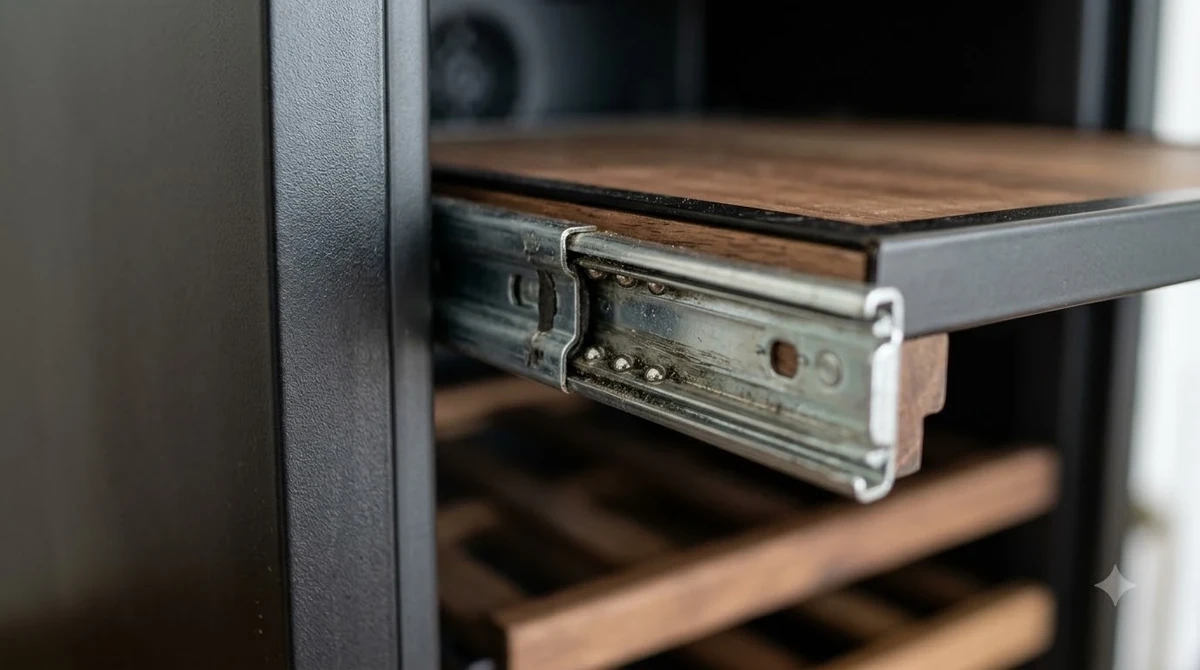
Keep in mind and best for: Larger cabinets take up more floor space and need a stable floor. The wine zone should still be checked against the storage range for the bottles you plan to keep. The Wikipedia article on wine cellars describes a temperature of about 13 degrees Celsius, or 55 degrees Fahrenheit, as ideal for both short-term storage and long-term aging. This style suits collectors who want one dedicated unit.
Best for Built-In Kitchens: Under-Counter Coolers
Under-counter coolers sit in a cabinet run beneath the counter and are sized to fit standard kitchen spaces. They look cleaner than a freestanding unit and suit a built-in layout.
Why it stands out: An under-counter unit keeps the wine out of the way and frees up the top of the counter. Many are designed with front venting, so they can sit under a counter without being blocked by the cabinets around them. The finish usually matches other built-in appliances.
Keep in mind and best for: Installation requires a plan for ventilation and clearance, and the front vent must not be covered. Under-counter units tend to have a smaller interior than a freestanding cabinet of the same width. This style fits kitchen remodels and homeowners who want the appliance hidden.
Best for Entertaining: Dual-Zone Cabinets
Dual-zone cabinets divide the interior into two sections that can be set to different temperatures. They are a practical choice when you store both red and white wine, or serve sparkling wine and reds at the same time.
Why it stands out: Two zones let you keep reds closer to a warmer serving temperature and whites or sparkling bottles cooler. Each zone has its own shelves, which keeps the bottles organized. For a party or a regular dinner routine, this separation saves time and avoids a cramped fridge.
Keep in mind and best for: Dual-zone cabinets cost more to run than a single compact unit and need more floor space. Check that both zones have enough shelf depth for the bottle shapes you own. This style suits hosts who serve several wine styles.
How to Choose a Wine Cooler Under 1000
Start with the room, the bottle count, and how long you plan to keep the wine. These three answers narrow the field faster than comparing feature lists.
Tip: Keep the cooler out of direct sun and away from ovens or dishwashers. A cooler that sits in a warm spot works harder and holds a steady temperature less reliably.
- Storage range: Wine Folly gives 55 to 59 degrees Fahrenheit with 55 to 75 percent humidity as the ideal storage range, so check whether the wine zone can hold it in your room.
- Cooling type: Thermoelectric units suit quiet, short-term use, while compressor units handle warmer rooms and longer storage.
- Capacity: Count the bottles you own and leave room for growth, since a cooler that is full is harder to use.
- Noise: Thermoelectric models are the quietest choice, and compressor units make a low hum that some people notice at night.
Look at the temperature control as well. A digital display and a set-point control make it easier to hold a steady temperature, while a simple dial can be harder to adjust precisely. Read the manual for the ambient range the cooler is rated to work in.
Frequently Asked Questions
What is the best type of wine cooler for a bedroom?
A thermoelectric countertop cooler is usually the quietest choice, because it has no compressor. Keep it in a room with a steady temperature and away from heat sources, and expect it to run warmer in a hot room.
How many bottles should a wine cooler hold?
Pick a capacity that matches the bottles you own and leave space for more. A cooler packed to the top leaves little air room, which makes it harder to load and unload without disturbing the rest of the bottles.
Is a compressor wine cooler better than a thermoelectric one?
For longer storage in warmer rooms, a compressor unit usually holds temperature more steadily. A thermoelectric cooler is better when quiet operation matters more than long-term stability.
Does a wine cooler need extra ventilation?
Most freestanding and under-counter units need clear space around the vents, usually at the rear or sides. Check the installation guide before placing the cooler against a wall or inside a cabinet.
A wine cooler under 1000 can serve a quiet bedroom, a busy kitchen, or a dedicated collection, depending on the type you choose. Compare the options above against your room and bottle count, and if you want a smaller budget option, see the guides on wine coolers under 300 and wine fridges under 500 before you decide.
For more on how wine storage conditions work, read the Wine Folly temperature guide, and for how thermoelectric cooling works, the thermoelectric cooling article on Wikipedia.
More in Wine Fridges by Budget
 Best Wine Cooler Under 100 for Chilled PoursUpdated Nov 18, 2026
 Best Wine Cooler Under 200 for Compact Home Wine StorageUpdated Nov 18, 2026
 Best Wine Fridge Under 500: Top Cooler Types for Every Home SetupUpdated Nov 18, 2026
 Best Wine Cooler Under 300 for Reliable Home StorageUpdated Nov 18, 2026
 Best Wine Fridge Black Friday: How to Choose a Unit That FitsUpdated Nov 18, 2026