

We may earn a commission when you buy through links on this page, at no extra cost to you. Learn more.
The best instant wine chiller reviews focus on one question: how quickly does a warm bottle reach a drinkable temperature without a long wait in the freezer or the fridge? Instant chillers fall into a few groups: insert-style chill rods that go into the bottle, pre-frozen sleeves, ice rings that cool the neck, and fast-acting chillers that work with an ice bath. Each one trades some convenience for a different kind of control, so the right pick depends on whether you need speed for one bottle or a quick fix for several at a party.
“Instant” is a word that sells, and reviews often treat it loosely. Some products cool a bottle in minutes, others only keep an already cold bottle from warming up, and a few simply look fast on a product page. Reading reviews for this category means checking what the product does at the start of the process, not just at the end. The sections below group the common options by the situation each one fits best. For a broader look at the product line, see the instant wine chiller guide.
Quick Comparison
Each instant option works in a different way, so the table below compares them on the points that matter most in use: how the wine is cooled, how long the chill lasts, and what kind of prep is needed.
| Type | How it cools | Prep needed | Holds the chill | Watch out for |
|---|---|---|---|---|
| Insert-style chill rod | Chilled rod placed in the bottle | Keep it in the freezer | Short, since the wine warms while you pour | Can dilute or dull flavor if left in too long |
| Pre-frozen sleeve | Cold sleeve wraps the bottle | Freeze the sleeve ahead | Moderate at the table | Needs freezer space and a dry bottle surface |
| Ice ring | Ring around the neck, filled with ice | Freeze or fill with ice | Moderate, mostly chills the upper bottle | Slower on the body of the bottle |
| Rapid electric chiller | Powered cooling for one bottle | Plug in | Only while the unit runs | Needs an outlet and room to vent |
| Ice-bucket method | Bottle in ice and water | Ice and water on hand | As long as ice lasts | Bulky, and labels can soak |
Best for Chilling Quickly Without Waiting: Insert-Style Chill Rods
Insert-style chill rods are the most direct answer to the “instant” promise. The rod goes into the bottle, pulls heat out of the wine, and comes out again. Reviewers like how little space the rod takes in a fridge door or a kitchen drawer, and they like that it works on a bottle that was never planned for cooling.
The trade-off is that the rod can only do so much before the wine starts to lose the sharpness it had when it was cold. Reviews often point out that leaving a rod in too long dulls flavor rather than improving it, so the best routine is short and deliberate. Chill the rod in the freezer, insert it for the time the product’s instructions give, remove it, and pour. Check reviews for mentions of how the rod is cleaned, because a damp rod inside a bottle is easy to forget.
Best for Keeping a Bottle Cold at the Table: Pre-Frozen Sleeves
A pre-frozen sleeve is a useful middle option. You freeze it ahead of time, slide it over the bottle, and the cold surface keeps the wine in its serving range while you pour. Reviews tend to favor sleeves that fit a standard bottle without sliding around, since a loose sleeve loses contact with the glass.
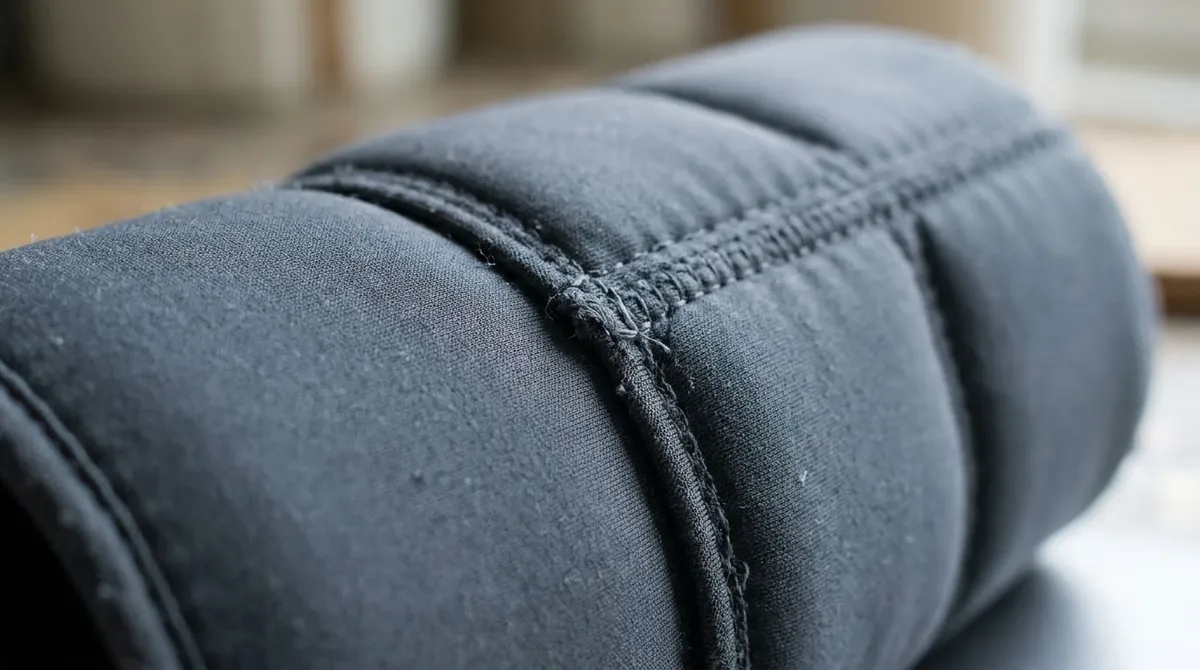
Insulated containers of this kind have a long history. Wikipedia’s wine accessory entry describes the glacette, a double-walled or insulated container that keeps a chilled bottle cold, as a traditional way to hold a chilled wine at the table. A pre-frozen sleeve works on the same principle, with a frozen layer doing the work instead of a container of ice.
Best for a Fast Chill on One Bottle: Rapid Electric Chillers
Rapid electric chillers are the fastest option that does not involve ice. They plug in, cool one bottle, and stop. They suit a bottle that arrived from the store warm, but they need an outlet and enough space for the unit to vent heat, so they are not the right tool for every kitchen.
VinePair’s serving temperature guide gives roughly 40 to 50 degrees Fahrenheit for sparkling wine and 45 to 55 for white and rosé, which sets the target most rapid chillers are measured against. Reviews that report a result should note the starting temperature of the bottle and the target that was reached, because a claim of cooling “fast” means little without them. VinePair’s serving temperature guide is a useful reference for the numbers.
Best for a Quick Ice Ring at the Table: Neck Chillers
Ice rings are shaped to fit around the neck of a bottle. The ring is filled with ice or frozen ahead, and the cold neck pulls warmer wine toward it. Reviews note that this method cools the upper part of the wine first, which makes it handy when you want a glass poured quickly from a bottle that is only slightly warm.
Ice rings do not cool the whole bottle evenly. The body of the wine warms more slowly than the neck, so the ring works best when you rotate the bottle or pour at intervals. Look for a ring that fits the bottle shape you own and that does not slip while the bottle is tilted. A ring with a tight grip is easier to use one-handed at a party.
Best for a Party With Many Bottles: The Ice-Bucket Method
When several bottles need to cool at once, an ice bucket still outperforms most single-bottle gadgets. VinePair notes that a sparkling bottle in an ice bucket for about 30 minutes gives results similar to the freezer shortcut, which makes the bucket a practical default for entertaining. Its advantage is capacity, since one bucket can handle several bottles while the cooling gadgets handle one at a time.
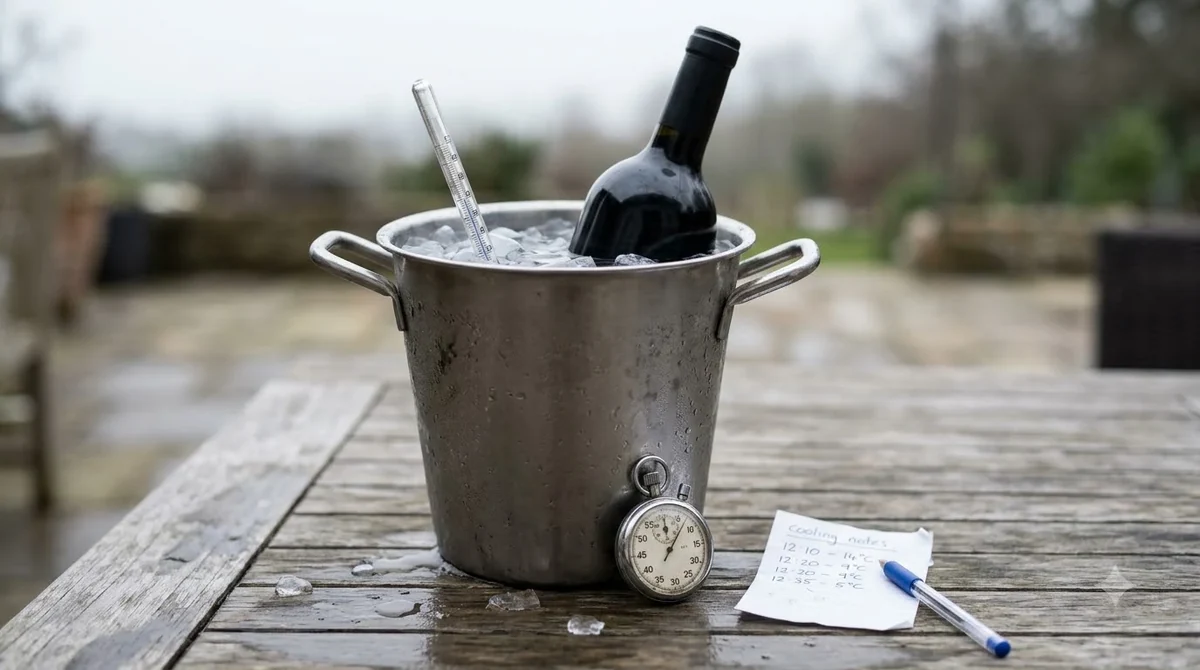
The downside is the mess. Ice water soaks paper labels and makes the table damp, so many hosts keep a towel nearby or wrap the bottle in a cloth. Reviews of insulated buckets often praise designs that hold the water level steadily and lift the bottles out cleanly.
How to Choose an Instant Wine Chiller
Start with the number of bottles you chill at once. One bottle at a time favors a chill rod or a rapid electric unit. A table with several bottles favors an ice bucket. Then consider how much prep you are willing to do. A pre-frozen sleeve needs planning ahead, and a rapid electric chiller needs an outlet. Last, check the bottle shape and size the product is built for, since a rod, ring, or sleeve that fits poorly will not chill evenly.
Tip: Read reviews that describe the starting temperature and the time it took to reach the target. A product that cools a bottle from 75 degrees in a warm kitchen is a different test than one that starts from the fridge. For the single-bottle line, see the best instant wine chiller overview.
Frequently Asked Questions
Do instant wine chillers actually work?
Most of them do, within limits. Each type cools in a different way, and the time it takes depends on the starting temperature of the bottle. Reviews that describe the starting point and the target give a more useful picture than a single claim of speed.
Can I leave a chill rod in the bottle for a long time?
It is better not to. Leaving a rod in too long can over-chill the wine and dull its aromas. Follow the product’s timing guidance and remove the rod before pouring the last glasses.
Is an ice bucket faster than a gadget?
For several bottles, yes. An ice bucket can chill more than one bottle at a time, while most gadgets handle a single bottle. For one bottle that needs to be ready in a hurry, a rapid electric unit or a chill rod may be the quicker choice.
What temperature should I aim for?
VinePair’s serving temperature guide gives roughly 40 to 50 degrees Fahrenheit for sparkling wine and 45 to 55 for white and rosé. Lighter reds sit a little warmer, in the 55 to 60 range.
An instant chiller is most useful when it matches the way you drink. Pick the method that fits your bottle count and your prep time, check reviews for the starting temperature they used, and browse the Accessories Library for other options.
More in Wine Accessories
 Coravin Vs Vacu Vin: Choose the Right Wine Saver for Your BottlesUpdated Nov 21, 2026
 Zwilling Wine Stopper Review: Preserve Open Bottles LongerUpdated Nov 21, 2026
 Wine Enthusiast Wine Preserver Review: Features, Benefits and LimitationsUpdated Nov 21, 2026
 Wine Enthusiast Wine Stopper: An Easier Way to Reseal Open BottlesUpdated Nov 21, 2026
 Vintorio Wine Opener: Two-Step Cork RemovalUpdated Nov 21, 2026
 Zwilling Wine Aerator Review: Aerate, Pour, and Seal With One ToolUpdated Nov 21, 2026