

We may earn a commission when you buy through links on this page, at no extra cost to you. Learn more.
The best wine neck tags are the ones that stay legible, hang securely on the bottle, and suit the setting where guests will see them. Printed cards work for events with many bottles, wood and slate suit a home bar, and fabric or metal tags fit gifts. Choose by material, label space, and how the tag attaches to the neck.
A neck tag does a simple job: it tells a guest what is in the bottle without a trip to the back label. At a party, a wedding table, or a shared household cellar, a clear tag saves time and reduces confusion. This guide compares the main tag styles, explains where each one works, and lists the details to check before buying a set.
Quick Comparison of Neck Tag Styles
The table compares common tag styles by material, how they attach, and where they suit best. Use it to narrow the choice, then read the sections that match your setting.
| Style | Material and attachment | Best use | Main trade-off |
|---|---|---|---|
| Printed card tag | Paper or card on a string or loop | Events with many bottles and names | Can curl or fade if left in damp areas |
| Slate or stone tag | Flat stone with a hole, hung on a cord | Home bars and rustic tables | Heavier, and can be hard to write on |
| Wood tag | Wood plate with engraved or printed text | Dining tables and cellar racks | Needs sealing against moisture |
| Metal or charm tag | Small metal plate on a clip or loop | Gifts and wine-lover sets | Less space for detail |
Best for Parties and Wedding Tables
When a table holds several bottles, each one needs a quick identifier that a guest can read from a chair. Printed card tags are the most practical option here, because they can be filled in by hand or printed in bulk and changed between courses.

Why it stands out: card tags are cheap enough to buy in quantity, and they can be prepared in advance. Each card can show the wine type, the grape, and a short note that helps a guest choose. A consistent design also makes the table look planned, which many hosts want for a formal meal.
Keep in mind: paper tags curl or fade if they sit in a damp ice bucket or a warm room. Use a laminated card, or attach the tag above the waterline when a bottle is chilling. Keep the text short, because long notes are hard to read at a glance. A standard 750 mL bottle is the usual size for a party, as the wine bottle article explains, so one tag often covers one bottle on a shared table.
Best for Home Bars and Rustic Tables
A home bar with a relaxed style often looks best with natural materials. Slate and stone tags sit well beside wooden shelves and open bottles, and they can be wiped clean with a damp cloth. They suit a host who wants a tag that feels like part of the room.
Why it stands out: stone and slate are durable, so they survive the bar’s handling and do not warp in humidity. A simple hole and cord let the tag hang from the neck without a clip. The natural surface also avoids the plastic look some printed tags have.
Keep in mind: stone tags are heavier and can tug on a thin neck, so check the weight before hanging one on a delicate bottle. Writing on slate needs a chalk marker or a paint pen, which may rub off over time. Test the marker on the back of the tag before writing the final text.
Best for Cellar Racks and Long-Term Storage
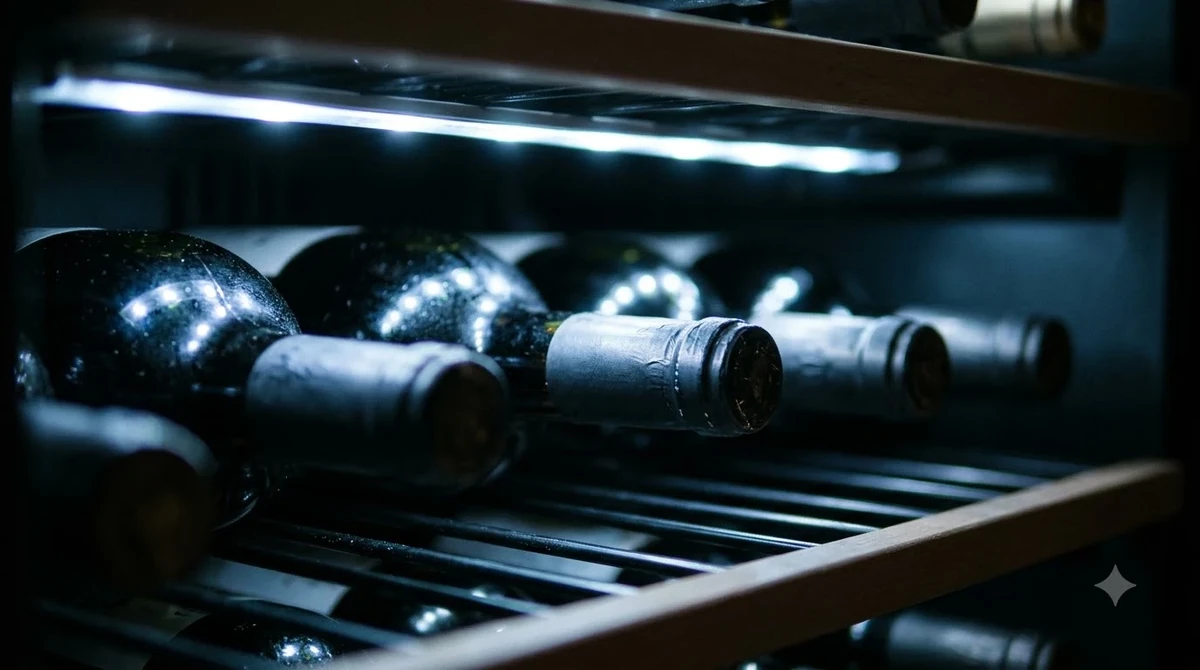
In a cellar or a storage rack, neck tags help you find a bottle without moving the others. Wood tags with engraved or printed text suit this setting, because they sit flat against the neck and stay legible when the rack is viewed from the side.
Why it stands out: a wood tag with a clear vintage or varietal line makes stock easy to scan. Wood also looks at home beside racks and crates. A sealed finish protects the surface from humidity, which keeps the text readable for years.
Keep in mind: wood needs a sealed finish to resist moisture, and untreated wood can swell or stain. Cellars are often cool and damp, so check the tag’s finish before buying a large set. Engraved text lasts longer than printed text on a damp surface.
Best for Gifts and Wine-Lover Sets
A neck tag can make a small gift feel personal. Metal or charm tags with a clip or loop are the most common choice here, because they add a finished detail to a bottle without covering the label. They also suit a bottle wrapped in tissue or placed in a gift box.
Why it stands out: a metal tag is small and light, so it does not change how the bottle sits in a box. It can carry a name, a date, or a short line of thanks. Many recipients keep a tag as a keepsake after the wine is finished.
Keep in mind: a small tag has little space for detail, so keep the wording to a name or a single line. Check that the clip will not scratch a glossy label. Matching the tag to the bottle’s style helps the gift look coordinated rather than busy.
Best for Bulk Events and Multi-Bottle Orders
Caterers, party planners, and hosts with many guests often need a large number of tags on short notice. For this group, the best choice is a simple printed set that can be filled in quickly and reused across events.
Why it stands out: a set with a consistent layout keeps the table tidy, and a quick edit on a printed card is easy to make before the event. A reusable plastic or coated card can be wiped and stored, which reduces waste over several events.
Keep in mind: bulk sets can look generic if the design is too plain, so add a single accent colour or a small border. Check how the tag fastens, because a loose loop can slip off a bottle neck during service.
How to Choose the Right Neck Tag
Most neck tag problems come from ignoring the setting. Check these points before you order.
- Setting: match the material to the room, whether it is a party, a bar, a cellar, or a gift.
- Label space: confirm there is room for the wine name, type, and any short note you want to add.
- Attachment: loops and cords suit most bottles, while clips suit gifts and smooth necks.
- Weight: a light tag stays on a thin neck, while a heavy stone tag may pull.
- Durability: sealed wood, coated cards, and stone resist damp better than plain paper.
Frequently Asked Questions
What is the best material for wine neck tags?
It depends on the setting. Printed cards suit events, slate or wood suit a home bar, and metal charms suit gifts. Choose a material that stays readable in the room where the bottles will sit.
Can neck tags go on bottles in an ice bucket?
Paper tags are likely to soften in water, so attach them above the waterline or use a coated or stone tag. Check the tag after the bottle comes out of the bucket and dry it before it goes back on the table.
Do neck tags cover the label on a bottle?
A well-placed tag hangs from the neck and leaves the front label visible. Avoid clips that press against the label, and choose a loop or cord that sits on the bottle’s shoulder or neck instead.
How do I write on a neck tag without smudging?
Use a marker that suits the surface, such as a paint pen on slate or a permanent marker on coated card. Test the marker on the back first, let it dry fully, and then handle the tag gently.
A neck tag is a small detail with a real job: it tells guests what they are pouring without a search. Decide where the bottles will sit, choose the material that suits that setting, and check the attachment before you buy. For more wine-table planning, see the wine bottle tags guide, or work out pour counts with how many glasses in a bottle of wine. Browsing the Accessories Library is also a good way to compare tags beside other table tools.
More in Wine Accessories
 Coravin Vs Vacu Vin: Choose the Right Wine Saver for Your BottlesUpdated Nov 21, 2026
 Zwilling Wine Stopper Review: Preserve Open Bottles LongerUpdated Nov 21, 2026
 Wine Enthusiast Wine Preserver Review: Features, Benefits and LimitationsUpdated Nov 21, 2026
 Wine Enthusiast Wine Stopper: An Easier Way to Reseal Open BottlesUpdated Nov 21, 2026
 Vintorio Wine Opener: Two-Step Cork RemovalUpdated Nov 21, 2026
 Zwilling Wine Aerator Review: Aerate, Pour, and Seal With One ToolUpdated Nov 21, 2026