

We may earn a commission when you buy through links on this page, at no extra cost to you. Learn more.
The best sulfite remover is a product that matches how you drink: a pour-through filter for a bottle you open at home, a pad or sachet that sits in the glass, or a pump-style aerator for quick service. Sulfites occur naturally in all wines and are added by winemakers to stop fermentation and guard against spoilage, so no product removes them completely. Each sulfite remover uses a different method, and independent evidence on how much any of them lowers sulfite levels is limited, so read the product claims with care before you buy.
Sulfites are one of the most searched topics about wine, and the market for removers has grown alongside that interest. Shoppers look for these products for different reasons, from wanting a smoother-tasting glass to hoping to avoid a headache after a dinner party. The sections below compare the main styles, explain what the source material says about sulfites, and offer a practical way to choose.
Quick Comparison
Sulfite removers fall into a few broad groups. They differ in how they work, how much wine they handle, and how easy they are to use at the table.
| Remover Style | How It Is Used | Best For | Main Limitation | Ease of Use |
|---|---|---|---|---|
| Pour-through filter | Wine passes through a filter as it is poured | Single glasses at home | Slows the pour and needs a clean filter | Simple |
| Sachet or pad | Placed in the bottle or decanter for a set time | Decanted or opened bottles | Needs time to work and a sealed container | Very simple |
| Pump-style aerator | Wine is drawn through a built-in filter | Quick service for a single glass | Limited to the amount the pump draws | Easy with practice |
| Wine stopper with filter | Filter sits in the neck of the bottle | Preserving leftover wine | Works on the wine that is poured after the filter | Easy |
| Tabletop decanter with filter | Wine is poured into a filtered decanter | Dinners and tastings | Takes up space and needs cleaning | Moderate |
Best for Single Glasses at Home: Pour-Through Filters
Pour-through filters sit over a glass or pitcher, and the wine passes through a filter cartridge as it is poured. They are the most familiar type of sulfite remover, and they work well when you want to pour one glass at a time.
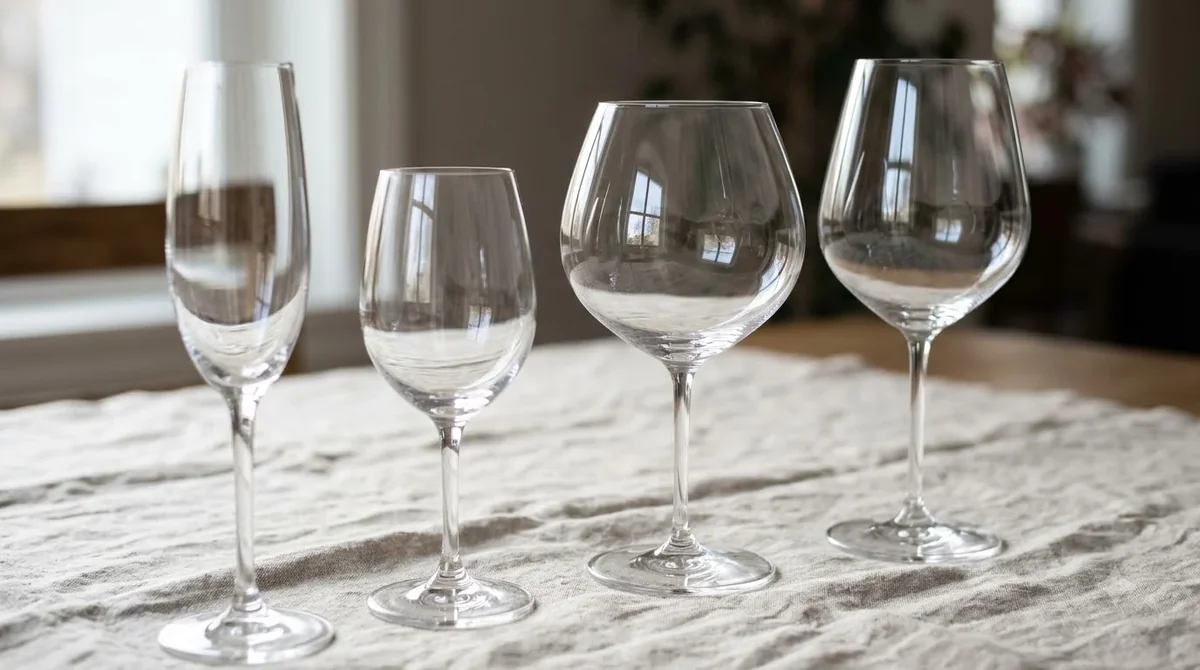
Why it stands out: A pour-through filter is simple to use, needs no power, and lets you decide when to filter. Most designs are easy to clean, and the cartridge can be replaced when it is spent. For someone who drinks a glass or two at a time, this style fits the way they already serve wine.
Keep in mind and best for: The filter adds time to every pour, and the cartridge will need replacing according to the maker’s instructions. Product descriptions often describe the filter as reducing sulfites, but the independent evidence on how much this lowers sulfite levels is limited. The Wikipedia article on sulfites does not discuss removal products, so check independent tests before relying on any claim. This style suits people who pour single glasses and value convenience over speed.
Best for Opened Bottles and Decanting: Sachets and Pads
Sachets and pads are small packets that sit in a bottle or decanter for a set period. They are designed for wine that is already opened or moved into a container before serving.
Why it stands out: Sachets are very simple. You place the packet in the wine, wait for the time listed on the packaging, and remove it before serving. They need no equipment and take up almost no space, which makes them easy to keep in a kitchen drawer or bar kit.

Keep in mind and best for: Sachets work on the wine in the container, so they are most useful for bottles you plan to decant or serve in a carafe. The timing matters, and leaving a sachet in too long can change the flavor of the wine. Packaging claims about sulfite reduction are often not backed by independent testing, so treat them as the maker’s own statement. This style suits people who decant regularly or who want a simple option for a dinner party.
Best for Quick Service: Pump-Style Aerators With Filters
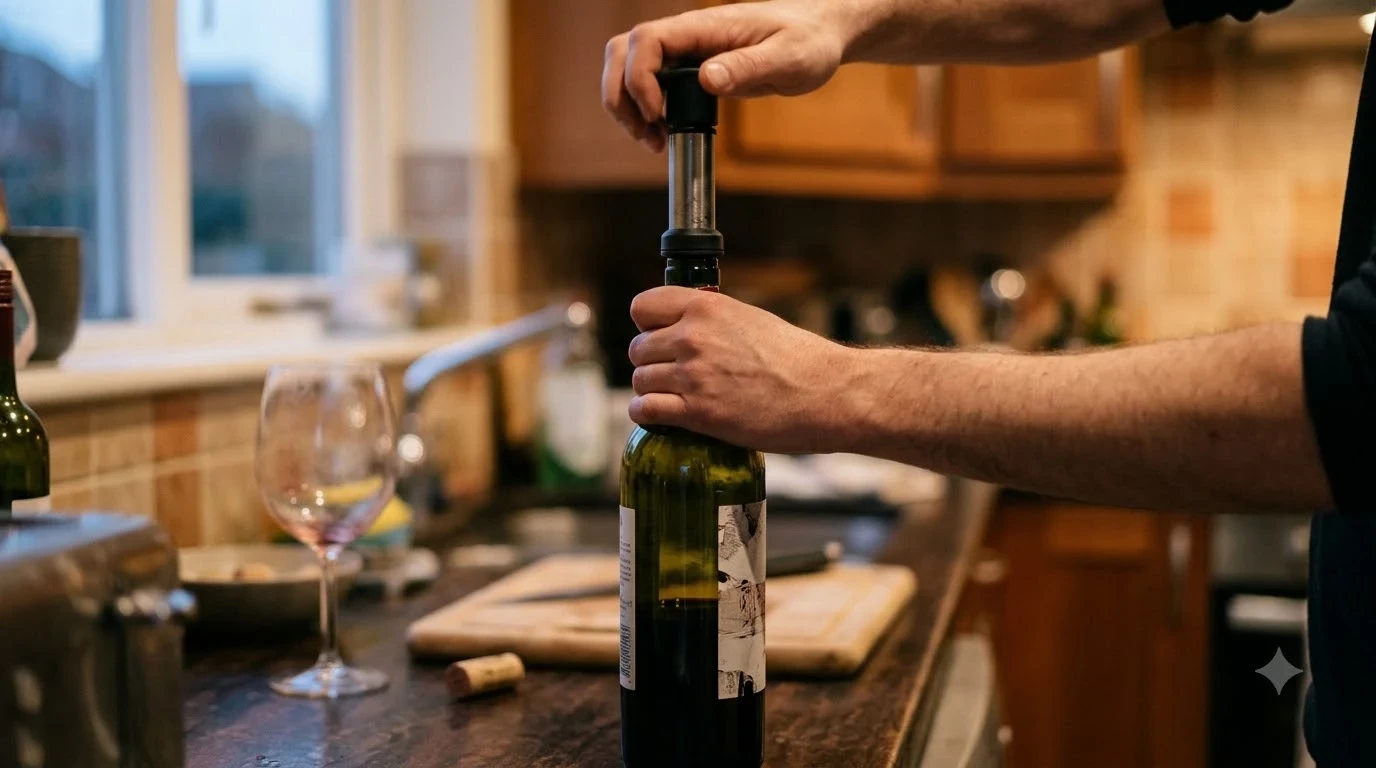
Pump-style aerators draw wine through a built-in filter as you pour. They combine two tasks in one tool, aerating and filtering, and they are popular at tastings and parties.
Why it stands out: A pump-style tool is fast and works without waiting. It also aerates the wine as it passes through, which many drinkers find pleasant for young reds. Because the tool is portable, it can be used at a table, in a kitchen, or at a picnic.
Keep in mind and best for: The filter is part of the mechanism, so it needs regular replacement, and the pump only handles the amount it can draw. Aeration changes the taste of some wines, so the result is a matter of preference as well as chemistry. This style fits hosts who serve many glasses and want a quick, portable option.
Best for Leftover Wine: Stoppers With Built-In Filters
Wine stoppers with filters sit in the neck of an open bottle. Their job is to limit air contact and, in some designs, to filter wine poured after the stopper is in place.
Why it stands out: A stopper is a tidy way to keep an opened bottle in the fridge for a day or two without a second container. Some designs add a filter, which means the wine is passed through one more step each time it is poured. The stopper also stays in the bottle, so it is ready for the next glass.
Keep in mind and best for: The stopper cannot remove the sulfites already present in the wine, and any filtering effect applies only to the wine that passes through the filter. Preserving wine with a stopper is different from filtering it, and the two claims should not be confused. This style suits households that open a bottle for one or two glasses and want to keep the rest.
Best for Dinners and Tastings: Filtered Tabletop Decanters
Filtered tabletop decanters pour wine through a filter into a serving vessel. They are a centerpiece for a meal and can hold a full bottle of wine at once.
Why it stands out: A decanter lets you filter a whole bottle at once and serve the wine from one container. It also gives the wine time to open up before serving, which many people enjoy. Decanters are a common gift and suit a formal table.
Keep in mind and best for: A filtered decanter takes up counter or table space and needs careful cleaning, especially around the filter. The filter has to be replaced on a schedule, and the claims about it should be checked against the maker’s own specifications. This style fits people who entertain often and want a presentation as well as a filter.
What Sulfites Are and Why They Matter
Sulfites are compounds containing the sulfite ion. They occur naturally in some foods and in the human body, and they are also used as food additives. In wine, they come from two sources: the small amount that forms during fermentation and the amount winemakers add.
Note: In the United States, wines with more than 10 ppm of sulfites must carry a sulfite label, and the EU and UK have similar rules.
Winemakers add sulfites to stop fermentation at a chosen point and to protect wine from bacteria, spoilage, and oxidation. White wines generally contain more sulfites than red wines, and sweeter wines contain more than drier ones. Organic wines are not necessarily sulfite-free, but they generally contain lower amounts.
Sulfite sensitivity is a separate topic. According to the Wikipedia article on sulfites, reactions are rare in the general population and are more common in people with hypersensitivity. Asthmatics, and possibly people sensitive to salicylates or aspirin, face higher risk. Wine labels in the United States show the sulfite statement, which is the simplest place to check.
How to Choose a Sulfite Remover
Start with how you drink wine. A single-glass filter suits one-off pours, a sachet suits decanting, and a decanter suits a dinner. Matching the tool to the routine is more useful than chasing a bigger claim.
Tip: Ask for independent test results, not only marketing claims. A product that names the method and the test conditions is easier to evaluate than one that describes results in general terms.
- Method: Filters, sachets, pumps, and stoppers each work in a different way, so match the method to how you serve.
- Replacement cost: Cartridges and filters need replacing, so check the cost of refills before you buy.
- Cleaning: Filters and decanters need regular cleaning to keep the wine tasting clean.
- Claims: Read the evidence behind any sulfite-reduction claim, and treat unsupported marketing with caution.
Frequently Asked Questions
Can a sulfite remover take all the sulfites out of wine?
No product removes every sulfite, because sulfites occur naturally in all wines to some degree. Any remover can only reduce the amount, and the level of reduction depends on the product and how it is used.
Do sulfite removers change the taste of wine?
They can. Filtering and aerating both affect how a wine tastes and smells, so some people notice a change and others do not. Try a sample of the same wine with and without the remover before deciding.
Is it the sulfites that cause wine headaches?
Sulfites are one of several possible factors, and the evidence on wine headaches is not settled. The Wikipedia sulfite article notes that reactions are seldom true allergies, so a remover is not a guaranteed fix for every case.
Should I buy a sulfite remover or choose a low-sulfite wine instead?
Both are options. Low-sulfite wines are made with less added sulfur dioxide, but they still contain some natural sulfites. Compare the wine label and the product claims before deciding which approach fits your needs.
A sulfite remover is a small addition to a wine routine, and the right one depends on how you serve. For related accessories, see the guides on removing wine labels and setting up a bar cart, and for serving sizes, how many glasses are in a bottle of wine.
For background, see the sulfite article on Wikipedia, which covers where sulfites come from, how winemakers use them, and how labeling works.
More in Wine Accessories
 Coravin Vs Vacu Vin: Choose the Right Wine Saver for Your BottlesUpdated Nov 21, 2026
 Zwilling Wine Stopper Review: Preserve Open Bottles LongerUpdated Nov 21, 2026
 Wine Enthusiast Wine Preserver Review: Features, Benefits and LimitationsUpdated Nov 21, 2026
 Wine Enthusiast Wine Stopper: An Easier Way to Reseal Open BottlesUpdated Nov 21, 2026
 Vintorio Wine Opener: Two-Step Cork RemovalUpdated Nov 21, 2026
 Zwilling Wine Aerator Review: Aerate, Pour, and Seal With One ToolUpdated Nov 21, 2026