

We may earn a commission when you buy through links on this page, at no extra cost to you. Learn more.
The best instant wine chiller for most people is a table-top or insert-style unit that cools a single bottle in minutes, while an ice ring or insulated sleeve works for occasional use. Speed, fit with your bottle sizes, and how much cold the device holds after removal decide which model earns a place in your kitchen. The right choice depends on how often you chill wine and how warm your room gets in the summer.
An instant wine chiller is a device that brings a bottle to serving temperature much faster than a refrigerator or freezer. Most designs rely on contact with a cold surface, a cold liquid, or a cold core, and they vary a lot in speed and cost of use. The category includes simple insulated sleeves, ice-filled rings, and electric units that sit beside the bottle. Wikipedia’s article on wine accessories describes several of these types, including table-top units that quickly chill a single bottle using ice or an electric device, which is why they are popular for white, rosé, and sparkling wines served cold. The guide below groups the options by use case so you can match one to your habits.
Quick Comparison
Instant chillers differ mainly in how they cool, how fast they work, and whether they need freezing or electricity. The table compares the main types across the traits that matter most at the table.
| Chiller type | How it cools | Best use |
|---|---|---|
| Table-top electric unit | Powered cooling that chills one bottle at a time | Repeat use at home or in warm rooms |
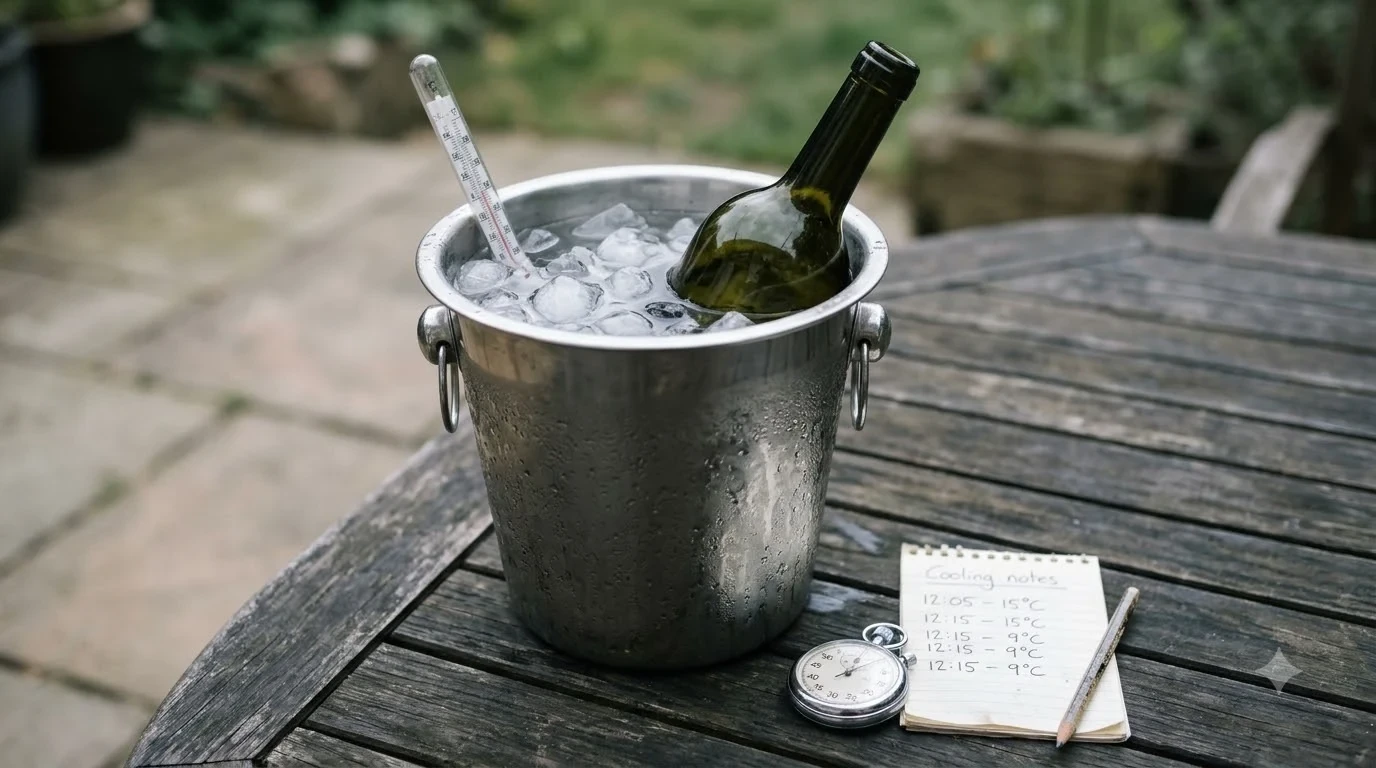
| Ice ring | A ring of ice set around the bottle neck | Quick chilling without power |
| Insulated sleeve or glacette | Pre-frozen insert or double-walled container | Keeping a chilled bottle cold for longer |
| Refrigerator-style chiller | Stores many bottles at set temperatures | Keeping a full stock ready to serve |
Best for Quick Chilling at the Table
A table-top electric unit is the most direct answer when a bottle needs to be cold in a short time.
Table-top units sit beside the bottle and bring it down to serving temperature without a full ice bucket. The Wikipedia wine accessory article notes that these units suit white, rosé, and sparkling wines, which are usually served chilled, and that they are most useful in warmer climates. They are a good match for a host who pours a bottle or two during a dinner and wants to avoid waiting for the freezer.
Check the device’s listed cooling capacity against the bottle sizes you buy. Standard bottles are the most common, but magnums and sparkling bottles can be taller or wider than a typical unit’s opening. Some electric units also have a stated cooling time, which is worth comparing across models before buying.
Best for Occasional Use Without Power
When you want a fast chill without an outlet or battery, an ice ring is a simple choice for everyday bottles.
An ice ring is a band of ice shaped to fit around the bottle’s neck. The Wikipedia article explains that convection draws warmer wine up toward the cold neck, which spreads the chill through the bottle more evenly than a single cold spot would. Rings are inexpensive to use and need only a freezer, but they cool more slowly than an electric unit and melt as they work.
Because the ring sits on the neck rather than the body of the bottle, it works best with bottles that have a standard neck shape. Keep a spare ring in the freezer so you can switch bottles during a long meal without waiting.
Best for Keeping a Bottle Cold Between Pours
Insulated sleeves and double-walled containers help when a bottle needs to stay cold while people take their time.
A glacette, the insulated container described in the Wikipedia article, holds a bottle in a double-walled cylinder that retains cold once the bottle is removed from the freezer or ice. These sleeves are useful for picnics, patios, and long dinners where the bottle sits out for an hour or more. They do not cool a warm bottle quickly on their own, so pair them with a pre-frozen insert or a short chill before serving.
Look for a sleeve that fits your bottle diameter snugly. A loose sleeve lets warm air in around the glass and reduces the time the bottle stays cold. A sleeve that is too tight can be hard to slide on and off, which becomes a problem when the bottle is wet.
Best for Stocking a Full Collection
Hosts who keep many bottles ready to serve need a refrigerator-style chiller or a dedicated wine fridge rather than a single-bottle device.
Refrigerator-style units store dozens of bottles at set temperatures, and some have two zones for different wine styles. The Wikipedia article notes that some use a thermostat and some use Peltier cooling. These units are not instant in the same way as a table-top device, but they keep many bottles ready at the right temperature, which removes the need to chill each bottle one at a time.
If you plan to store bottles for longer periods, a compressor-based unit with a steady setpoint is usually better than a small instant device. For a related look at fridge options, see the guide to marble wine chillers for a different style of chiller to compare.
Best for Warm Climates and Outdoor Hosting
Heat speeds up warming, so chillers that work quickly and hold their cold matter most in hot rooms and outdoor settings.
In warm weather, a bottle warms in minutes once it leaves a cold spot. A chiller that brings the wine down quickly and an insulated sleeve that slows the warm-up both help. Table-top electric units are the most practical for an outdoor table because they need only a power source, and insulated sleeves work well on a patio if the bottle is pre-chilled.
Plan to keep extra bottles in a cooler or in shade rather than on a sunny table. Once a bottle is served, returning it to the chiller keeps the rest of the bottle cold for the next pour.
How to Choose
An instant chiller should fit how often you chill wine, the bottle sizes you buy, and whether you have power at the serving spot. The table below lists what to compare.
| Criterion | What to check | Why it matters |
|---|---|---|
| Speed | Stated cooling time or how quickly it works in practice | Decides whether you can chill a bottle before a meal |
| Bottle fit | Opening width and height for standard and sparkling bottles | Prevents a bottle from being too large or too small |
| Power | Electric, battery, or no power needed | Determines where you can use the device |
| Hold time | How long the bottle stays cold after removal | Matters for outdoor and long meals |
| Cleaning and storage | Removable parts and how the device stores | Affects daily use and kitchen space |
Tip: Chill a bottle in the fridge for an hour first, then finish it with an instant device. The combination is quicker than either method alone.
Frequently Asked Questions
How fast does an instant wine chiller work?
Speed depends on the type and the starting temperature of the bottle. Electric table-top units are the fastest for a single bottle, while ice rings and sleeves need more time. Check the product’s stated cooling time and test it with a bottle you already own.
Can I use an ice ring with any bottle?
Ice rings are designed around the bottle neck, so they fit most standard bottles. Very wide or unusually shaped bottles may not hold the ring securely. Check the ring’s diameter against the bottle before relying on it at dinner.
Is a freezer a substitute for an instant chiller?
A freezer can chill a bottle but needs careful timing, since a bottle left too long can freeze or burst. An instant chiller gives more control over the final temperature and removes the risk of forgetting the bottle.
Do insulated sleeves cool wine or only keep it cold?
Most insulated sleeves are better at holding cold than creating it. Pre-freezing the insert or chilling the bottle first makes the sleeve far more effective, and the sleeve then slows the warm-up once the bottle is served.
The best instant wine chiller is the one that matches your habits. A table-top electric unit suits frequent hosting, an ice ring covers quick chilling without power, and a sleeve keeps a bottle cold outdoors. Compare speed, bottle fit, and power needs, then check the product details before buying. For more options across the accessories category, the accessories library lists related tools for serving wine at home.
More in Wine Accessories
 Coravin Vs Vacu Vin: Choose the Right Wine Saver for Your BottlesUpdated Nov 21, 2026
 Zwilling Wine Stopper Review: Preserve Open Bottles LongerUpdated Nov 21, 2026
 Wine Enthusiast Wine Preserver Review: Features, Benefits and LimitationsUpdated Nov 21, 2026
 Wine Enthusiast Wine Stopper: An Easier Way to Reseal Open BottlesUpdated Nov 21, 2026
 Vintorio Wine Opener: Two-Step Cork RemovalUpdated Nov 21, 2026
 Zwilling Wine Aerator Review: Aerate, Pour, and Seal With One ToolUpdated Nov 21, 2026