


We may earn a commission when you buy through links on this page, at no extra cost to you. Learn more.
The best cheap wine filter for most people is a simple hand-held pour-through aerator or a funnel with a fine mesh screen, because both are inexpensive, need no power, and handle the two jobs most drinkers care about: adding a little air to the wine and catching small bits of sediment before they reach the glass. Readers who mainly decant older bottles will get more use from a mesh funnel, while those who open young reds on weeknights will likely prefer a pour-through aerator. The right choice depends on what the bottle is doing in the glass, not on finding the lowest-cost gadget.
Wine filters and related pourers sit in a small, crowded category. Some are really aerators that mix air into the stream, some are funnels that trap natural deposits, and a few are sold as all-in-one tools that do both. Searching for a wine filter at a low price can be confusing because the names overlap, so it helps to know what each device is designed to do before comparing models.
Quick Comparison
The table below compares the main categories by what they do, how they are used, and where they fall short. It describes device types rather than brands, so you can decide which function you need first and then look for a model that fits your budget and bottle habits.
| Device Type | Main Function | How It Is Used | Main Limitation | Best Suited To |
|---|---|---|---|---|
| Hand-held pour-through aerator | Adds air as the wine is poured | Held over the glass during the pour | Can feel harsh to some tasters on delicate wines | Quick weeknight pours |
| Decanter-neck aerator | Agitates wine as it enters the decanter | Set in the neck of a decanter | Requires a decanter | Owners who already decant |
| Single-glass aerator | Aerates while pouring from a boxed or sealed bottle | Fits over one glass at a time | Works with a limited set of formats | Boxed wine drinkers |
| Mesh decanting funnel | Traps sediment while decanting | Placed in the decanter opening | Does not add air on its own | Older reds with deposits |
Best for Decanting Older Reds: Mesh Funnels That Catch Sediment
A mesh funnel sits in the mouth of a decanter while you pour the wine through it. The gauze or mesh is designed to catch natural deposits, the fine solids that can form in older bottles, so they stay behind in the original bottle rather than ending up in your glass.
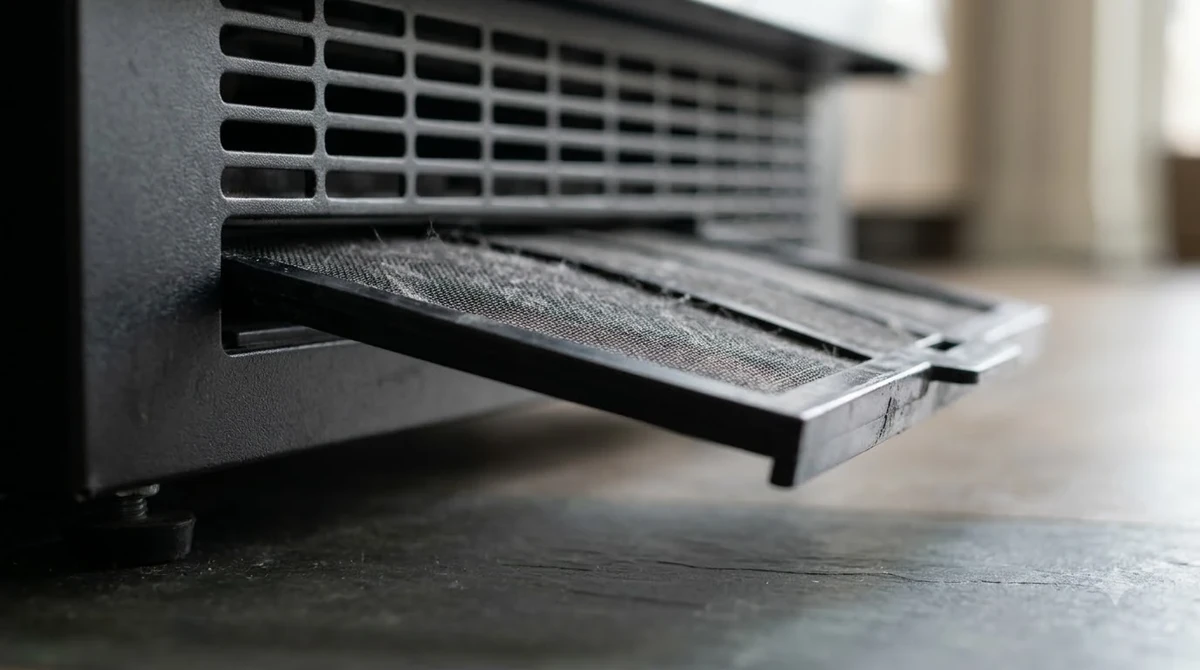
Why it stands out: Older reds are the main reason to use a filter at all. Sediment is a natural result of aging rather than a flaw, and a mesh screen lets you enjoy the clear part of the wine without shaking the bottle first. The Wikipedia article on wine aerators notes that a wine funnel fitted with gauze or mesh traps natural deposits during decanting, and that decanters also help separate sediment from the liquid. A funnel is usually among the least expensive tools in this category, which suits a cheap-minded shopper.
Keep in mind: A funnel does not add air, so it will not replace an aerator if you want a softer, more open young red. The mesh needs rinsing after each use, and fine sediment can clog a tight screen. Best for: people who buy older bottles and want a simple way to keep deposits out of the glass.
Best for Quick Weeknight Pours: Hand-Held Pour-Through Aerators
A hand-held pour-through aerator is the most common device in this group. It sits over the glass while you pour, and the liquid passes through a narrow channel that draws in air as it flows.
Why it stands out: The Wikipedia overview of aerators describes these devices as working through the Venturi effect, where liquid moving through a wide tube that narrows pulls air into the stream. The design is compact and needs no batteries, so it fits easily in a drawer and works with the bottle already on the table. Because aerators became popular among enthusiasts around 2010, many models are now widely sold, which gives shoppers a broad range of options to compare.
Keep in mind: Some tasters consider a strong aeration too harsh for thin-skinned, delicate grapes such as Pinot noir or Gamay. The wine can also taste different from one pour to the next if the aerator is not held at a steady angle. Best for: everyday drinkers who want a fast way to open up a young red without decanting.
Best for Decanter Owners: Decanter-Neck Aerators
Decanter-neck aerators are the oldest style in this category. They are often metal funnels or shaped inserts that fit into the neck of a decanter, so the wine is agitated as it runs down into the vessel.

Why it stands out: For someone who already owns a decanter, this type adds air without an extra tool in the glass. Pouring over the insert mixes the wine with air in the same step that moves it into the decanter, so you do not need a separate hand-held device. Because the insert lives inside the decanter, it stays out of the way during service and does not take up counter space.
Keep in mind: The aerator only works if you already decant, so it adds nothing for people who serve straight from the bottle. Decanting to drive off sulfides and sulfites is still debated, and some experts argue that swirling the wine in the glass is enough. Best for: owners of a decanter who want a simple, built-in way to open up their wine.
Best for Boxed Wine Drinkers: Single-Glass Aerators
Single-glass aerators fit over one glass at a time and are often used with boxed or vacuum-sealed wine. Some have adjustable spouts so they can fit different glass sizes, which helps when a household uses mixed glassware.
Why it stands out: Boxed wine comes in formats that do not pour as easily as a standard bottle, and a single-glass aerator gives a clean, controlled stream into each glass. Because the device works on one glass at a time, it lets each person decide how much air they want. For a household that drinks a bag-in-box or a vacuum-sealed bottle regularly, this can be the simplest way to get more from the wine.
Keep in mind: Single-glass aerators are tied to specific packaging and pour styles, so they are less flexible than a hand-held model for regular bottles. Check that the spout fits your glassware before buying. Best for: households that drink boxed wine and want a tidy pour for each guest.
Best for Households That Want One Tool for Several Jobs: Combined Pour and Sediment Sets
Some kits pair a pour-through aerator with a small mesh screen or a funnel, so one set covers both air and sediment. These bundles are sold as complete wine accessories and suit people who prefer to keep their tools in one place.
Why it stands out: A combined set reduces the number of separate gadgets in a kitchen drawer. The aerating part handles younger wines on a weeknight, and the mesh part is ready when a bottle of older red needs to be decanted. For a gift or a starter kit, a bundled set makes the purpose of each piece easy to understand.
Keep in mind: Bundles are only worth it if you will use both functions. Mesh screens need more cleaning than a plain aerator, and some sets include extra parts that go unused. Compare the individual pieces against the bundle to see whether the combination actually saves money. Best for: shoppers who want one kit that covers the common jobs without buying two separate tools.
How to Choose
Start with the wine you drink most often. Young reds and bold whites respond well to a pour-through aerator, while older reds with deposits call for a mesh funnel. If you already own a decanter, a neck aerator may be enough. Boxed wine drinkers should look for single-glass options designed for that format. Matching the tool to the bottle is more useful than comparing features that do not change how the wine tastes.
Next, think about how many glasses you pour in a typical evening. A standard 750-milliliter bottle holds about five glasses at a five-ounce pour, as explained in how many glasses in a bottle of wine. If you open a bottle for one dinner, a fast hand-held aerator works well. If you serve a whole bottle over several evenings, a funnel or decanter tool may matter more. A cheap bar cart is a practical place to store these tools so they are within reach at serving time.
Tip: Rinse mesh screens and aerator channels right after use. Dried wine residue can change the flow and leave a faint taste the next time you pour.
Frequently Asked Questions
Does a wine filter remove sulfites?
A basic mesh funnel or pour-through aerator does not remove sulfites. The Wikipedia overview of aerators notes that decanting to drive off sulfides and sulfites is controversial, and that swirling in the glass is sometimes considered enough. Check the wine’s label and your own sensitivities rather than relying on a pourer.
Is an aerator the same as a filter?
No. An aerator adds air to the wine as it is poured, which can soften young tannins and open up aromas. A mesh filter or funnel catches solid sediment. Some kits combine both functions, but the two jobs are different.
Can a cheap wine filter damage delicate wine?
Aggressive aeration can mute the aromas of very delicate or older wines, and some tasters consider strong aeration too harsh for thin-skinned grapes such as Pinot noir or Gamay. Using a gentle pour and a moderate flow rate reduces this risk.
Do I need a filter if I already own a decanter?
Not always. A decanter already separates most sediment if you pour slowly and stop before the deposits reach the neck. A decanter-neck aerator or a mesh funnel adds extra control, which helps most with older bottles that have more deposits.
The best choice is the tool that matches the wine you open most often. A mesh funnel protects your glass from older-bottle deposits, a pour-through aerator opens younger reds in seconds, and a decanter or single-glass device covers more specific habits. Choose by the wine first, and the rest of the decision becomes straightforward.
More in Wine Accessories
 Coravin Vs Vacu Vin: Choose the Right Wine Saver for Your BottlesUpdated Nov 21, 2026
 Zwilling Wine Stopper Review: Preserve Open Bottles LongerUpdated Nov 21, 2026
 Wine Enthusiast Wine Preserver Review: Features, Benefits and LimitationsUpdated Nov 21, 2026
 Wine Enthusiast Wine Stopper: An Easier Way to Reseal Open BottlesUpdated Nov 21, 2026
 Vintorio Wine Opener: Two-Step Cork RemovalUpdated Nov 21, 2026
 Zwilling Wine Aerator Review: Aerate, Pour, and Seal With One ToolUpdated Nov 21, 2026