

We may earn a commission when you buy through links on this page, at no extra cost to you. Learn more.
The best wine courses depend on your goal: a short introductory course suits everyday drinkers, a multi-level program suits people who want a recognized credential, and a sommelier track suits anyone planning a career in restaurants or retail. Most adult learners start with basics and move up only if they keep studying. Wine education is widely available, so the right format usually comes down to time, budget, and how formal you want the learning to be.
Wine carries a lot of vocabulary, from tannins and acidity to appellation rules, and a good course gives that vocabulary a framework. This guide compares the main course formats, groups them by what they suit, and lists the questions to ask before you enroll. It also explains where the credentials come from, so you can judge what a certificate actually signals.
Quick Comparison
Course formats differ mainly in how much structure they offer and how much practice tasting you get. Self-paced reading and video suit people who want flexibility. Credential programs ask for more time and usually include examinations. Live tasting classes add the one thing a book cannot provide, which is a group of people tasting the same glasses under a leader who corrects your palate.
| Format | Structure | Tasting practice | Best if you want |
|---|---|---|---|
| Self-study guides and books | Low, you set the pace | Only what you do at home | A low-cost start on the basics |
| Online introductory course | Moderate, lessons and quizzes | Guided tastings at home | A certificate of completion |
| In-person tasting class | Low to moderate, one session or a short series | High, in a controlled group setting | Social learning and side-by-side comparisons |
| Multi-level credential program | High, with exams at each level | High, including examined tastings | A recognized professional standard |
| Sommelier training track | Highest, often years of study and service | Very high | A career in food and beverage service |
Best for Learning the Basics at Home
If you mainly want to understand what is in your glass, a short introductory course or a self-study guide does the job. These programs teach how to look at, swirl, smell, and sip a wine, and they explain the terms that show up on labels and in reviews, such as acidity, tannins, oak, and body. A guide that covers how to tell whether a bottle has gone off is also useful for home drinkers.
The method is simple, and the vocabulary is where most of the value sits. Once you can name what you notice, you can ask a shop assistant for something specific instead of guessing from the front of a label. Beginner programs usually keep lessons short, which helps people finish them.
Look for a course that includes real tasting exercises rather than reading alone. A flight of three wines that differ in one trait, such as oak or sweetness, teaches more than a page of description ever will. Reading the wine courses overview before you buy helps you decide how much structure you need.
Best for Structured Study Toward a Credential
If you want a certificate that other people in the trade recognize, a multi-level program gives you a clear path. The Court of Master Sommeliers is an independent examining body established in 1977, and it offers introductory, certified, advanced, and Master Sommelier levels. The International Sommelier Guild runs a sequence that starts with two Wine Fundamentals levels and ends with a Sommelier Diploma. The Associazione Italiana Sommelier offers a three-level course that leads to a Certified Sommelier qualification.
Credential programs usually combine classes, tasting practice, and exams, and the top levels often ask for professional experience as well. The Wikipedia entry on sommeliers notes that certification often mixes training, experience, and exams, and that a bachelor’s degree is not required. Plan for the study time, not only the tuition, before you commit.
A credential is most useful when you plan to show it to an employer or to a client who wants proof of training. For personal learning, a shorter course often gives the same tasting skills with less pressure.
Best for Tasting Together in a Group
Group tasting classes suit people who learn best by comparing. Many wine schools now offer public tastings, typically in a controlled setting where a leader walks the room through each glass. You taste the same wines as everyone else, so differences in fruit, acidity, or oak become easier to spot.
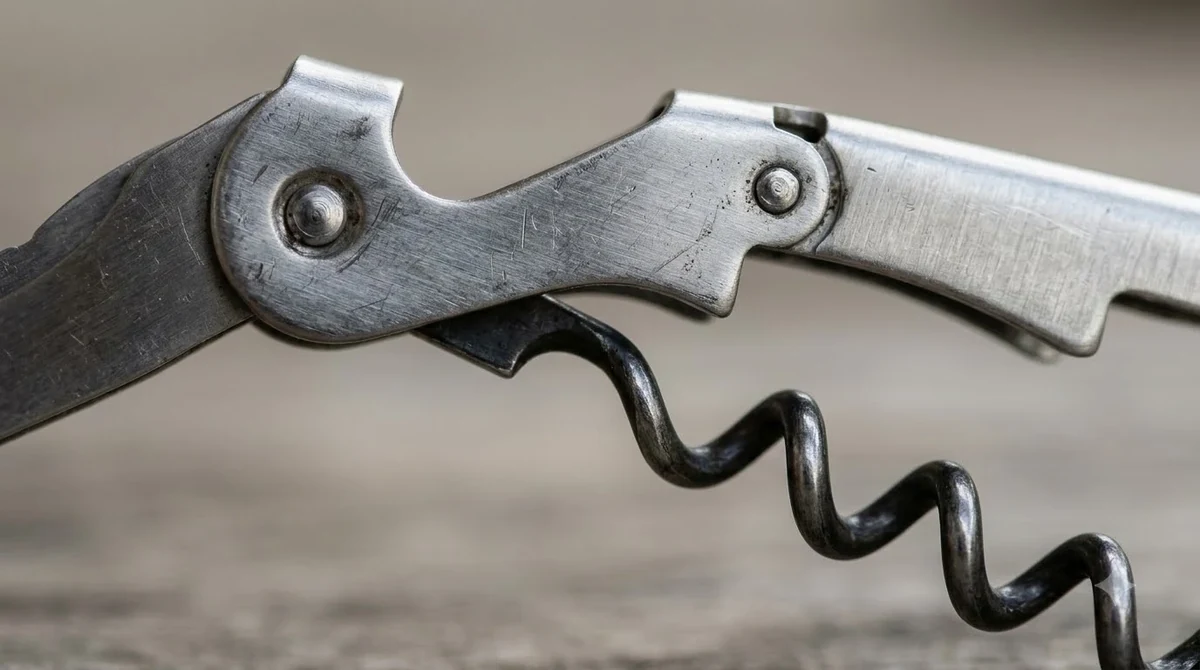
Ask whether the class uses a standard glass. Many tastings use egg-shaped glasses, often called ISO-style, because the shape concentrates aromas near the rim. Bring a small notebook, and note the wine’s color, its nose, and its finish. Writing down what you notice is the fastest way to build a tasting memory. If you want a broader guide to how much a bottle serves at a gathering, the post on how many glasses in a bottle of wine is a good companion read.
Visiting wine regions and wineries also builds tasting skill, as the Wikipedia article on wine tasting points out, so a group class can pair well with a trip. A weekend at a local producer gives you a chance to taste several styles from the same place.
Best for Working Toward a Sommelier Career
For a career in restaurants or retail, sommelier training is the standard route. The Union de la Sommellerie Française, founded in France in 1907, supervises regional associations and offers qualifications that range from a Mention Complémentaire Sommellerie to a Brevet Professionnel de Sommelier. Its top title, Maître Sommelier, requires at least 10 years of professional experience.
The training is demanding because service skill matters as much as tasting. Students learn wine lists, pairing, storage, and the mechanics of pouring for a table. Many programs combine written study with practice in a working kitchen or cellar. Because the path is long, check whether a school offers a clear step-by-step sequence before you pay for the first level.
If you are early in your interest, a short introductory course can confirm that you enjoy the work before you commit years to a sommelier track.
Best for Budget-Minded Self-Study
You do not need a classroom to learn a great deal about wine. E-learning options exist, and some programs offer distance credentials. The Wine Campus, cited in the general reference on wine tasting, offers an Honours Brevet through e-learning. Pair a course with a few tasting sessions at home, using a single bottle from each style you study, and your progress will show quickly.
Self-study works best with a fixed routine. Choose one region or grape per week, taste two bottles side by side, and write down one difference. Keep the notes, because a month later they become your own reference guide. Libraries and local wine shops often host free or low-cost tastings that fit this approach.
The main risk of self-study is drifting. Set a finish date for each module, and treat the course like a class with homework rather than a loose collection of articles.
How to Choose a Course
Start with your goal, then match the format to it. Someone who wants to talk about wine at dinner needs very different training from someone heading into a hospitality career. Use the checklist below to narrow your options before you compare specific programs.
Tip: Ask whether a course includes tasting exercises, how many hours it expects each week, and whether the certificate is recognized outside the school that issues it.
Consider the tasting setup at home as well. A course that asks for a flight of three or four bottles each week will need a regular budget and a place to store opened wine. Basic serving tools help, and the Accessories Library is a good place to see what other home drinkers keep on hand.
Frequently Asked Questions
What is the best wine course for a complete beginner?
A short introductory course with tasting exercises is the simplest starting point. It teaches how to taste, the basic vocabulary, and how grapes and regions shape a wine’s style, without requiring a long commitment.
Do wine certificates matter for home drinkers?
Usually not. A certificate matters most when you need proof of training for work. For personal learning, the value comes from tasting regularly and being able to describe what you notice.
How long does a sommelier program take?
It varies widely. Introductory levels can take a few months, while the highest titles in France and elsewhere require years of study and professional experience. Check each school’s published sequence before enrolling.
Can I learn wine well without taking a course at all?
Yes, many people do. Reading a structured guide, tasting a few bottles side by side each week, and keeping notes can build real skill. A course mainly adds structure and feedback, which some learners need more than others.
Wine education rewards consistency more than any single class. Pick a format that fits your schedule, start with the basics, and taste regularly. If you later want a credential, the same habits will carry over, and you can step up one level at a time.
More in Wine Accessories
 Coravin Vs Vacu Vin: Choose the Right Wine Saver for Your BottlesUpdated Nov 21, 2026
 Zwilling Wine Stopper Review: Preserve Open Bottles LongerUpdated Nov 21, 2026
 Wine Enthusiast Wine Preserver Review: Features, Benefits and LimitationsUpdated Nov 21, 2026
 Wine Enthusiast Wine Stopper: An Easier Way to Reseal Open BottlesUpdated Nov 21, 2026
 Vintorio Wine Opener: Two-Step Cork RemovalUpdated Nov 21, 2026
 Zwilling Wine Aerator Review: Aerate, Pour, and Seal With One ToolUpdated Nov 21, 2026