

We may earn a commission when you buy through links on this page, at no extra cost to you. Learn more.
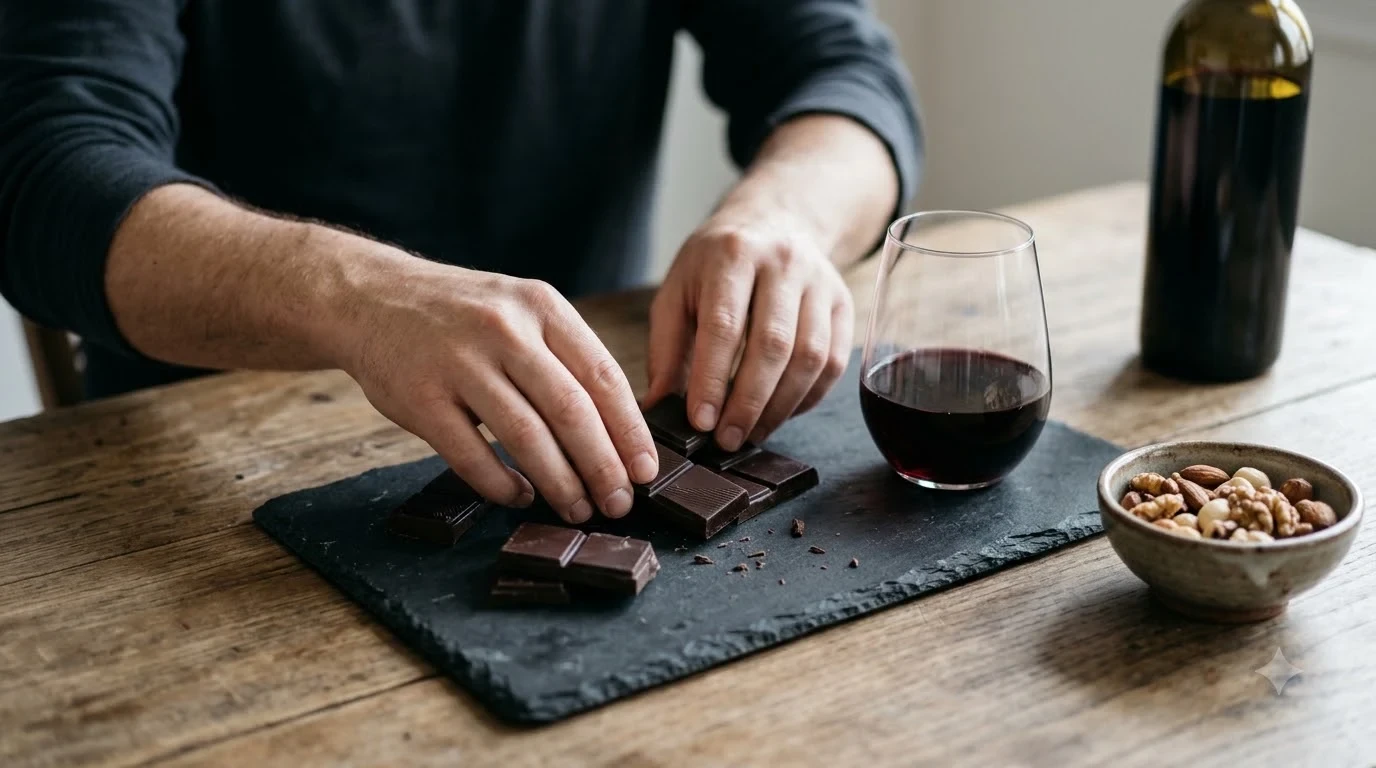
Red wine with chocolate works best when the wine is sweet, fruity, and at least as sweet as the dessert. Dry, tannic reds often clash with cacao and leave a bitter, sour taste on the palate. Port, Banyuls, Brachetto d’Acqui, and sweet Lambrusco are among the red styles that most often match chocolate well.
This guide explains why some red wines suit chocolate and others do not. You will learn how tannin, sweetness, and cacao bitterness interact, which red styles to try with dark, milk, and white chocolate, and how to serve the pairing so both sides taste their best.
What Makes Red Wine and Chocolate Pair Well
A good pairing happens when the wine and the food make each other taste better. Wine Folly describes a perfect pairing as one where two ingredients create a more balanced flavor than either does alone. Red wine and chocolate are a popular combination, but they do not always work together.
The common assumption is that red wine and chocolate are natural partners. In practice, many dry reds turn harsh once they meet a bite of dark chocolate. According to Wine Folly’s guide to foods that clash with wine, the problem is mostly a matter of structure rather than personal taste. Once you know what is happening, you can choose bottles that avoid the problem.
The best matches tend to share two traits. The wine is usually sweet or richly fruity, and it has low tannin or enough sugar to balance the cacao. When the wine is sweeter than the dessert, the chocolate feels less bitter and the fruit in the wine stands out more clearly.
How Tannin, Sweetness, and Cacao Interact
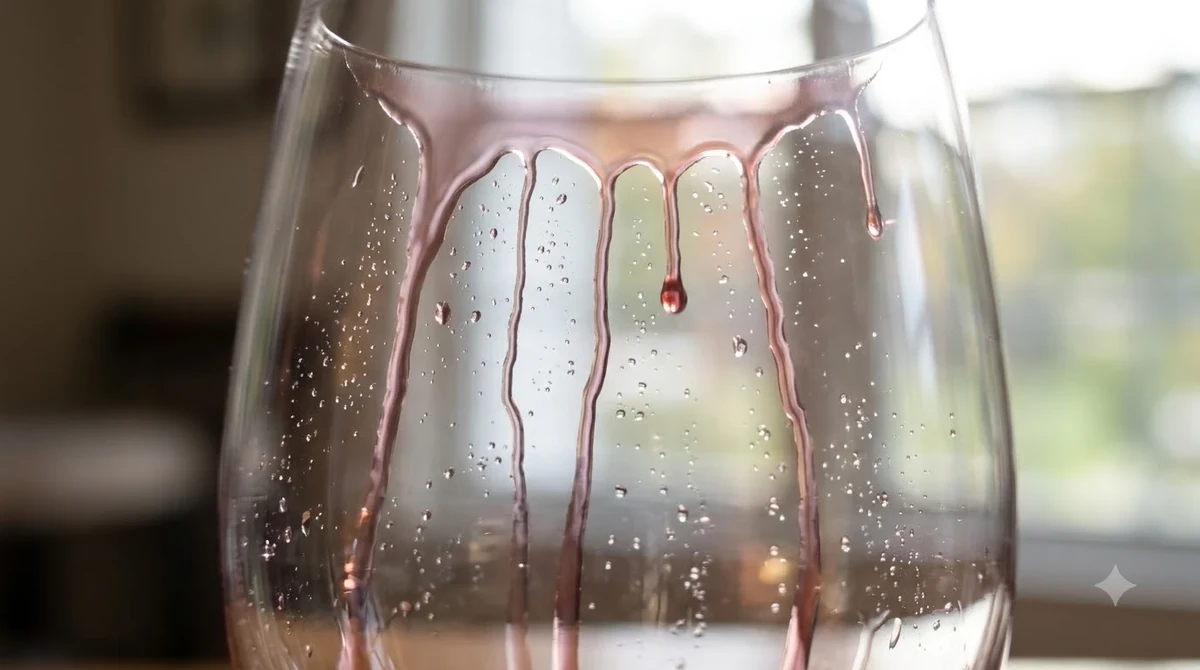
Tannin is the drying, grippy texture found in many red wines. Chocolate contains its own tannin-like compounds, along with fat, sugar, and an earthy flavor. When dry red wine follows a bite of chocolate, the two sets of bitter compounds can collide.
Wine Folly notes that the wine’s fruit flavors, such as blackberry or cherry, can get lost under the strong flavor of chocolate. The wine also tends to strip some of the fat and sweetness from your palate. What remains can taste sour and harsh. This is why a dry Cabernet or a firm Merlot often disappoints with a dark chocolate dessert.
Sweetness is the main tool for fixing the problem. A sweeter wine can stand up to cacao because it has enough sugar to balance the bitterness. Fortified wines, such as Port, add both sweetness and concentrated fruit. Lightly sparkling reds with low alcohol can work too, since their sugar and bright acidity help lift the chocolate rather than fight it.
White chocolate behaves differently because it contains no cacao solids. Without that chocolate tannin, the balance shifts toward milk fat and sugar. That is why red styles that are fruity and sweet often work better with white chocolate than dry, grippy reds do.
Best Red Wine Styles for Dark Chocolate
Dark chocolate needs a wine with real sweetness and concentrated fruit. The strongest matches are fortified reds and some sweet sparkling reds. Each style offers a different flavor, so it helps to know what you want the wine to add.
| Red style | Typical flavor notes | Why it can suit dark chocolate |
|---|---|---|
| Late Bottled Vintage Port | Dark berry and rich fruit | Sweetness and body stand up to truffles and mousse |
| 10 Year Tawny Port | Cinnamon and five spice notes | Warm spice echoes the flavors in many chocolate desserts |
| Banyuls and Maury | Raspberry from the Grenache base | Fruit-driven sweetness pairs with cacao |
| Brachetto d’Acqui | Maraschino cherry, rose, raspberry | Sweet, low alcohol, and well suited to fruit-driven chocolate desserts |
| Recioto della Valpolicella | Sweet, concentrated dried fruit | Works with orange and chocolate desserts |
Port is the classic answer for chocolate. Late Bottled Vintage Port is often recommended with truffles and chocolate mousse, while a 10 Year Tawny Port adds a nutty, spiced character. Both styles bring enough sugar to balance cacao without adding a dry, grippy finish.
Banyuls and Maury from southern France are sweet reds built on Grenache. Their raspberry character gives chocolate a fruity lift. Brachetto d’Acqui, a sweet and low-alcohol sparkling red from Italy, is another fruit-forward option that suits chocolate desserts built around berries or cherries.
Some Italian reds offer a similar effect in a different style. Recioto della Valpolicella is a sweet red from the Veneto region, and it can work with orange and chocolate desserts. Dry Italian reds such as Chianti tend to suit savory dishes more than chocolate. If you want background on that grape, the chianti grape guide explains its flavor profile in more detail.
Red Wines That Work With Milk Chocolate
Milk chocolate has less cacao and more sugar and milk fat than dark chocolate. That makes it gentler, so you can choose a wine with a little more dryness. Lighter fruit-forward reds can work well because the chocolate does not overpower their flavors.
Sweet Lambrusco is a strong choice here. Wine Folly describes sweet Lambrusco as a good match for red velvet cupcakes and berry pie, both of which share the soft sweetness of milk chocolate desserts. Look for labels such as Amabile, Dolce, or Semisecco when you want a sweeter style.
Brachetto d’Acqui also suits milk chocolate because its candied, floral fruit complements milk-based sweetness. Its low alcohol keeps the pairing light, which helps when you are sharing a dessert after dinner. Port works too, although a lighter tawny style may feel more balanced than a bold ruby with milk chocolate.
Be careful with tannic, dry reds. Milk chocolate has less cacao than dark chocolate, but the bitter compounds still interact with wine tannin. A firm, dry red can make the chocolate taste flat and the wine taste harsh.
Pairing Red Wine With White Chocolate and Desserts
White chocolate is the easiest chocolate to pair with red wine, because it lacks the cacao tannin that causes most clashes. Its flavor is driven by sugar, cocoa butter, and milk solids. The wine should be sweet enough to match that richness without overwhelming it.
Wine Folly points out that white chocolate can work with red wine because it does not carry the same chocolate tannin. Sweet and fruity reds are the logical match. Brachetto d’Acqui, with its raspberry and rose notes, pairs well with white chocolate desserts that include berries.
When the dessert includes nuts or caramel, consider a richer fortified style. Bual Madeira is a sweet fortified wine that Wine Folly suggests for desserts with chocolate and nuts. Its toasty character matches caramel and roasted nut flavors. For a light finish after a rich dessert, a small pour of a sweet red sparkler can refresh the palate.
Wines to Avoid With Chocolate Desserts
Some reds are likely to disappoint with chocolate. Dry, tannic wines are the main concern, especially bold reds with firm grip and little sweetness. These wines tend to leave a sour or metallic aftertaste when served alongside a dark chocolate dessert.
Avoid pairing chocolate with a dry red you would normally enjoy with steak. The stronger the tannin, the more likely the chocolate will make the wine taste bitter. High-alcohol, dry reds can also feel hot and heavy next to a rich dessert, which makes the finish less pleasant.
If you are unsure, pour a sweeter wine than you planned. A dessert wine, a fortified red, or a low-alcohol sparkler is usually a safer choice. You can always taste a small sip of wine with a small piece of chocolate before committing to a full glass. For a related pairing with a lighter, fruit-forward wine, the rose with chocolate guide offers another option for people who find red wine too heavy.
Tip: If a wine tastes bitter with chocolate, try a sweeter wine or a milder chocolate. Changing one variable at a time makes the result easier to judge.
Tips for Serving Wine and Chocolate Together
Serving temperature and portion size matter more than most people expect. Sweet reds usually show their best when slightly chilled, which lifts the fruit and keeps the wine from feeling heavy. Pour small amounts so the chocolate and wine both stay in balance across the course.
Serve the wine before or alongside the chocolate, not after. Once the chocolate has coated your palate, the wine will taste harsher. Lighter chocolate should be tasted first, followed by darker chocolate, so your palate moves from gentle to intense.
Chocolate-based desserts should be matched to the wine rather than the other way around. If the dessert includes fruit, choose a wine with similar fruit notes. If it includes spice or nuts, a tawny or Madeira-style wine often provides the better link. Check the label or the producer’s notes for sweetness, since many sweet styles are not clearly marked.
Frequently Asked Questions
Does red wine really clash with chocolate?
Dry red wine often clashes with dark chocolate because the bitter tannins in both can interact and taste sour or harsh. Sweeter red styles, such as Port or Brachetto d’Acqui, usually match chocolate much better. Your own taste matters, so try a small pairing first.
What is the best red wine to pair with chocolate?
Late Bottled Vintage Port and tawny Port are classic choices for chocolate truffles and mousse. Banyuls and Brachetto d’Acqui are also good options because they bring sweet fruit that suits cacao. Choose the sweetest style you can find for dark chocolate.
Which red wine works with milk chocolate?
Milk chocolate is gentler than dark chocolate, so lighter fruit-forward reds can work well. Sweet Lambrusco and Brachetto d’Acqui are good examples. Look for labels such as Dolce or Amabile if you want a sweeter Lambrusco.
Can I serve red wine with white chocolate?
White chocolate has no cacao solids, so it lacks the chocolate tannin that causes most clashes with red wine. Sweet, fruity reds usually pair well with it. Brachetto d’Acqui is a good choice for white chocolate desserts that include berries.
Red wine and chocolate can be a memorable pairing when you choose the right style. Start with a sweet fortified red or a low-alcohol sparkler, then explore milder options as you learn what you like. For more background on wine styles and how they match food, visit the Wine by Type section.
More in Wine Types & Grapes
 Zinfandel Sugar Content: Dry Red vs. White Zinfandel GramsUpdated Nov 21, 2026
 Best Zinfandel Substitute Options for Sipping and CookingUpdated Nov 21, 2026
 Zweigelt Food Pairing: Best Dishes, Cheeses, and Serving TipsUpdated Nov 21, 2026
 Zinfandel Tannins Explained: How Structure Shapes Every BottleUpdated Nov 21, 2026
 Zinfandel Sweetness Level: Dry Red vs. Sweet White Zin ExplainedUpdated Nov 21, 2026
 Xinomavro Food Pairing: Best Dishes, Styles, and Serving TipsUpdated Nov 21, 2026