

We may earn a commission when you buy through links on this page, at no extra cost to you. Learn more.
Edna Valley wine tasting takes place in a cool, fog-cooled valley in San Luis Obispo County, California, where Chardonnay, Pinot Noir, and Syrah are the signature grapes. The valley sits about nine miles southeast of San Luis Obispo and north of Arroyo Grande, and morning fog from the Pacific keeps summers mild. Visitors who plan a route around the valley’s wineries can taste a wide range of cool-climate styles within a short drive.
Edna Valley is small, scenic, and easy to reach from the Central Coast, yet it is often overshadowed by better-known tasting destinations farther north. This guide explains what makes the valley’s wines distinctive, how to plan a tasting day, and what to look for on a tasting menu so the visit feels worthwhile.
What makes the Edna Valley a tasting destination
Edna Valley is an American Viticultural Area established on May 12, 1982, as the nation’s eleventh AVA and the state’s eighth. It was proposed by a group of vineyards and wineries led by Edna Valley Vineyard, and it was amended in 1987. In April 2022 it became a sub-appellation of the San Luis Obispo Coast AVA, which means visitors will see both names on labels across the county.
The valley’s size shapes the visiting experience. Wikipedia’s entry for the appellation reports about 36 wineries and 20 vineyards within its boundaries. That density is manageable for a single day, and many estates sit close enough that a route can include three or four stops without long drives between them. Tasting room formats vary, so each estate’s own site is the best source for current hours and reservation rules.
The valley also has a working agricultural past. Before winemaking revived in the 1970s, the land was used for dairy, grain, and orchards. That shift from farmland to vineyard is visible in the valley’s open views and in the mix of older and newer plantings you will see along the roads.
Climate and fog: the reason the wines taste the way they do
Climate is the first thing a visitor notices in Edna Valley, since the air often feels cooler than the inland hills around it.
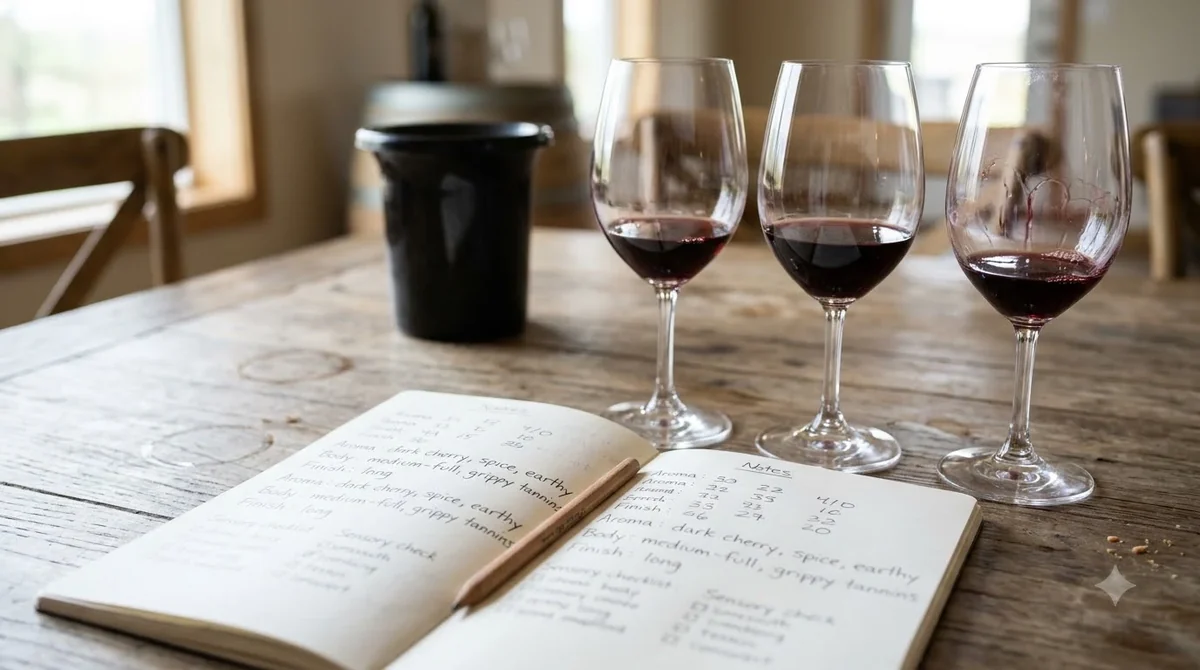
Killing frosts are rare in the valley, and Pacific breezes and frequent morning fog keep daytime heat in check during the summer months. The growing season runs about 287 days, which the Wikipedia article describes as the longest in California. That long, slow ripening period gives grapes time to develop flavor while holding onto acidity, which is the main reason the valley’s whites and cool-climate reds taste so bright.
The valley floor sits roughly 120 to 300 feet above sea level, so elevation changes do not vary as dramatically as they do in mountain appellations. Even so, small shifts in slope and exposure can change how fog and sun reach a vineyard. A tasting room with a view over the vines is a simple way to see the open landscape that the marine air moves through.
The grapes you will taste
Chardonnay, Pinot Noir, and Syrah are the grapes most closely associated with the valley, though producers also make wines from Merlot, Sauvignon Blanc, Viognier, and Grenache. For a taster, that range is useful. It means a single visit can cover crisp whites, silky reds, and more structured wines without leaving the region.
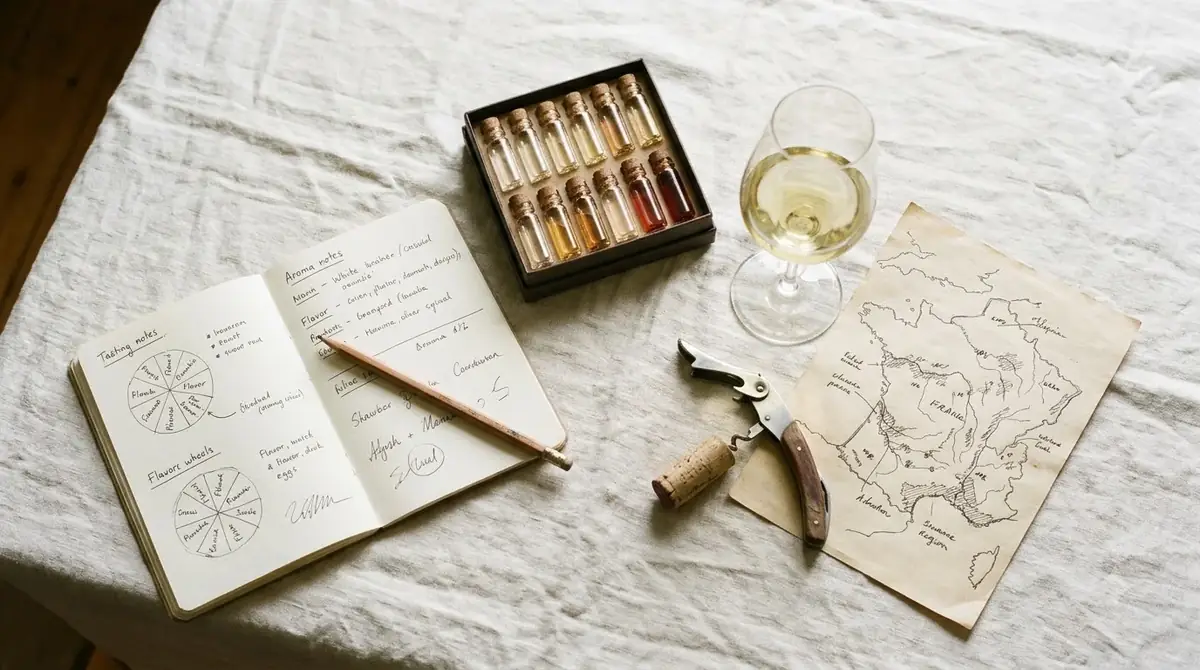
Chardonnay tends to be the first wine many visitors order. Wine Folly’s Chardonnay guide explains that cool-climate Chardonnay is crisper and more mineral, with citrus, green apple, and pear notes, while warmer sites produce richer, riper wines. Edna Valley sits firmly in the cooler camp, so expect brighter, more focused glasses than the buttery styles many people associate with California Chardonnay.
Pinot Noir and Syrah give the valley its red identity. Pinot Noir shows red fruit and a delicate frame, while Syrah tends to be fuller and more structured. A tasting flight that moves from a Chardonnay to a Pinot Noir is a good way to see how the valley handles both white and red wines.
| Grape | Typical style in Edna Valley | What to ask at the bar |
|---|---|---|
| Chardonnay | Cool-climate, crisp, with citrus and pear | Is this oaked or unoaked? |
| Pinot Noir | Red fruit, lighter body, fresh finish | Which vineyard blocks went into this wine? |
| Syrah | Fuller red with structure and spice | How long has this been aging? |
| Viognier | Aromatic white with stone fruit notes | Is this a blend or a single variety? |
How to plan a tasting day
A good tasting day starts with a clear plan. Choose two or three wineries with different strengths, such as one known for whites, one for reds, and one with a wider range. Check each estate’s reservation policy before you go, because some tasting rooms run by appointment and others accept walk-ins during set hours.
Timing matters too. Morning fog can linger in the valley and lift as the day warms, so many visitors prefer to schedule the first tasting after mid-morning. Plan lunch between stops, and arrange a driver or a shuttle if you plan to taste several wines at each estate. The spacing between tastings is also important; a glass of water and a light snack help you stay comfortable through a full day.
Tasting etiquette makes a full day more enjoyable. Many tasting rooms provide spit cups, and using them lets you sample more wines without overindulging. Pace yourself by drinking water between pours, and let the staff know if you want to taste only a few wines rather than the full menu. Designated drivers and rideshare plans are worth arranging in advance, because a relaxed afternoon can stretch longer than expected.
Tip: Ask pourers to explain how the wines are made, including whether they are oaked, how long they have aged, and where the grapes were grown. Those details make the tasting more useful and help you remember what you liked.
How to choose wines to buy after your visit
Once you have tasted, the next step is choosing bottles to take home. Look for the vintage, the producer, and the AVA name on the label, since the appellation tells you how the grapes were grown. Many wineries offer a mix of wines for immediate drinking and wines that improve with a few years in the cellar, so ask which bottles suit each purpose.
Shipping rules vary by state, and some estates offer wine club memberships or direct shipping options. Staff at the tasting room can explain what is available for your home state. If you enjoy a particular Chardonnay or Pinot Noir, buying a case at the winery can be a practical way to keep that style at home.
Frequently Asked Questions
Where is Edna Valley?
Edna Valley is in San Luis Obispo County, California, about nine miles southeast of the town of San Luis Obispo and north of Arroyo Grande. It is a sub-appellation of the San Luis Obispo Coast AVA.
What grapes are Edna Valley wineries known for?
The valley is best known for Chardonnay, Pinot Noir, and Syrah. Producers also make wines from Merlot, Sauvignon Blanc, Viognier, and Grenache, which gives visitors a broad range of styles to compare.
How many wineries are in Edna Valley?
Wikipedia reports about 36 wineries and 20 vineyards within the appellation. Winery hours, tasting fees, and reservation rules change over time, so check each estate’s website before you plan the route.
Why is Edna Valley so cool?
Pacific breezes and frequent morning fog keep the valley cooler than many inland wine regions, and killing frosts are rare. The long growing season helps grapes keep their acidity, which gives the wines a bright, focused character.
Edna Valley is an easy addition to a Central Coast itinerary, and its cool-climate wines reward patient tasting. For a wider view of how regions differ, read our overview of Wine Regions, or compare the tasting style of yarra valley wine tasting to see how another cool region approaches the same grapes.
More in Wine Regions
 Willcox Wine Trail: Discover Arizona’s High-Elevation Wine CountryUpdated Nov 20, 2026
 Yakima Valley Wine Region: Find the Best Styles to TryUpdated Nov 20, 2026
 Vosne Romanee Wine Tasting: Identify Aromas and Choose Better PairingsUpdated Nov 20, 2026
 Yakima Valley Wine Festival: Find the Best Seasonal Wine EventsUpdated Nov 20, 2026
 Wales Vineyards: Discover Cool-Climate Wines and Where to VisitUpdated Nov 20, 2026
 Yountville Wine Festival: Discover Napa Wines and Local FoodUpdated Nov 20, 2026