

We may earn a commission when you buy through links on this page, at no extra cost to you. Learn more.
The Arkansas wine trail is a route through the state’s wine country that links wineries in the Ozarks and the surrounding highlands, and it is best approached as a slow, regional day-trip plan. Arkansas has a longer winemaking history than many visitors expect, with commercial production dating to the 1880s. Wineries in the state focus on native American grapes and hybrids alongside some European varieties, so a trip along the trail is a good way to taste styles you may not find elsewhere.
This guide explains how the trail is organized, the history behind Arkansas winemaking, the main grape varieties to look for, and practical tips for planning a visit.
Arkansas Wine Trail at a Glance
The trail is a loose network of wineries rather than a single road with fixed stops. Visitors usually build their own route around a few towns, choosing stops that sit close together so the drive stays manageable. The idea behind the trail is to connect tasting rooms, vineyards, and small towns so that a visitor can make a multi-stop day of it.
Because the trail is a regional concept rather than a formal list, check the current information from the wineries and local tourism offices before you travel. Opening days and tasting rules can change from season to season, and some wineries prefer reservations.
A Brief History of Arkansas Winemaking
Commercial winemaking in Arkansas began in the 1880s. French Catholic settlers worked alongside Catholic Swiss-German immigrants in the Altus area, and the state’s wine industry grew from those early communities. Jacob Post arrived in 1872, and his descendants are now sixth-generation winemakers, which makes the family one of the longest-running names in the state.
At its peak, the state had a large number of wineries, and at one point Arkansas was described as producing more wine and grapes than any other state. Prohibition reduced the number of producing wineries to a handful, and the industry slowly rebuilt afterward. Today, about half of Arkansas’s counties remain dry, which is a practical detail for visitors to keep in mind when planning where to buy and drink wine.
The University of Arkansas has worked with the Post family for nearly a century on new grape varieties and harvesting technology, and a horticulture professor has spent around twenty years developing grapes that can handle high humidity. That research focuses on grapes suited to the state’s humid conditions, which is one reason native and hybrid varieties remain important here.
The Main Wine Regions Along the Trail
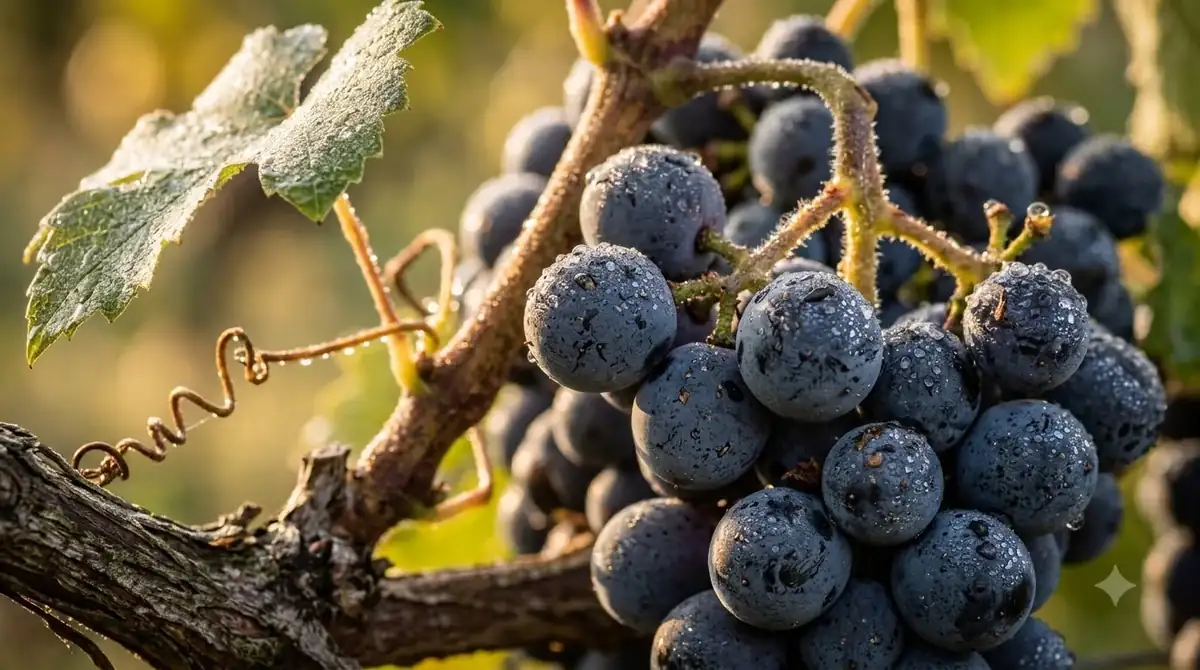
The region is organized into American Viticultural Areas, the official designation for named wine regions. The reference entry on Arkansas wine lists three of them: the Altus, Arkansas Mountain, and Ozark Mountain areas. Altus is the oldest, and its wineries include some of the state’s longest-running producers. The Arkansas Mountain and Ozark Mountain areas sit in the highlands, where the climate is cooler and more varied than the flatter parts of the state.
Because the trail moves between these areas, a visit can feel very different from one stop to the next. The highland vineyards are generally cooler, which affects ripening and acidity, while the older Altus wineries have deep roots in the local community. Pick a base town and drive between two or three wineries in a day rather than trying to cover the whole region at once.
Grape Varieties You Will Find
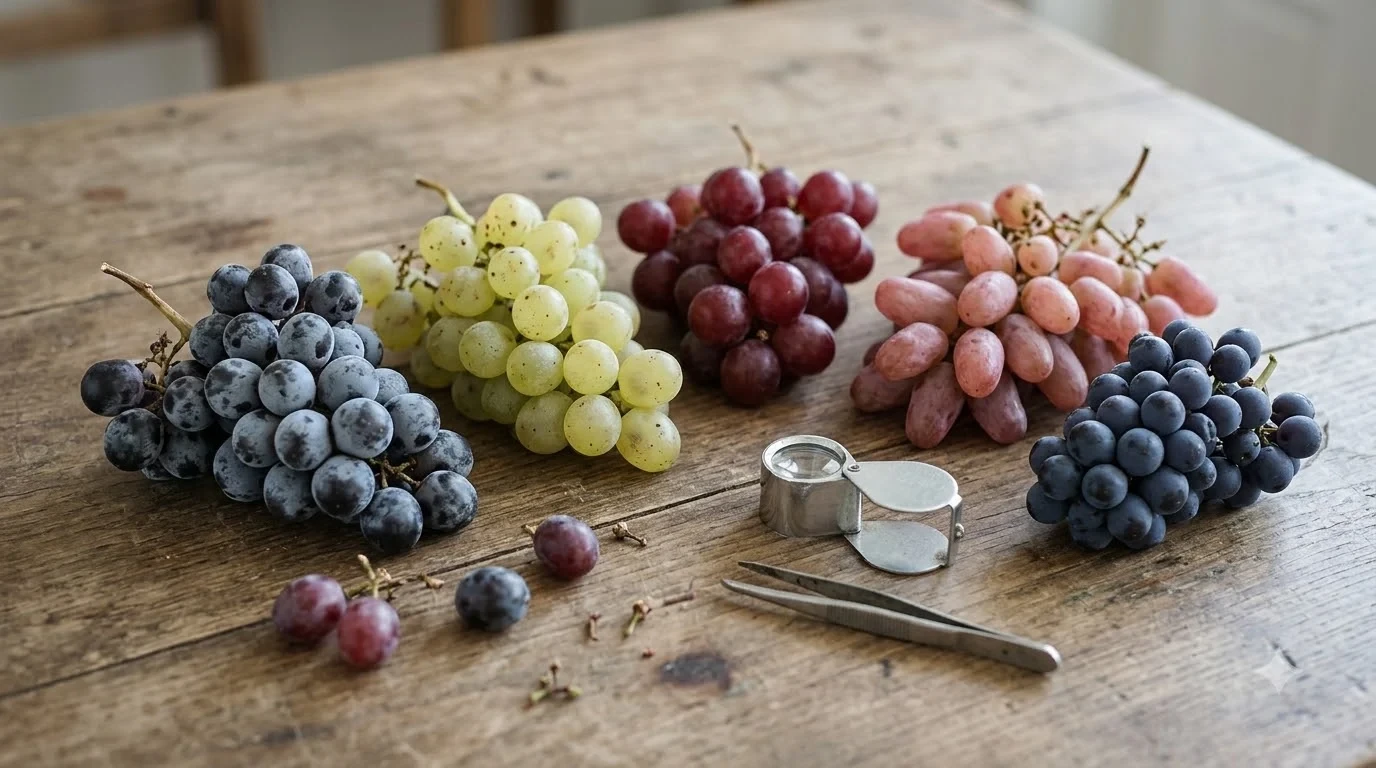
Arkansas wineries work with both European and native grapes. The table below lists the main varieties mentioned in the reference entry, grouped by type, so you can see what to look for on a tasting menu.
| Group | Varieties | What to expect |
|---|---|---|
| Vitis vinifera (European) | Cabernet Sauvignon, Chardonnay, Pinot noir, Riesling | Familiar styles, usually made in smaller lots |
| Native American | Cynthiana, Muscadine | Distinct fruit and body, often unlike European wines |
| Other listed varieties | Catawba, Concord, Merlot, Niagara, Norton, Vidal blanc, Vignoles | A wide range, from sweet and fruity to dry and structured |
Cynthiana is a native grape that many visitors meet for the first time on the trail. Muscadine is another native variety, and it brings a distinct flavor that differs from the European grapes most wine drinkers know. If you are new to these varieties, ask the tasting room staff which bottles show the grape clearly.
Planning a Visit to the Trail
Plan the day around driving time rather than tasting volume. Pick two or three wineries, leave room for a meal, and schedule the drive so that you are not rushing between stops. Ask each winery about its tasting format before you start so you know what to expect.
Travel time is the part of the plan that most people underestimate. Highland roads can be winding, and a route that looks short on a map can take longer than expected once you add scenic stops. Build in buffer time between wineries, and consider a lunch stop that gives you a chance to eat before the second tasting. Pairing a tasting with food slows the pace and makes it easier to taste carefully.
Spring and fall are the most comfortable seasons for walking vineyards and sitting outdoors. Summer can be hot and humid, which is also a reminder that the grapes themselves handle humidity well. If you plan an overnight stay, book lodging early in the busiest months, and designate a driver or use a shuttle service for the trip back.
Tip: Check county alcohol rules before you leave. Some counties in the state are dry, so confirm where alcohol can be bought and carried before you buy bottles on the trail.
Local Styles and How to Pick Bottles
Arkansas wines often surprise visitors who expect only European-style reds and whites. Native grapes such as Cynthiana and Muscadine give a different structure, and hybrid varieties like Vidal blanc and Vignoles can produce bright, aromatic whites. The best approach is to taste across the range: start with a lighter white, move to a fruit-driven red, and finish with a style the winery is known for.
When choosing a bottle to take home, look for the grape name, vintage, and winery on the label. A grape-focused bottle helps you compare styles across producers, while a blend tells you more about the winemaker’s approach. If you plan to serve Arkansas wine at dinner, match lighter whites with seafood and fresh salads and richer reds with grilled meats and hearty dishes.
For a broader view of the state’s wine history and grape varieties, the encyclopedia entry on Arkansas wine gives a concise overview. It is a useful starting point before you plan a trip, though current winery details should be confirmed directly with each producer.
Frequently Asked Questions
What is the Arkansas wine trail?
It is a route that connects wineries and vineyards in the state’s wine country, mainly in the north-central and highland areas. It is not a fixed list of stops, so most visitors build their own route around two or three wineries per day.
When did winemaking start in Arkansas?
Commercial winemaking began in the 1880s, with settlers in the Altus area. The Post family arrived in 1872 and has continued making wine for several generations.
What grapes are grown in Arkansas?
Wineries grow European varieties such as Chardonnay, Riesling, and Pinot noir, along with native grapes like Cynthiana and Muscadine. Hybrids such as Vidal blanc and Norton are also common.
Do I need to book ahead for tastings?
Policies vary by winery. Many tasting rooms accept walk-ins, but reservations are safer for weekends and fall harvest season. Check each winery’s website or call before you travel.
The Arkansas wine trail rewards visitors who enjoy learning about a region through its bottles and its history. Start with one area, taste across the grape range, and leave time to talk with the people who make the wine. For more background on how regions shape flavor, read the Wine Regions guide, or compare a different style of wine country in the Anderson Valley wine guide.
More in Wine Regions
 Willcox Wine Trail: Discover Arizona’s High-Elevation Wine CountryUpdated Nov 20, 2026
 Yakima Valley Wine Region: Find the Best Styles to TryUpdated Nov 20, 2026
 Vosne Romanee Wine Tasting: Identify Aromas and Choose Better PairingsUpdated Nov 20, 2026
 Yakima Valley Wine Festival: Find the Best Seasonal Wine EventsUpdated Nov 20, 2026
 Wales Vineyards: Discover Cool-Climate Wines and Where to VisitUpdated Nov 20, 2026
 Yountville Wine Festival: Discover Napa Wines and Local FoodUpdated Nov 20, 2026