

We may earn a commission when you buy through links on this page, at no extra cost to you. Learn more.
Why does red wine make me sleepy? The main reason is alcohol, which acts as a sedative and can make you feel relaxed and drowsy soon after you start drinking. Red wine can add a few other factors, such as histamines, tannins, sugar, and dehydration, but for most people the effect comes from the alcohol itself.
This guide explains what happens in your body after a glass of red, why some people feel it faster than others, and how the drowsy feeling connects to sleep later in the night. It is written for anyone who has wondered why a single glass at dinner can leave them yawning by the second course.
Alcohol is a sedative, and that comes first
Alcohol slows activity in the brain, which is why it is often described as a sedative. Within the first hour or so after drinking, many people notice they feel calmer, slower, and more ready to sit still. The Sleep Foundation notes that alcohol can make you feel relaxed and sleepy soon after drinking, and that it can shorten the time it takes to fall asleep, at least at first.
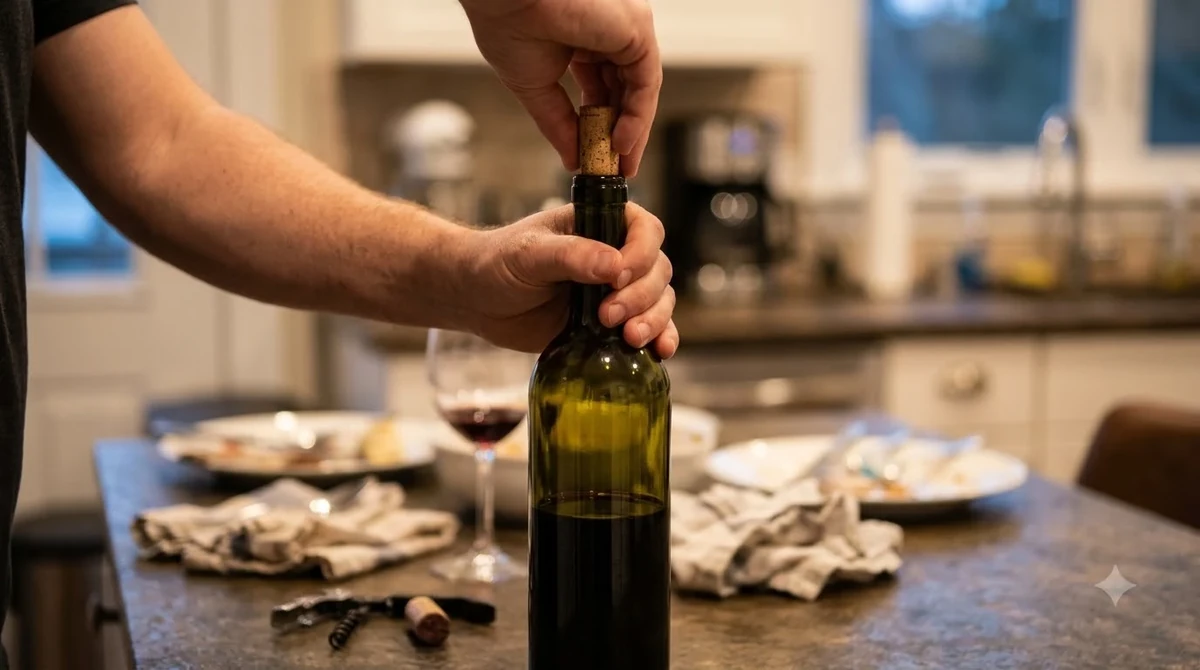
Red wine is not special in this respect. Any drink with enough alcohol will produce the same sedative effect. What changes from person to person is how quickly the effect shows up, and that depends on body size, how much you ate, how fast you drink, and how much alcohol is in the glass. Wine labels show the alcohol percentage, and comparing two bottles is a useful way to see why one glass of a bigger red seems stronger than a glass of a lighter white. A generous pour of any wine adds up quickly, and many people underestimate how much is in a glass served at home compared with a measured restaurant pour.
Dehydration and sugar can add to the effect
Wine writers often point to dehydration as a reason people feel worn out after drinking. Alcohol makes the body produce more urine, and many people drink wine without much water alongside it. VinePair’s guide to wine headaches says the most common cause of wine-related headaches is simply drinking too much wine without enough water, and it recommends monitoring intake and staying hydrated.
Sugar is another factor, though it matters more for sweeter styles than for dry reds. Some red wines contain more residual sugar than their label suggests, and the same article notes that sugar combined with alcohol can cause headaches because the body draws water toward processing it. A heavy, sweet red can therefore feel more tiring than a dry one of similar strength.
Food matters as well. A meal with protein, starch, and fat slows how quickly alcohol passes into the bloodstream compared with drinking on an empty stomach. That is why the same glass of red can feel very different at a long dinner than when it is the first thing you drink after a busy afternoon.
Why your evening pace matters
Drinking quickly on an empty stomach tends to bring on the sleepy feeling sooner. Slower sipping over a meal usually spreads the effect across the evening, so the drowsiness feels gentler and arrives later.
Histamines and tannins play a smaller role
Red wine contains histamines and tannins, and both are often blamed for headaches and other reactions. Histamines are substances the body releases during allergic reactions, and VinePair notes they can cause a runny nose, dry eyes, and headache in some people. The same article says aged foods and drinks, including red wine, may trigger their release in sensitive people.
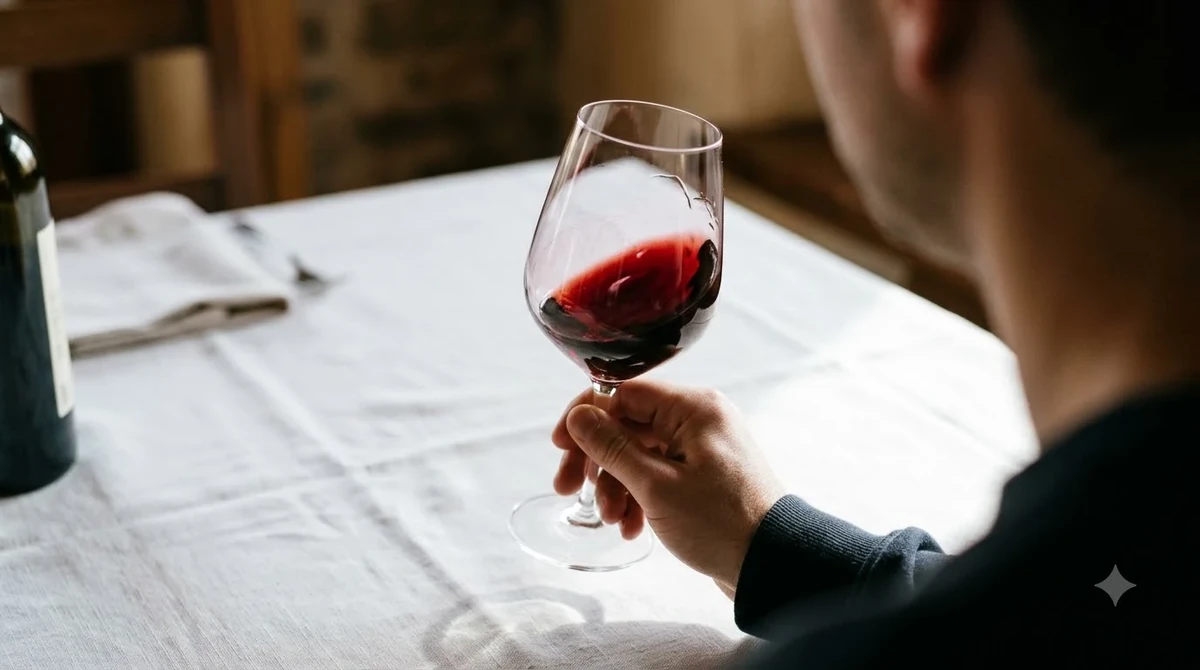
Tannins come from grape skins, seeds, and stems, which is why skin contact during fermentation matters so much for red styles (how long wine takes to ferment explains the process), and they give red wine its grip and dryness. For most people they do not cause headaches, and VinePair describes them as a source of antioxidants. A small group of people react more strongly, and the reaction tends to be linked to certain red styles rather than to drowsiness in general. If you suspect a particular wine affects you, the simplest test is to change one variable at a time, such as the style of wine or the amount you drink, and see whether the pattern repeats.
| Possible factor | What it does | Who it affects most |
|---|---|---|
| Alcohol | Acts as a sedative and can cause drowsiness soon after drinking | Almost everyone, depending on the amount |
| Dehydration | Can add to fatigue and headache when water intake is low | People who drink without water alongside |
| Sugar | Can add to headache and tiredness in sweeter reds | People who drink sweeter or cheaper red wines |
| Histamines | Can cause runny nose, dry eyes, and headache | Sensitive people, and some aged or red styles |
| Tannins | Give structure and dryness; rarely a direct cause of drowsiness | A small group with a specific sensitivity |
Tip: If you enjoy red wine with dinner and want to avoid feeling heavy afterward, a glass of water between pours is a habit many wine writers suggest.
How alcohol affects sleep later in the night
Feeling sleepy at first is only part of the story. Many people notice the pattern on nights when they have a glass of wine after work and then wake up at odd hours, even though they felt ready for bed. Alcohol also changes the shape of sleep, and those changes can show up hours later. The Sleep Foundation explains that alcohol can shift sleep toward deeper stages early in the night and reduce REM sleep, the stage linked to memory and emotional processing. As the body breaks the alcohol down, sleep often becomes lighter and more broken, which can leave you tired the next morning even if you feel drowsy at bedtime.
The same source suggests that experts recommend avoiding alcohol within three to four hours of bedtime. Its survey data, which is self-reported and not a controlled study, found that most regular evening drinkers in its sample reported at least one sleep-related problem. The practical takeaway is that a drink that makes you pleasantly sleepy at 9 p.m. may not give you the restful night you expected.
What to notice the next morning
A useful way to understand your own reaction is to pay attention to how you feel the morning after. If you feel groggy, foggy, or unusually thirsty, the cause is often the combination of late drinking and broken sleep rather than the color of the wine. Keeping a short note of what you drank, when you ate, and how much water you had can make the pattern clearer over a few weeks.
Some people find that a lighter, drier red or a smaller pour is enough to keep the drowsy feeling pleasant rather than heavy. Others switch to a chilled style during warmer months, since cooler serving temperatures can make the wine feel crisper and easier to sip slowly. Serving temperature does not change the alcohol, but it can change how much of a glass you finish.
Frequently Asked Questions
Is it normal to feel sleepy after one glass of red wine?
Yes, many people feel some drowsiness after a single glass, especially on an empty stomach or if they are tired already. Alcohol is a sedative, so the effect is common even at moderate amounts.
Does red wine make you sleepy faster than white wine?
Not necessarily. The alcohol content and the amount you drink matter more than the color. Full-bodied reds can feel heavier because they often have more alcohol, but a strong white can have the same effect.
Are tannins the reason red wine makes me tired?
Usually not. Tannins are linked to dryness and structure, and VinePair notes that most people do not get headaches from them. They are an unlikely cause of drowsiness for most drinkers.
Why do I feel sleepy but then wake up in the night after wine?
Alcohol can help you fall asleep at first, but as it is metabolized, sleep often becomes lighter and more fragmented. Many people wake during the second half of the night after drinking in the evening.
If you want to understand more about the way wine behaves in the glass, the wine basics library covers the terms and styles that shape how a red feels. For a related effect that many people notice, why wine makes your face red explains a separate reaction tied to how the body processes alcohol. Drinking slowly, with food and water, is the simplest way to keep the evening pleasant.
More in Wine Basics
 Which Rose Is Best for Your Taste, Budget, and Food PairingsUpdated Nov 21, 2026
 Is Cheap Wine Bad? How to Find Bottles Worth DrinkingUpdated Nov 21, 2026
 What To Write On A Wine Gift Tag: Thoughtful Messages For Every OccasionUpdated Nov 21, 2026
 Which Wine Is Best For Weight Loss? Compare Lower-Calorie ChoicesUpdated Nov 21, 2026
 What Is The Best Wine For Mimosas? Choose Bubbly That Balances Orange JuiceUpdated Nov 20, 2026
 Which Prosecco Is Best for Your Taste and OccasionUpdated Nov 20, 2026