


We may earn a commission when you buy through links on this page, at no extra cost to you. Learn more.
What wine goes with brie is usually a crisp, dry white such as chardonnay, sauvignon blanc or a sparkling wine like champagne, because their acidity cuts through the cheese’s buttery richness. Brie is mild and creamy, so the wine should be light enough not to overpower it. Red wines can work too, but only a few light, fruity styles suit the cheese well.
Brie is one of the easiest cheeses to pair, because its soft texture and gentle flavor fit many wines. The trick is to think about how the wine handles fat. Acidity, bubbles and light fruit all help, while heavy tannin can make the cheese taste bitter. This guide covers the best wines for brie, how the rind and age change the pairing, and how to serve it.
What brie tastes like and why it matters
Brie is mild and buttery with a slightly nutty taste. The flavor gets stronger as the cheese ages, and a mature wheel becomes more pungent. The edible white rind adds a subtle, mushroom-like note, and some people remove it before eating. The interior is soft and creamy, so the cheese coats the palate.
Because brie is rich, the wine needs acidity to refresh the mouth between bites. According to the cheese.com brie profile, the cheese becomes creamier and more velvety with age, which is why a fresh, crisp wine often balances a young wheel best while a richer wine can suit a riper one.
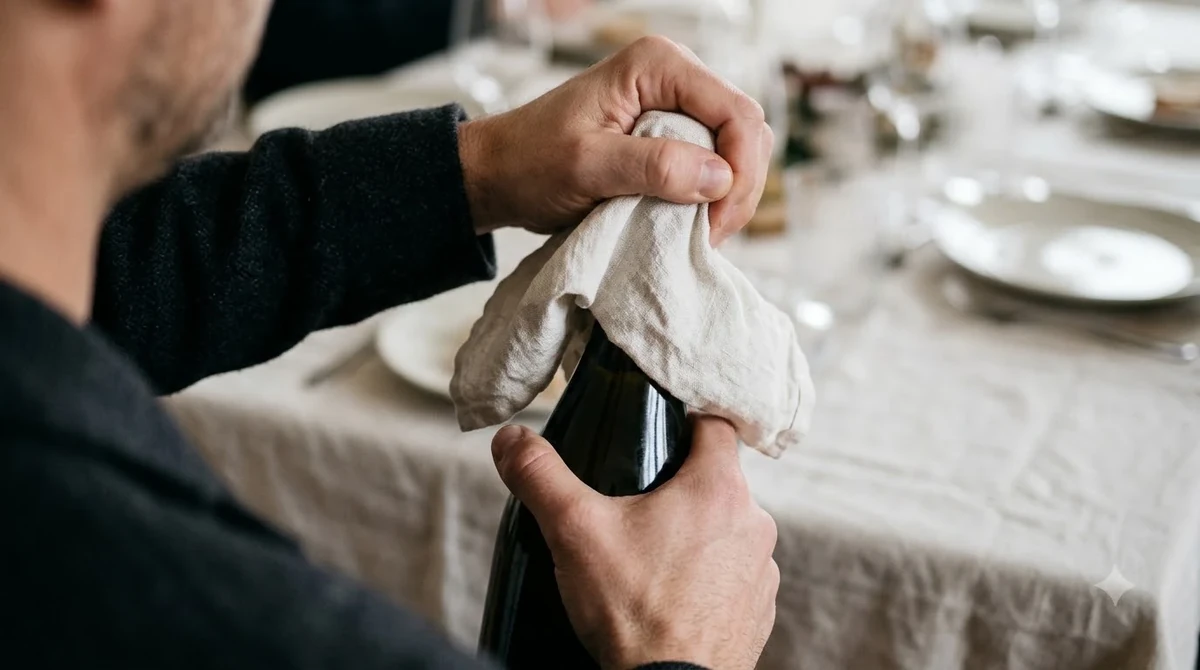
Best wines to pair with brie
Chardonnay is the most versatile partner. An unoaked or lightly oaked chardonnay has enough acidity to lift the cheese, and its fruit and light body match the texture. Avoid heavily oaked chardonnay, since the vanilla and toast can clash with the rind’s mushroom note.
Sauvignon blanc is a bright choice. Its citrus and herbal notes cut through the cheese and keep the pairing fresh. Champagne and other dry sparkling wines are a classic match too. The bubbles scrub the palate clean, and the wine’s acidity balances the butter.
| Brie style | Wine that suits it | Why it works |
|---|---|---|
| Young, firm brie | Crisp sauvignon blanc | Acidity matches the mild, firm texture |
| Classic creamy brie | Unoaked chardonnay | Fruit and body mirror the creamy interior |
| Rich, buttery brie | Champagne or dry sparkling | Bubbles and acidity clean the palate |
| Mature, pungent brie | Light, fruity red | Soft tannin keeps the cheese from tasting bitter |
Tip: Let brie come to room temperature before serving. The flavor and texture open up, and the wine tastes more balanced next to it.
Ingredients and sides that bring out the pairing
Brie is often served with something sweet or crunchy, and those additions change how the wine tastes. Fig jam, honey and pear slices all add sweetness that matches the cheese’s buttery character. A crisp chardonnay or a sparkling wine handles those sweet accents well, since its acidity keeps the mouth from feeling coated.
Nuts and crackers add texture. Toasted almonds and walnuts bring out the cheese’s nutty flavor, while plain crackers keep the focus on the cheese. Avoid heavy spreads or strong pickled items, because they compete with the brie and can make a delicate white taste sour.
Fresh fruit works best in small amounts. Grapes and apple slices provide a clean contrast, and they pair especially well with a sauvignon blanc’s green-apple and citrus notes. Keep the board simple so the wine and the cheese can be tasted clearly.
Red wines that work with brie
Red wine is less common with brie, but it is not off limits. Choose a light, fruity red with low tannin, such as a young pinot noir or a light gamay. Heavier reds with firm tannin, like cabernet sauvignon, tend to taste harsh against the soft cheese, especially when the brie is young and mild.
If you are serving a red, pair it with a mature, pungent brie rather than a young one. The stronger flavor of an older wheel can stand up to a fruity red and the wine’s soft fruit adds balance.
How to serve brie with wine
Serve brie at room temperature so the texture stays soft and spreadable. Pull the cheese from the fridge about an hour before guests arrive. Pour the wine a little cooler than room temperature, since it will warm up on the table and the aromas will show more clearly.
Pair the cheese with simple accompaniments such as crusty bread, apple slices or grapes. These add texture and a touch of sweetness without overwhelming the wine. Baguette slices toasted lightly in the oven hold up better than soft bread, because they give a crisp contrast to the cheese’s creamy interior.
Wines to skip with brie
Very sweet wines usually taste cloying with brie, since the sugar and butter together can feel heavy. Dessert wines such as a late-harvest riesling or sweet Sauternes are better saved for a fruit tart or a plain pound cake, where their sweetness has something to balance against. Bold, tannic reds such as cabernet sauvignon or big zinfandel are also a poor match, because the cheese’s softness gets lost and the tannin becomes more noticeable.

Serving brie at a party or wine tasting
Brie works well as a centerpiece at a party because guests can help themselves without much fuss. A whole wheel baked with honey and nuts is warm and gooey, and it pairs nicely with a sparkling wine served as guests arrive. Once the cheese cools, a chilled chardonnay or sauvignon blanc suits the rest of the evening.
If you are pouring several wines, arrange them from lightest to richest. Start with a dry sparkling wine, move to a crisp white, and finish with a light red only if guests want one. This order keeps each glass easy to taste after the cheese, and it stops a heavy wine from dulling the lighter ones.
Keep the portions manageable. Brie is rich, so a few slices with a glass of wine go further than a large platter. Offer water between glasses, and let guests try the cheese at different temperatures to see how the wine changes with it.
Frequently Asked Questions
What is the best wine with brie?
A dry, crisp white such as chardonnay or sauvignon blanc is the most dependable choice. Champagne or another dry sparkling wine is also a classic match, because its bubbles cut through the cheese’s richness.
Does red wine go with brie?
It can, if the red is light and fruity with low tannin, such as a young pinot noir. Heavy reds with firm tannin usually clash with the cheese’s soft texture.
Should I eat the rind on brie with wine?
The rind is edible and adds a mushroom-like flavor, so many people eat it. If the rind is thick or very strong, you can trim it off without affecting the pairing.
Is champagne a good match for brie?
Yes. Dry champagne and other sparkling wines have the acidity and bubbles to balance brie’s buttery richness. They are one of the most reliable pairings for the cheese.
Brie is forgiving, so start with a crisp chardonnay or a bottle of dry sparkling wine and adjust to taste. Because the cheese is mild, the wine usually matters more than the accompaniments, so spend your time choosing a bottle with good acidity rather than a fancy garnish. Taste the wine with a small bite of the cheese before pouring for everyone, since a glass that tastes right with brie is the best guide to what else to buy. For more ideas on matching cheese and other foods with wine, visit our wine pairing guide, or see how chicken Alfredo changes the choice for a creamy main course.
More in Food & Wine Pairing
 Risotto With White Wine Recipe: Make a Creamy Dinner at HomeUpdated Nov 20, 2026
 Wassail With Wine Recipe for a Festive Spiced Holiday DrinkUpdated Nov 20, 2026
 Spritz Veneziano Recipe: Make a Classic Venetian Aperitivo at HomeUpdated Nov 20, 2026
 Summer Wine Punch Recipe for Easy Homemade EntertainingUpdated Nov 20, 2026
 Bishop Recipe: How to Make a Bright, Citrus-Forward Red Wine CocktailUpdated Nov 20, 2026
 Wine Cupcakes Recipe: Bake Rich Chocolate Cupcakes at HomeUpdated Nov 20, 2026