

We may earn a commission when you buy through links on this page, at no extra cost to you. Learn more.
Corvina grape is a red Italian variety from Veneto, best known as the backbone of Valpolicella and Amarone della Valpolicella. It makes wines that range from light, tart, and cherry-scented to bold, dried-grape reds with firm tannin. Most of the world’s corvina vines sit in northeast Italy, with smaller plantings in Argentina, Chile, and Canada.
If you have seen the name on an Italian wine list and wondered what to expect, this guide explains where corvina grows, how its flavor changes with winemaking, and how to serve and pair it. The short version is that the same grape can produce a fresh, easy-drinking red or a rich, ageworthy wine, depending on how the grapes are handled.
What Is Corvina Grape?
Corvina is a dark-skinned red variety grown mainly in Veneto, the region around Verona in northeast Italy. According to the Wine Folly grape profile, about 15,374 acres (6,222 hectares) of corvina are planted in Italy, which makes it one of the country’s most important local reds.
The grape is valued less for dramatic varietal character than for its ability to take on the style of the winemaker. Its natural tartness keeps fresh versions lively, while its structure holds up to drying and long ageing. That flexibility explains why one grape can sit behind several very different wines.
The Main Corvina Styles
Corvina wines fall into a few clear families, and the names on the label tell you a lot about the style. The distinction that matters most is whether the grapes were used fresh or partially dried before fermentation.
Valpolicella is the fresh-grape style. It is light, easy to drink, and fresh, and it works well slightly chilled. Amarone della Valpolicella is made from partially dried grapes. It is bold, rich, and ageworthy, with high tannin and alcohol around 15 to 16 percent. Recioto della Valpolicella is the sweet version from partially dried grapes, and it can age for decades. Ripasso sits in between: it is a Valpolicella that is enriched by adding the leftover skins from Amarone production, which adds flavor, color, and tannin.
| Style | How the grapes are handled | Body and tannin | Alcohol note |
|---|---|---|---|
| Valpolicella | Fresh grapes | Light body, low tannin | Within the general profile of 13.5 to 15 percent |
| Ripasso | Valpolicella enriched with Amarone skins | Fuller than basic Valpolicella, with added tannin | Varies by producer |
| Amarone della Valpolicella | Partially dried grapes | Bold, high tannin, ageworthy | About 15 to 16 percent |
| Recioto della Valpolicella | Partially dried grapes, sweet style | Rich and complex, can age for decades | Varies by producer |
Flavor Profile of Corvina
The core flavors of corvina are tart cherry, cinnamon, chocolate, white pepper, and green almond. These notes shift with the style. Fresh-grape wines lean toward red cherry, plum, and herbal notes, and they feel light on the palate with medium-high acidity.
Dried-grape wines add spice, chocolate, leather, and earth. They have more body, more tannin, and a hint of sweetness. If you like a red that reads both fruity and savory, the Amarone end of the family is worth a try.
How to Serve Corvina
Serving temperature and glassware make a noticeable difference. Wine Folly recommends serving corvina at 55 to 60 degrees Fahrenheit (12 to 15 degrees Celsius) in large aroma-collector glasses, which gives the aromas room to open.
Decanting depends on the style. Valpolicella does not need it, but Amarone benefits from decanting for 30 minutes to an hour. For cellaring, the same source suggests keeping the richer styles for 5 to 10 years before opening.

Food Pairings for Corvina
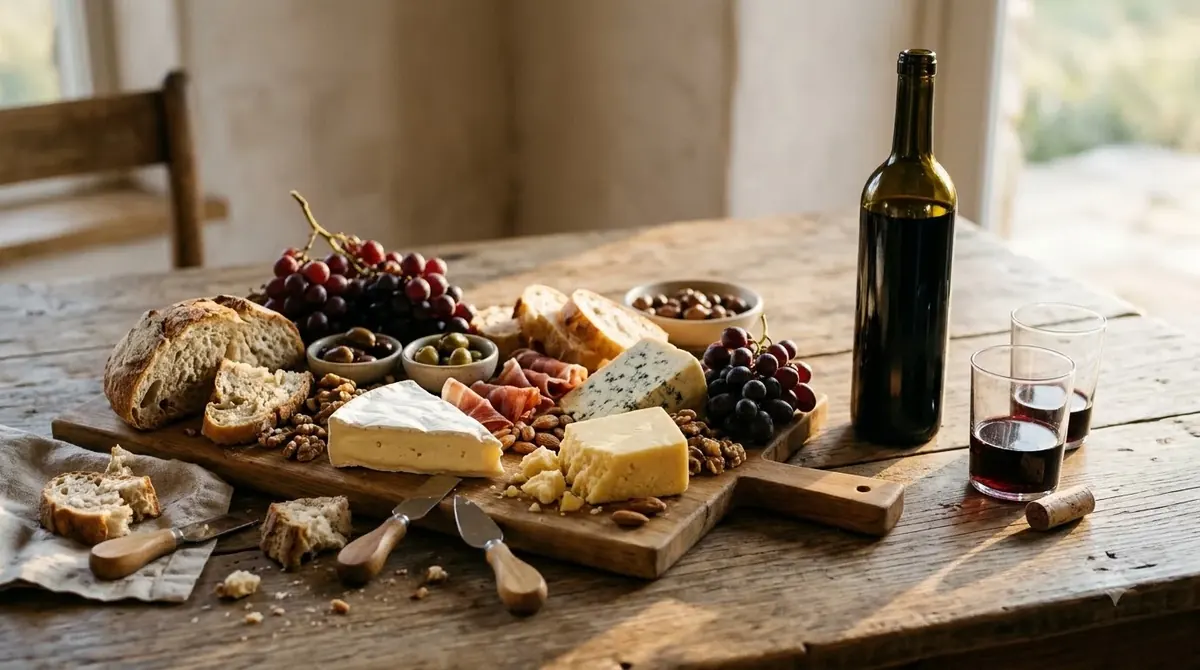
Pairing works best when you match the style to the dish. The fresh-grape styles have enough acidity to handle tomato, cured meats, and cheese, so they fit everyday Italian meals well.
Fresh-grape styles suit pizza, antipasti, bruschetta, and red pasta sauces. Dried-grape styles call for more substantial food, such as flame-grilled porcini mushrooms, medium-rare T-bone steak, and rich lamb stew. The firm tannin in Amarone stands up to fatty cuts and slow-cooked dishes.
Where Corvina Fits Among Italian Reds
Corvina is one of several Italian reds that Americans often encounter on restaurant lists. Its lighter, fruit-forward wines suit people who want an Italian red without the grip of heavier bottles, while its dried-grape wines suit people who enjoy big, savory reds for winter meals. If you want to compare it with another Italian variety, the chianti grape guide covers a different Tuscan profile, and the Wine by Type section groups grapes by style so you can narrow your choices quickly.
When you are browsing labels, look for the words Valpolicella, Ripasso, Amarone, or Recioto. Those four terms tell you most of what you need to know about how the wine was made, how heavy it will feel, and whether it suits a casual dinner or a special occasion.
Buying Corvina: What to Look For on the Label
Corvina labels can look similar at a glance, so it helps to know which words carry the most information. The style name is the first clue. A bottle marked Valpolicella is the lighter, fresh-grape style, while Amarone and Recioto point to partially dried grapes and a fuller, richer wine. Ripasso falls between the two and often gives you more depth than a basic Valpolicella without the full weight of an Amarone.
Vintage matters more for the dried-grape styles than for the fresh ones. Amarone and Recioto are made to develop over time, so an older bottle may show a different balance of fruit, spice, and tannin than a young one. Fresh Valpolicella is usually meant to be enjoyed within a few years of release, and it tastes best when its cherry fruit is still lively.
Think about the occasion as well. A fresh-grape Valpolicella suits a casual meal with pizza or pasta, where its acidity keeps the wine refreshing. An Amarone suits a long dinner with grilled or braised meat, and it rewards slow sipping and a little decanting. Matching the style to the setting usually matters more than chasing a particular producer.
Corvina and Food Texture
Corvina’s tannin and acidity change how a wine feels with food. Fresh-grape wines are light enough to sit alongside tomato-based dishes and cured meats without overwhelming them. Their acidity cuts through fat and salt, which is why they work well with antipasti platters and pizza with salty toppings.
Dried-grape wines behave differently. Their higher tannin binds to protein and fat, so they suit grilled red meat and rich stews. The sweet notes in a Recioto can also pair with dark chocolate or dried fruit desserts, though many people enjoy that style on its own. When in doubt, choose a food that has some richness and a little char or spice, since those flavors echo the wine’s own notes.
Frequently Asked Questions
Is corvina a red or white grape?
Corvina is a red grape. Its wines range from light and tart to rich and dried-grape bold, depending on the style and how the grapes were handled.
What does corvina taste like?
Expect tart cherry, cinnamon, and white pepper in fresh-grape wines. Dried-grape wines add chocolate, leather, and earth, with more body and tannin.
Should corvina be served chilled?
Fresh-grape Valpolicella is often served slightly chilled, around 55 to 60 degrees Fahrenheit. Amarone is usually served a little warmer and benefits from decanting for 30 minutes to an hour.
How long can corvina wine age?
Lighter styles are meant to be drunk young. Richer styles such as Amarone are built for cellaring, and the sweet Recioto style can age for decades.
Corvina rewards a little curiosity. Start with a fresh Valpolicella for an easy weeknight red, then move up to an Amarone when you want something to savor. For a deeper look at how the grape is grown and described, the Wine Folly corvina profile is a useful next read.
More in Wine Types & Grapes
 Zinfandel Sugar Content: Dry Red vs. White Zinfandel GramsUpdated Nov 21, 2026
 Best Zinfandel Substitute Options for Sipping and CookingUpdated Nov 21, 2026
 Zweigelt Food Pairing: Best Dishes, Cheeses, and Serving TipsUpdated Nov 21, 2026
 Zinfandel Tannins Explained: How Structure Shapes Every BottleUpdated Nov 21, 2026
 Zinfandel Sweetness Level: Dry Red vs. Sweet White Zin ExplainedUpdated Nov 21, 2026
 Xinomavro Food Pairing: Best Dishes, Styles, and Serving TipsUpdated Nov 21, 2026