
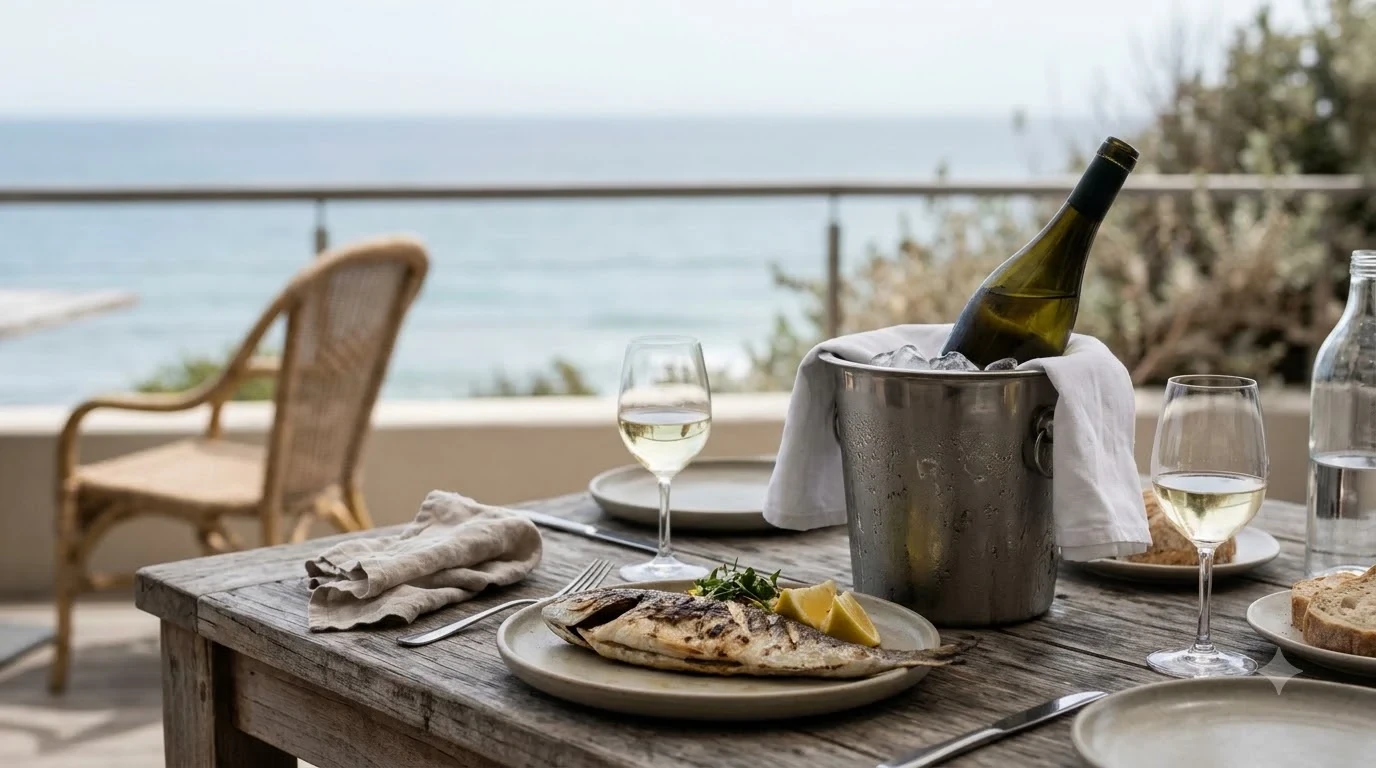

We may earn a commission when you buy through links on this page, at no extra cost to you. Learn more.
Cloudy Bay white wine is a Sauvignon Blanc-led range from Marlborough, New Zealand, founded in 1985 and known for fresh, herbaceous and tropical-fruited whites. The winery’s core style is bright and aromatic, with citrus, passion fruit and a grassy lift that makes it easy to pair with seafood, salads and herb-driven dishes. The producer also makes a barrel-fermented Sauvignon Blanc and a Chardonnay, so the range covers both crisp and richer white styles.
Cloudy Bay is one of the most recognized names in New Zealand wine, and many shoppers look for its white wines by the grape name rather than the brand. This guide covers where the wines come from, what the whites taste like, how to serve them, and what to pair with them, so you can decide which bottle suits your table.
Where Cloudy Bay white wine comes from
The winery was established in 1985 by David Hohnen, who also founded Cape Mentelle in Margaret River, Australia. Its buildings sit in the Wairau Valley, roughly 8 kilometers northwest of Blenheim, in the Marlborough region at the northern tip of New Zealand’s South Island. According to the brand’s official website, the story began with Marlborough Sauvignon Blanc, and the region remains central to the brand’s identity.
Ownership has changed over the years. Hohnen sold his remaining shares in 2003 to Veuve Clicquot, which brought the winery under the LVMH group. In 2014 the winery acquired its own vineyards in Central Otago, including Northburn Station, its first expansion outside Marlborough. For a shopper, the key point is that the core white wines still come from the Marlborough base, even as the group broadened its range of sites.
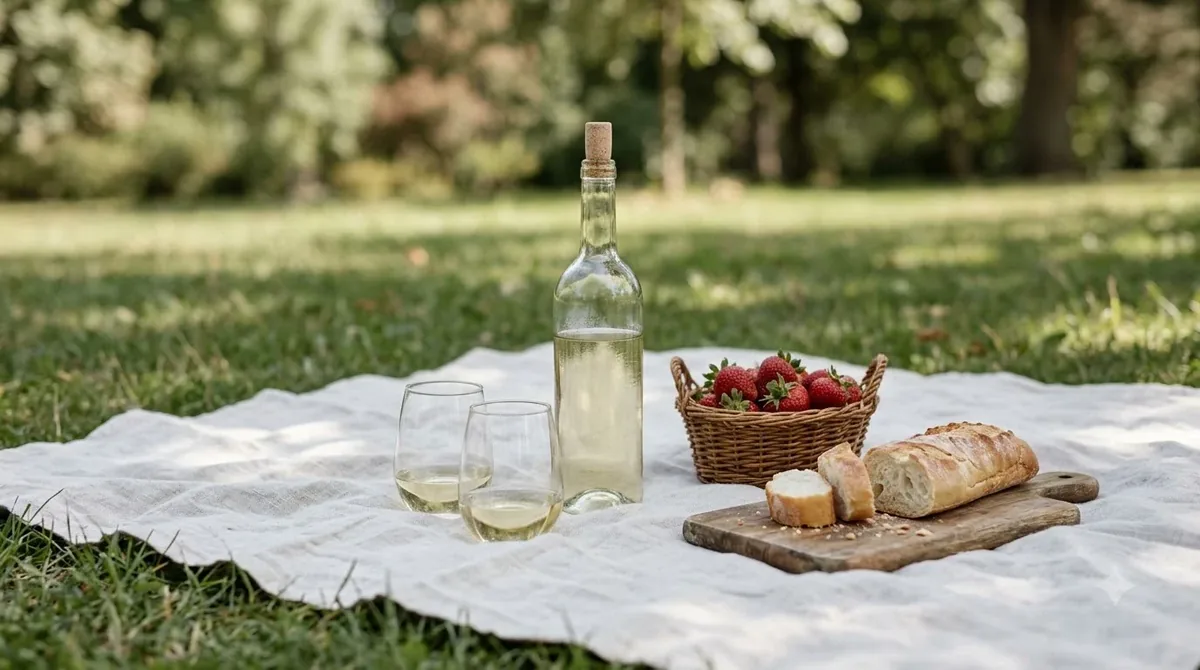
Sauvignon Blanc: the signature style
Sauvignon Blanc is the grape most people associate with Cloudy Bay. The winery’s site describes its 2026 Sauvignon Blanc as fresh, and the brand’s broader reputation rests on the aromatic style that Marlborough is known for. Wine Folly’s Sauvignon Blanc guide lists typical flavors that include freshly cut grass and other green, herbal notes, along with citrus such as grapefruit and lime and tropical passion fruit. Gooseberry, honeydew and white peach also appear in many bottlings.
The style comes from a combination of grape and place. Marlborough’s cool nights and long, dry autumns help the grapes hold acidity and develop their aromatic character. That is why a Marlborough Sauvignon Blanc often tastes more vivid and tropical than a Sauvignon Blanc from a cooler or warmer region, even when the grape is the same.
Tip: If you prefer a softer, rounder white, look for the barrel-fermented Sauvignon Blanc in the range. Barrel fermentation adds weight and texture, while the standard style stays brighter and more herbal.
The rest of the white range
Sauvignon Blanc is the brand’s best-known wine, but the range also includes Chardonnay, which the winery lists in its core range. Chardonnay from a cool New Zealand site tends to show fresher citrus and stone fruit than a warm-climate version, with less heavy oak. That makes it a good option for people who like a rich white but do not want a buttery wine, and it gives the range a second white style to compare against the Sauvignon Blanc.
The producer also makes sparkling wine under its Pelorus name, including a rosé. These bottles are useful for celebrations and for anyone who wants a dry, lively alternative to still whites. When you compare labels, check whether the bottle is a still wine or sparkling, since serving temperature and glassware differ.
How to serve Cloudy Bay white wine
Serving temperature has a big effect on how Sauvignon Blanc tastes. Wine Folly recommends serving it between 45 and 55 degrees Fahrenheit, and in a white wine glass. At that range the acidity stays crisp and the aromas stay expressive, without the bottle tasting thin or overly sharp.
Keep the bottle in the fridge until about 15 minutes before pouring, then let it sit on the table. Avoid putting a bottle of Sauvignon Blanc in the freezer to speed up cooling, since the wine can become too cold and lose aroma. Pour a moderate amount, and keep the rest chilled between glasses.
Glassware is worth a little attention too. A tulip-shaped white glass concentrates the aromas near the rim, which helps you pick up the herbal and citrus notes that define a Marlborough Sauvignon Blanc. A wide bowl can spread those aromas too far, so a standard white wine glass is usually the most practical choice for everyday drinking.
| Wine | Suggested serving approach |
|---|---|
| Marlborough Sauvignon Blanc | Chill to about 45 to 55 degrees Fahrenheit in a white wine glass |
| Barrel-fermented Sauvignon Blanc | Serve slightly warmer, around the top of the range |
| Chardonnay | Serve cool but not cold so the texture shows |
| Sparkling Pelorus style | Chill well and pour into a flute or tulip glass |
Food pairings that suit Cloudy Bay whites
The herbal and citrus notes of a Marlborough Sauvignon Blanc work well with foods that have fresh, green or acidic flavors. Wine Folly’s guide points to herb-driven sauces over chicken, tofu or fish, along with goat cheese and soft cheeses such as burrata and mozzarella. Thai and Vietnamese cooking also pair well, because the wine’s freshness balances chili and lime.
Seafood is the classic match. Grilled prawns, steamed white fish with lemon and dill, and oysters all suit the wine’s brightness. For the Chardonnay, try roast chicken, pasta with cream sauce, or grilled vegetables with a light butter sauce. The barrel-fermented style has enough weight for richer dishes.
How to choose a bottle
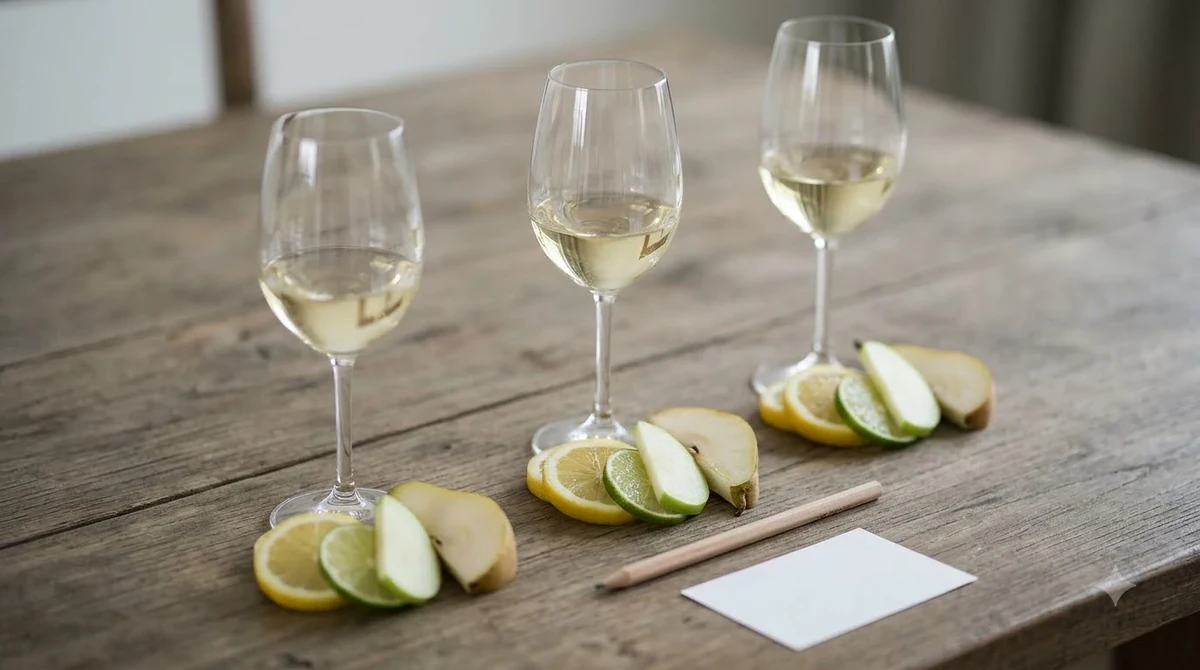
Start with the label. Confirm the grape, the vintage, whether the wine is still or sparkling, and whether the bottle is a standard or barrel-fermented style. Those details tell you more about the flavor than the brand name alone. A standard Sauvignon Blanc will be crisp and aromatic, while a barrel-fermented version will feel rounder and more textural.
Think about the occasion. For a casual dinner with salads and seafood, a standard Sauvignon Blanc is a reliable choice. For a special meal or a richer menu, the Chardonnay or barrel-fermented style offers more body. Storage matters too: keep bottles cool and away from light, and plan to drink most white wines within a few years of the vintage.
Frequently Asked Questions
Where is Cloudy Bay white wine made?
The winery is based in the Wairau Valley, near Blenheim in Marlborough, New Zealand. The brand’s story began with Marlborough Sauvignon Blanc, and the region remains central to its style.
Who founded Cloudy Bay?
David Hohnen founded the winery in 1985. He also founded Cape Mentelle in Margaret River, Australia. The winery later came under the LVMH group after Hohnen sold his remaining shares in 2003.
What temperature should I serve Cloudy Bay Sauvignon Blanc?
Wine Folly recommends serving Sauvignon Blanc between 45 and 55 degrees Fahrenheit, in a white wine glass. Chilling the bottle for a few hours before serving is usually enough.
What food goes with Cloudy Bay white wine?
Seafood, herb-driven chicken, goat cheese, soft cheeses and Thai or Vietnamese dishes all pair well with Sauvignon Blanc. The Chardonnay suits roast chicken and creamy pasta.
Cloudy Bay white wine rewards a simple approach: choose the style that fits the meal, chill it to the right temperature and pair it with fresh food. For more on how wine brands differ across regions, browse our Wine Brands guide, or compare a white from another producer such as Aveleda wine to see how a different region shapes the glass.
More in Wine Brands
 Underwood Wine Price: Compare Bottles, Cans, and Pack SizesUpdated Nov 21, 2026
 Zenato Wine Price: Compare Styles and Choose the Right BottleUpdated Nov 21, 2026
 Zuccardi Wine Price: Compare Bottles and Find the Right RangeUpdated Nov 21, 2026
 Yellow Tail Moscato Review: Taste, Sweetness and Serving TipsUpdated Nov 21, 2026
 Wolf Blass Yellow Label Review: Choose Your Best StyleUpdated Nov 21, 2026
 Wolffer Estate Rose Review: Choose the Right Bottle for Your TableUpdated Nov 21, 2026