

We may earn a commission when you buy through links on this page, at no extra cost to you. Learn more.
Sutter Home wine alcohol content varies by style, so the exact percentage is printed on each bottle’s label rather than set for the whole brand. Sweeter and lighter styles such as Moscato generally carry less alcohol than dry reds, but the only reliable number comes from the label of the bottle you are holding.
Sutter Home is one of the best-known American wine names, and many shoppers want to know how strong its bottles are before they pour a glass or plan a party. This guide explains why alcohol content differs across the lineup, where to find the figure, what the brand’s own materials say, and how to think about strength when you choose a bottle.
Why Sutter Home alcohol content is not one number
Sutter Home is a family-run winery in St. Helena, in Napa County, California, owned by Trinchero Family Estates. Its range is broad, spanning reds, whites, sweet styles and sparkling wines, and the brand also offers smaller bottles. Because each style is made differently, the alcohol content is not a single figure that applies to every bottle. The grape, the ripeness at harvest, and whether the winemaker stopped fermentation early all change the final strength.
That variety is the first point to understand. A dry table wine is usually fermented until most of the grape sugar becomes alcohol, which raises the strength. A sweeter wine often keeps some natural sugar in the bottle, which generally means a lower alcohol level. The brand’s website does not state alcohol by volume for its wines, so the label on each bottle is the source to trust.
Where to find the alcohol content on the label
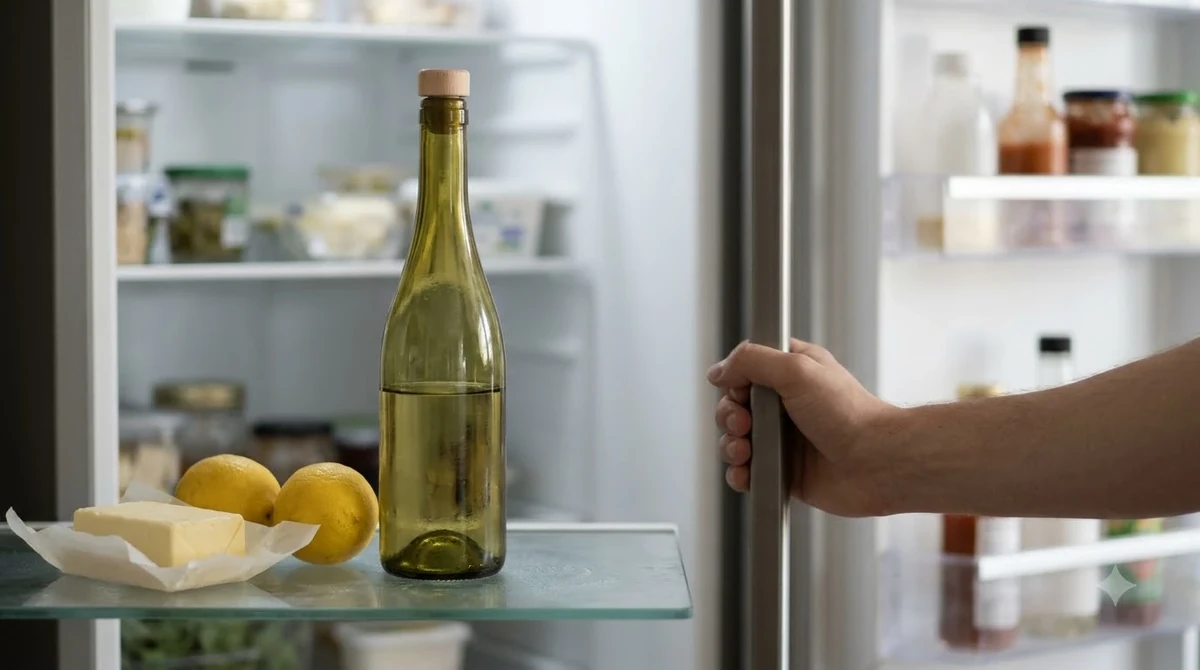
In the United States, wine labels show alcohol content as a percentage of alcohol by volume, often printed near the bottom of the back label or in a small block with the net contents and the producer’s name. Look for the phrase “alcohol by volume” or the abbreviation ABV next to the number. Some bottles also state the alcohol content on the front label, while others place it only on the back.
If you are buying a smaller bottle or a multipack, the same rule applies. Check each container’s label rather than assuming the figure matches a larger bottle of the same name, since packaging can carry different information depending on the product. If a label is hard to read in the store, take a photo and compare it with the producer’s product page before you buy.
| Style in the lineup | General alcohol level | What to check on the label |
|---|---|---|
| Sweet, fruit-forward whites and blush styles | Generally lower than dry wines | The exact ABV for that bottle |
| Moscato-style sweet wines | Usually on the lighter side | ABV and sweetness level |
| Dry red table wines | Typically higher than sweet styles | ABV and grape or blend |
| Mini bottles | Varies by varietal | ABV on each individual bottle |
The table gives a general sense of how the styles compare, but it is not a substitute for the printed figure. Treat it as a way to narrow your choice before you read the exact percentage.
What Sutter Home’s own materials say
The brand’s official Sutter Home website highlights a range of varietal wines and mini bottles, including Cabernet Sauvignon and Pinot Grigio, and its promotional pages emphasize casual occasions such as takeout dinners, game day and happy hour. Those pages do not publish alcohol-by-volume figures for the wines, so the website is more useful for learning the range than for checking strength.
The company’s history also helps explain the lineup. According to Wikipedia’s summary of the winery, the Trinchero family began making generic jug wines after buying the estate in 1948, and in 1972 introduced White Zinfandel, which became a best-selling premium wine in the United States by 1987. Sweeter styles like White Zinfandel and Moscato are part of that legacy, which is why many shoppers look for alcohol information on those products in particular.
How alcohol affects the taste of Sutter Home wines
Alcohol is part of what you taste. Higher-alcohol wines tend to feel fuller and warmer on the palate, while lower-alcohol wines often feel lighter and more refreshing. In a sweet white or a blush, the sugar and acidity balance the lower strength, which is one reason these styles are popular for casual drinking. In a dry red, the alcohol adds body and can make tannins feel firmer.
This matters when you plan how much to pour. A lighter wine can make a longer evening easier, while a stronger red suits a shorter, food-centered meal. Matching the wine to the occasion is often more useful than focusing on a single number. A picnic with fruit and light snacks suits a sweet, lower-strength white, while a dinner built around grilled meat or pasta with rich sauce gives a dry red more room to show its structure. Thinking about the meal first makes the strength question easier to answer.
Serving Sutter Home wines with a clear view of strength
Serve sweet whites and blushes well chilled, since cooler temperatures keep the fruit fresh and the sweetness balanced. Dry reds are better served slightly cool rather than warm, because warmth can make the alcohol feel more prominent. The brand’s pages do not publish specific serving temperatures, so use a general rule of chilling whites and lightly cooling reds.
Pour sizes matter as much as the bottle’s strength. A standard glass of wine is a reasonable serving, and a larger pour raises the total alcohol you drink, even when the wine itself is light. When several people share a table, it helps to lay out a mix of styles, so guests can choose a lighter wine or a fuller red without guessing at the strength. Setting out water or a non-alcoholic drink next to the bottles also keeps the table comfortable.
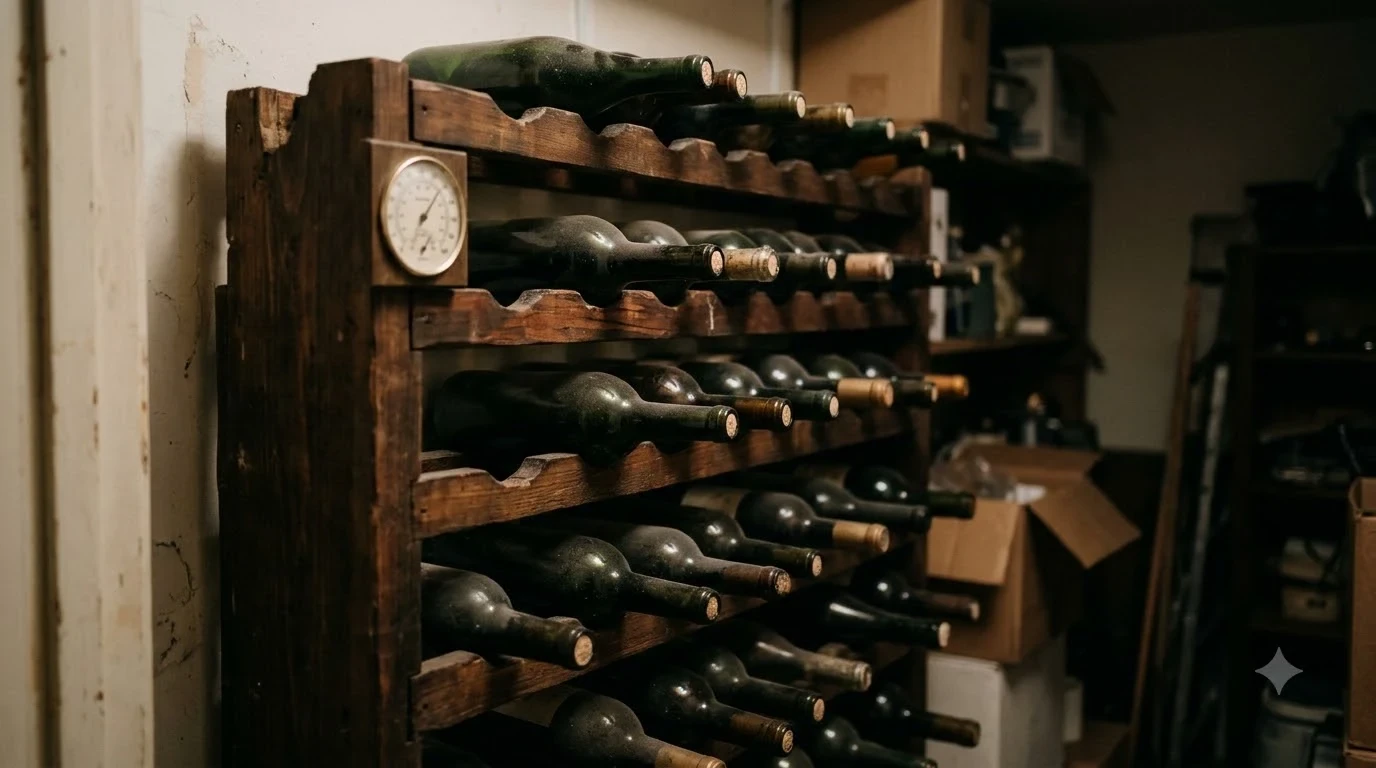
Storage has little effect on the printed alcohol figure, but it does affect how a wine tastes. Keep bottles out of direct sun and away from heat sources, and use leftover wine within a few days after opening, especially sweet whites and blushes, which lose their freshness faster than dry reds.
Frequently Asked Questions
Does Sutter Home publish alcohol content on its website?
The brand’s website highlights its wines and mini bottles but does not state alcohol by volume for them in the pages reviewed here. The label on each bottle is the most reliable source.
Is Sutter Home Moscato lower in alcohol than a dry red?
Sweet styles such as Moscato generally carry less alcohol than dry reds, but the exact figure depends on the bottle. Check the label to confirm the strength of the specific wine you are buying.
Where do I find alcohol content on a Sutter Home mini bottle?
Look at the label on the individual bottle. Each mini bottle carries its own statement, which can differ from the larger bottle of the same varietal.
Why does alcohol content vary within the same brand?
Each wine is made from a different grape and style, and the amount of sugar left after fermentation changes the final strength. Sweet styles tend to finish lower, while dry wines usually finish higher.
Sutter Home alcohol content is best checked on the bottle itself, since the strength depends on the style. Use the label as your guide, match the wine to the occasion, and keep pour sizes in mind. For related guides on specific Sutter Home styles, see the Sutter Home Moscato alcohol content page or the Sutter Home White Zinfandel alcohol content guide, and for the wider category, the wine brands guide.
More in Wine Brands
 Underwood Wine Price: Compare Bottles, Cans, and Pack SizesUpdated Nov 21, 2026
 Zenato Wine Price: Compare Styles and Choose the Right BottleUpdated Nov 21, 2026
 Zuccardi Wine Price: Compare Bottles and Find the Right RangeUpdated Nov 21, 2026
 Yellow Tail Moscato Review: Taste, Sweetness and Serving TipsUpdated Nov 21, 2026
 Wolf Blass Yellow Label Review: Choose Your Best StyleUpdated Nov 21, 2026
 Wolffer Estate Rose Review: Choose the Right Bottle for Your TableUpdated Nov 21, 2026