

We may earn a commission when you buy through links on this page, at no extra cost to you. Learn more.
Iron Horse wine comes from a Sonoma County estate known mainly for its sparkling wines, with Chardonnay and Pinot Noir as its still-wine core. The winery sits in the Green Valley of the Russian River Valley AVA, near Sebastopol, and the estate’s own page says it was founded in 1976 by Barry and Audrey Sterling. Every wine is made from the winery’s estate vineyards, and the producer marks 2026 as its 50th anniversary.
If you have seen Iron Horse on a restaurant list or a wine shop shelf and wondered whether it is worth a look, this guide covers the estate’s history, the main styles in its range, and practical advice on serving and pairing. The details come from the winery’s own material and from its published notes, so treat them as a guide to the house style rather than a verdict on a single release.
A sparkling estate with a long history
Iron Horse began as a sparkling wine project, and bubbles remain the heart of the brand. According to the winery’s site, it was founded in 1976 by Barry and Audrey Sterling and has built its reputation on handcrafted sparkling wine made from estate-grown fruit. That early focus sets the estate apart from many California producers that moved into sparkling only after building a name on still wines.
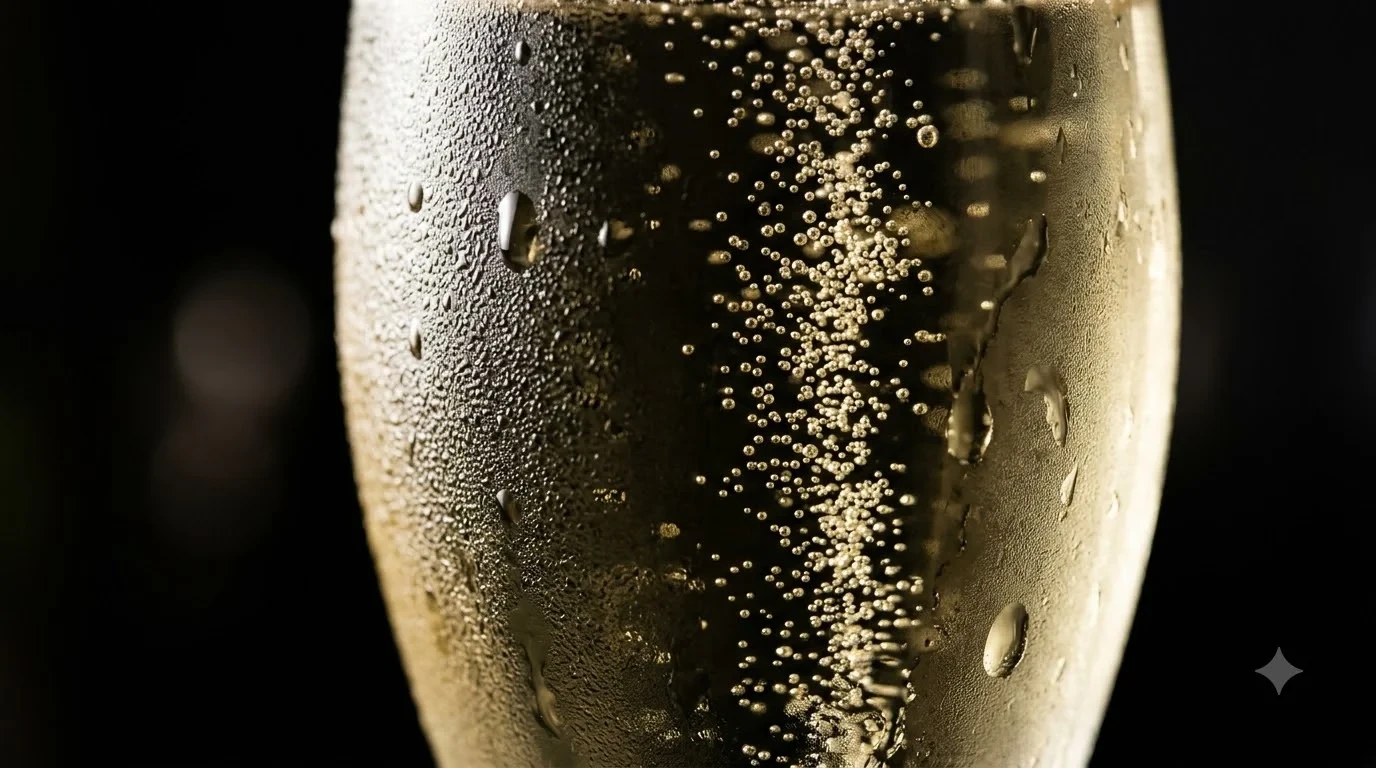
The estate’s sparkling range is the reason many readers come to the brand first. Its wines are made in the traditional method, with secondary fermentation in the bottle, and the house style leans toward fine bubbles, clean acidity and a precise finish. Over the decades the winery has added still wines, but the sparkling program still sets the tone for everything else it makes.
The Green Valley site and the estate fruit
The winery’s home is in the Green Valley of the Russian River Valley AVA, a cool pocket of Sonoma County close to the Sebastopol hills. Cool afternoons and morning fog from the Pacific help the grapes ripen slowly and keep their acidity, and that acidity is what makes the sparkling wines feel lively rather than heavy. Because the fruit comes from the estate’s own vineyards, the winery can control picking dates and farming choices closely.
Estate sourcing also explains the consistency across the range. When a single producer farms the fruit that goes into its wines, the house style tends to be easier to recognize from bottle to bottle, which is useful for a buyer who is trying to learn a brand. It also means the winery’s story and the vineyard story are closely linked.
| Style | What it tastes like | Good with |
|---|---|---|
| Sparkling wine | Fine bubbles, crisp citrus and bright acidity | Appetizers, oysters, celebrations |
| Blanc de Blancs | Lean, mineral and dry, from white grapes only | Shellfish, soft cheese, fried snacks |
| Chardonnay | Ripe orchard fruit with a fresh, structured finish | Roast chicken, creamy pasta, salmon |
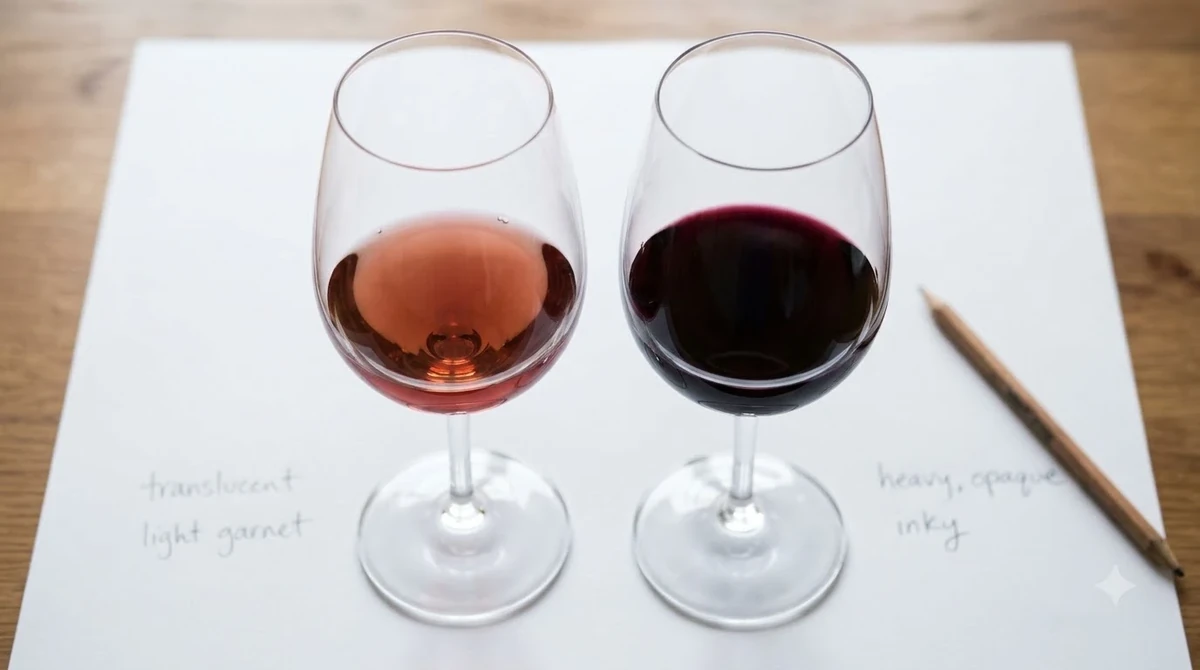
| Pinot Noir | Red berries and earth with fine, silky tannin | Duck, mushrooms, roast pork |
Chardonnay and Pinot Noir from the estate
The still wines are where many readers find a second favorite. The Chardonnay is made to balance fruit and texture: ripe apple and pear notes sit alongside a fresh, lifted acidity that keeps the wine from feeling flat. Among the estate’s named bottlings, the Native Yeast Chardonnay is the one the winery highlights for holiday meals, which reflects the house focus on wines that can handle rich food.
The Pinot Noir follows the same logic. It shows the red fruit and savory edges that Russian River Valley Pinot is known for, and the Home Ranch bottling is the one the winery pairs with a holiday feast. It works well for a buyer who wants a red that is food friendly without being heavy.
Tip: If you are unsure where to start, a sparkling bottle is a safe first purchase. It shows the estate’s core skill, and it works before a meal as easily as it works with one.
Serving Iron Horse wine at home
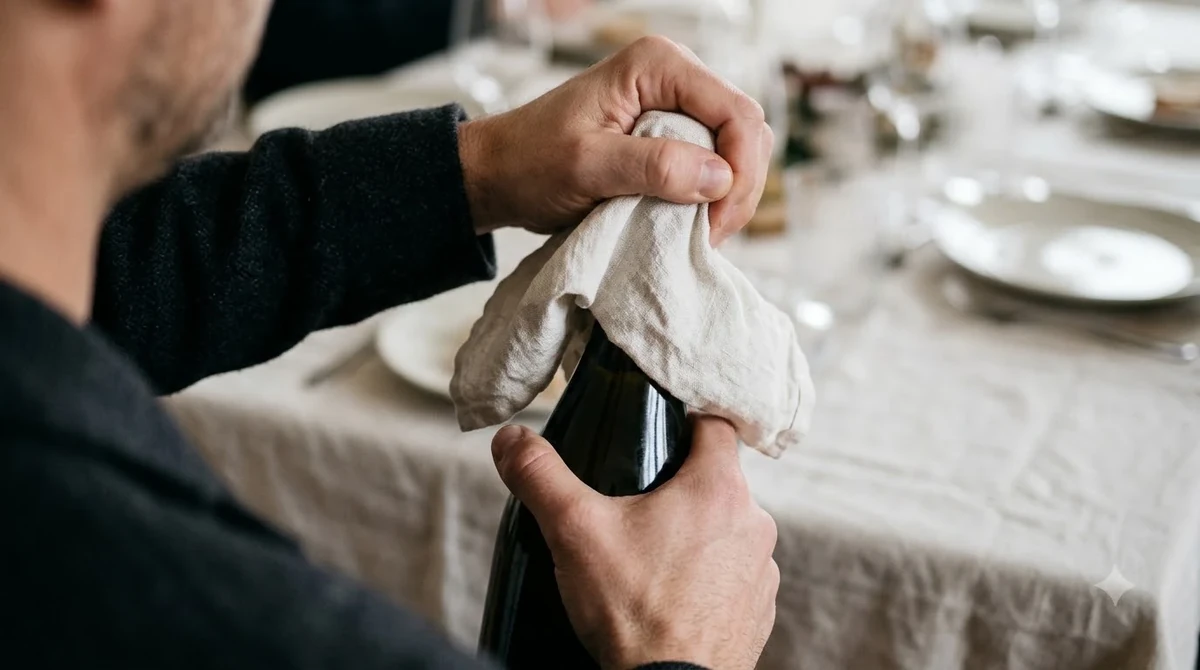
The winery’s own guidance is simple and practical: pour the sparkling wine as guests arrive, serve the Pinot Noir and Chardonnay with the main course of a holiday dinner, and save a large-format sparkling bottle for dessert. The idea is to match each style to a point in the evening rather than opening everything at once. A sparkling wine opened early keeps the table relaxed, and the still wines can carry the meal from start to finish.
Serving details matter for both styles. Sparkling wine should be well chilled and poured into a flute or tulip glass, which keeps the bubbles longer and concentrates the aromas. The Chardonnay is best served cool rather than cold, so the oak and the fruit can show together. The Pinot Noir benefits from a short rest after opening, and a wide red-wine glass gives the bouquet room to develop.
Pairing ideas and the magnum habit
The estate’s sparkling wines have a versatility that is easy to underrate. They pair with salty snacks, fried foods, soft cheeses and fruit desserts, and their acidity handles rich sauces better than many people expect. The winery has also shown sparkling wine alongside caviar at magnum tastings, a pairing that makes sense because the salt and fat of the caviar suit the wine’s acidity and bubbles.
For the still wines, match weight to weight. The Chardonnay suits roast poultry, creamy sauces and seafood with butter, while the Pinot Noir is a good partner for duck, mushroom dishes and roast pork. The estate’s Golden Cuvée, released only in magnum, is the wine the winery saves for dessert, and it shows how a large-format bottle can change the pacing of a meal.
If you are comparing this estate with other brands, the guide to La Marca Prosecco offers a useful contrast in how a different sparkling wine handles the same kind of meal. For a wider view of producers in the category, the wine brands hub lists other labels, and Dark Horse wine offers another take on a California label for everyday drinking.
Who Iron Horse suits and how to shop
Iron Horse suits buyers who like precise, food-friendly wines and want a Sonoma estate with a long sparkling track record. It is a good choice for a celebration, a holiday table or a dinner where you want something more considered than a standard supermarket pick. Readers who usually drink Prosecco may find the estate’s sparkling wine a step up in texture and length, while Pinot Noir drinkers can use the still wines to explore the Russian River Valley style.
When you shop, check the bottling name and the vintage. Several releases come in limited quantities, and some of the larger formats sell out quickly. The estate page is the most reliable place to confirm current bottlings and tasting notes, and you can read the winery’s website for the latest release information.
Frequently Asked Questions
Where is Iron Horse wine made?
The winery is in the Green Valley of the Russian River Valley AVA, near Sebastopol in Sonoma County, California, and it makes its wines from estate vineyards.
What is Iron Horse best known for?
The estate is best known for its handcrafted sparkling wines, which it has made since its founding. Chardonnay and Pinot Noir are the main still wines in the range.
Who founded Iron Horse?
The winery’s site says it was founded in 1976 by Barry and Audrey Sterling, and the estate marks its 50th anniversary in 2026.
What food goes with Iron Horse sparkling wine?
Sparkling wine from the estate pairs with salty snacks, oysters, fried appetizers, soft cheese and fruit desserts, and its acidity suits rich sauces as well.
Iron Horse wine is a good starting point for anyone who wants to understand Sonoma sparkling and cool-climate still wines in one place. Start with a sparkling bottle to learn the house style, then move to the Chardonnay or Pinot Noir for a meal. Serve each wine at a sensible temperature, pair it with food that suits its weight, and the estate’s character will come through.
More in Wine Brands
 Underwood Wine Price: Compare Bottles, Cans, and Pack SizesUpdated Nov 21, 2026
 Zenato Wine Price: Compare Styles and Choose the Right BottleUpdated Nov 21, 2026
 Zuccardi Wine Price: Compare Bottles and Find the Right RangeUpdated Nov 21, 2026
 Yellow Tail Moscato Review: Taste, Sweetness and Serving TipsUpdated Nov 21, 2026
 Wolf Blass Yellow Label Review: Choose Your Best StyleUpdated Nov 21, 2026
 Wolffer Estate Rose Review: Choose the Right Bottle for Your TableUpdated Nov 21, 2026