


We may earn a commission when you buy through links on this page, at no extra cost to you. Learn more.
What is corkage? It is the fee a restaurant or bar charges when a guest brings in their own bottle of wine and asks the staff to open it and serve it at the table. The charge pays for the glassware, the ice bucket, the opening service, and the use of the venue. Policies vary widely, so the house rules always decide whether a bottle is allowed and what it costs to open.
Many diners have heard the word on a restaurant menu or in a conversation about a special bottle, but few people know exactly what the charge covers. This guide explains how corkage works, why venues charge for it, what the typical practices look like, and how to avoid surprises when you plan to bring your own wine.
How a corkage fee works
A corkage fee is usually charged per bottle. The restaurant does not sell the wine, so the fee replaces the markup it would normally earn from a bottle on its own list. The house provides the opener, the stemware, and the service, and it expects to be paid for each of those things. The fee is often lower than the price of a comparable bottle on the wine list, which is why many guests consider it a good deal when they have a bottle they want to share.
The fee is typically paid when the bill is settled, and it is added to the check like any other item. Some venues include a stated limit, such as one bottle per guest or two bottles per table. Staff may decline to open a bottle that is already being served by the house, or a bottle that the restaurant considers a competitor to one of its own selections.
Why restaurants charge it
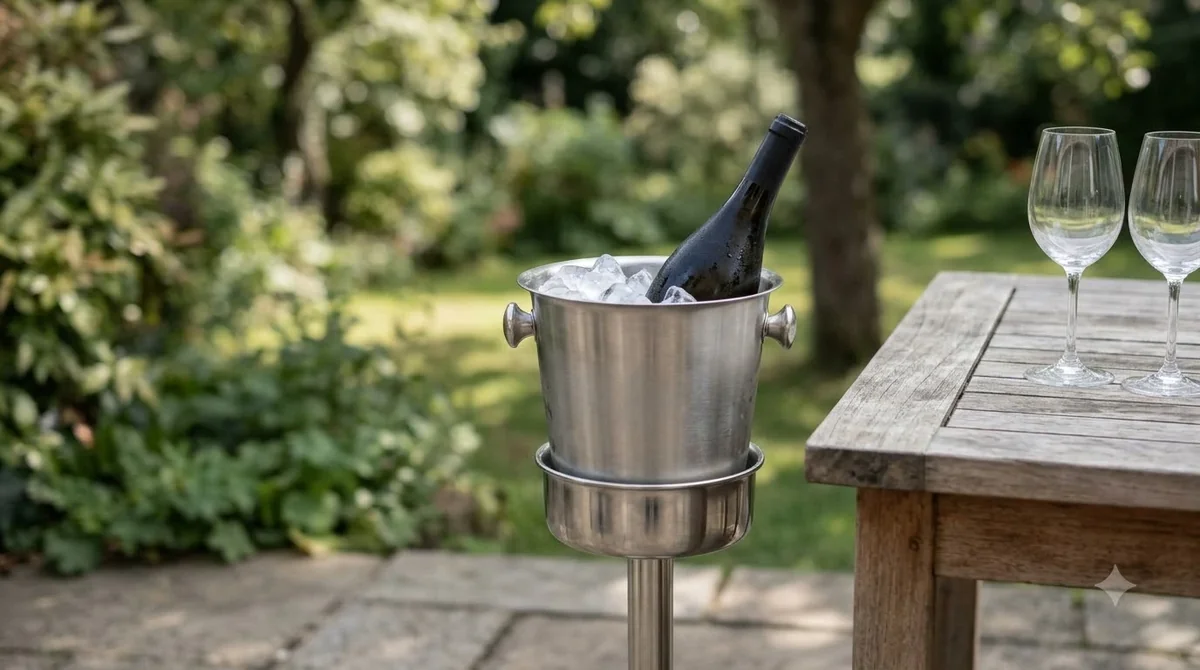
A restaurant earns most of its wine income from the bottles on its own list. When a guest brings a bottle from home, the venue loses that sale and still has to provide service. Staff must open the bottle, pour it correctly, and sometimes decant it. The restaurant also uses its glassware, its ice, and its table space, which all carry a real cost.
The wine-service industry has long treated corkage as a way to balance these costs. The Wikipedia article on corkage fees describes the practice as a charge for opening and serving a patron’s own alcohol, and it notes that the rule is often limited to wine. The same article points out that local liquor control laws and licensing rules shape these policies, so the same restaurant chain may run different corkage rules in different states or cities.
Typical corkage practices
Corkage policies generally fall into a few common patterns. Some restaurants accept any bottle without restriction, while others limit the fee to bottles that are not on their wine list. A few venues waive the fee on special occasions, and some charge a higher rate for spirits than for wine. The table below shows how these practices usually appear to guests.
| Situation | What usually happens |
|---|---|
| Bottle is on the restaurant’s own list | Often refused, because the house wants the sale |
| Standard bottle of wine | Fee applies per bottle, with a stated limit |
| Spirits or liquor | Many venues do not allow them, or charge more |
| Special occasion or celebration | Some venues waive the fee for a first bottle |
Tip: Call ahead and ask two questions: whether outside wine is allowed, and what the corkage charge is per bottle. The answers prevent most misunderstandings at the table.
How much corkage costs and how to compare it
Corkage charges differ from one venue to another, and they often depend on the type of restaurant and the local market. A fine-dining room usually charges more than a casual bistro, because its service and glassware are more elaborate. Rather than focusing on the fee alone, compare the total cost of bringing a bottle with the price of a similar wine on the list. A special bottle from home can still be a good value even with the fee added.
It also helps to think about the value of the service. A sommelier or server who decants an old bottle with care adds value that a home opener cannot provide. For a bottle that needs gentle handling, such as an aged red, the service can be worth the cost. For a simple everyday wine, the fee may not make sense.
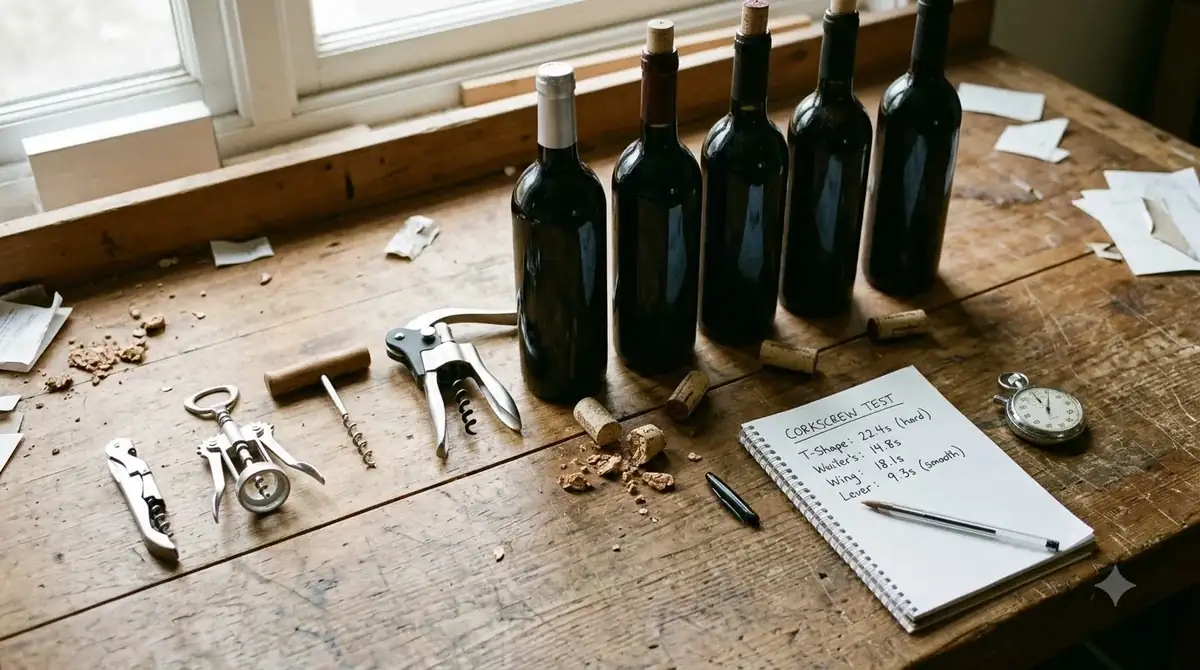
Another practical point is the condition of the bottle itself. Wine that has been stored upright for a long time may have a dry or crumbling cork, and a server may need a few extra minutes to remove it cleanly. If the bottle is very old or fragile, mention it when you hand it over so the staff can plan the service. A decanter can help with older red wines that carry sediment, because pouring slowly keeps the deposit in the bottle. Ask whether the restaurant has a decanter available before you rely on one.
Tips before you bring a bottle
Good manners make corkage a pleasant experience for everyone. Bring a bottle that the restaurant does not already offer, and avoid showing up with a wine that the house is known for pouring. Chill the bottle before you arrive if it is white, sparkling, or rosé, and let red wine rest at a suitable temperature. Consider offering the server a taste, which is a common courtesy, and tip the staff as you would for any other service.
Many guests also choose to share the bottle with the table rather than keep it for themselves. That gesture often makes the fee feel reasonable to the group. If the restaurant has a wine list with a strong selection, you may find that a bottle from its own cellar fits the meal better than one from home.
For a broader view of wine vocabulary, the guide to Wine Q&A covers many of the terms that servers and sommeliers use. If you are planning a dinner around a particular bottle, the explanation of what is a wine key is also useful, because the right opener makes the service smoother at the table.
Frequently Asked Questions
Is corkage the same as a service charge?
No. A service charge is usually a percentage added to the total bill for the staff. A corkage fee is a per-bottle charge for opening and serving wine that did not come from the restaurant. The two can appear on the same check, but they cover different things.
Can I bring my own wine to any restaurant?
Not always. Many restaurants allow outside wine but charge a fee, while some do not allow it at all. Local liquor laws and the restaurant’s own license rules decide the policy, so call ahead to confirm before you plan the evening.
Do I have to tip on the corkage fee?
Practices differ. Many guests tip on the total of the meal and the wine service, including the corkage charge, because the server handles the bottle. Check the venue’s policy or ask the server how they prefer to be tipped.
Is corkage worth it for a cheap bottle?
Usually not. Corkage makes the most sense for a bottle you already own, a rare vintage, or a wine the restaurant does not carry. For an inexpensive bottle, the fee can equal or exceed the cost of a similar wine on the list.
Corkage is a simple idea once the logic is clear: the restaurant provides service and equipment, and the fee pays for that. Ask about the policy before you arrive, compare the cost with the wine list, and bring a bottle that suits the meal. A thoughtful choice makes the fee feel like a fair trade for a memorable dinner.
More in Wine Basics
 Which Rose Is Best for Your Taste, Budget, and Food PairingsUpdated Nov 21, 2026
 Is Cheap Wine Bad? How to Find Bottles Worth DrinkingUpdated Nov 21, 2026
 What To Write On A Wine Gift Tag: Thoughtful Messages For Every OccasionUpdated Nov 21, 2026
 Which Wine Is Best For Weight Loss? Compare Lower-Calorie ChoicesUpdated Nov 21, 2026
 What Is The Best Wine For Mimosas? Choose Bubbly That Balances Orange JuiceUpdated Nov 20, 2026
 Which Prosecco Is Best for Your Taste and OccasionUpdated Nov 20, 2026