
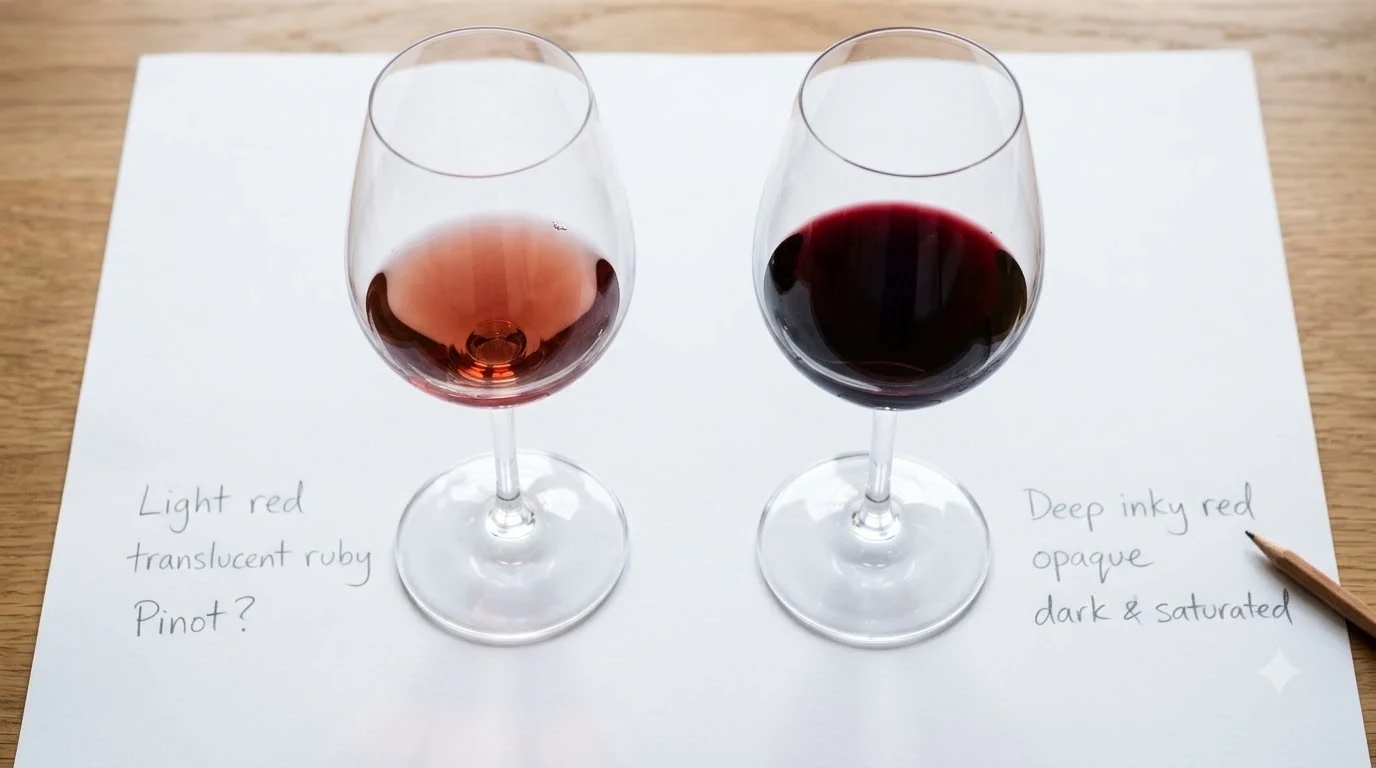

We may earn a commission when you buy through links on this page, at no extra cost to you. Learn more.
Chehalem wine comes from Chehalem Estate in Oregon’s Willamette Valley, a producer that works with the cool, rainy hillside vineyards of the Chehalem Mountains. Its wines are best known for Pinot Noir and the white varieties that suit Oregon’s climate, such as Pinot Gris and Chardonnay. If you want a clear picture of Oregon wine, the estate is a practical place to start, because its location shows how the region’s terroir shapes what ends up in the glass.
Chehalem is a name that shows up on Oregon wine lists and shop shelves, but people often ask where it fits within the state’s wine map. This guide explains where the wines come from, what the region contributes to their style, how to serve them, and what to pair with them.
Where Chehalem wine comes from
The estate’s official website presents Chehalem as a premium producer based in Oregon’s Willamette Valley, the state’s best-known wine region. The site’s contact address points to Sherwood, Oregon, a short drive southwest of Portland, and the winery describes its wines as premium products from the valley. Ownership information on the site links to the Stoller Wine Group, which is a useful detail for shoppers who want to know how the estate fits into a larger group.
The name also points to a specific landscape. The Chehalem Mountains are a range of hills inside the broader Willamette Valley, and they have their own federally recognized appellation. Naming the estate after the range signals a link to that hillside landscape, though the site itself does not list every vineyard location.
The Chehalem Mountains appellation
The Chehalem Mountains American Viticultural Area was established on November 27, 2006, by the federal Alcohol and Tobacco Tax and Trade Bureau. It covers about 68,265 acres in northwestern Oregon, spanning Washington, Yamhill and Clackamas counties. The appellation sits roughly 19 miles southwest of Portland and about 45 miles inland from the Pacific Ocean.
Inside that area, at least 36 vineyards cover more than 2,685 planted acres, and around 40 commercial wineries operate within the boundaries. Two sub-appellations were added in 2020: the Laurelwood District AVA and the Ribbon Ridge AVA. For a wine drinker, those details matter because they show how many distinct sites exist within a relatively small region, which is why labels that name a sub-appellation often give a more specific sense of style.
Climate, soils and what they mean for the wine
The Chehalem Mountains fall within Oregon’s cooler climate zones. The appellation records between 1,800 and 2,200 growing degree days and a growing season of about 223 days. Annual rainfall ranges from about 37 to 60 inches, with the heaviest rain falling at the higher peaks. Cool, wet springs can slow ripening, while dry autumns allow grapes to finish developing flavor and acidity.
Soils are another reason the area is varied. The appellation’s own documentation describes soils of loess, sedimentary, basaltic and alluvial origins. Because those soils change from one slope to the next, the region does not rely on a single soil type to define its wines. Instead, the variety of sites gives winemakers many options, and it explains why labels that name a specific vineyard or sub-appellation can taste noticeably different from one another.
Main grapes and styles
The appellation’s main grapes include Pinot Noir, Pinot Gris, Chardonnay, Pinot Blanc, Riesling, Gamay Noir and Auxerrois. Pinot Noir is the region’s signature red, and it tends to show red cherry and raspberry fruit with savory, earthy notes and fresh acidity. White wines from the area often feel crisp and mineral, with bright fruit that suits food.
When you read a Chehalem label, the grape name and the vineyard or sub-appellation will tell you the most about what to expect. A Pinot Noir from a cooler hillside site is usually more structured and tightly focused than a fruit-forward bottling from a warmer year, so it is worth reading the back label or the producer’s description before choosing.
Tip: If you are new to Oregon wine, a Pinot Noir from the Willamette Valley is a good starting point. Look for the sub-appellation name on the label if you want a more specific sense of the site.
How to serve Chehalem Pinot Noir
Pinot Noir is a light-to-medium red, and it shows best when served slightly cooler than the warmest room temperature. Wine Folly’s Pinot Noir guide recommends serving it ideally between 55 and 60 degrees Fahrenheit, which keeps the alcohol from overwhelming the red fruit and earthy notes. A short rest in the fridge before pouring is usually enough.
Pinot Noir does not need heavy decanting. A short rest in the glass is enough to let the aromas open. Use a medium-sized glass with a wide bowl, and pour about half a glass so the wine can breathe as you drink it.
| Wine type | Suggested serving approach |
|---|---|
| Pinot Noir | Serve slightly cool, about 55 to 60 degrees Fahrenheit |
| Pinot Gris or Pinot Blanc | Chill well and serve in a standard white glass |
| Chardonnay | Serve cool but not cold, so the texture shows |
| Riesling | Serve chilled, which keeps the acidity lively |
Food pairings that suit Oregon wine
Chehalem’s reds pair well with the same foods that suit most Pinot Noir: roast duck, salmon, mushroom dishes and roast chicken. The wine’s acidity cuts through rich food, and its earthy notes complement herbs and roasted vegetables. White wines from the region work well with seafood, soft cheeses and light poultry dishes.
Oregon’s produce-driven cooking is a natural match. Grilled salmon with fresh herbs, sauteed mushrooms on toast and roasted root vegetables all suit a cool-climate wine. Keep the sauces light for white wines and choose richer preparations for the red.
How to choose a bottle
Start by reading the label for the grape, the vintage and the appellation. A bottle that names a sub-appellation, such as Ribbon Ridge or Laurelwood, usually points to a specific set of conditions that you can compare with other bottles. If you are buying for a meal, decide whether you want a red or a white first, then narrow the choice by style.
Vintage matters in a cool region. A cooler year can produce a leaner wine with brighter acidity, while a warmer year often gives riper fruit and a softer texture. Neither is better by default, so choose based on the dish you are planning to serve.
Frequently Asked Questions
Where is Chehalem wine made?
The estate’s website places the winery in Oregon’s Willamette Valley, with an address in Sherwood, Oregon. Many of the producer’s vineyards are associated with the Chehalem Mountains, a named appellation inside the valley.
What are the Chehalem Mountains?
The Chehalem Mountains are a range of hills in northwestern Oregon, recognized as an American Viticultural Area since 2006. The appellation covers about 68,265 acres and includes two sub-appellations added in 2020.
What grapes are grown in the Chehalem Mountains?
The appellation lists Pinot Noir, Pinot Gris, Chardonnay, Pinot Blanc, Riesling, Gamay Noir and Auxerrois among its main grapes. Pinot Noir is the region’s best-known red.
How should I serve Chehalem Pinot Noir?
Serve it slightly cool, around 55 to 60 degrees Fahrenheit, according to Wine Folly’s Pinot Noir guide. A short rest in the glass is usually enough, and heavy decanting is not needed.
Chehalem gives a clear window into Oregon wine, from the Willamette Valley to the hillside sites of the Chehalem Mountains. Check the sub-appellation on the label, serve Pinot Noir slightly cool, and pair the wines with fresh, seasonal food. To see how brands are organized across regions, browse our Wine Brands guide, or compare the approach of Aveleda wine from another wine region.
More in Wine Brands
 Underwood Wine Price: Compare Bottles, Cans, and Pack SizesUpdated Nov 21, 2026
 Zenato Wine Price: Compare Styles and Choose the Right BottleUpdated Nov 21, 2026
 Zuccardi Wine Price: Compare Bottles and Find the Right RangeUpdated Nov 21, 2026
 Yellow Tail Moscato Review: Taste, Sweetness and Serving TipsUpdated Nov 21, 2026
 Wolf Blass Yellow Label Review: Choose Your Best StyleUpdated Nov 21, 2026
 Wolffer Estate Rose Review: Choose the Right Bottle for Your TableUpdated Nov 21, 2026