

We may earn a commission when you buy through links on this page, at no extra cost to you. Learn more.
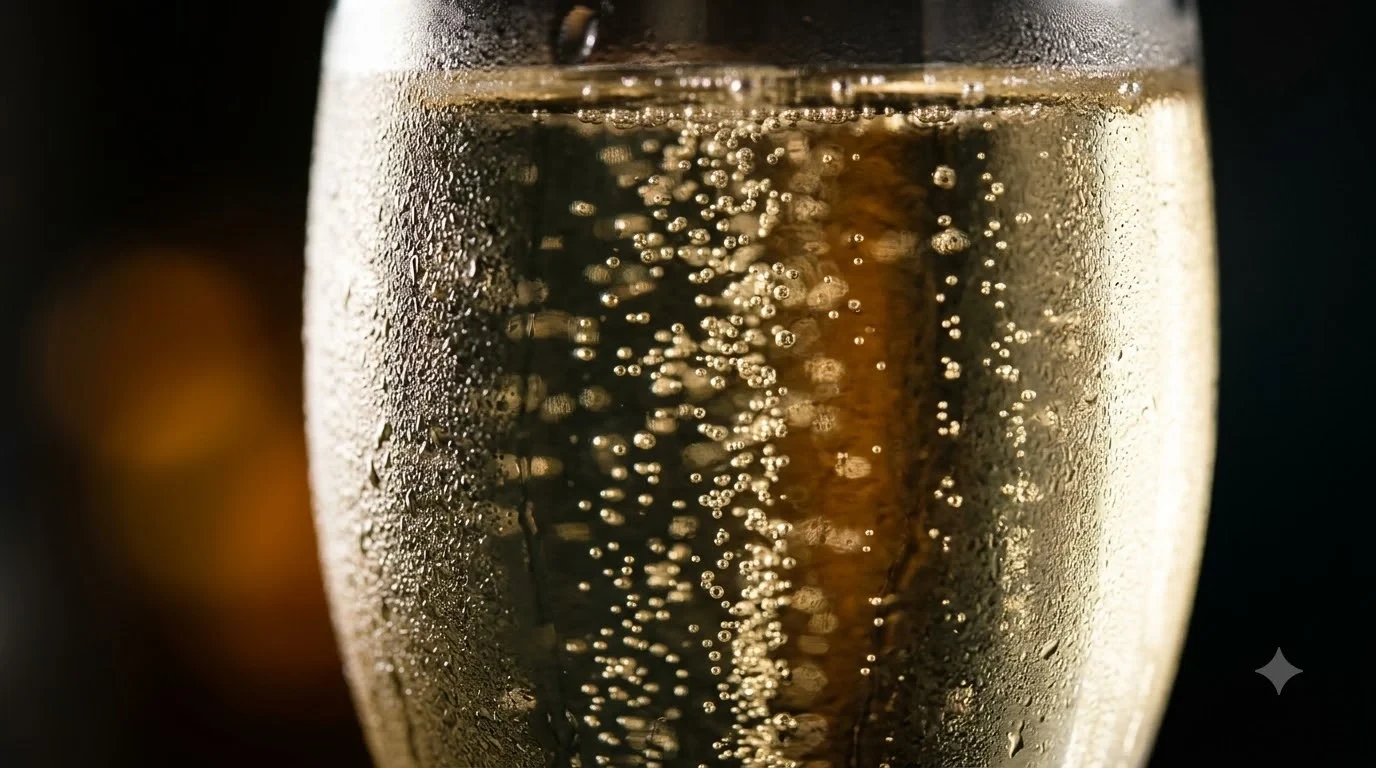
Bellavista wine is best understood through the style of Franciacorta, a premium Italian sparkling wine from Lombardy. Franciacorta is made by the traditional method, the same method used for Champagne, and it is built on Chardonnay with smaller shares of Pinot noir and Pinot Blanc. If a bottle carries the Franciacorta name, you can expect a dry, fine-bubbled sparkling wine with bright citrus and toasty notes.
People who search for Bellavista wine usually want to know what the bottle will taste like, how it compares with Champagne or Prosecco, and whether it suits a celebration or an everyday dinner. This guide explains the region, the grapes, the production rules, and the flavor profile that define Franciacorta, so you can judge a bottle from its label and its style.
Where Franciacorta comes from
Franciacorta is an Italian sparkling wine from the province of Brescia in the Lombardy region of northern Italy. According to the Wikipedia entry on Franciacorta, the area first received DOC status in 1967, when that designation also covered still wines. Since 1995, the DOCG classification has applied exclusively to the sparkling wines of the area, which is why a Franciacorta label signals a specific production standard.
Reading the region’s name on the label tells you that the wine follows these local rules, even if the producer’s own story is not printed on the front. The rules cover where the grapes grow, how the wine is made, and how long it ages, so they give you a reliable baseline before you compare one bottle with another.
The grapes behind the style
Franciacorta relies on three main grapes, and the blend shapes the flavor. The Wikipedia entry on Franciacorta lists the permitted varieties as 85 percent Chardonnay, 10 percent Pinot noir, and 5 percent Pinot Blanc. Chardonnay gives the wine its citrus, green apple, and fresh structure, while Pinot noir adds body and a subtle red fruit note.
Wine Folly notes that Franciacorta uses the same grapes as Champagne, with the addition of Pinot Blanc. The result is a wine that often feels fuller than a simple, light sparkling wine, while still staying crisp and clean on the palate.
How Franciacorta is made and aged
Franciacorta is made by the traditional method, which means the second fermentation happens inside the bottle. That process creates the fine bubbles and the toasty, biscuit-like character that many drinkers associate with high-quality sparkling wine. The grapes must come from the Franciacorta territory, so the wine reflects local fruit rather than wine bought in from elsewhere.
Aging rules matter for the final taste. The Wikipedia entry on Franciacorta states that non-vintage wines are released no earlier than 25 months after harvest, with at least 18 months in contact with yeast in the bottle. Vintage wines, sold as Millesimato, are released no earlier than 37 months after harvest, with at least 30 months on the yeast. The longer aging gives the wine more depth, and it is one reason the style often feels richer than a fresh, young sparkling wine.

Flavor and style to expect
Wine Folly’s Franciacorta guide describes the wine as dry and light-bodied, with high acidity and no tannins. Its primary flavors include lemon, peach, white cherry, almond, and toast. Alcohol usually falls between 10 and 11.5 percent by volume, which keeps the wine lively and easy to share over a long meal.
| Element | Franciacorta style | What it means in the glass |
|---|---|---|
| Body | Light to medium | Refreshing without feeling thin |
| Acidity | High | Keeps the finish clean and bright |
| Tannin | None | Smooth from first sip to last |
| Fruit | Lemon, peach, white cherry | Pairs with seafood and light appetizers |
| Toast and nuts | Almond, toast | Adds depth from the aging process |
Tip: Look for the Franciacorta name on the label and the vintage year if you want an older, more layered wine. A non-vintage bottle is the simpler choice for everyday sharing, since its style stays more consistent from year to year.
How to serve and pair Franciacorta
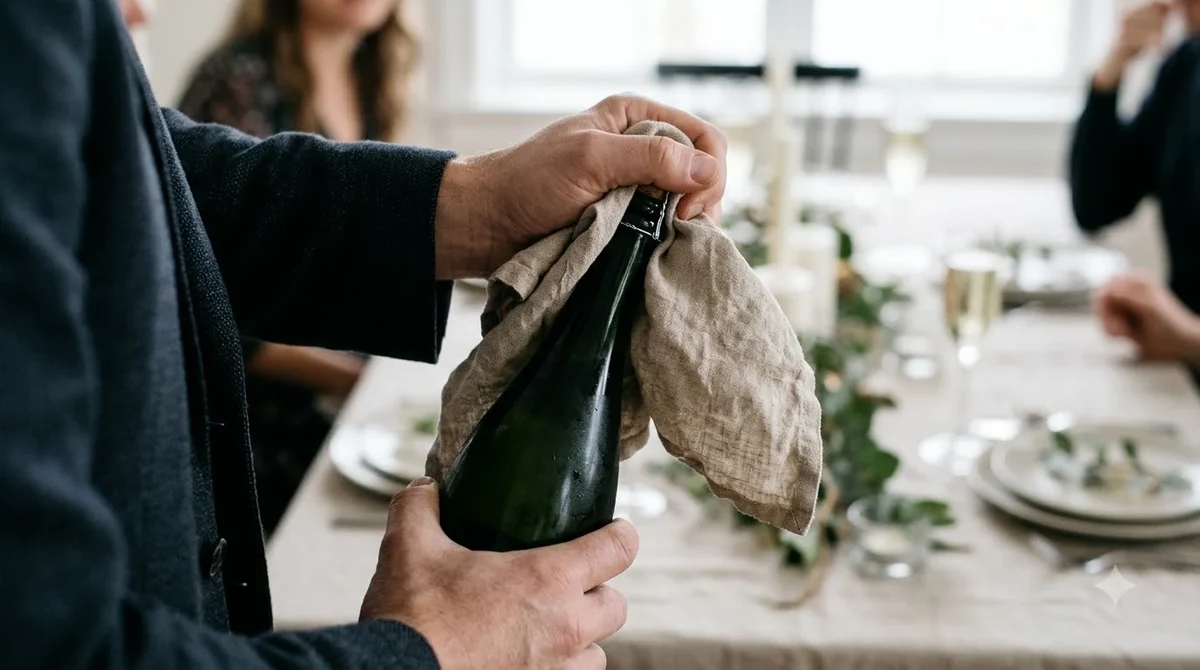
Wine Folly recommends serving Franciacorta at 38 to 45 degrees Fahrenheit, or about 3 to 7 degrees Celsius, in a flute. The wine does not need decanting. Pour slowly down the side of the glass so the bubbles stay fine and the aromas do not escape too quickly. A flute keeps the bubbles lively and the aromas concentrated, while a wider glass can help you notice the toasty notes if the wine has aged longer.
Franciacorta is versatile at the table. Its acidity and light body suit seafood, fried appetizers, soft cheeses, and light pasta dishes. The almond and toast notes also complement roasted chicken or a simple salad with nuts. Because the wine has no tannins, it pairs well with foods that would clash with a firm red.
Choosing a Franciacorta bottle
If the bottle you are considering is labeled Bellavista, check that the Franciacorta name also appears on the label, since that classification sets the production rules this guide describes. If you want a bottle for a special occasion, a vintage Millesimato offers more depth. For a dinner with friends, a non-vintage bottle gives you a consistent style and an easy pour.
It also helps to compare Franciacorta with other styles you already enjoy. If you like a crisp white, a lighter option such as Aveleda wine can be a useful point of comparison. For a broader view of how producers position their wines, the wine brands guide is a helpful next step.
Storage is simple but worth getting right. Keep an unopened bottle lying on its side or upright in a cool, dark place away from heat and strong light, since warm conditions can age a sparkling wine faster than intended. Once the bottle is open, a sparkling stopper can help keep some of the bubbles, though the wine will still lose its lift over a day or two. A chilled bottle served in one sitting is the best way to enjoy its freshness.
The style also suits a range of occasions. A bottle of Franciacorta fits a celebration or a quiet weekend lunch, and its dry finish means it does not overwhelm the food around it. If you are hosting, plan on one bottle per two or three guests for a relaxed tasting, and open a second bottle if the meal runs long.
Frequently Asked Questions
Is Franciacorta the same as Champagne?
No, but the two are closely related. Franciacorta is made by the traditional method and uses similar grapes, but it comes from Lombardy in Italy, and its production rules differ from those of Champagne.
Is Franciacorta sweet or dry?
Franciacorta is typically dry, with high acidity and fine bubbles. Its fruit and toast notes can read as rich, but the wine itself is not sweet.
How long can I keep a bottle of Franciacorta?
Wine Folly notes that Franciacorta can be cellared for several years, with a recommended range of 5 to 10 years. Most bottles are ready to drink on release, but a vintage bottle can develop more depth with time.
What should I serve with Franciacorta?
Seafood, light appetizers, soft cheeses, and simple pasta dishes all work well. Its acidity and lack of tannins make it easy to pair with many foods.
Bellavista wine is easiest to judge once you know the Franciacorta style behind it. Check the label for the Franciacorta name and the vintage, serve the wine cold in a flute, and enjoy the crisp, toasty character that defines the region. For more on wine brands and their styles, visit the wine brands guide.
More in Wine Brands
 Underwood Wine Price: Compare Bottles, Cans, and Pack SizesUpdated Nov 21, 2026
 Zenato Wine Price: Compare Styles and Choose the Right BottleUpdated Nov 21, 2026
 Zuccardi Wine Price: Compare Bottles and Find the Right RangeUpdated Nov 21, 2026
 Yellow Tail Moscato Review: Taste, Sweetness and Serving TipsUpdated Nov 21, 2026
 Wolf Blass Yellow Label Review: Choose Your Best StyleUpdated Nov 21, 2026
 Wolffer Estate Rose Review: Choose the Right Bottle for Your TableUpdated Nov 21, 2026