

We may earn a commission when you buy through links on this page, at no extra cost to you. Learn more.
What wine goes with pork tenderloin? Pinot Noir is the most reliable red choice, while an unoaked or lightly oaked Chardonnay, a dry rosé or an off-dry Riesling also work well. Pork tenderloin is lean and mild, so the wine should be light enough not to overpower the meat but still have enough acidity or fruit to match the sauce or seasoning on the plate.
Pork tenderloin is one of the easiest proteins to pair with wine because it does not carry the heavy fat or strong gamey flavor of some cuts. That gives you room to choose based on how the dish is cooked and sauced. A simple herb-rubbed roast calls for a different bottle than a mustard cream sauce or an apple and cider glaze. This guide walks through the main options and how to match them.
Why pork tenderloin is easy to pair
The tenderloin is a long, narrow cut from along the spine, and according to the entry on pork tenderloin, it is the most tender part of the animal. Because it is lean, its own flavor is subtle. Wine pairing with pork is less about matching intensity and more about balancing the sauce, the seasoning and the cooking method. Roasting, grilling and pan searing all add browning and caramelized notes that a wine can echo or contrast.
Pork is also commonly marinated or served with fruit, mustard, garlic, rosemary or sage. Each of those ingredients nudges the pairing in a different direction, so it helps to think about the sauce first and the meat second.
Best red wines for pork tenderloin
Red wine works with pork tenderloin when the bottle is light to medium bodied and not heavily tannic. Tannin can feel harsh against lean meat, so the best reds for this dish are usually fruit-forward and low in grip.
Pinot Noir is the standard recommendation for good reason. It is one of the few red wines that stays light enough to sit beside lean pork without drying out the palate, and its natural acidity makes it a practical partner for a wide range of seasonings.
Pinot Noir is the standard recommendation. Its red cherry and raspberry flavors and bright acidity suit roasted pork, and its earthy notes complement herbs like thyme and sage. Gamay, the grape of Beaujolais, is another good choice because it is juicy and light, which works well with a fruit glaze. A mid-weight Grenache or a young Chianti with moderate tannin can also match a tomato-based or Mediterranean-style preparation.
White and rosé options that suit pork
White wine is often the more natural match for pork tenderloin, especially when the dish is finished with cream, butter or lemon. The key is acidity, which cuts through richness, and texture, which mirrors the meat.
Unoaked or lightly oaked Chardonnay works with cream and mushroom sauces because it has enough body to stand up to them without clashing. Dry Riesling with some fruit sweetness is a strong partner for apple, pear or mustard-glazed pork, since the sugar in the wine balances the sweetness and salt in the sauce. A dry rosé with red fruit and crisp acidity is an easy all-purpose option that fits a simple roast or grilled tenderloin in warm weather.
| Dish style | Wine that fits well | Why it works |
|---|---|---|
| Herb-rubbed roast | Pinot Noir | Red fruit and earthy notes match thyme and sage |
| Mustard cream sauce | Unoaked Chardonnay | Body and acidity handle richness without overpowering |
| Apple or pear glaze | Off-dry Riesling | Fruit sweetness balances sweet and salty glaze |
| Grilled with lemon | Dry rosé | Crisp acidity and red fruit suit smoky char |
| Tomato or Mediterranean style | Young Chianti or Grenache | Bright acidity and moderate tannin match tomato and olive |
Matching the wine to the cooking method
How the tenderloin is cooked often matters as much as the sauce. Each method leaves a different flavor on the meat, and the wine can either repeat that flavor or offer a contrast to it.
Roasting in the oven with herbs and garlic produces gentle browning and a savory aroma. A Pinot Noir or a light Gamay brings out the herbs without adding heaviness. If the roast is finished with a pan jus, a little more body in the wine, such as a mid-weight Grenache, helps the pairing feel complete.
Grilling or pan searing adds smoky char and crisp edges. Those notes pair well with dry rosé and lightly oaked whites, because the wine’s freshness lifts the smoke without competing with it. A bottle with some fruit, such as a juicy red from a warm region, can also work if the grill marks are light and the seasoning is simple.
Slow cooking or braising gives a softer, more tender texture and concentrates the flavors of the cooking liquid. In that case, match the wine to the braising liquid. A broth-based dish with onions and apples leans toward Riesling, while a tomato or wine-based braise suits a light red with good acidity.
Breaded or pan-fried cutlets, which are a common style in the American Midwest according to the Wikipedia entry on pork tenderloin, are crisp and mild. A sparkling wine or a bright, unoaked white with citrus notes is a good fit, because the acidity cuts through the fried coating.
Serving tips for the best match
Serving temperature changes how a wine tastes with food. Light reds such as Pinot Noir and Gamay are generally served slightly cooler than room temperature, while whites and rosés taste crisper when chilled. A few minutes in the refrigerator before serving can make a noticeable difference, especially for lighter wines.
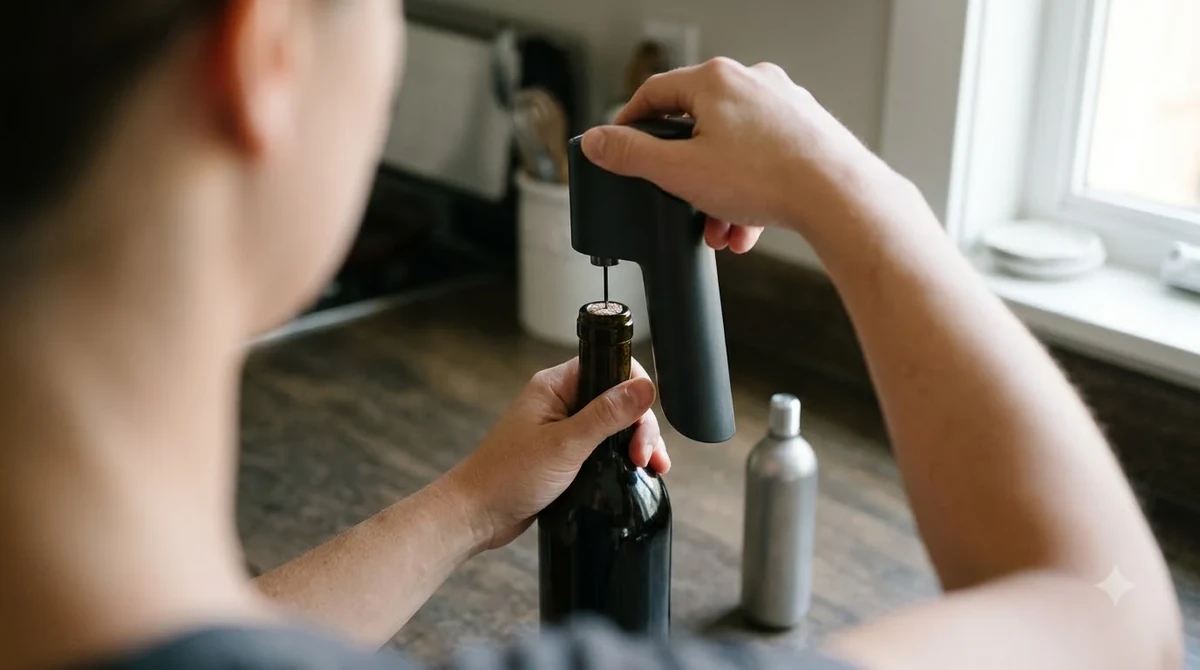
When you open the bottle, decide whether it will be shared with the meal or set aside for later. A Pinot Noir or Gamay usually holds up for a day or two once re-corked and refrigerated, while a delicate white or rosé is best finished the same evening. Planning around that difference keeps the wine at its best for the whole meal.
It also helps to pour a little of the wine while cooking. If the sauce includes wine, use a bottle of the same style you plan to serve, or a close relative, so the flavors in the pan and in the glass come from the same family.
Tip: If the tenderloin is sauced heavily, match the wine to the sauce rather than the meat. A creamy mushroom sauce points to Chardonnay, while a sharp mustard or vinegar glaze points to Riesling or a dry rosé.
Frequently Asked Questions
Is red or white wine better with pork tenderloin?
Either can work. Red wine suits herb-roasted tenderloin, especially with a light, low-tannin Pinot Noir. White wine or rosé is often better with creamy, lemony or fruit-glazed versions because acidity and texture balance the sauce.
What is the best wine for a pork tenderloin with apples?
An off-dry Riesling is a strong choice. Its fruit sweetness and acidity echo the apple and balance the savory notes of the pork. A dry Riesling also works if the glaze is less sweet.
Can you serve Pinot Noir with pork?
Yes. Pinot Noir is one of the most common pairings for pork because it has red fruit, moderate tannin and bright acidity. It is especially good with roasted or herb-seasoned pork.
Should the wine used in cooking match the wine served?
Ideally, yes, or at least use a wine in the same style. Cooking with a wine that is similar to the one you serve keeps the flavors consistent. A dry white works for cream sauces, and a light red suits herb or tomato sauces.
Pork tenderloin gives you a lot of flexibility. Start with the sauce, choose a wine that matches its weight and acidity, and keep the bottle light enough that the pork still stands out. For more pairing ideas, the wine pairing guide covers other common dishes, and if you are planning a meal around poultry, the chicken Marsala pairing guide offers a useful comparison.
More in Food & Wine Pairing
 Risotto With White Wine Recipe: Make a Creamy Dinner at HomeUpdated Nov 20, 2026
 Wassail With Wine Recipe for a Festive Spiced Holiday DrinkUpdated Nov 20, 2026
 Spritz Veneziano Recipe: Make a Classic Venetian Aperitivo at HomeUpdated Nov 20, 2026
 Summer Wine Punch Recipe for Easy Homemade EntertainingUpdated Nov 20, 2026
 Bishop Recipe: How to Make a Bright, Citrus-Forward Red Wine CocktailUpdated Nov 20, 2026
 Wine Cupcakes Recipe: Bake Rich Chocolate Cupcakes at HomeUpdated Nov 20, 2026