

We may earn a commission when you buy through links on this page, at no extra cost to you. Learn more.
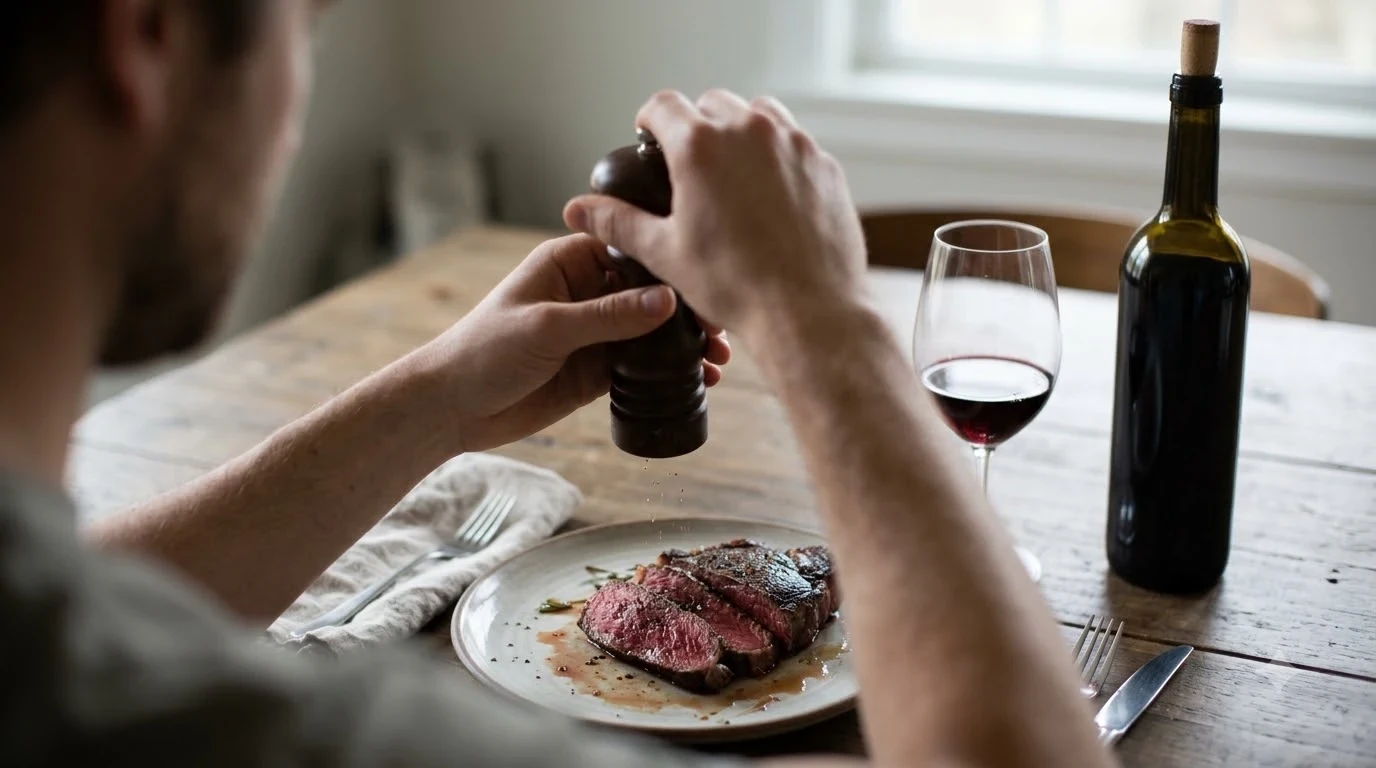
Pinot Noir with steak works best with leaner cuts, mushroom sauces, and tender preparations rather than heavily charred ribeye. Pinot Noir is lighter and softer in tannin than the reds usually paired with big steaks, so the match depends on the cut, the sauce, and the cooking method.
Pinot Noir is one of the most food-friendly red wines, but it is not the first choice most people reach for with a thick steak. This guide explains why the pairing can still work, which cuts suit it best, and how sauces and sides change the balance.
Why Pinot Noir and Steak Are Not a Classic Match
Steak is rich, often charred, and high in protein. Those qualities are why bold reds such as Cabernet Sauvignon work so well: firm tannins soften against the fat and protein in the meat. Pinot Noir has a different structure. Wine Folly describes it as light to medium-bodied with low tannins, medium-high acidity, and red fruit such as raspberry and cherry, so it does not grip the meat the same way.
That does not make the pairing wrong. Pinot Noir’s acidity can cut through fat, and its softness keeps it from overwhelming a tender cut. The result works best when the steak is not the dominant flavor on the plate.
Best Steak Cuts for Pinot Noir
Leaner and more tender cuts give Pinot Noir the best chance. Filet mignon, sirloin, and flank steak have less fat and smoother texture than a heavily marbled ribeye, so the wine’s fruit and acidity stay in balance. Thin slices with a light seasoning are particularly easy to match.
Heavily marbled cuts can still work if the wine is chosen carefully. A Pinot Noir with more body, often from a warmer or Old World producer, has enough weight to hold up. Look for bottles described as fuller or more structured, and avoid light, delicate styles with very beefy meat.
Matching Steak Cuts to Pinot Noir Styles
The table below summarizes how common cuts line up with the main styles of Pinot Noir. Use it as a guide when you are standing in the wine shop or planning a menu, and remember that the cooking method and sauce can shift the balance either way.
| Steak cut | Fat and texture | Pinot Noir style that suits it |
|---|---|---|
| Filet mignon | Lean, very tender | Light to medium Pinot Noir with bright red fruit |
| Sirloin | Moderate fat, firm bite | Medium-bodied Pinot Noir with earthy notes |
| Flank or skirt steak | Lean, strong beefy flavor | Structured Pinot Noir that can handle marinade and char |
| Ribeye | High marbling, rich | Fuller Old World style, or swap for a bolder red |
The pattern is simple. The leaner and more tender the cut, the lighter the Pinot Noir can be. Richer, more marbled steaks need a wine with more weight and savory depth, or a different red altogether. If you are cooking for a crowd, it helps to choose one Pinot Noir that works across the menu rather than opening several bottles.
Sauces and Sides That Help the Match
Sauce matters more than the cut in many cases. Mushroom-based sauces such as a red wine and mushroom jus, a cream sauce with thyme, or a simple pan sauce with shallots bring out the earthy notes that Pinot Noir often shows. Wine Folly points out that earthy, fatty mushroom dishes highlight Pinot Noir’s fruitiness, which makes this combination a natural bridge between the wine and the steak.
Sides also help. Roasted root vegetables, potatoes cooked in butter, and sautéed greens all match the wine’s earthy and savory side. Avoid a heavy, smoky barbecue sauce, which can make the wine taste thin and sour by comparison.
Serving Pinot Noir With Beef
Serve Pinot Noir slightly cooler than room temperature, around 55 to 60°F, so the fruit stays bright alongside the meat. Pour a modest glass and let it open in the glass for a few minutes. Many young Pinot Noirs also benefit from a short decant of about 30 minutes, which helps the aromas come forward before dinner.
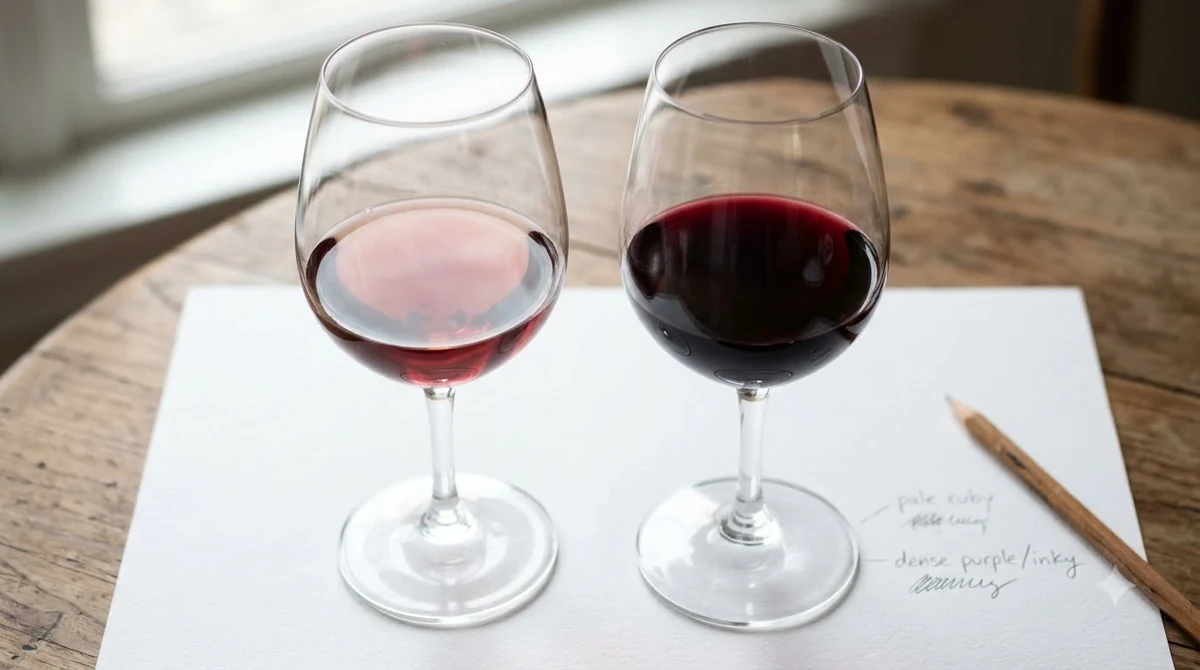
Tasting the wine before the meal is worth the minute it takes. Look for the cherry and raspberry fruit, notice how the acidity makes your mouth water, and see whether the tannin feels light or firm. If the wine tastes sharp on its own, it will likely feel sharper next to a rich cut, so a softer bottle may serve the meal better.
If you are cooking with the wine, use a bottle you would also drink at the table. Pinot Noir reduced into a pan sauce brings red fruit and acidity that suit the meat without adding harsh tannin.
When to Choose a Different Red
If the steak is charred, heavily seasoned, or served with a bold peppercorn sauce, a firmer red is usually the better choice. Cabernet Sauvignon, Malbec, or a structured Syrah can stand up to smoke and spice in a way Pinot Noir often cannot. For a pairing that still feels lighter, look at the food pairing guides on this site, which compare wine styles across a range of dishes.
Guests who prefer a non-wine option can also enjoy a fruit-based drink with dinner. A strawberry sangria recipe is an easy choice when you want something bright and cool to serve with grilled meat.
Common Mistakes With Pinot Noir and Steak
The most common mistake is serving an oaky, heavy Pinot Noir with a very rare, fatty cut and expecting it to match the richness. The wine can taste thin in that setting. Another is serving the wine too warm, which makes the alcohol and fruit taste heavy next to the meat. A third is ignoring the sauce, because a bold sauce can overwhelm even a good bottle.
Cooking method matters as well. Grilling over high heat adds char and smoke, which can push a light Pinot Noir into the background. Pan-searing with butter and herbs, or finishing the steak in the oven, keeps the flavors closer to the wine’s savory and earthy side. Resting the meat before slicing also keeps the juices in the meat rather than on the plate, which makes the bite smoother and easier to pair with a soft red.
Pour in moderation and keep the meal balanced with water and food. A medium-sized portion of steak and a single glass of wine will leave both the meat and the wine tasting their best.
Frequently Asked Questions
Does Pinot Noir go with steak?
Yes, especially with leaner cuts such as filet mignon or sirloin, or with mushroom-based sauces. Heavily charred or very fatty steak usually pairs better with a bolder red.
What steak goes best with Pinot Noir?
Tender, lean cuts such as filet mignon, sirloin, and flank steak work best. The lighter texture and moderate fat let the wine’s acidity and red fruit stay in balance.
Should Pinot Noir be decanted for dinner?
Many young Pinot Noirs benefit from about 30 minutes in a decanter, which helps the aromas open. Older bottles may not need it, so taste before pouring.
Is Pinot Noir or Cabernet better with steak?
Cabernet Sauvignon is the more traditional match for a bold, charred steak because its firmer tannins soften against the meat. Pinot Noir suits leaner cuts and sauces that include mushrooms or red fruit.
Pinot Noir can work with steak when you match the cut, the sauce, and the serving temperature. Choose a leaner cut, add a mushroom or pan sauce, and serve the wine slightly cool. For more ideas, browse the food pairing guides and drink responsibly.
More in Food & Wine Pairing
 Risotto With White Wine Recipe: Make a Creamy Dinner at HomeUpdated Nov 20, 2026
 Wassail With Wine Recipe for a Festive Spiced Holiday DrinkUpdated Nov 20, 2026
 Spritz Veneziano Recipe: Make a Classic Venetian Aperitivo at HomeUpdated Nov 20, 2026
 Summer Wine Punch Recipe for Easy Homemade EntertainingUpdated Nov 20, 2026
 Bishop Recipe: How to Make a Bright, Citrus-Forward Red Wine CocktailUpdated Nov 20, 2026
 Wine Cupcakes Recipe: Bake Rich Chocolate Cupcakes at HomeUpdated Nov 20, 2026