

We may earn a commission when you buy through links on this page, at no extra cost to you. Learn more.
What is pet nat? It is a naturally sparkling wine, short for pétillant naturel, made in a single fermentation, so it is often cloudy, lightly sparkling, and full of earthy, funky aromas. The method is one of the oldest ways to make bubbly wine, and it predates the traditional Champagne method. Each bottle can taste different, and the style is usually sold within a few months of harvest rather than aged for years.
Pét-nat has become a popular word on wine menus and in wine shops, but many drinkers are not sure what sets it apart from Champagne or Prosecco. The short answer is the method. This guide explains how pét-nat is made, what it tastes like, and how to choose and serve a bottle.
How Pét-Nat Is Made
Pét-nat is made in one fermentation. The winemaker bottles the grape juice before fermentation is finished, so the remaining sugar keeps working inside the sealed bottle and produces carbon dioxide. That gas creates the bubbles. The wine is then released from the bottle without a second fermentation step or disgorgement in the way that Champagne is made.
According to VinePair’s pét-nat guide, the method is tied to the méthode ancestrale, which was first recorded in 1531, long before the traditional Champagne method was developed. The same guide notes that pét-nat can be sold only a few months after harvest, while traditional sparkling wines spend time aging on the lees before release.

What Pét-Nat Tastes Like
Pét-nat is known for its character rather than its polish. The aromas often include earthy, yeasty, and funky notes, along with fresh fruit such as apple, pear, or red berries depending on the grape. Because the wine is usually unfiltered, it may look cloudy in the glass, and the sediment can add texture and a slightly chalky or bready feel.
The bubbles are usually gentle rather than aggressive. Some bottles show a fine, lively sparkle, while others are softer and more still-like. The sweetness level varies from bone dry to slightly off-dry, and the label often gives little guidance, so the style is best learned by tasting.
| Feature | Typical pét-nat | Typical Champagne |
|---|---|---|
| Fermentation | Single, in the bottle | Two, with a second in the bottle |
| Clarity | Often cloudy | Usually clear |
| Aroma | Earthy, funky, fruity | Toasty, brioche, citrus |
| Time before sale | A few months | Years for many styles |
Why the Style Varies So Much
The grapes themselves also change the result. Pét-nat can be made from many varieties, including red grapes that give a pale pink color and a fruitier, berry-like profile. A white grape might show more citrus and herbs, while a red grape gives a softer, rounder sparkle. Reading the grape on the label is one of the fastest ways to predict the style.
Pét-nat is made by many small producers, and each one uses different grapes, yeast, and handling.
A winemaker may use wild yeast, skip added sulphur, or leave the wine unfiltered. Each choice changes the final bottle. This variety is part of the appeal, but it also means that two bottles from the same producer can taste different from one vintage to the next.
VinePair also warns that unsulphured versions can struggle with bacterial spoilage. That is one reason to buy from a shop that stores its bottles cold and turns over its stock quickly. A fresh bottle from a reliable producer will usually show the style at its best.

Sweetness is one of the less predictable parts of pét-nat. Because the fermentation can stop before all the sugar is used, some bottles finish slightly sweet, while others go fully dry. A bottle labeled as dry is usually the safer choice for a meal, and a slightly sweet one can be a good match for spicy or salty food.
The bubbles also differ between producers. Some pét-nats have a fine, persistent sparkle, while others are softer and feel closer to a lightly fizzy still wine. Neither style is better by default. The choice depends on whether you want a lively aperitif or a relaxed wine for the table.
How to Serve Pét-Nat
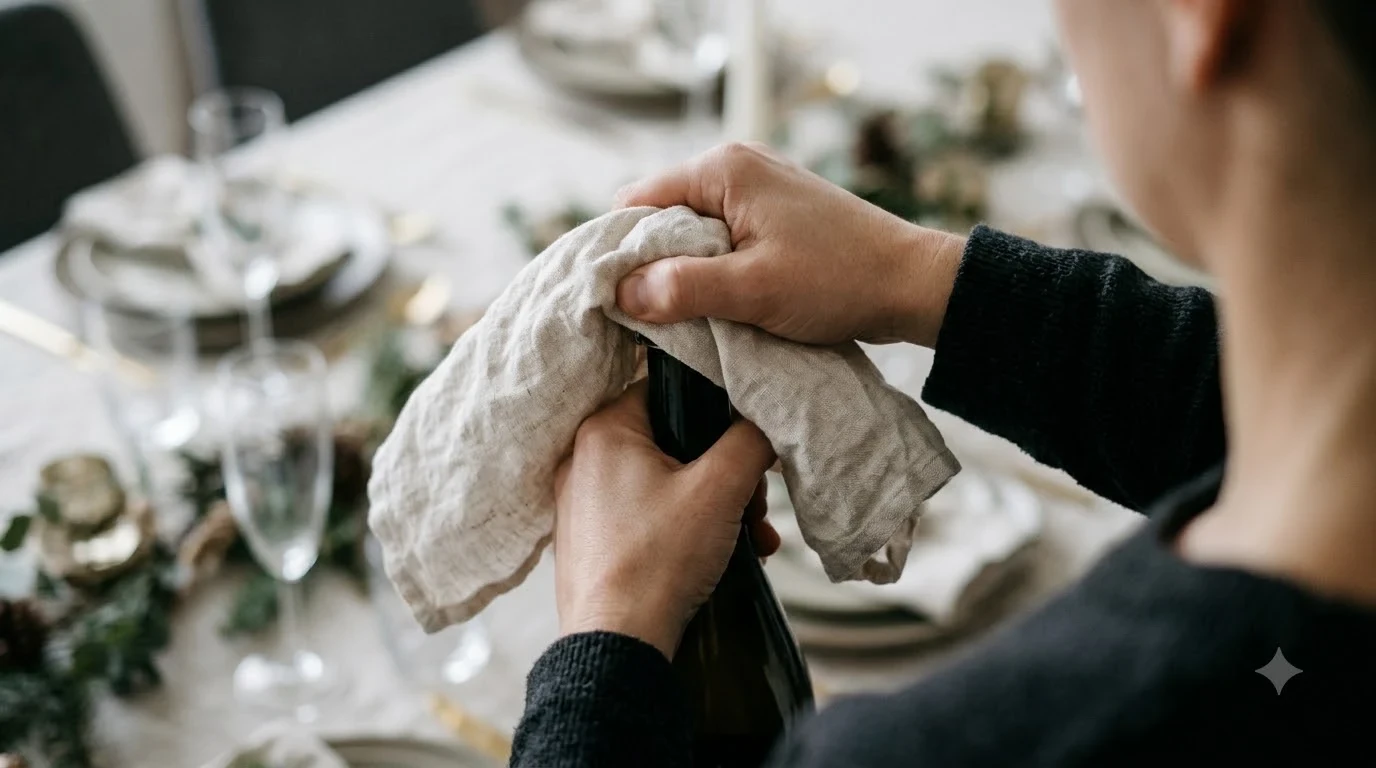
Serve pét-nat well chilled, since cool temperatures keep the bubbles lively and the aromas clean. Open the bottle carefully, because the pressure can be higher than you expect and the wine may gush if it has been shaken. Pour slowly into a standard white wine glass, and let the sediment settle for a moment before pouring the last part of the bottle.
Tip: Hold the bottle at a low angle and loosen the cap slowly. Keep a towel nearby, since cloudy pét-nat often shows its sediment when first opened.
Food Pairings for Pét-Nat
The wine’s bubbles and fresh fruit make it a versatile partner at the table. Fried chicken, fried foods, and spicy dishes work well, because the bubbles clean the palate between bites. Pét-nat also suits charcuterie, soft cheeses, and light salads. For a vegetarian meal, roasted vegetables or a mushroom tart can match its earthy side.
Pét-nat also handles rich, fatty food well. Its bubbles cut through cream, butter, and fried batter, so a bottle can take the place of a beer with a burger or a plate of fried snacks. Tangy dishes such as pickled vegetables or a bright herb salad also bring out the wine’s fresh fruit.
If you want a wine that feels more like a casual drink than a special occasion bottle, pét-nat is a good fit. It can carry a meal without the formality of a Champagne service.
How to Choose a First Bottle
Pét-nat also works well as a bottle to share with friends who are curious about natural wine. The unusual aromas start conversations, and the fresh fruit keeps the mood light. Many shops now carry a small selection, so a short visit to the shelf can show you several styles side by side.
Start with a bottle from a producer whose name you recognize or a shop that knows the style well. Read the back label for the grape, and check the vintage, since a recent bottle usually shows fresher fruit. If you prefer a cleaner style, look for a bottle described as filtered or lightly sulphured. For a more adventurous drink, choose an unfiltered bottle with a cloudy appearance.
Pét-nat sits apart from the sparkling wines most people know, and it is worth comparing it with other bubbly styles. The black muscat wine guide shows how a fruity, aromatic grape can taste in a different style, and the bobal wine profile covers a red from Spain that also shows a rustic, earthy side.
Frequently Asked Questions
What is pét-nat wine?
Pét-nat is a naturally sparkling wine made in a single fermentation in the bottle. It is often cloudy, lightly sparkling, and sold soon after harvest.
Why is pét-nat cloudy?
Many pét-nats are unfiltered, so the yeast sediment stays in the wine. The sediment gives the wine its cloudy look and can add a bready or chalky texture.
Is pét-nat sweet?
Sweetness varies. Many pét-nats are dry, while some producers make slightly sweeter versions. Check the label or ask the shop if you want a particular style.
How is pét-nat different from Champagne?
Champagne uses a second fermentation and aging on the lees before release. Pét-nat uses one fermentation and is usually sold within a few months of harvest.
Pét-nat is an easy way to explore natural sparkling wine without a large budget or a formal setting. Try one with a simple meal, and notice how the bubbles and the earthy notes change from one bottle to the next. For more wine styles to compare, browse the Wine by Type guide.
More in Wine Types & Grapes
 Zinfandel Sugar Content: Dry Red vs. White Zinfandel GramsUpdated Nov 21, 2026
 Best Zinfandel Substitute Options for Sipping and CookingUpdated Nov 21, 2026
 Zweigelt Food Pairing: Best Dishes, Cheeses, and Serving TipsUpdated Nov 21, 2026
 Zinfandel Tannins Explained: How Structure Shapes Every BottleUpdated Nov 21, 2026
 Zinfandel Sweetness Level: Dry Red vs. Sweet White Zin ExplainedUpdated Nov 21, 2026
 Xinomavro Food Pairing: Best Dishes, Styles, and Serving TipsUpdated Nov 21, 2026