

We may earn a commission when you buy through links on this page, at no extra cost to you. Learn more.
Schmitt Söhne wine comes from a German family winery based in Longuich, best known for Riesling from the Mosel-Saar-Ruwer and Rheinhessen regions in styles that range from dry to sweet. The lineup also includes Müller-Thurgau, Kerner, a Pinot Noir from the Mosel, and easygoing blends sourced from several countries, so the label and the line name matter when you choose a bottle.
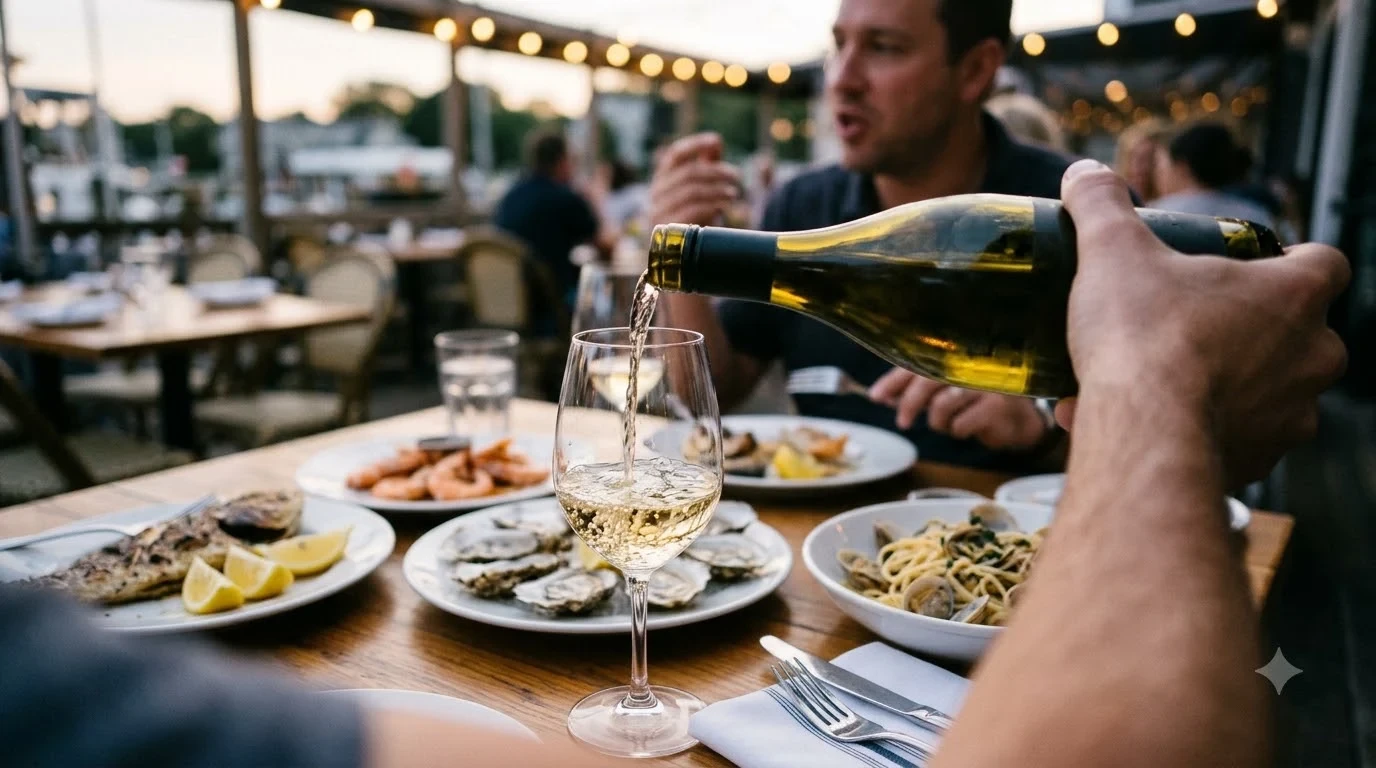
Schmitt Söhne is one of the German wine names that shoppers often see on supermarket and wine shop shelves. The brand offers a wide set of lines, from classic Mosel Rieslings to light, approachable wines aimed at everyday drinking. This guide explains who makes the wines, how the main lines differ, and how to serve and pair them so you can pick the right bottle for your table.
Who makes Schmitt Söhne wine
Schmitt Söhne GmbH Weinkellerei is a family winery located in Longuich, Germany. Its website describes the company as a Schmitt Söhne family winery that grew from a small local business into one of Germany’s leading wine exporters. The site also introduces Thomas Schmitt, a fourth-generation wine specialist who assembles wines from German regions for a private collection. That family continuity is part of the brand’s identity, and it explains why the portfolio is built around German regions rather than a single estate.
The company’s official website is a good place to confirm which product line a bottle belongs to, because the brand uses several names for its ranges. The official Schmitt Söhne site lists the Family wines, the Thomas Schmitt Private Collection, Rhine Selection, FÜNF, Global Roaming, the Relax range and the Mosel Selection, each with its own style and purpose.
Main lines and what each one offers
The Family wines are the core of the brand. They include Riesling from the Mosel-Saar-Ruwer and Rheinhessen in dry and off-dry styles, from QbA dry through QbA, Kabinett, Spätlese and Auslese. The Thomas Schmitt Private Collection goes further with Mosel Rieslings in a similar range of styles and a Mosel Pinot Noir, which gives the brand a red option from the same region. The Rhine Selection focuses on Riesling, Müller-Thurgau and Kerner, grapes that many German producers use for fresh, fragrant whites.
The lighter and more casual lines are built for easy drinking. FÜNF pairs a Riesling from Germany with a Moscato from Italy and a Sangria from Spain, and it uses an easy-to-open screw-top closure. Global Roaming offers dry wines including Riesling, Pinot Grigio, Cape Rosé and Pinot Noir sourced from Germany and South Africa, with residual sugar kept at no more than 9 grams per liter according to the company. The Relax range covers easygoing still and sparkling wines, which the site presents as a relaxed choice for everyday moments.
| Line | Main grapes or style | Best suited to |
|---|---|---|
| Family wines | Riesling in QbA dry to Auslese | Classic German Riesling for a meal or a gift |
| Thomas Schmitt Private Collection | Mosel Riesling and Mosel Pinot Noir | Drinkers who want a closer look at Mosel wines |
| Rhine Selection | Riesling, Müller-Thurgau, Kerner | Fresh, fragrant whites for lighter dishes |
| FÜNF | Riesling, Moscato, Sangria | Casual sharing and mixed-taste groups |
| Global Roaming | Riesling, Pinot Grigio, Cape Rosé, Pinot Noir | Dry everyday wines from two countries |
If you are not sure where to start, the Family Riesling lines give a clear picture of the house style. Once you know which sweetness level you like, moving through the Mosel Selection or the Private Collection is a natural next step.
Understanding Riesling sweetness levels
German Riesling labels are often confusing for newcomers because the style words describe ripeness and sweetness rather than a simple dry or sweet rating. Dry styles such as QbA dry tend to be crisp and savory, with the fruit kept in balance by bright acidity. Kabinett is typically light and delicate, Spätlese shows riper fruit and more body, and Auslese is richer and more concentrated. The exact sweetness of each bottle depends on the producer, so the label and the producer’s description are the best guides.
Schmitt Söhne uses this range across its Family and Private Collection wines, which makes it a useful brand for comparing styles side by side. Buying one bottle from each step is a practical way to learn how sugar and acidity work together in German Riesling.
Regions, soils and grapes behind the wines
The Mosel is a cool growing region where vineyards sit on steep slopes of slate. The company’s website notes that slate soils store daytime heat and release it to the vines at night, which helps the grapes ripen slowly while keeping acidity high. That combination is the reason Mosel Riesling tends to taste pale, light-bodied and lively, and the Mosel Selection is built around that character.
The Rhine wines come from a different setting. The site describes clay-rich slate soils that produce fresh and fragrant whites with fruity acidity. Those are the wines that anchor the Rhine Selection, where Riesling sits alongside Müller-Thurgau and Kerner. Together, the two regions give the brand a broad range of aromas, from green apple and citrus to white flowers and stone fruit.
How to serve and pair Schmitt Söhne wines
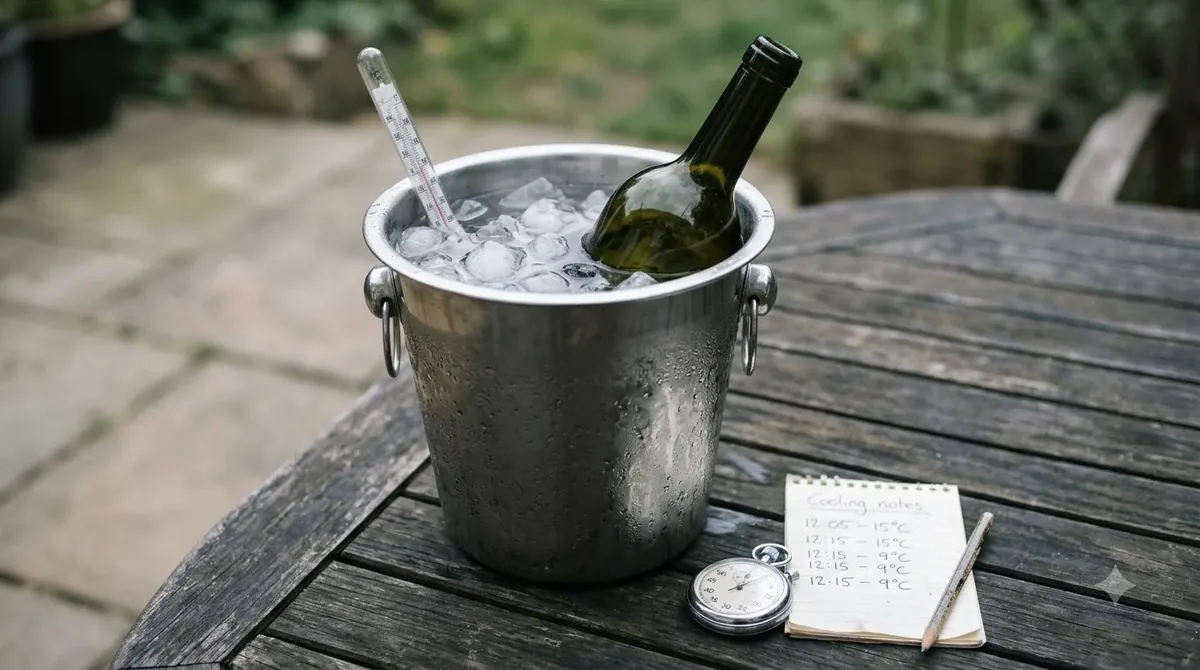
Chill the whites before serving, but not so cold that the aromas disappear. A light chill lets the fruit and acidity show clearly. Dry Riesling and Rhine Selection whites suit a standard white wine glass, while the sweeter Spätlese and Auslese styles are often best in a slightly smaller glass that concentrates the aromas. The company’s site does not list specific serving temperatures, so a cool, not icy, serving temperature is the safe rule.
Food pairing follows the sweetness of the bottle. Dry Riesling works well with grilled fish, chicken, soft cheeses and Asian dishes that carry a little heat. Kabinett suits lightly spiced foods and fresh salads, while Spätlese and Auslese can balance rich desserts or a salty blue cheese. The Mosel Pinot Noir is lighter than many reds, so it can fit a roast chicken or a mushroom dish.
The Relax wines and FÜNF are often the easiest choice for a casual table. Their approachable style makes them a good fit for picnics, dinner parties with mixed tastes and relaxed evenings. The company’s own description of the Relax range invites drinkers to simply lean back and relax, which captures the intent of those lines.
How to choose a bottle
Start by deciding how sweet you want the wine to taste. If you prefer crisp and dry, look for QbA dry or a dry Rhine Selection bottle. If you want a softer, fruitier glass, Kabinett or Spätlese is a better match. For a special dessert or a gift, an Auslese bottle makes a strong statement.
Next, decide how much structure you want. The Family and Private Collection wines carry the most traditional German character, while FÜNF and Global Roaming aim for simplicity and easy pouring. Check the vintage and the line name on the label, because the same grape can appear in several lines with different styles. A quick look at the company’s website helps match a line name to the style you expect.
Frequently Asked Questions
Is Schmitt Söhne wine mostly Riesling?
Riesling is the backbone of the brand, especially in the Family wines and the Mosel and Rhine lines. The range also includes Müller-Thurgau, Kerner, Pinot Noir, Pinot Grigio and other styles in the more casual lines.
Are Schmitt Söhne wines sweet or dry?
Both. The range runs from QbA dry Riesling to Auslese and includes some lighter, fruitier styles in the casual lines. The label style word and the line name are the best guide to sweetness.
What is the difference between the Mosel and Rhine lines?
The Mosel wines come from slate-based vineyards that tend to produce pale, light and lively wines. The Rhine lines come from clay-rich slate soils and are described as fresh and fragrant with fruity acidity.
Which Schmitt Söhne wine suits a beginner?
A dry Family Riesling or a Rhine Selection white is a practical start. Both show the house style clearly and work with a wide range of simple meals.
Schmitt Söhne wine offers a useful spread of German styles, from classic Mosel Riesling to easygoing blends. Pick the line that matches your sweetness preference, serve the whites cool, and match the bottle to the food. For more background on how brands are organized, see the wine brands guide, or compare another family-run producer in the Aveleda wine guide.
More in Wine Brands
 Underwood Wine Price: Compare Bottles, Cans, and Pack SizesUpdated Nov 21, 2026
 Zenato Wine Price: Compare Styles and Choose the Right BottleUpdated Nov 21, 2026
 Zuccardi Wine Price: Compare Bottles and Find the Right RangeUpdated Nov 21, 2026
 Yellow Tail Moscato Review: Taste, Sweetness and Serving TipsUpdated Nov 21, 2026
 Wolf Blass Yellow Label Review: Choose Your Best StyleUpdated Nov 21, 2026
 Wolffer Estate Rose Review: Choose the Right Bottle for Your TableUpdated Nov 21, 2026