

We may earn a commission when you buy through links on this page, at no extra cost to you. Learn more.
Bogle wine comes from a family-owned winery in Clarksburg, California, and its story runs back to the late 1800s, well before the winery opened. The family began planting wine grapes in 1968, released wine under its own label in 1978, and built the original winery in 1979. Today the brand is run by sixth-generation family members, and its estate vineyards cover about 2,000 acres according to the family’s own site.
Bogle shows up on many shelves and restaurant lists, but the brand is easier to understand once you know where it came from. This guide walks through the family history, how the company is organized today, the main wine categories and sub-brands, and how to serve and pair the wines at home.
A farming family before a winery
The Bogle story starts with farming rather than wine. According to the family’s history page, a family member who had served in the Civil War moved west to the California Delta in the late 1870s, bringing a nephew with him. They farmed cherries, peaches, and pears, and the next generation expanded the operation to supply the fast-growing population of San Francisco during the Gold Rush era.
The family’s land was not secure through every period. During the Great Depression, the family lost its Grand Island land, and the next generation became tenant farmers on Merritt Island. That history matters because the winery was built on land the family had worked for decades, rather than on a new venture started from nothing.
From orchards to wine grapes
The winery story begins after World War II, when Warren Bogle bought eight acres on Merritt Island. In 1968, Warren and his son Chris planted their first 20 acres of wine grapes on the family’s Home Ranch. For about a decade, the family grew grapes for other wineries, which gave them a close view of how different vineyards and growers worked before they put their own name on a bottle.
The family released wine under its own label in 1978, and the original winery was built in 1979. The brand’s growth stepped up in 1989, when Chris and his wife, Patty, began the winery project in earnest. Chris pushed the vineyard operation toward a goal of 1,000 acres before he died in 1997, and Patty took over management of the winery after that.
| Milestone | Year | What happened |
|---|---|---|
| Family farming begins | Late 1870s | Cherries, peaches, and pears in the California Delta |
| First wine grapes planted | 1968 | First 20 acres on the Home Ranch |
| Own label released | 1978 | After about ten years of selling grapes |
| Original winery built | 1979 | The winery still stands today |
| Winery project begins in earnest | 1989 | Chris and Patty Bogle |
How the company runs today
The family’s site describes six generations of farming and more than 50 years of winegrowing. Warren Bogle returned in 1997 to manage the vineyards, Jody handles the tasting room and customer relations, and Ryan oversees finances. That split between vineyard, hospitality, and business roles is typical of a family company that has grown beyond a single property.
Scale is part of the picture. The family reports about 2,000 acres of estate vineyards, which gives the winery more control over fruit than a brand that buys all of its grapes on the open market. Owning vineyards also means the team can decide how the grapes are farmed, which is a point the family returns to often in its own writing.
The wine categories and sub-brands
The Bogle site organizes its wines into five groups: red, white, rosé, sparkling, and winery exclusives. That structure makes it easy to browse by style, whether you want a light white for a warm afternoon or a red for a long dinner. Within the family, a few named labels also sit alongside the main Bogle line.
Three of these are Twenty Acres by Bogle, Phantom Wines, and Juggernaut Wines. Each one shows the family’s range, from a more everyday bottle to a label with a distinct identity. When you shop, check which label is on the bottle, because the sub-brands can differ in style even when they share the same family name.
How to serve Bogle wines at home
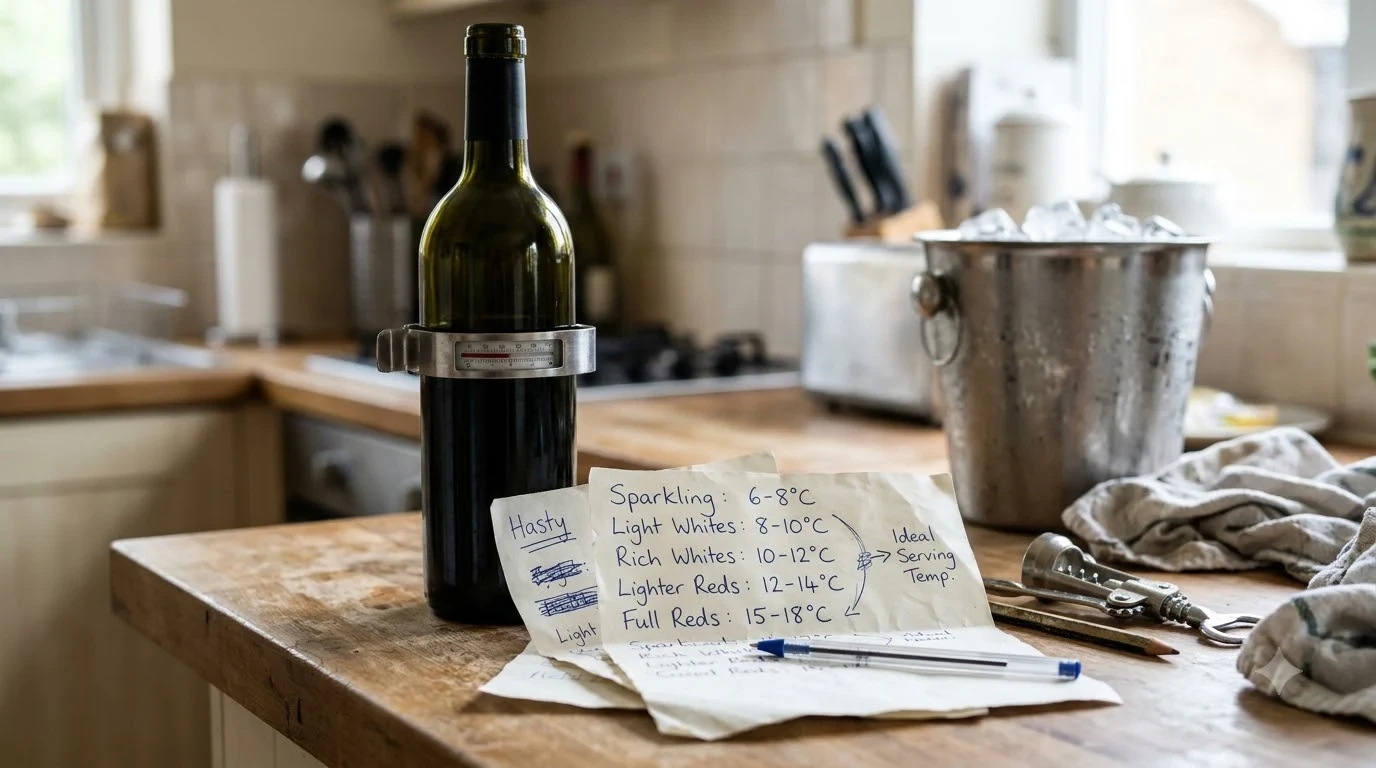
Serve whites cold and reds at a slightly cool room temperature. A white that is too warm can taste heavy, while a red that is too warm can taste hot and flat. If you are not sure what a bottle prefers, check the producer’s tasting notes, which are usually printed on the back label or on the winery’s website.
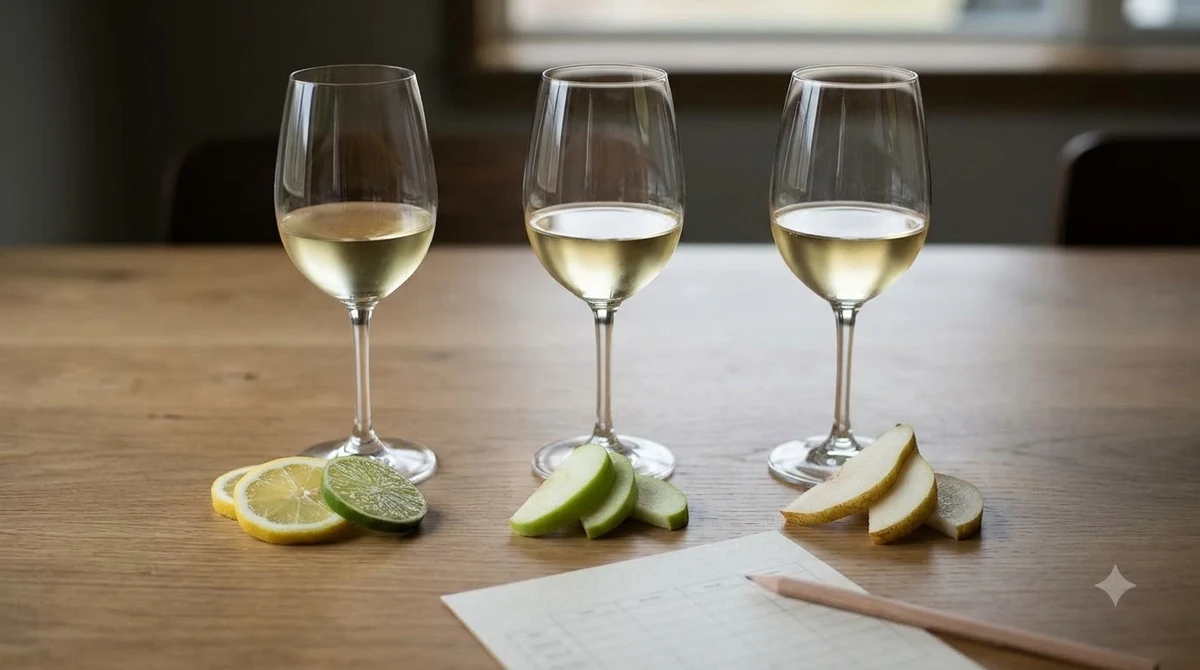
Give reds a little time in the glass before you drink them. Swirling the wine lets the aromas open up, and a larger glass gives you room to do it. For whites, a standard wine glass with a slightly narrower bowl helps keep the aromas focused. The glass matters less than the temperature, but it adds to the experience.
For a casual evening, a bottle from the family’s range can be opened and poured without ceremony. For a more formal meal, decant a red a short time before serving so the wine has time to settle and breathe.
Pairing ideas for family-style wines
Family wineries often make wines meant for everyday meals, and that approach suits food pairing well. A crisp white goes with lighter dishes such as grilled fish, salads, and roast chicken. A medium-bodied red goes with burgers, pasta with tomato sauce, and roasted vegetables. Sparkling wine is a fine match for snacks and celebrations.
When you are not sure what to pair, a simple principle helps. Match the weight of the wine with the weight of the food, and let acidity cut through rich sauces or fried dishes. If you are building a wine list for a group, the broader wine brands guide on this site lists other well-known labels to compare.
Where Bogle fits among other brands
Bogle is a family-owned California winery, which puts it in a different category from brands built around a single celebrity or a large marketing campaign. Its story is one of land, farming, and steady growth, and that background often shows up in how the company talks about its vineyards. Shoppers who value a family-run producer may find that appealing.
If you are comparing it with other widely sold American wines, Barefoot wine is a common point of reference for everyday drinking, and Stella Rosa wine covers a different style entirely. Comparing a few bottles side by side is the best way to see which style you like.
It also helps to know that a family winery of this age often keeps its identity through its people as much as its wines. Several generations of the same family have worked the land, and the company’s own pages describe that continuity in plain terms. Read alongside the timeline above, that history gives shoppers a clear sense of who is behind the label, which is more than many bottles can offer.
Frequently Asked Questions
Who owns Bogle wines?
Bogle Vineyards is a family-owned winery. The family’s site names Warren Bogle as the vineyard director, with Jody and Ryan running the tasting room and finances.
Where is Bogle winery located?
The winery is in Clarksburg, California, in the California Delta, where the family has farmed for generations.
When was Bogle founded?
The family began planting wine grapes in 1968, released its own label in 1978, and built the original winery in 1979. The family farmed in the area long before that.
What types of wine does Bogle make?
The brand organizes its wines into red, white, rosé, sparkling, and winery exclusives, with sub-brands such as Twenty Acres by Bogle, Phantom Wines, and Juggernaut Wines.
Bogle’s history is a family farm that became a winery over several generations, and that background still shapes the brand. Read the family’s own story for the full timeline, then choose a bottle by style and serve it at the right temperature. For a broader look at how wine brands compare, keep exploring the links above.
More in Wine Brands
 Underwood Wine Price: Compare Bottles, Cans, and Pack SizesUpdated Nov 21, 2026
 Zenato Wine Price: Compare Styles and Choose the Right BottleUpdated Nov 21, 2026
 Zuccardi Wine Price: Compare Bottles and Find the Right RangeUpdated Nov 21, 2026
 Yellow Tail Moscato Review: Taste, Sweetness and Serving TipsUpdated Nov 21, 2026
 Wolf Blass Yellow Label Review: Choose Your Best StyleUpdated Nov 21, 2026
 Wolffer Estate Rose Review: Choose the Right Bottle for Your TableUpdated Nov 21, 2026