

We may earn a commission when you buy through links on this page, at no extra cost to you. Learn more.
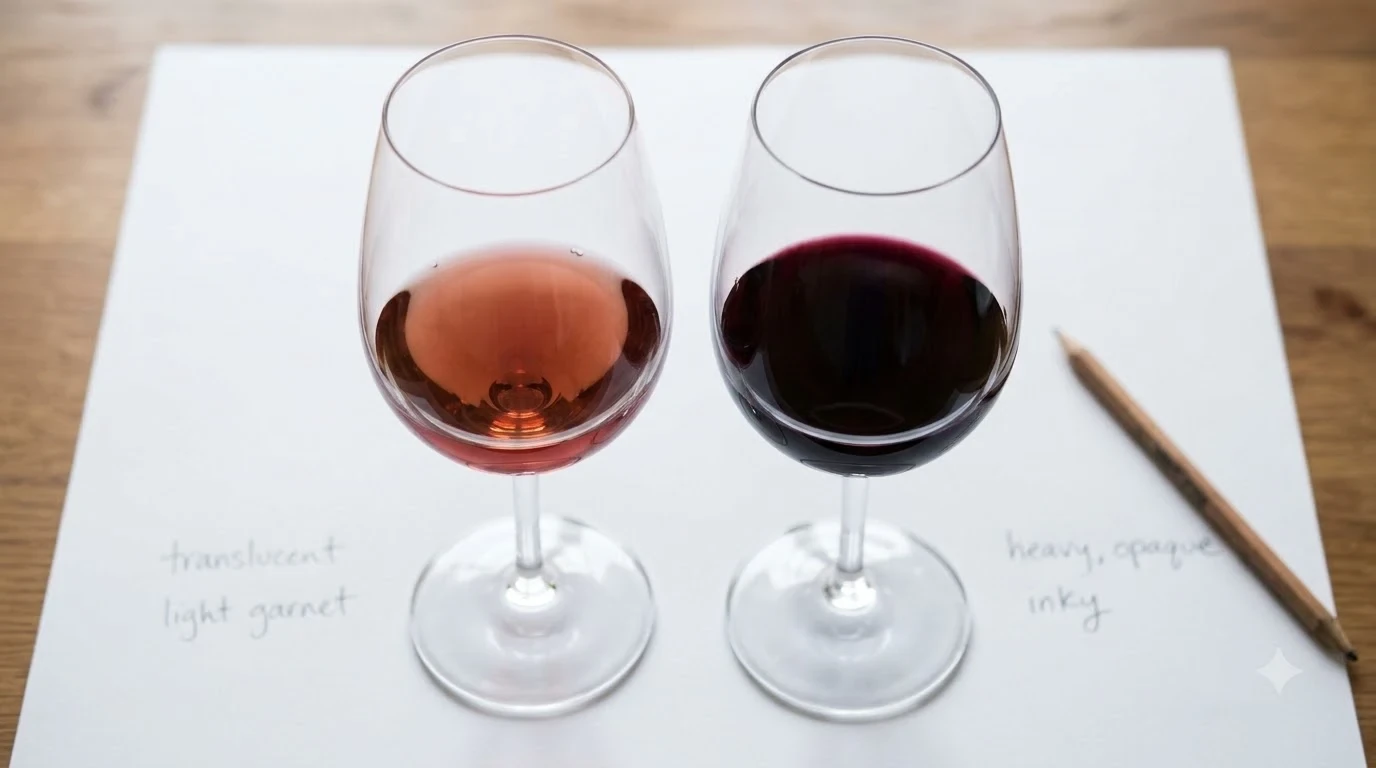
Spatburgunder wine is the German name for Pinot Noir, and German versions of the grape have become darker, richer and more barrel-aged than the pale, rosé-like reds the country was once known for. The wine is still lighter than many New World Pinot Noirs in color, but modern German examples can taste structured and ripe. Germany ranks third among countries planted with Pinot Noir, behind France and the United States.
This guide explains what a spatburgunder wine tastes like, where German producers grow it, how it changes with the region and how to serve and pair it. If the name is new to you on a German wine list, the sections below give you the basics before you order.
What Spatburgunder Means
Spatburgunder translates roughly as “late Burgundian,” a reference to the grape’s family ties with the red wines of Burgundy in France. In Germany, the name is the everyday term for Pinot Noir, so a bottle labeled Spatburgunder is a red wine made from that grape, usually a dry one.
Germany’s Spatburgunder is the most widely planted red grape in the country, which makes it the backbone of the German red wine category. The Wikipedia entry on Pinot noir describes the grape’s global spread and its German role in more detail.
Where Spatburgunder Grows in Germany
The main regions for Spatburgunder are Baden, the Palatinate (Pfalz) and the Ahr. These areas produce the darker, richer reds that most people now associate with German Pinot Noir. Each region has its own climate, soils and producers, so the same grape can taste quite different from one to the next. Producers in each area also choose different clones, training systems and harvest dates, and those decisions show up in the glass as differences in ripeness and texture. Germany’s northerly position is one reason the grape keeps its fresh acidity even when the wines are rich in fruit.
A smaller relative, Frühburgunder, is grown in Rheinhessen and the Ahr. It is an early-ripening, lower-yielding variety with smaller berries. Some producers blend it with Spatburgunder or bottle it on its own, and it gives a more concentrated wine in good years.
| Region | What the wines are known for |
|---|---|
| Baden | Ripe, structured reds from warm, sunny slopes |
| Palatinate (Pfalz) | Darker, richer styles with a full texture |
| Ahr | Concentrated reds from steep river slopes |
| Rheinhessen | Home of Frühburgunder, a smaller and earlier-ripening relative |
Flavor and Style
Historically, German Pinot Noir was often pale in color and light in body, closer in style to the rosé-like reds of Alsace. Yields were high in many older vineyards, and over-cropping and bunch rot were major factors that held quality back. Those problems are the reason many people still think of German reds as thin.
Modern Spatburgunder is different. Producers have lowered yields, improved vineyard work and often age their wines in new or used French oak barrels, the barrique style. The result is a darker wine with more depth, and the flavors often include red cherry, plum, earth and a savory note from the oak. The acidity stays fresh, which is a signature of Pinot Noir from cooler climates.
Tip: Look for words such as “barrique” or “Reserve” on the label if you want the richer, oak-aged style. For a lighter and fresher bottle, check whether the wine is described as a Pinot Noir from a cooler vineyard site.
How to Serve Spatburgunder
Serve Spatburgunder slightly cool rather than at warm room temperature. A slight chill brings out the fruit and keeps the wine from tasting heavy or alcoholic, which can happen when a red is served too warm. Pour it into a medium-sized glass with a wide bowl so the aromas can open.
Give a richer, barrel-aged bottle a few minutes after opening to breathe. Lighter, fresher styles can be poured straight away. Store unopened bottles on their side in a cool place, and drink the wine within a day or two of opening if you want to keep its fruit at its best.
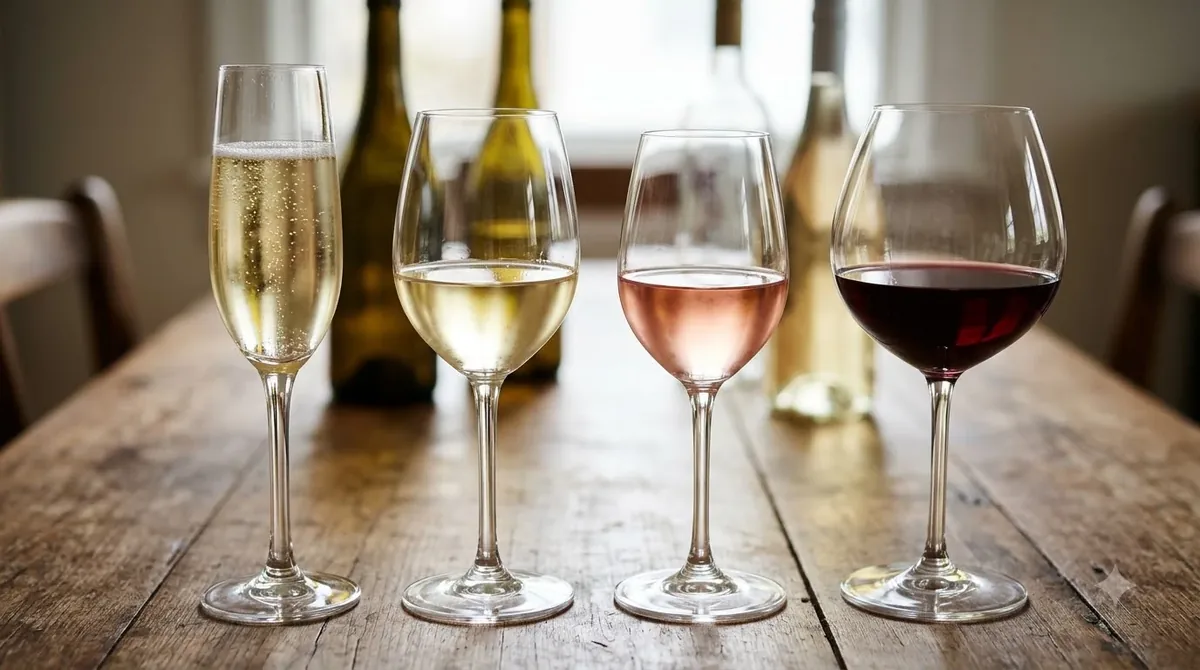
Spatburgunder also suits a casual dinner as much as a formal one. Because the wine is versatile at the table, it can be served with a mixed meal of several smaller dishes, which lets guests try the contrast between a lighter German style and a richer barrel-aged one. Pour both into separate glasses and compare them side by side to see how the region and winemaking change the taste.
Food Pairing
Spatburgunder is one of the most food-friendly reds because its acidity is fresh and its tannins are usually soft. Roast duck and roast chicken are classic matches, and mushroom dishes pair well with the earthy notes that many German examples carry. Salmon with a light sauce is another good option for a lighter bottle.
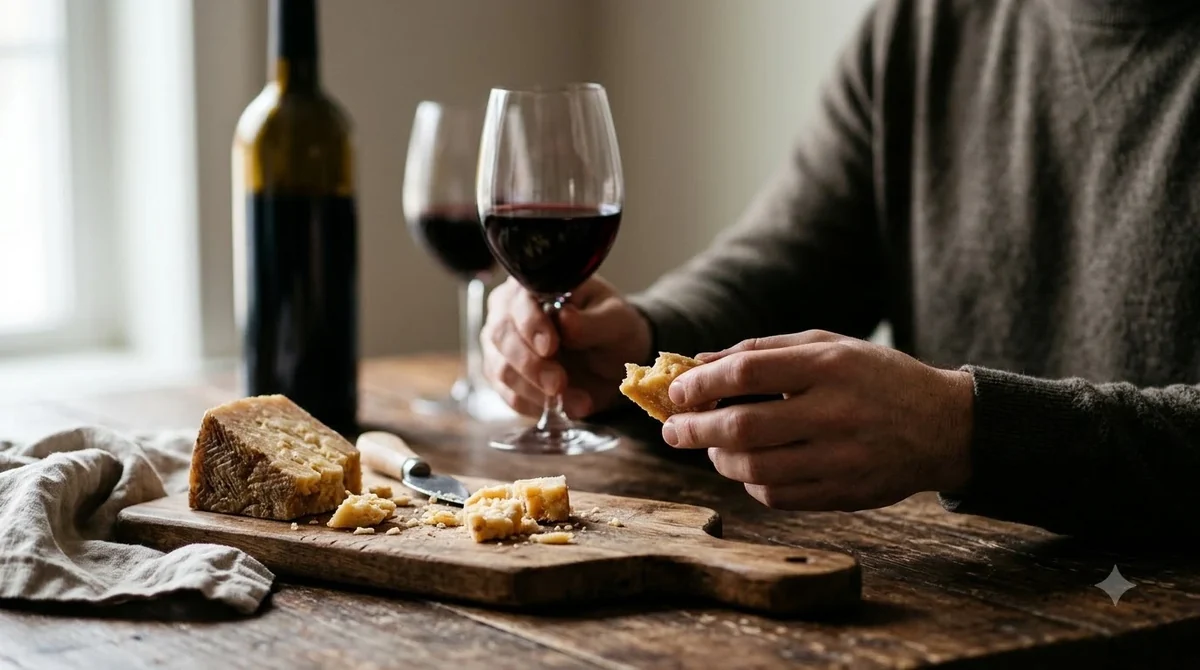
For a German meal, try the wine alongside sausages, sauerbraten or a rich stew. The savory, slightly smoky notes from oak fit these dishes, and the acidity cuts through the fat. Hard cheeses such as aged Gouda or Gruyère also work when you want a simple pairing.
For vegetarian meals, roasted beets, lentils and wild mushroom dishes echo the earthy side of the wine, while the fresh acidity keeps the pairing from feeling heavy. A simple tomato-based dish with herbs also works well, especially when the wine is from a lighter, fresher style.
How to Choose a German Pinot Noir
Start with the region on the label. A bottle from Baden, the Palatinate or the Ahr will tell you a lot about the style, since each region has its own tendency toward ripeness and structure. Check the producer as well, because quality varies from one estate to the next, and the best examples are often made in small quantities.
Vintage also matters more in a cool climate, since weather shapes how ripe the grapes become. Check the year on the label and compare it with the producer’s notes or a trusted reviewer’s summary before buying several bottles of the same wine.
If you are comparing bottles across the wine world, our Wine by Type guide shows how Pinot Noir sits alongside other red families. For a contrasting red from a warm region, our bobal wine guide covers a Spanish grape that is very different in style, which makes it a useful reference point when you want to taste the range of reds on one table.
Frequently Asked Questions
What is Spatburgunder wine?
Spatburgunder is the German name for Pinot Noir. It is a red wine made from the Pinot Noir grape, and it is the most widely planted red grape in Germany.
Is German Spatburgunder sweet or dry?
Most Spatburgunder is made as a dry red. Sweetness is not the main feature of the style, which is judged more on depth, fruit and structure.
How does Spatburgunder compare with French Pinot Noir?
German Spatburgunder is often lighter in color than French Burgundy, but modern examples can be just as structured. The best way to compare is to taste a bottle from each region side by side.
What food goes well with Spatburgunder?
Roast duck, roast chicken, mushroom dishes and salmon with a light sauce all pair well. Richer barrel-aged bottles also suit sausages and aged cheeses.
Spatburgunder rewards curiosity, since the same grape can taste pale and light in one region and dark and full in another. Start with one bottle from a region you have not tried before, and use the comparison to build a clearer sense of what you like. Over time, a few bottles from different German regions will give you a clear map of the style, and that knowledge makes the next purchase much easier.
More in Wine Types & Grapes
 Zinfandel Sugar Content: Dry Red vs. White Zinfandel GramsUpdated Nov 21, 2026
 Best Zinfandel Substitute Options for Sipping and CookingUpdated Nov 21, 2026
 Zweigelt Food Pairing: Best Dishes, Cheeses, and Serving TipsUpdated Nov 21, 2026
 Zinfandel Tannins Explained: How Structure Shapes Every BottleUpdated Nov 21, 2026
 Zinfandel Sweetness Level: Dry Red vs. Sweet White Zin ExplainedUpdated Nov 21, 2026
 Xinomavro Food Pairing: Best Dishes, Styles, and Serving TipsUpdated Nov 21, 2026