

We may earn a commission when you buy through links on this page, at no extra cost to you. Learn more.
Ruche wine is a red wine made from the ruche grape in Piedmont, northern Italy, and it is best known as Ruché di Castagnole Monferrato. The wine is medium-bodied and aromatic, with notes of pepper, wild berries, and flowers, plus moderate acidity and soft tannins. Production is very small, which makes it a rare find outside its home area.
Ruche is one of the more unusual red wines in Italy. Few drinkers have tried it, and the name is often spelled in several ways, including ruché with an accent. This guide explains where the wine comes from, what it tastes like, how to serve it, and what to eat with it, so you can recognize it on a wine list or label.
What Ruche Wine Is
Ruche is a red grape variety from the Piedmont region of Italy. Most of it is used to make Ruché di Castagnole Monferrato, the wine that carries the denomination name. According to the Wikipedia entry for Ruché, the grape is largely used for this one wine, which keeps the name tied to a specific area and a specific style.
Because the wine is tied to a small place, it is easy to confuse with other Piedmont reds. The name on the label, Ruché di Castagnole Monferrato, is the clearest way to know that you are looking at this particular wine.
Where Ruche Grows
Ruche is grown in the Monferrato hills of Piedmont, near the town of Asti. The recognized production area is small. Wikipedia describes the denomination as covering only about 100 acres, or about 40 hectares, of vines around seven villages: Castagnole Monferrato, Refrancore, Grana, Montemagno, Viarigi, Scurzolengo, and Portacomaro.
The grape is also grown to some extent in the neighboring province of Alessandria, though most wine labeled under the denomination comes from the core villages. The small area explains why ruche is seldom exported in large volumes and why good bottles can sell out quickly.
Where Ruche Came From
The origin of ruche is debated. One theory holds that the grape is indigenous to the hills northeast of Asti. Another suggests it is a local variation on a French import, and a third proposes that it arrived from Burgundy in the eighteenth century. The Wikipedia entry presents these as competing ideas rather than settled history, so it is best to treat the origin as an open question.
The wine’s modern history is clearer. Ruché received its first official recognition as a DOC in 1987, and it was later promoted to DOCG status in 2010. Those dates reflect a long effort to protect a small, traditional wine from disappearing.
Flavor and Style
Ruche is usually described as medium-bodied and aromatic. The most common notes are pepper, wild berries, and flowers, which give the wine a fragrant, lifted character. Compared with many Italian reds, it tends to be lighter in weight and softer in tannin, so it feels approachable rather than austere.
The wine typically has moderate acidity and soft tannins, but it can finish with a slightly bitter note. That bitterness is part of the style, and many drinkers find it adds structure to the aromatic fruit. Tasting notes from individual producers vary, so the description on a bottle is a good way to see whether the style is closer to fruity or to spicy.
| Aspect | What to expect |
|---|---|
| Color and body | Red, medium-bodied |
| Aromas | Pepper, wild berries, flowers |
| Acidity and tannin | Moderate acidity, soft tannins |
| Finish | Can have a slightly bitter aftertaste |
| Region | Monferrato hills, Piedmont |
Tip: Look for the full name Ruché di Castagnole Monferrato on the label. The denomination name confirms that the wine comes from the protected area and the traditional style.
How to Serve Ruche Wine
Ruche is usually served as a red wine at cellar-cool or slightly chilled temperatures, which keeps the aromas lively and prevents the wine from tasting heavy. A standard red wine glass with a generous bowl helps the floral and peppery notes open up.
Glassware also matters for a lighter red. A glass with a wider bowl gives the aromas room, and a smaller glass concentrates them. Either works, as long as the glass is clean and free of strong detergent smells, which can mask the delicate flowers and pepper in the wine.
Because the wine is light to medium in body, it does not usually need decanting.
Open it shortly before serving, and pour a small amount first to check the aromas. If the wine is served too warm, the fruit can dominate and the bitter finish may become more noticeable.
Food Pairing for Ruche Wine
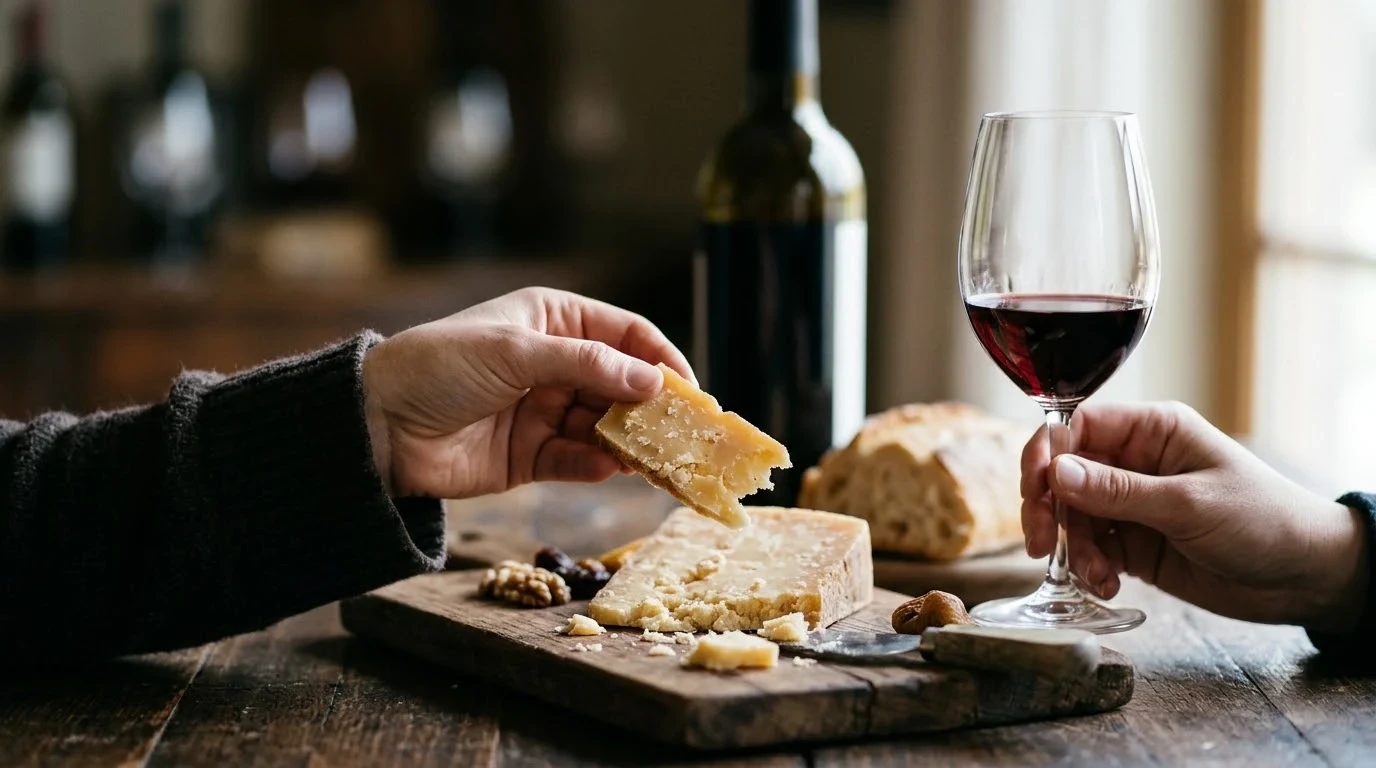
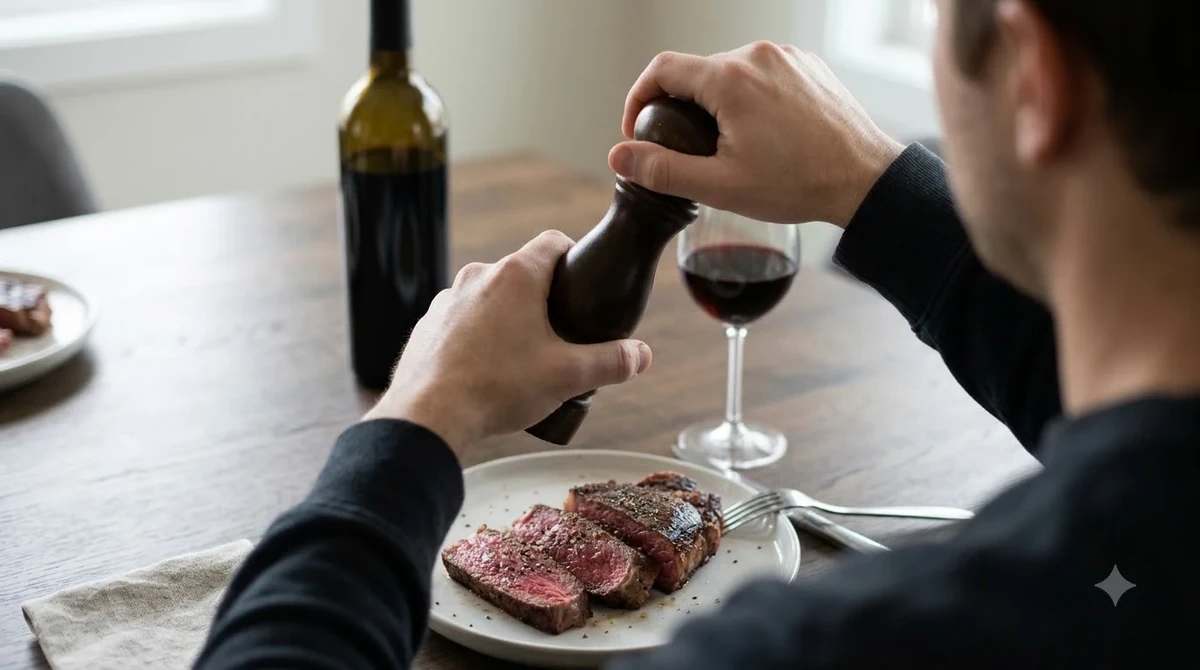
In Piedmont, ruche is often served with slow-cooked beef, which suits the wine’s medium body and soft tannins. Northern Italian cheeses also pair well, especially semi-firm styles that bring out the wine’s berry and floral notes. Mushroom dishes are another natural match, since their earthy flavor complements the pepper and forest character of the wine.
Lighter foods work too. Roasted vegetables, herb-based sauces, and grilled poultry can all suit the wine, as long as the dish is not too spicy. Very rich or heavily spiced dishes may overwhelm its delicate aromatics.
Where to Find Ruche and What to Buy
Ruche is rare, so the easiest place to find it is a specialist Italian wine shop or a restaurant wine list in Piedmont or another region with a strong Italian focus. Look for bottles that name the denomination on the label, since that tells you the wine follows the traditional style. If a shop can describe the producer and the vintage, that is useful too.
When you taste ruche for the first time, compare it with another light red from Italy or France. The pepper and floral notes stand out more when you have a reference point, and that comparison helps you decide whether the style suits your palate. Many people find it appealing once they understand that the bitterness on the finish is a structural feature, not a flaw.
Because supply is limited, prices and availability change from year to year. Buying from a retailer that can explain the producer’s style is often the best way to avoid disappointment.
Frequently Asked Questions
What does ruche wine taste like?
Ruche is medium-bodied and aromatic, with notes of pepper, wild berries, and flowers. It has moderate acidity and soft tannins, and it can finish with a slightly bitter edge.
Where does ruche come from?
Ruche is a red grape from Piedmont in northern Italy. Most of it is used for Ruché di Castagnole Monferrato, grown in a small area of the Monferrato hills near Asti.
How is ruche different from other Italian reds?
Ruche is lighter and more aromatic than many Italian reds, with floral and peppery notes rather than heavy tannin. Its small production area and its link to a single denomination also set it apart.
Is ruche wine sweet?
No. Ruche is a dry red wine. Its aromas can suggest fruit and flowers, but the wine is not sweet in the way that dessert wines are.
What food goes well with ruche?
Slow-cooked beef, northern Italian cheeses, and mushroom dishes are classic matches. Roasted vegetables and herb-based sauces also work well with the wine’s medium body.
Ruche is a small, distinctive red from Piedmont that rewards curiosity. Look for the full denomination name on the label, serve it cool, and pair it with beef, cheese, or mushrooms. For more on Italian and other regional reds, browse wine by type or compare another regional red such as bobal wine.
More in Wine Types & Grapes
 Zinfandel Sugar Content: Dry Red vs. White Zinfandel GramsUpdated Nov 21, 2026
 Best Zinfandel Substitute Options for Sipping and CookingUpdated Nov 21, 2026
 Zweigelt Food Pairing: Best Dishes, Cheeses, and Serving TipsUpdated Nov 21, 2026
 Zinfandel Tannins Explained: How Structure Shapes Every BottleUpdated Nov 21, 2026
 Zinfandel Sweetness Level: Dry Red vs. Sweet White Zin ExplainedUpdated Nov 21, 2026
 Xinomavro Food Pairing: Best Dishes, Styles, and Serving TipsUpdated Nov 21, 2026