

We may earn a commission when you buy through links on this page, at no extra cost to you. Learn more.
Here is how to pack wine in luggage safely: wrap each bottle in a protective layer, place it in the middle of your bag away from the edges, surround it with soft clothing, and keep it upright inside a sealed bag. Most breakage and leaks happen because a bottle moves against a hard surface or because the cork or cap loosens under pressure changes. A little preparation prevents both problems.
Bringing a bottle home from a trip, or carrying one to a dinner or a friend’s place, is easier than many people expect. The main challenge is the weight and fragility of the glass. This guide explains how to pack wine in luggage, what materials work best, and when to choose a carry-on bag instead of a checked suitcase.
Why packing wine needs a plan
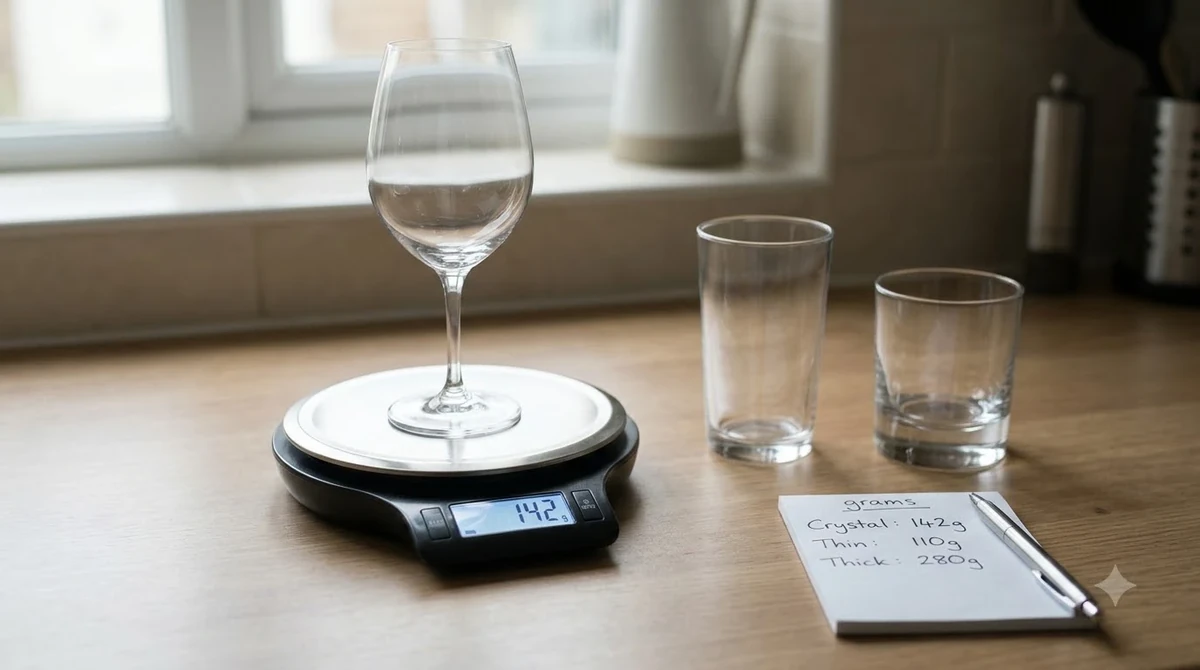
A wine bottle is heavier than most travelers expect. According to the Wikipedia entry on wine bottles, a standard 750 ml bottle is the industry’s usual unit for sales, and an empty bottle averages about 500 grams, while glass makes up roughly 40 percent of a full bottle’s total weight. That means a few bottles add real weight to a bag before anything else goes in.
The thick glass also explains why bottles crack under a sharp knock but survive ordinary movement when they are padded well. The goal is to stop the bottle from touching anything hard and to stop it from shifting during the trip.
Sparkling wine needs extra care. The Wikipedia entry on wine bottles notes that sparkling wine requires thicker-walled bottles to handle the extra internal pressure. Even so, a sparkling bottle still needs the same wrapping and upright placement as a still wine, and a cork under pressure is best protected by keeping the bottle steady and away from knocks. A short read on where champagne comes from can also help you choose which sparkling bottle is worth bringing.
Choose the right bag and protection
A purpose-built wine carrier with fitted dividers or padded sleeves is the simplest option for one to three bottles. These carriers keep each bottle separated and cushioned. If you do not own one, a sturdy tote bag with a zip closure and a layer of foam or thick towels works well.
If you are choosing which bottles to bring to a dinner or a gathering, it can help to know which wine has less sugar before you pack, since the style you pick will also affect what you serve with it. Avoid thin plastic shopping bags, which tear easily and offer little padding. Choose a bag with a zipper rather than a drawstring, so the top stays closed if the bag is pushed or dropped.
Wrap each bottle the right way
Start with the neck and cork or cap, because that is where leaks usually begin. Wrap the closure in a small piece of plastic wrap or a zip-top bag, then secure it with tape. Next wrap the body of the bottle in bubble wrap, a thick towel, or a sweater. Several layers of soft material cushion the glass better than one thick layer.
Before you wrap a bottle, take a moment to check the label and the closure. A cracked capsule, a damp label, or a loose cork is a sign that the bottle should be opened and finished at home rather than carried. Peel off any loose foil around the neck, since a sharp foil edge can tear the plastic wrap you add later.
Place each wrapped bottle inside a second sealed plastic bag. If a bottle does leak, the second layer keeps the wine away from your clothes and electronics. Wine stains are much harder to remove from fabric than from a plastic bag.
Keep bottles upright and centered
Bottles should stay upright throughout the trip. A bottle lying on its side can push wine against the cork, which increases the risk of seepage over time. Place the wrapped bottles in the middle of your suitcase, surrounded by clothes or other soft items that fill the gaps. Empty space lets the bottles knock around, so fill it with padding.
Keep the bottles away from the outer walls of the bag and away from hard items such as shoes, toiletry bottles, or metal tools. Pressure on the outer shell can crack the glass even when the bottle is wrapped.
Temperature matters too. A bottle left in a hot car trunk or a closed vehicle for hours can warm enough to change the flavor, and a wine that has been heated and cooled repeatedly is more likely to taste flat or dull when it is finally opened. If the trip includes a long stop in a warm place, move the bag into the shade or inside the building as soon as you can. Wines that are meant to be served cold, such as most whites and sparkling wines, are especially sensitive to heat during transport, so plan the last leg of the trip with that in mind.
Carry-on or checked luggage
A carry-on bag gives you more control over the bottles, because you can see them and keep them out of the cargo hold, where baggage is often thrown or stacked. It is also the safer choice for a bottle you cannot replace. The downside is that carry-on size and liquid rules can limit how much you bring.
A checked suitcase is more practical for several bottles, but it needs the strongest padding and the most careful placement. Pack the wine in the middle of the case and keep heavy items away from it. Check the rules of your airline before you travel, since liquid limits and checked-bag weight limits differ by carrier and by country.
| Packing item | Why it helps | Where to place it |
|---|---|---|
| Zip-top bag or plastic wrap on the cork | Catches leaks at the closure | Over the neck, taped in place |
| Bubble wrap or a thick towel | Cushions the glass body | Around the full bottle |
| Sealed second bag | Holds any leak inside one layer | Around the wrapped bottle |
| Soft clothing | Fills gaps so bottles cannot shift | Between and around bottles |
| Wine carrier with dividers | Separates bottles from each other | Upright in the bag center |
Tip: Pack the wine before you close the suitcase, and check the bag on a flat surface before you leave home. A quick press along the outside will show whether anything is moving inside.
Frequently Asked Questions
Can I pack wine in a carry-on bag?
Yes, many travelers carry wine in a carry-on bag, but airline and security rules on liquids apply, so check them before you fly. Wrap the bottle and place it in a sealed bag so it is easy to show at security.
What is the best way to stop a wine bottle from leaking?
Cover the cork or cap with a zip-top bag or plastic wrap, secure it with tape, and keep the bottle upright. Most leaks come from pressure on the closure, so avoid placing the bottle on its side.
Should I pack wine in a checked bag?
A checked bag works well for a few bottles if you pad them thoroughly and place them in the middle of the suitcase. Bags in the cargo hold can be handled roughly, so use stronger padding than you would for a carry-on.
What if a bottle breaks in my luggage?
Remove the other bottles and clothing first, then clean up the glass carefully with gloves. Wash affected fabric promptly with cold water, which gives the best chance of removing the stain before it sets.
With the right bag, padding, and placement, bringing wine home is simple. To learn more about the bottle itself, read the wine basics guide, and when you open your bottle at your destination, a wine key is the one tool worth packing.
More in Wine Basics
 Which Rose Is Best for Your Taste, Budget, and Food PairingsUpdated Nov 21, 2026
 Is Cheap Wine Bad? How to Find Bottles Worth DrinkingUpdated Nov 21, 2026
 What To Write On A Wine Gift Tag: Thoughtful Messages For Every OccasionUpdated Nov 21, 2026
 Which Wine Is Best For Weight Loss? Compare Lower-Calorie ChoicesUpdated Nov 21, 2026
 What Is The Best Wine For Mimosas? Choose Bubbly That Balances Orange JuiceUpdated Nov 20, 2026
 Which Prosecco Is Best for Your Taste and OccasionUpdated Nov 20, 2026