

We may earn a commission when you buy through links on this page, at no extra cost to you. Learn more.
Tempranillo wine is a red made mainly from the Tempranillo grape, Spain’s signature red variety, and it forms the backbone of Rioja and Ribera del Duero. The wines show dark cherry, dried plum, and sun-dried tomato, with medium-high acidity and dusty tannins. This guide explains where the grape grows, how oak changes the glass, and which foods suit these reds.
If you have tried a bottle of Rioja, you have probably met Tempranillo already. The grape is grown across Spain and in several other countries, and its wines range from fresh and fruity to deep, oak-driven, and long-lived. Knowing the naming and the main regions makes it much easier to pick the right style.
Where tempranillo wine comes from
Spain is the grape’s home. In northern Portugal it is called Tinta Roriz, and in the south of the country it is called Aragonez. The name comes from temprano, the Spanish word for early, because the grape ripens weeks before many other red varieties. Today it is also grown in Argentina, Oregon, and Australia.
Within Spain, the grape goes by different local names depending on where it grows. In Ribera del Duero it is known as Tinto Fino. The two most famous regions, Rioja and Ribera del Duero, make wines with clear differences in style. The Coravin guide to Tempranillo is a useful source for these regional details.
The grape’s name and its wide spread are both a reminder that the variety adapts well. Growers in cooler and warmer sites get different results, which is why the same grape can taste fresh in one bottle and rich in the next.
In warmer climates, such as parts of Australia and Argentina, the fruit tends to ripen more fully and the wines can feel generous and plush. Cooler sites bring out red fruit and firmer acidity, and that contrast is one reason the grape can feel so different from one bottle to the next.
Flavor and tannin profile of tempranillo wine
The primary flavors are dark cherry, dried plum, and sun-dried tomato. Aged wines develop secondary notes of old leather, tobacco leaf, and cedarwood. The tannins are often described as dusty, which gives the wine a dry, grippy finish rather than a soft, velvety one.
Acidity sits in the medium-high range, which keeps the wine from feeling heavy even in warm vintages. Compared with a cabernet sauvignon wine, Tempranillo has higher acidity and sits more in the red-fruit range, so it often tastes brighter on the palate.
When you shop, a region on the label usually tells you the style. If the bottle only says Tempranillo, it is often a varietal wine that leans toward fruit and lighter oak. Those bottles are a good everyday option when you want the grape’s character without the weight of a long aging program.
Oak and aging in Tempranillo
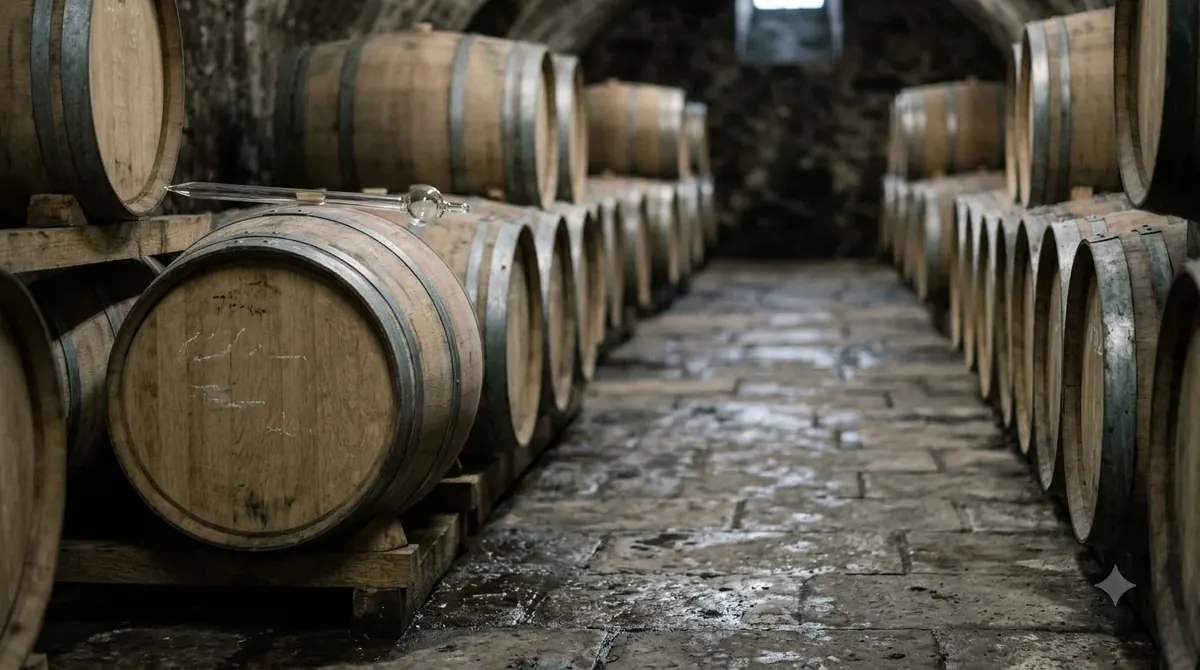
Tempranillo takes on oak flavor readily, which is one reason the wines of Rioja and Ribera del Duero can taste so different. American oak adds coconut and dill notes, and French oak adds clove and smoke. The dill aroma comes from compounds in American oak barrels.
Many producers now use large foudres, which are big barrels that add less oak flavor than small ones. That approach keeps the fruit in front while still giving the wine structure. Rioja has long been associated with American oak, while Ribera del Duero tends to lean on French oak and show more concentrated black fruit.
| Style | What to expect |
|---|---|
| Rioja | Blends with Tempranillo as the backbone; often American oak with vanilla and coconut notes |
| Ribera del Duero | Darker, more muscular, and structured; more French oak and black fruit |
| Fresh, young styles | Bright red fruit with little oak influence |
Rioja and Ribera del Duero
Rioja is a DOCa region with three sub-regions: Rioja Alta, Rioja Alavesa, and Rioja Oriental. Rioja bottles are usually blends. Tempranillo provides the backbone, with Graciano and Mazuelo also used, and Garnacha appears in some blends. Tempranillo makes up more than 75 percent of Rioja plantings.
Ribera del Duero wines are darker and more muscular than Rioja. The region’s cooler, higher vineyards add concentration and structure, so these bottles often suit heavier dishes. Comparing the two side by side, with the same meal, is the quickest way to see which style suits your table.
How to serve tempranillo wine
Serve Tempranillo at 15 to 18°C (60 to 65°F). Room temperature, around 22°C (72°F), is usually too warm for these wines, and the alcohol can feel heavy. If a bottle has warmed up, chill it in the refrigerator for about 15 minutes before pouring.
Young, fruit-forward bottles drink well without decanting. Older bottles can throw sediment, so a gentle decant is worth considering for those, and it also gives the wine a little time to open.
Glass size matters less than temperature with this grape. A medium bowl gives the cherry and plum aromas room to lift, and the wine opens as it warms slightly in the glass during a long meal.
If you are buying a bottle to give as a gift, a Rioja Reserva or a Ribera del Duero from a well-known producer is a dependable choice. Both styles show the grape clearly and suit a wide range of dinner guests.
Food pairings that suit tempranillo wine
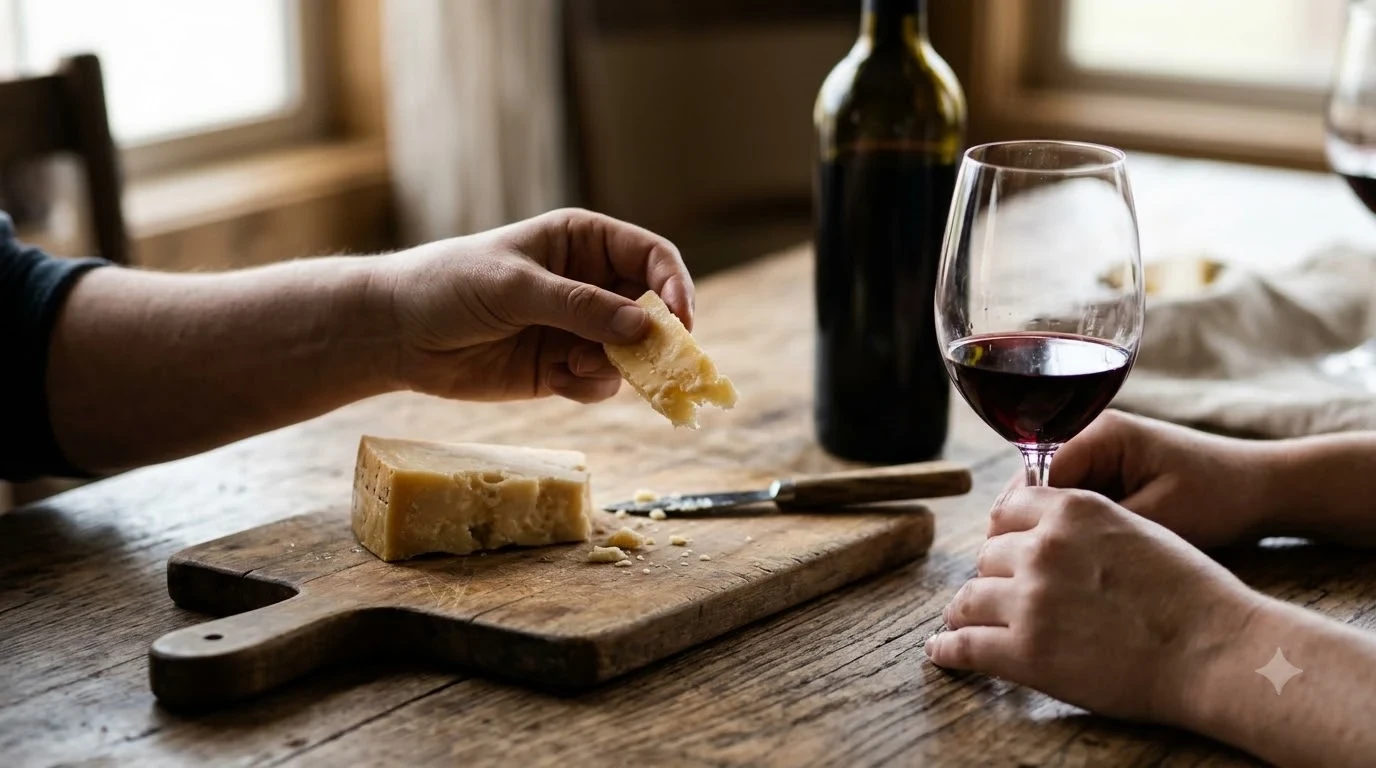
Lamb is the classic partner. Wood-fired or grilled dishes such as roasted lamb, chorizo, and wood-fired suckling pig pair well with the wine’s acidity and earthiness. Aged Manchego is a traditional cheese match, and the combination works especially well with oak-aged bottles.
Older wines suit mushrooms, truffles, and roasted root vegetables, which bring out the savory side of the wine. Richer, long-cooked casseroles and well-aged steak also work with Reserva-style bottles. Modern options include grilled portobello tacos and smoked duck with a cherry reduction.
Cheese boards also deserve attention. Aged Manchego, a sheep’s milk cheese from central Spain, shares the wine’s dry, savory character, and the two often taste more balanced together than either does alone.
Rustic Spanish home cooking suits the grape very well. Paella with chorizo, bean stews, and roasted vegetables dusted with smoked paprika all share the earthy, savory notes that Tempranillo brings out.
Avoid sweet-and-sour or very spicy sauces, which can clash with the wine. Delicate white fish is also a poor match. Meatier fish such as salmon or ahi tuna can work with a lighter, fresher style.
Tip: For a mid-week dinner, choose a young Rioja or a basic Ribera and serve it with grilled chicken or sausages. Save the oak-aged bottles for roasts and special occasions.
Frequently Asked Questions
What is tempranillo wine?
Tempranillo wine is a red made mainly from the Tempranillo grape. It is the main variety in Rioja and Ribera del Duero and is also grown in Portugal, Argentina, Oregon, and Australia.
Is tempranillo the same as Rioja?
No. Rioja is a region, and its wines are usually blends in which Tempranillo is the main grape. Some Rioja bottles use other varieties in larger proportions, so the label should be checked.
What is the difference between Rioja and Ribera del Duero?
Rioja is typically a blend with a more traditional oak character, while Ribera del Duero wines are darker, more concentrated, and more structured. Ribera tends to suit heavier dishes.
Does tempranillo wine age well?
Yes, many oak-aged bottles develop leather, tobacco, and cedar notes over time. Young, fresh styles are best enjoyed within a few years of their vintage.
Tempranillo works well as an everyday red and as a special-occasion wine. Start with a young Rioja for weeknights and move to a bottle with more oak for a long dinner. For the grape itself, see the tempranillo grape guide, and for more red varieties, browse the Wine by Type page.
More in Wine Types & Grapes
 Zinfandel Sugar Content: Dry Red vs. White Zinfandel GramsUpdated Nov 21, 2026
 Best Zinfandel Substitute Options for Sipping and CookingUpdated Nov 21, 2026
 Zweigelt Food Pairing: Best Dishes, Cheeses, and Serving TipsUpdated Nov 21, 2026
 Zinfandel Tannins Explained: How Structure Shapes Every BottleUpdated Nov 21, 2026
 Zinfandel Sweetness Level: Dry Red vs. Sweet White Zin ExplainedUpdated Nov 21, 2026
 Xinomavro Food Pairing: Best Dishes, Styles, and Serving TipsUpdated Nov 21, 2026