

We may earn a commission when you buy through links on this page, at no extra cost to you. Learn more.
What is Sangiovese? It is an Italian red wine grape and the signature grape of Tuscany’s Chianti. It is the most planted wine variety in Italy, and the wine it makes is bone-dry, with high acidity, medium-high tannins, and flavors of tart cherry, roasted tomato, and oregano. It is one of the most food-friendly reds you can buy, which is a big reason it has stayed popular for generations.
If you have seen the name on a wine list or a shelf and wondered what it actually tastes like, this guide covers the basics. You will learn where the grape comes from, how the wine usually tastes, how to serve it, and which dishes make the best partners.
What Sangiovese is and where it comes from
Sangiovese is a red grape that has long been grown on the hillsides of Tuscany and across much of central Italy. According to Wine Folly’s Sangiovese profile, it is Italy’s most planted wine variety, and it is the grape behind Chianti, the red most people picture when they think of Tuscany.
Sangiovese has also been a working grape for a very long time, which shows in the way it is grown and blended. Many traditional styles combine it with other local varieties, and the balance of those blends has shaped how Tuscan reds taste today.
The grape is known for being sensitive to where it is planted. The same name on the label can taste quite different depending on the vineyard, the climate, and the winemaker’s choices. Some bottles lean toward bright, juicy fruit, while others show more earthy and savory character. That range is part of what makes Sangiovese interesting to explore over several bottles.
Flavor, body, and structure
A typical Sangiovese is dry and medium-full in body, with medium-high acidity and medium-high tannins. The fruit is usually tart cherry, and many bottles add roasted tomato, sweet balsamic, dried oregano, and a hint of espresso. Acidity is the feature that makes the wine feel lively on the palate, and it keeps the glass from tasting heavy even when the tannins are firm.
Alcohol usually falls between 13.5% and 15% ABV. That range is common for Italian reds, so the wine tends to feel structured and balanced rather than hot or syrupy. If you are used to softer, fruit-forward reds, the firmer texture may take a sip or two to get used to, but most drinkers find it rewarding once the food arrives.
How to serve Sangiovese
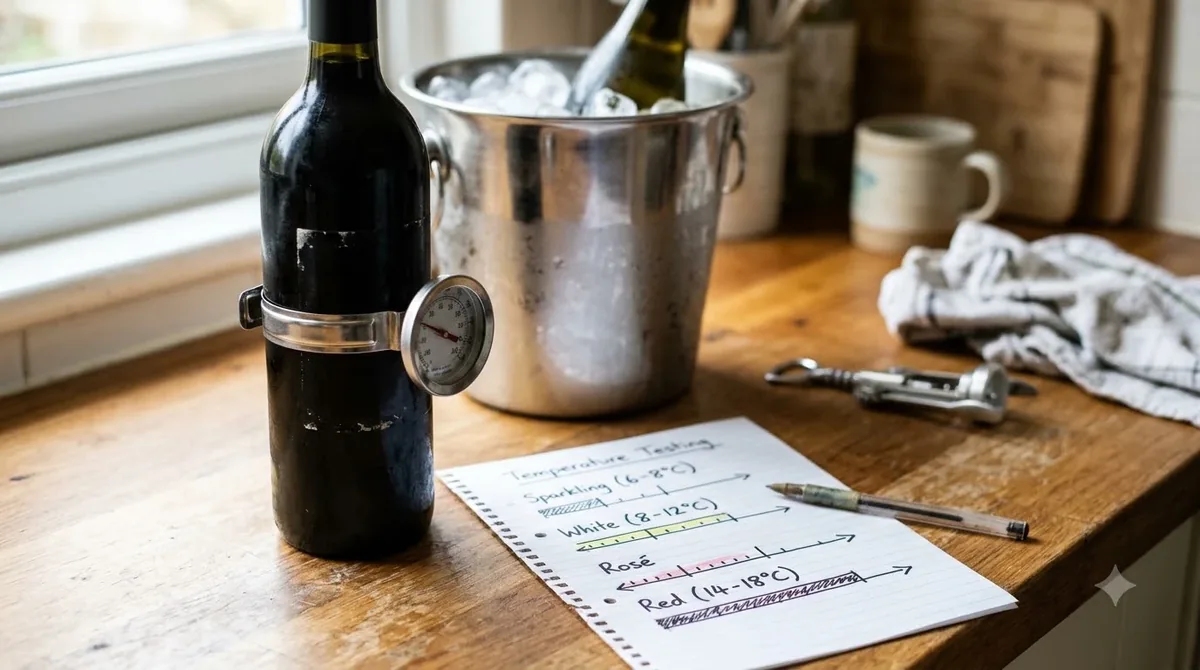
Serve it at 60 to 68 degrees Fahrenheit (15 to 20 degrees Celsius). That is a bit cooler than many people keep their reds, and it helps the acidity and fruit stay in balance. A universal wine glass gives the aromas room to open without losing the wine’s freshness.
Decanting for about 30 minutes is a good idea, especially for younger bottles. It softens the tannins and lets the cherry and herb notes come forward. You do not need to decant an older bottle that already tastes smooth, but a short rest in the glass can still help. Sangiovese also ages well. Wine Folly notes that it can be cellared for ten years or more, so a bottle bought for a weeknight dinner can be kept for a special occasion if you want to see how it develops.
Food pairing for Sangiovese
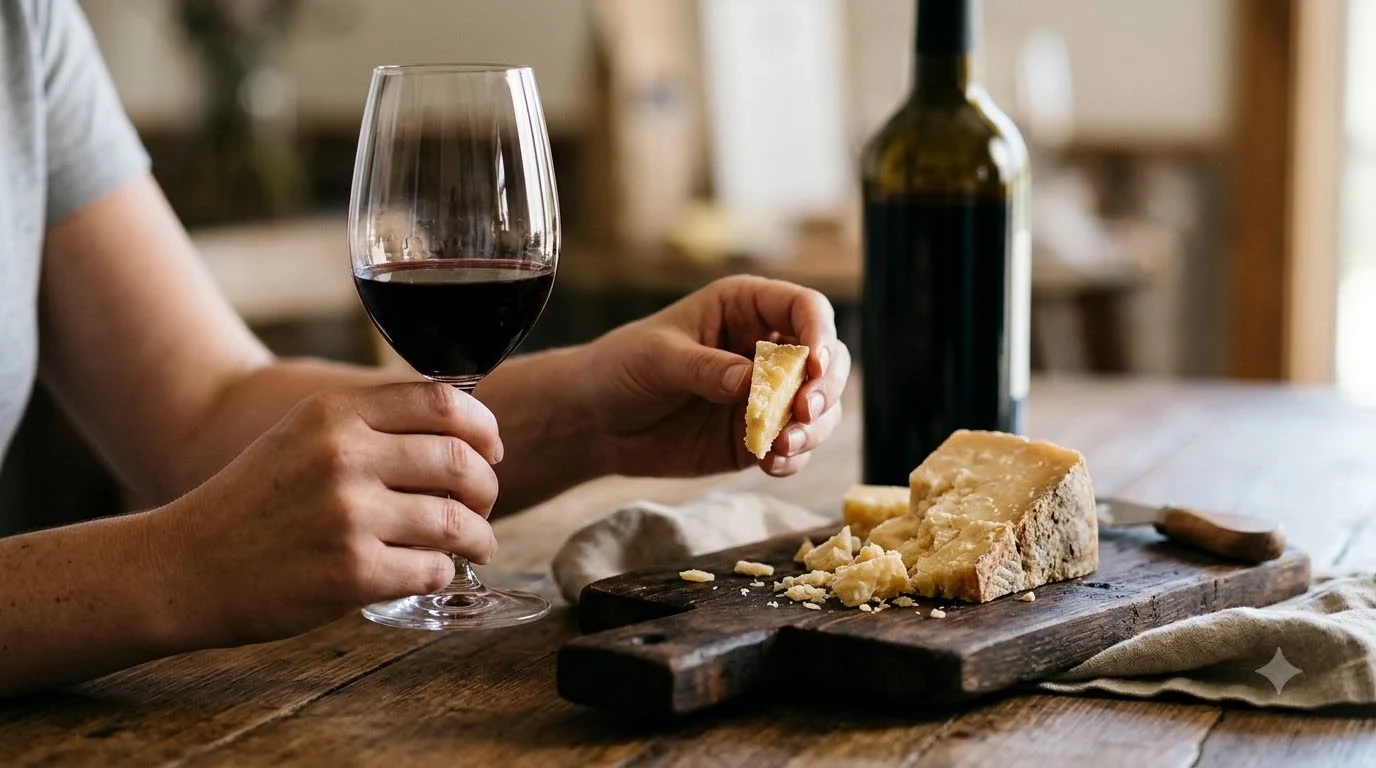
Because the wine has high acidity, it pairs best with food that has its own acidity, sweetness, or savory depth. Tomato sauces, roasted peppers, braised dishes with herbs, and aged cheeses all work well. The acidity cuts through rich food without overwhelming it, which is why Sangiovese is a common choice for an Italian dinner table.
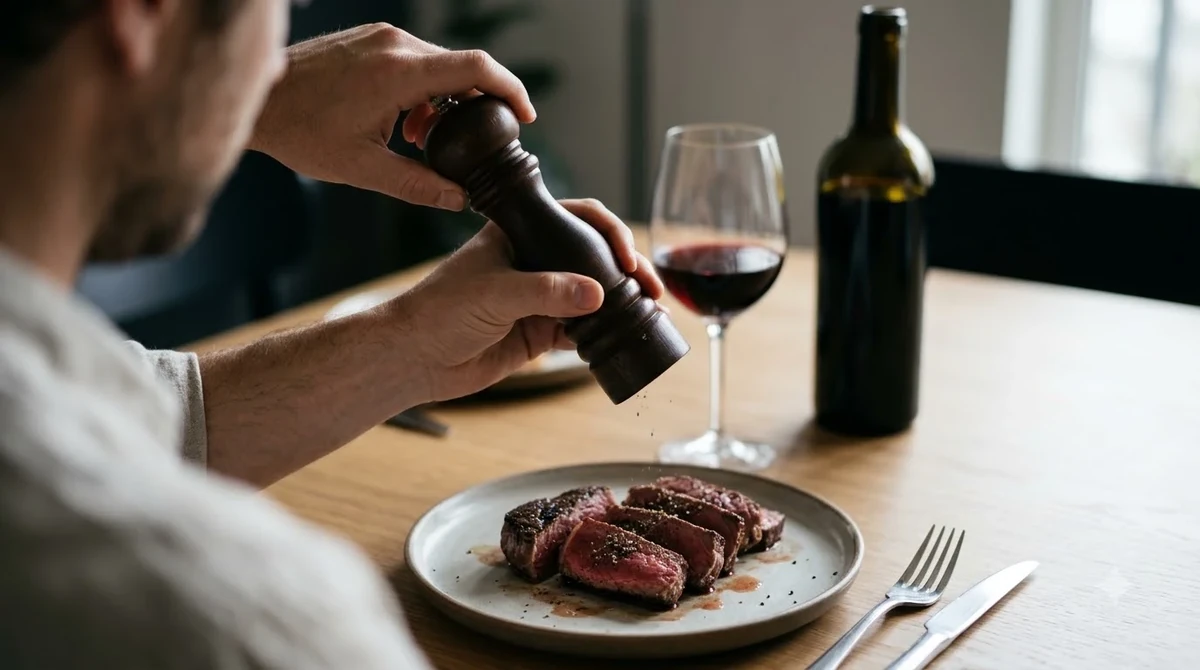
It also handles grilled food. Char and smoke can make a lighter red taste thin, but the structure of a Sangiovese holds up. Wine Folly suggests the wine suits almost anything grilled. Vegetable dishes are another strong match. A grilled eggplant with oregano or a roasted pepper salad can bring out the same savory notes you find in the glass. For more on wines that suit a range of foods, the Wine by Type hub is a useful place to compare styles side by side.
How to choose a Sangiovese bottle
Choosing a Sangiovese becomes easier once you know what the label is telling you. The most common style you will see is a younger, fresher bottle meant for everyday drinking. These usually show brighter cherry fruit and a softer tannin edge, and they pair well with pizza, pasta, and casual meals. Wines from the same family that are aged longer tend to show more savory depth, leather, and dried herb notes, with firmer structure that rewards a longer dinner.
Look for the region on the bottle as well. Because the grape is so sensitive to place, a bottle that names its vineyard area gives you a better idea of what is in the glass than a generic name alone. If you are not sure what to buy, ask a shop staff member for a bottle that is ready to drink now, and plan to pair it with a tomato dish or grilled vegetables. Those two foods show the wine’s acidity and savory character at their best.
Price should not be your only guide. Many of the most food-friendly Sangiovese bottles sit in the middle of the shelf, where you can find a wine with real structure without paying for extra aging you may not need for a weeknight meal. Read the back label for the producer’s description, and use it to check whether the wine is meant for immediate drinking or for cellaring.
Sangiovese at a glance
The table below sums up the main features most bottles share. Individual producers will vary, but these numbers give you a clear starting point when you are choosing a bottle or planning a meal.
| Feature | What to expect |
|---|---|
| Sweetness | Dry |
| Body | Medium-full |
| Acidity | Medium-high |
| Tannin | Medium-high |
| Alcohol | 13.5% to 15% ABV |
| Serving temperature | 60 to 68 F (15 to 20 C) |
| Typical flavors | Cherry, roasted tomato, oregano, espresso |
Tip: If you are new to Sangiovese, start with a bottle labeled Chianti and serve it slightly cool with a tomato-based dinner. The contrast between the wine’s acidity and the sauce is the easiest way to understand what the grape is about.
Frequently Asked Questions
Is Sangiovese a red or a white wine?
Sangiovese is a red grape, and the wines made from it are red. It is best known in Tuscany, where it forms the base of Chianti.
What does Sangiovese taste like?
Most Sangiovese tastes of tart cherry, with notes of roasted tomato, dried herbs, and sometimes espresso. It is dry, with high acidity and firm tannins that give the wine structure.
Should I decant Sangiovese?
Decanting for about 30 minutes is recommended for many bottles. It softens the tannins and makes the fruit taste more open, especially in younger wines.
What food goes best with Sangiovese?
Tomato-based dishes, roasted vegetables, grilled meats, and aged cheeses are all strong choices. The high acidity helps it match foods that are rich, savory, or slightly sweet.
Sangiovese also shows how much a single grape can change from one bottle to the next. A young, bright version and an older, savory version can both come from the same vine family, which is why tasting two or three bottles side by side is the fastest way to learn the style. Keep notes on what you taste, and you will start to recognize the cherry, tomato, and herb notes without needing the label.
Sangiovese is a good grape to learn because it rewards attention and food at the same time. Start with a bottle from Tuscany, serve it cool, and pair it with a simple tomato dish. Once you know its character, you will be able to spot the same savory and bright notes in other Italian reds. You can also explore the bobal wine profile if you want to compare a different style from Spain.
More in Wine Types & Grapes
 Zinfandel Sugar Content: Dry Red vs. White Zinfandel GramsUpdated Nov 21, 2026
 Best Zinfandel Substitute Options for Sipping and CookingUpdated Nov 21, 2026
 Zweigelt Food Pairing: Best Dishes, Cheeses, and Serving TipsUpdated Nov 21, 2026
 Zinfandel Tannins Explained: How Structure Shapes Every BottleUpdated Nov 21, 2026
 Zinfandel Sweetness Level: Dry Red vs. Sweet White Zin ExplainedUpdated Nov 21, 2026
 Xinomavro Food Pairing: Best Dishes, Styles, and Serving TipsUpdated Nov 21, 2026