

We may earn a commission when you buy through links on this page, at no extra cost to you. Learn more.
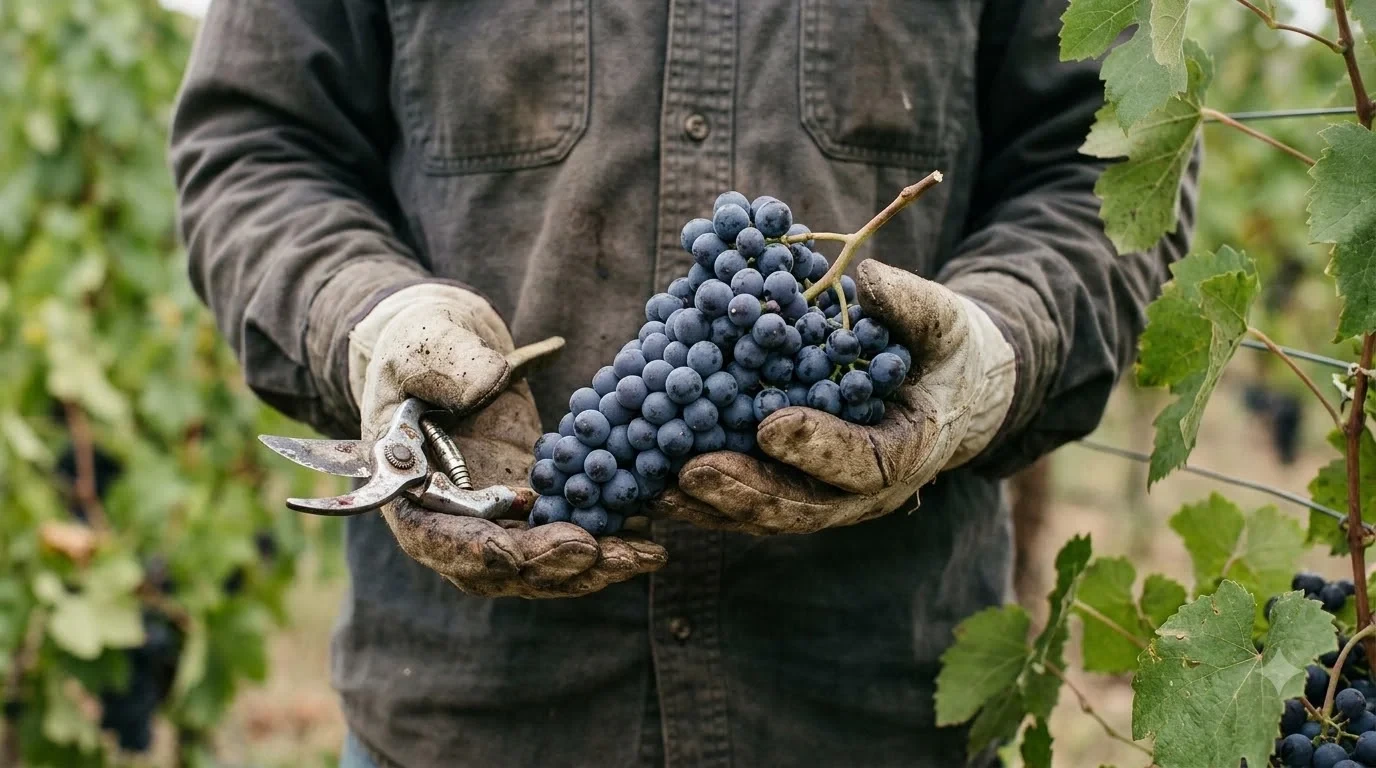
The Lambrusco grape is a family of red Italian grape varieties, grown mainly in Emilia-Romagna, that is used to make light, often slightly sparkling wines. The name covers closely related varieties rather than a single grape, and the wines range from pale rosé to deep red. Lambrusco grapes are valued for their bright acidity and fruity character, which is why the wine is often served cold and enjoyed young.
This guide explains what the Lambrusco grape is, where it grows, how many varieties belong to the family, and how the grape shapes the wine in the glass. It is written for drinkers who see Lambrusco on a menu or shelf and want to understand what the name really covers.
What the Lambrusco grape is
Lambrusco is both a grape and the wine made from it. The Wine Folly guide to Lambrusco describes it as a family of eight closely related grape varieties native to Italy, and the wines made from them are usually sparkling. That family structure is the first thing to understand, because a bottle labeled simply Lambrusco may blend several varieties rather than come from one grape.
The Wikipedia entry on Lambrusco goes further and says more than 60 Lambrusco varieties have been identified. Salamino is the most widely planted of them. Most wines blend several varieties, and the rules for some DOC wines allow a small share of other grapes, such as Ancellotta, which can account for up to 15 percent of the blend in the Reggiano zone.
Tip: If you want a single-variety wine, look for the DOC name on the label. Grasparossa and Salamino di Santa Croce are two examples where the rules require a high share of one grape.
Where Lambrusco grapes grow
Lambrusco grapes grow mainly in Emilia-Romagna, the region of northern Italy best known for its food. Many of the vineyards sit on the flat plain and gentle slopes that run through the region, where the grape can ripen and keep its acidity. According to the Wikipedia entry, the grapes and wines come from four zones in Emilia-Romagna and one in Lombardy, centered on the provinces of Modena, Parma, Reggio-Emilia and Mantua. That spread means the grape is part of a wide local tradition rather than a single estate or village.
The entry lists eight Lambrusco DOC regions, including Colli di Parma, Grasparossa di Castelvetro, Sorbara, Salamino di Santa Croce, Reggiano, Colli di Scandiano e Canossa, Modena and Mantovano. Mantovano is the only major region outside Emilia-Romagna. Reggiano is the largest producer and the source of most of the DOC wines exported abroad, while Sorbara is described as generally the highest-quality variety.
Flavor and color of Lambrusco grapes
The grape is not especially sweet on its own. When it is not fermented sweet, it can make a dry wine with strawberry notes, which is why many people associate Lambrusco with red berries and a light, fresh finish. The wine’s color depends on the variety and the winemaking. Some styles are pale rosé, while others are deep red and more structured.
The acidity is one of the grape’s main strengths. That acidity gives the wine lift and helps it pair with rich, salty foods. It also keeps the wine feeling clean after each sip, even when the bottle is sweeter. Winemakers who work with Lambrusco often focus on this balance between fruit, acidity and fizz.
| Feature | What to expect with Lambrusco grapes |
|---|---|
| Family size | Eight closely related varieties (Wine Folly); more than 60 identified (Wikipedia) |
| Main home | Emilia-Romagna, with one zone in Lombardy |
| Most planted variety | Salamino |
| Typical color | From pale rosé to deep red |
| Typical alcohol | About 10 to 11.5 percent ABV |
| Typical taste | Dry to off-dry, with red fruit and bright acidity |
How Lambrusco grapes become wine
Most Lambrusco wine is made by the Charmat process, a method in which the second fermentation takes place in a large tank rather than in the bottle. The method keeps the wine fresh and lively and helps preserve the grape’s fruit. That is one reason Lambrusco tastes so different from a traditional champagne-method sparkling wine.
The wine can be made in several sweetness levels, from dry to very sweet. The Wikipedia entry notes that sweet Lambrusco was the top-selling imported wine in the United States in the 1970s and 1980s. More recently, newer producers have been making drier styles that appeal to people who want a lighter, food-friendly bottle.
How to serve Lambrusco
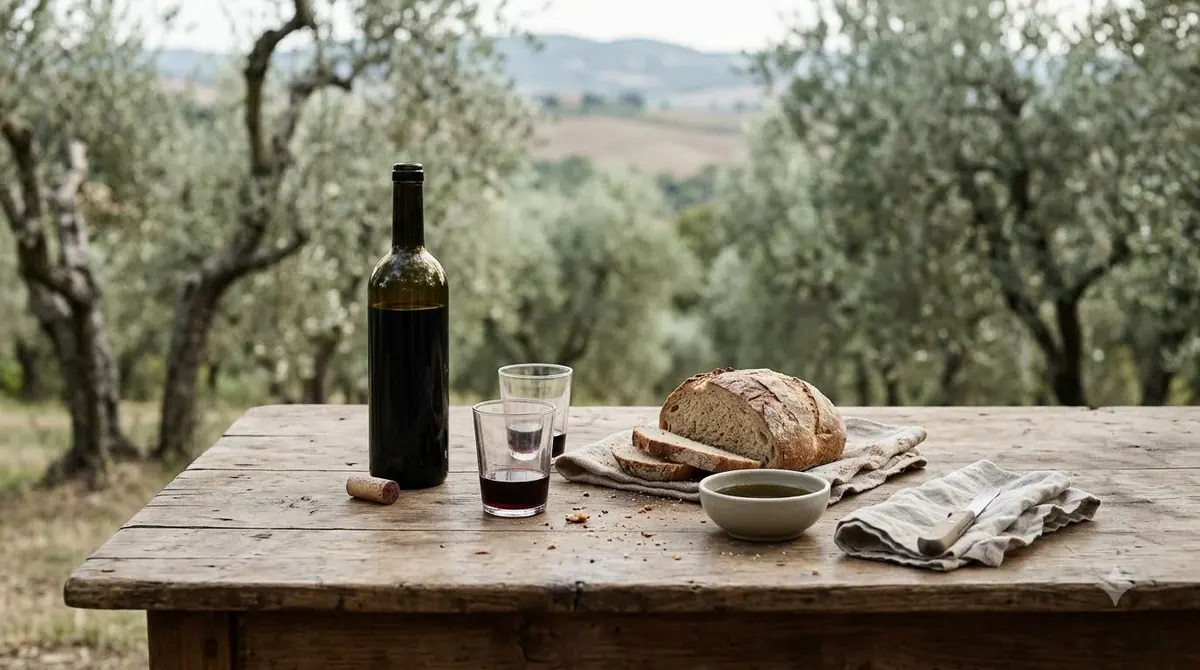
Serve Lambrusco cold. Wine Folly gives a serving range of 45 to 55 °F (7 to 12 °C) and recommends a universal glass. The guide also says not to decant the wine, since its fizz and fruit are best kept fresh. A chilled bottle and a standard wine glass are enough for most occasions.
Lambrusco is a practical wine for a casual table. It works with pizza, burgers, cured meats and hard cheeses, and its bubbles make it easy to drink with a meal. For a lighter option, choose a dry or rosé style; for a sweeter one, choose an off-dry bottle to match dessert.
How to choose a Lambrusco wine
Start with the sweetness on the label. Dry styles suit food and mixing, while sweeter ones fit dessert or a simple sipping glass. Next, check whether the wine is labeled as a single variety or a DOC blend. Single-variety wines can show more of one grape’s character, while blends tend to be more balanced and easier to drink.
The color tells you something too. A rosé-style Lambrusco is lighter and more delicate, while a deep red is more structured. Neither is better; it simply depends on the meal and the mood. If you are comparing Lambrusco with other grapes, the cortese grape guide is a useful look at another Italian variety, and the wine by type section covers the wider range of grapes.
Why the grape suits everyday drinking
Lambrusco grapes produce wines that are meant to be drunk young and shared. The combination of moderate alcohol, fresh acidity and gentle fizz means a bottle can be opened for a casual lunch, poured for a group, or chilled and set out before dinner. The grape rarely calls for the heavy oak or long cellaring that bigger reds need, which is part of its appeal for people who want a wine that does not demand much attention.
That everyday quality is also why the grape has a strong local role in Emilia-Romagna. It is a wine for the table as much as for special occasions, and it is often paired with the simple, rich food the region is known for. Many households treat it as the wine to open first, rather than the one saved for a celebration.
If you are new to the grape, a good way to start is with a standard, dry bottle from a known DOC zone. Taste it once cold, then again a few minutes later as it warms slightly. Notice how the fruit and acidity change, since that shift tells you a lot about how the grape behaves in the glass.
Frequently Asked Questions
Is Lambrusco a grape or a wine?
It is both. Lambrusco is the name of a family of Italian grape varieties, and it is also the name of the wine made from those grapes, usually a light, slightly sparkling red or rosé.
How many Lambrusco grape varieties are there?
Wine Folly describes the family as eight closely related varieties, while the Wikipedia entry says more than 60 Lambrusco varieties have been identified. The difference comes from how the family is defined, and most wines blend several of them.
Where do Lambrusco grapes grow?
They grow mainly in Emilia-Romagna in northern Italy, with one zone in Lombardy. The main provinces are Modena, Parma, Reggio-Emilia and Mantua.
Is Lambrusco always sweet?
No. Lambrusco can be dry, off-dry or sweet. Many newer producers make dry styles, and the sweetness is printed as secco, amabile or dolce on the label.
The Lambrusco grape is a family of Italian varieties with a bright, fruity character that suits a light, chilled glass. Start with a dry bottle to see how the grape tastes on its own, then try a sweeter style to compare. To keep exploring the grape’s family, read the chablis grape guide for a different white style, or return to the wine by type section for the full range.
More in Wine Types & Grapes
 Zinfandel Sugar Content: Dry Red vs. White Zinfandel GramsUpdated Nov 21, 2026
 Best Zinfandel Substitute Options for Sipping and CookingUpdated Nov 21, 2026
 Zweigelt Food Pairing: Best Dishes, Cheeses, and Serving TipsUpdated Nov 21, 2026
 Zinfandel Tannins Explained: How Structure Shapes Every BottleUpdated Nov 21, 2026
 Zinfandel Sweetness Level: Dry Red vs. Sweet White Zin ExplainedUpdated Nov 21, 2026
 Xinomavro Food Pairing: Best Dishes, Styles, and Serving TipsUpdated Nov 21, 2026