

We may earn a commission when you buy through links on this page, at no extra cost to you. Learn more.
Rioja wine is a Spanish wine from the Rioja region in northern Spain, mostly red and mainly made from the Tempranillo grape. The region holds the DOCa designation, Spain’s highest quality classification for a wine region, and its reds are sorted by how long they age before release. Crianza is the youngest and fruitiest style, while Reserva and Gran Reserva spend more time in oak and bottle. Rioja is also known for its whites and rosés, though reds make up most of the region’s reputation.
This guide explains what Rioja wine is, how the region is divided, what the aging labels mean, and how to choose and serve a bottle. It also covers the food pairings that work best with the most common styles.
What Rioja Wine Is
Rioja is a wine region in northern Spain, centered on the valley of the Ebro River. The name refers to both the region and the wines made within its boundaries, and the official DOCa status means the region’s rules for grapes, yields, and aging are strictly controlled. Those rules are a big reason why a bottle of Rioja can be relied on to show a consistent character.
Tempranillo is the backbone of most Rioja reds. It gives the wines their red-fruit flavor, firm structure, and capacity to age. Garnacha, known in English as Grenache, often appears in blends and adds body, spice, and a rounder texture. Some red Rioja is made with other varieties, but Tempranillo is the defining grape for most styles.
The Three Subregions
Rioja is divided into three main subregions, and each one gives the wine a different personality. Knowing the names helps you understand why two bottles with the same label can taste quite different.
| Subregion | Character | Typical style |
|---|---|---|
| Rioja Alta | Higher elevation and cooler temperatures | Elegant wines with more tannin and acidity |
| Rioja Alavesa | Elevated vineyards on limestone soils | Brighter acidity and a lifted, fresh structure |
| Rioja Oriental | Warmer, eastern zone, formerly called Rioja Baja | Fruit-forward, rounder, richer wines |
Rioja Oriental is the warmest of the three, and it is where Garnacha often does best. Rioja Alta and Alavesa, by contrast, are cooler and higher, which gives the wines a more restrained, structured profile. Many producers blend grapes from several subregions to balance fruit, acidity, and tannin.
Understanding Crianza, Reserva, and Gran Reserva
The aging labels are the most useful part of a Rioja bottle for shoppers. They tell you how long the wine spent in oak and in the bottle before release. The minimums below are the ones described in a leading wine reference for red wines, and they are the ones to check on a label.
| Label | Minimum aging for red | What it usually tastes like |
|---|---|---|
| Joven or Rioja (no aging term) | No minimum aging stated | Young, fresh, fruit-driven |
| Crianza | Two years in total, with at least one year in oak | Red fruit with a touch of oak |
| Reserva | Three years in total, with at least one year in oak | More structure, more savory depth |
| Gran Reserva | Five years in total, with at least two years in oak | Mature, layered, firm tannin |
A Crianza is a good everyday choice. It shows fresh fruit and enough oak to add a light spice, and it is often the most affordable of the aged styles. A Reserva has more depth and more savory notes, while a Gran Reserva is built for long aging and is best when it has been given time to settle.
Oak and How It Shapes the Taste
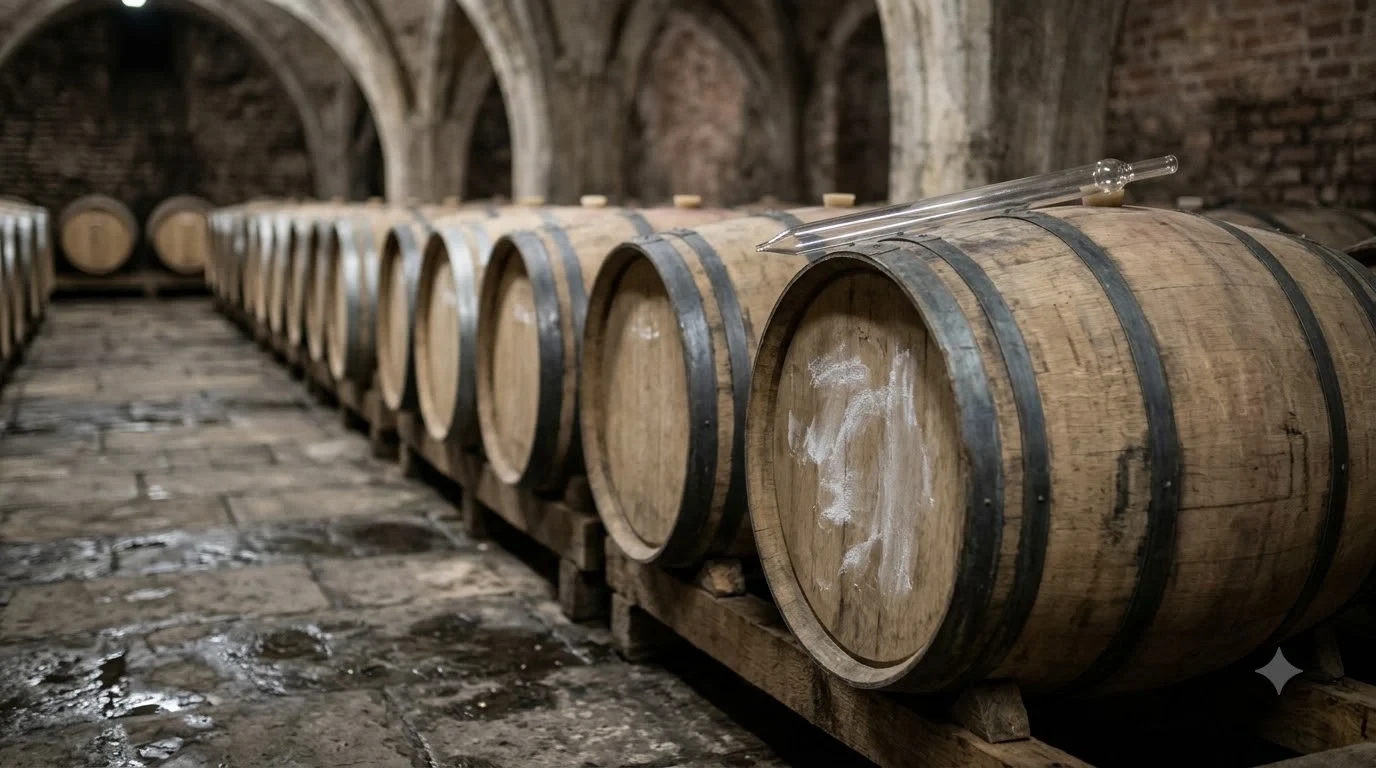
Oak is part of the Rioja story, but the type of oak and the length of time in barrel make a noticeable difference. Crianza wines are often aged in older, used oak, which keeps the oak flavor subtle and lets the fruit stay in front. Longer aging in new or newer barrels can add vanilla, toast, and coconut notes, particularly when American oak is used.
Gran Reserva wines spend the most time in oak, so they tend to have firmer tannins and a more mature character. Younger Rioja, by contrast, is meant to be drunk while it still tastes of fresh fruit, and waiting too long can make it taste thin. Matching the style to the moment is the simplest way to enjoy the wine.
Other Rioja Styles
Rioja makes more than reds. White Rioja is typically based on Viura, and it can be fresh and crisp or richer when aged in oak. Rosé is also made in the region and tends to be fresh and fruit-forward. Among the reds, some producers release wines labeled as single-vineyard or premium bottlings, which can be more expensive but show the character of a specific site.
If you are new to the region, a Crianza red is the most reliable starting point. It shows what Rioja is known for without the heavier oak of a Reserva or Gran Reserva.
Tip: When you see a bottle labeled simply Rioja, it is usually a young wine. Check the back label or the producer’s notes to confirm whether the wine has been aged.
Serving and Food Pairing
Serve Rioja reds slightly below room temperature, which keeps the fruit lively and prevents the wine from tasting heavy. Young Crianza is best with a little less time out of the fridge, while older Reserva and Gran Reserva often show best when opened about thirty minutes before serving. Decanting is useful for older bottles with sediment, but younger wines can be poured straight from the bottle.
For food, Rioja’s Tempranillo pairs well with roasted meats, baked pasta, and tomato-based dishes. Lamb and roasted pork are classic choices, and chorizo is a natural match for the region’s fruit and savory notes. Older, mellow Reserva and Gran Reserva wines suit aged cheeses and cured meats. Richer, spicier dishes from the Oriental zone, such as paella or chili, go well with the rounder, fruit-forward style.
How to Choose a Rioja
Start with the aging label, then consider what you are cooking or how you plan to drink the wine. A Crianza is a practical choice for a weeknight meal, while a Reserva or Gran Reserva is better for a special dinner or a bottle you plan to keep for a while.
Read the producer name as well. Rioja has many family wineries, and some focus on a particular style or subregion. Visiting a winery is one way to learn more about the region, and the Rioja wineries guide covers producers and visit options in more detail.
Frequently Asked Questions
What grape is Rioja made from?
Most red Rioja is made mainly from Tempranillo, which provides the red fruit and structure that define the region. Garnacha is often blended in for body and spice, and white Rioja is typically made from Viura.
What is the difference between Crianza and Reserva?
A Crianza must be aged at least two years in total, with one year in oak, for red wines. A Reserva must be aged at least three years, with at least one year in oak, so it usually has more depth and savory character.
Is Rioja a dry wine?
Most Rioja is dry. The region’s reds and whites are typically made in a dry style, and the fruit character comes from the grapes and aging rather than from residual sweetness.
Should Rioja be decanted?
Older Reserva and Gran Reserva bottles can benefit from decanting, especially if they have sediment. Younger Crianza and Rioja can usually be poured straight from the bottle, though a short time in a decanter can soften the tannins.
Rioja rewards a little exploration, since the aging labels and subregions give you a clear way to compare bottles. Start with a Crianza to learn the fruit-forward style, then move to a Reserva when you want more depth. For the wider picture of how regions shape flavor, the guide to Wine Regions is a useful next step, and you can compare Rioja with other European reds in the Italy wine guide. For a detailed look at the aging system, the Wine Folly guide to Rioja from Crianza to Gran Reserva explains the categories in depth.
More in Wine Regions
 Willcox Wine Trail: Discover Arizona’s High-Elevation Wine CountryUpdated Nov 20, 2026
 Yakima Valley Wine Region: Find the Best Styles to TryUpdated Nov 20, 2026
 Vosne Romanee Wine Tasting: Identify Aromas and Choose Better PairingsUpdated Nov 20, 2026
 Yakima Valley Wine Festival: Find the Best Seasonal Wine EventsUpdated Nov 20, 2026
 Wales Vineyards: Discover Cool-Climate Wines and Where to VisitUpdated Nov 20, 2026
 Yountville Wine Festival: Discover Napa Wines and Local FoodUpdated Nov 20, 2026