

We may earn a commission when you buy through links on this page, at no extra cost to you. Learn more.
Stone Hill wine comes from a Hermann, Missouri winery founded in 1847 by German immigrants, and it is best known for its Norton grape. The winery was closed for about 45 years after Prohibition, then reopened in 1965, and the Held family still runs it. This guide covers the history, the wine styles, and how to serve and pair the bottles.
Stone Hill is one of the few American wineries with a history that stretches back more than a century, and its wines reflect that long story. Visitors often ask why the brand focuses on native and hybrid grapes rather than the Cabernet and Chardonnay styles common in California. The answer lies in the Missouri climate and the winery’s roots. This page explains both, using the winery’s own materials and reference sources.
Who makes Stone Hill and where
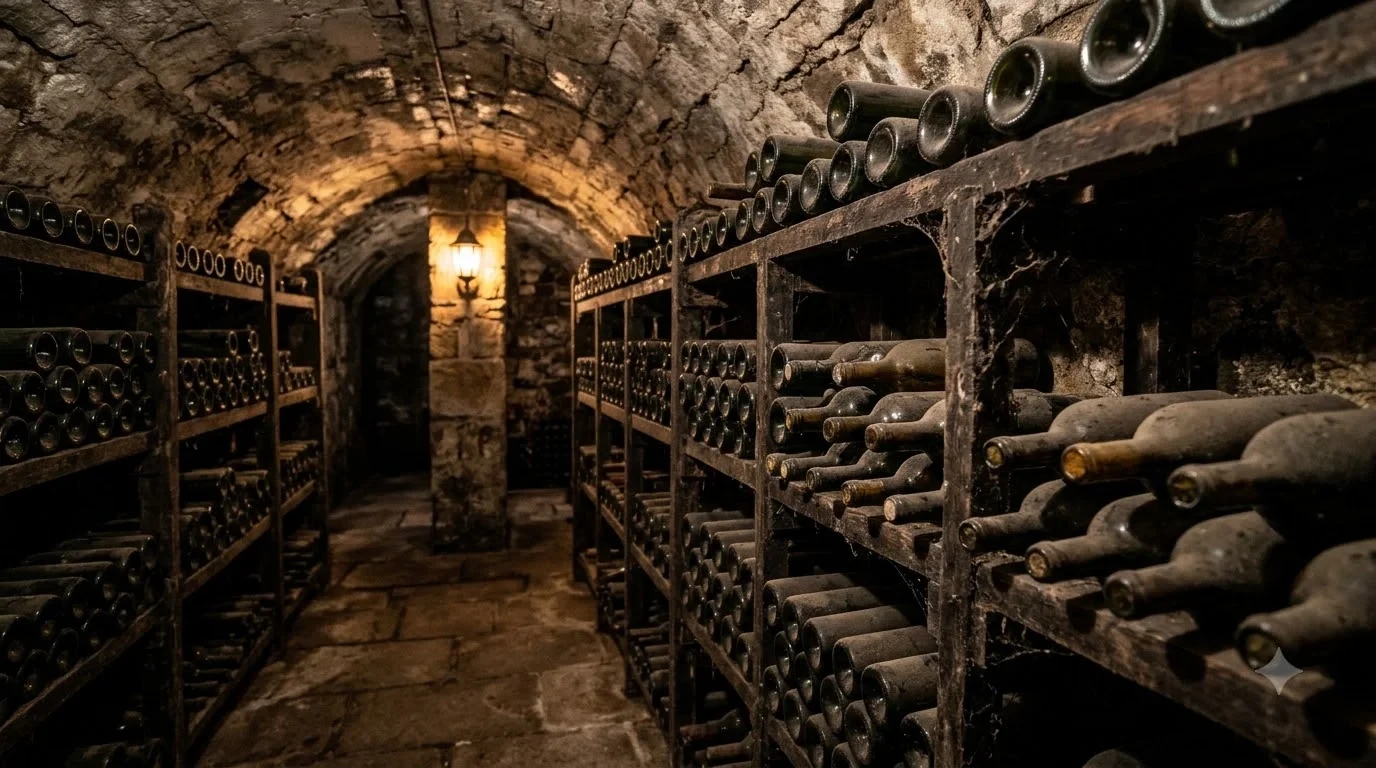
Stone Hill Winery sits at 1110 Stone Hill Highway in Hermann, Missouri. The winery’s website describes the hillside property as a National Historic District, and it notes that the site contains some of the largest underground cellars in North America. Those cellars were built into the limestone hillside and remain a central part of the visitor experience.
The winery was founded in 1847 by German immigrants who settled in the region and brought winemaking traditions with them. The Held family reopened the winery in 1965 and still runs it today. That continuity is part of the brand’s identity, since the company’s story is tied closely to one place and one family.
A winery that survived Prohibition
Stone Hill’s history is marked by a long break. Prohibition halted production, and the winery sat dormant for 45 years. In 1965, Jim and Betty Held reopened it, and the winery’s website describes it as the first Missouri winery to reopen after Prohibition. That early reopening helped the brand reclaim a place in the state’s wine industry.
The reopening also set the direction for the modern lineup. Rather than rely on imported European varieties that struggled in Missouri’s humid summers, the winery built its reputation on grapes adapted to the region. That focus shaped the wines that visitors encounter today, from dry reds to sweet dessert bottles.
The Norton grape at the center
Norton is the grape most closely associated with Stone Hill. The winery’s website says its international reputation was built on Norton, and it lists nine C.V. Riley Awards for Best Norton, earned five years in a row. It also says the winery was named Best Norton Produced in Missouri in nine of the past thirteen years.
Norton is a native American grape, and it gives the wines a fuller color and a more distinctive character than many European reds. Stone Hill’s Norton is a useful introduction for readers who want to try a grape that is rarely seen outside the Midwest. Readers who enjoy comparing styles can also look at the winery’s Chambourcin, which is another hybrid red in the lineup.
| Category | Examples listed on the website |
|---|---|
| Dry white | Steinberg White |
| Dry red | Norton, Chambourcin |
| Rosé | Steinberg Rose |
| Sparkling | Blanc de Blancs |
| Dessert and fortified | Cream Sherry, Late Harvest Vignoles |
| Sweet and fruit | Concord |
Wine styles from dry to sweet
Stone Hill organizes its wines by type and by sweetness. The website lists red, white, rosé, sparkling, and dessert categories, along with dry, semi-sweet, and sweet profiles. That structure makes it easier to choose a bottle that matches your taste, whether you want a crisp white or a dessert wine to finish a meal.
Some named wines show the range clearly. Ozark Hellbender is one of the labels mentioned in the winery’s lineup, and the list also includes Concord, a grape that many American drinkers know from juice and jelly. Stone Hill’s sweeter bottles are a good way to explore the house style without committing to a dry red.
Awards and recognition
The winery’s website states that it has won 15 Governor’s Cups for Best Wine in Missouri, seven years in a row. It also says its Cream Sherry won the Jefferson Cup four years in a row, and that the winery has been named Best Wine Produced in Missouri in eleven of the past fifteen years. The site cites a claim of more than 5,000 medals and awards, and it notes that the winery was listed among the Decanter World Wine Awards 2026 top American wines.
Awards are only one signal, and buyers should read them alongside their own taste preferences. The state competitions named on the website are regional, so they show success within Missouri, while the Decanter listing offers a wider point of comparison.
How to serve and pair Stone Hill wines
Serve dry whites lightly chilled and dry reds slightly below room temperature, then adjust to taste. Sweet and dessert wines are usually served cooler, and they pair well with fruit, cheese, and desserts. The Norton is a sturdy red that works with hearty dishes such as barbecue, roasted root vegetables, and sausages.
- Pair a dry white with grilled fish or light salads.
- Choose a Norton for barbecue or a rich stew.
- Serve a dessert wine with fruit or a mild cheese course.
Tip: If you visit the winery, ask the staff to pour a dry and a sweet bottle side by side. The contrast makes the house range easier to understand.
Who Stone Hill suits
Stone Hill suits drinkers who enjoy American and hybrid grapes and want to taste a Midwestern producer with a long history. It is a natural choice for anyone curious about Norton, and for visitors who want to combine a winery stop with the historic setting. Drinkers who prefer the big, oak-driven Cabernet styles common in California may find the house profile different, and that difference is part of the appeal for many buyers. A California red such as Austin Hope red wine makes a useful contrast for that comparison.
Visiting the winery and its cellars
For many visitors, the underground cellars are the highlight. The winery’s website describes the hillside property as a National Historic District and notes that its cellars rank among the largest of their kind in North America. Walking through a historic cellar is a useful way to understand how the wines were stored in the era before modern refrigeration, and it gives a sense of why the winery’s history feels so connected to its place.
When you plan a visit, check the winery’s current hours and tour details on its website, since schedules can change with the season. Tasting a dry and a sweet wine side by side is the easiest way to see the range, and staff can often suggest a bottle that fits the food you plan to serve at home.
Stone Hill also makes a useful reference point for buyers who want to understand American hybrid and native grapes. Tasting a Norton next to a more familiar European red can show how different the grape is in structure, color, and aroma, and that comparison is often more memorable than reading a description.
Frequently Asked Questions
Where is Stone Hill Winery located?
The winery is at 1110 Stone Hill Highway in Hermann, Missouri. Its website describes the hillside property as a National Historic District.
What is Stone Hill known for?
The winery is best known for its Norton grape, which the website credits with building its international reputation.
When did Stone Hill reopen after Prohibition?
Jim and Betty Held reopened the winery in 1965, after production had stopped for about 45 years. The website describes it as the first Missouri winery to reopen after Prohibition.
Are Stone Hill wines dry or sweet?
Both. The lineup includes dry, semi-sweet, and sweet styles, plus dessert and sparkling wines, so you can choose by taste.
Stone Hill is a rewarding winery to explore if you want a long family story and a range of grapes that rarely appear on mainstream shelves. For the winery’s own account of its history and wines, visit the Stone Hill Winery website. The wine brands guide is a useful next step for comparing producers.
More in Wine Brands
 Underwood Wine Price: Compare Bottles, Cans, and Pack SizesUpdated Nov 21, 2026
 Zenato Wine Price: Compare Styles and Choose the Right BottleUpdated Nov 21, 2026
 Zuccardi Wine Price: Compare Bottles and Find the Right RangeUpdated Nov 21, 2026
 Yellow Tail Moscato Review: Taste, Sweetness and Serving TipsUpdated Nov 21, 2026
 Wolf Blass Yellow Label Review: Choose Your Best StyleUpdated Nov 21, 2026
 Wolffer Estate Rose Review: Choose the Right Bottle for Your TableUpdated Nov 21, 2026