

We may earn a commission when you buy through links on this page, at no extra cost to you. Learn more.
A mulled white wine recipe is a warm, spiced drink made by gently heating a dry or lightly sweet white wine with citrus peel, cinnamon, cloves and star anise, then serving it hot. Most people think of mulled wine as a red drink, but white wine works well when you choose aromatic bottles and keep the heat gentle. The spices do most of the talking.
Mulled white wine suits cold evenings, holiday gatherings and any time you want a drink that fills the kitchen with the smell of orange and cinnamon. It is less common than the red version, so many guests will not expect it. This guide covers the background of the drink, the spices and citrus that work best, how to choose the wine, a simple method and ways to serve it.
Where mulled wine comes from
Spiced, heated wine is much older than most modern recipes. Wine Folly’s mulled wine guide traces the tradition back to Northern European customs and notes that the drink is described in ancient writing. In Victorian England, spicing wine was also a way to mask the flavor of poorly stored wines, which helps explain why strong spices became part of the recipe.
Today the drink appears under several names. Glühwein in Germany, vin chaud in France and glögg in Scandinavia all belong to the same family. Some of these versions use white wine, while others lean on red, sweet fortified wines or added spirits. Knowing the family helps you adjust the recipe to the wine you have on hand.

Choosing the right white wine
A white wine for mulling should be dry or only lightly sweet, with enough acidity to hold up against the spices. Heavily oaked chardonnay can taste flat once heated, while very sweet dessert wines can become cloying. Simple, crisp whites with some aromatic character usually give the best results.
Wine Folly points to aromatic whites such as Riesling, Muscat and Chenin Blanc as good choices for mulled styles. Their fruit and floral notes stay visible under the spice, and their acidity keeps the drink fresh. A dry Riesling is a reliable pick, and a dry Muscat adds a perfumed quality that suits orange peel. If you prefer a softer drink, look for a fruit-forward white with low tannin, since tannins can taste bitter when heated.
Spices, citrus and sweetening
The spice blend is where the drink gets its character. Common choices include cinnamon, cloves, star anise, cardamom, ginger and nutmeg, with orange or lemon peel for brightness. Wine Folly lists orange, cinnamon and star anise as frequent core flavors, with cloves, cardamom and ginger in other versions. Use a light hand at first, because the spices concentrate as the liquid warms and can overpower the wine.
Citrus adds a sharp lift that balances the sweetness. Orange peel gives a round, floral aroma, while a few slices of lemon brighten the finish. Add sugar or honey gradually and taste as you go. A white wine that is already fruity may need only a spoonful, while a drier bottle might want a little more.
Vin chaud, the French version, is often finished with lemon and a spirit such as eau-de-vie, according to Wine Folly. That is a useful idea for a stronger version, but the classic mulled white wine works without extra spirit. If you add one, put it in at the end so the aroma stays clear.
| Component | Good options | What it adds |
|---|---|---|
| Base wine | Dry Riesling, Muscat, Chenin Blanc | Fruit and floral structure |
| Citrus | Orange peel, a few lemon slices | Brightness and a round aroma |
| Warm spices | Cinnamon, cloves, star anise | Classic mulled character |
| Optional spices | Cardamom, ginger, nutmeg | Depth and a gentle heat |
| Sweetener | Sugar or honey, added to taste | Balances the acidity |
How to make mulled white wine at home
The method is simple, but heat control makes the biggest difference. Boiling the wine drives off alcohol and can make the spices taste bitter. Keep the pot below a simmer and let the flavors infuse over time instead of rushing it.
- Pour the white wine into a heavy saucepan or slow cooker. Add a splash of water only if the wine tastes very strong.
- Add orange peel, a few lemon slices, cinnamon, cloves and star anise. Use whole spices so the drink stays clear.
- Warm the pot over low heat until steam rises and the wine is hot to the touch, but not bubbling.
- Add sweetener a little at a time, stirring until it dissolves. Taste before adding more.
- Keep the mixture on low until the spices have infused, tasting every so often. Stop once the flavor is strong enough for your taste.
- Strain out the spices and citrus before serving, or leave a few slices for color and aroma.
Tip: If you use a slow cooker, set it to low and add the spices in a cheesecloth bag. Remove the bag after an hour or two so the drink does not turn bitter.
Serving and storing mulled white wine
Serve mulled white wine in heatproof glasses or mugs, with a strip of orange peel or a cinnamon stick for garnish. It should be hot or warm, not scalding, so guests can sip it right away. Wine Folly describes mulled wine as spiced and served hot, and white versions follow the same rule.
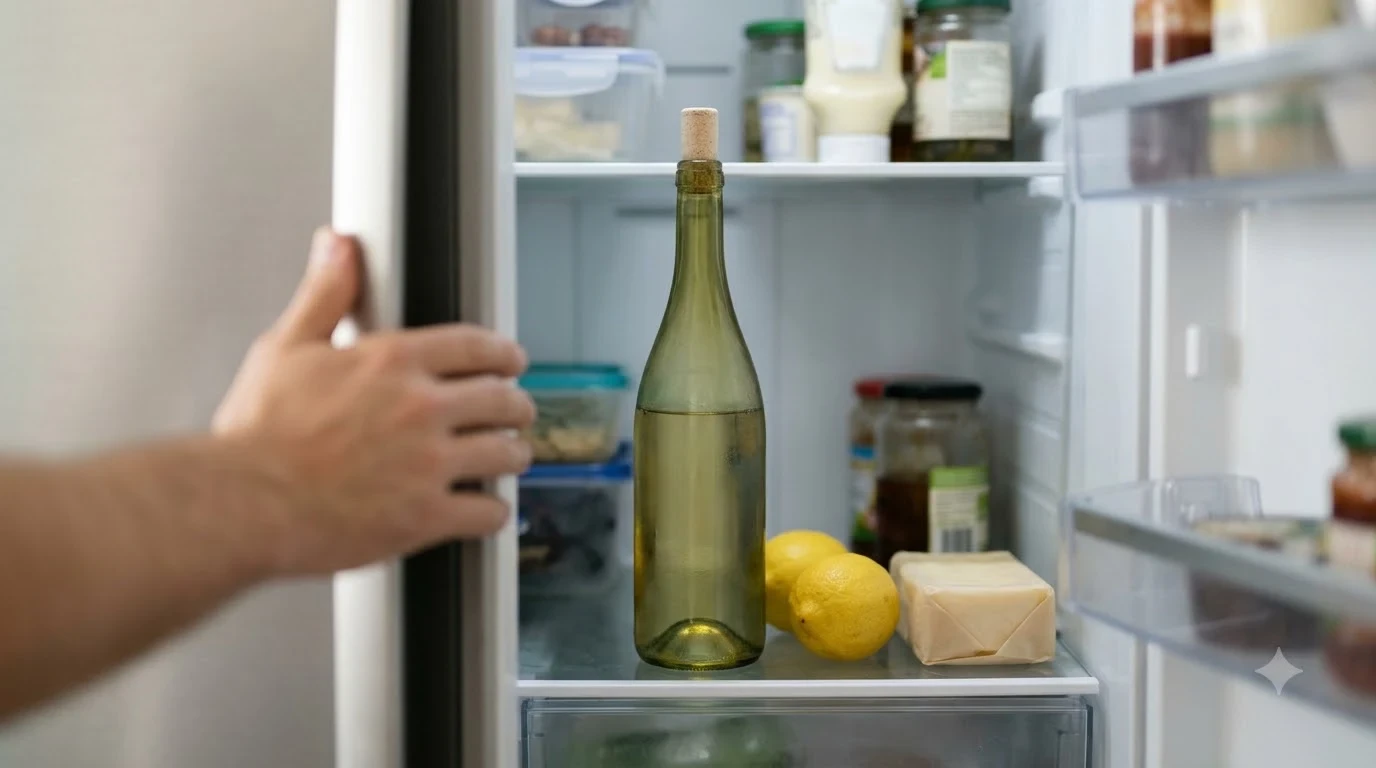
Leftovers keep well in the fridge for a day or two. Reheat gently on the stove rather than in the microwave, because uneven heat can make the drink taste flat. Skim off any cloves or citrus pieces before reheating if you prefer a cleaner cup.
Common mistakes with mulled white wine
The most frequent problem is overheating. A pot that reaches a hard boil makes the wine taste harsh, and the spices can turn bitter as they cook for too long. Keep the heat low, check the temperature by sight and smell, and turn the burner down if you see large bubbles rising. A gentle infusion gives a rounder, more balanced cup.
Another mistake is using too many spices at once. Cloves in particular can dominate a white wine quickly, so start with just a few whole cloves and a single star anise. Taste after the spices have had some time to infuse and add more only if the drink needs it. Ground spices are harder to remove later, which is why whole spices are the safer choice for a clear, golden drink.
Sugar is the third trap. A dry white wine can take a spoonful of honey or sugar, but a wine that is already sweet can become cloying once heated. Add sweetener gradually, and remember that the drink will taste a little sweeter once it cools slightly in the cup.
Frequently Asked Questions
Can you use any white wine for mulled white wine?
You can, but dry or lightly sweet whites with good acidity work best. Very oaky or very sweet wines can taste unbalanced once heated, so a simple aromatic white is usually the safest choice.
Does mulled white wine taste different from mulled red wine?
Yes. White wine has a lighter, fruitier base and less tannin, so the spices feel brighter and the drink tastes more floral. Red versions are richer and deeper, which is why many people reach for them in winter.
Can you make mulled white wine ahead of a party?
Yes. Make it up to a day ahead, keep it covered in the fridge, and warm it gently before serving. Add a fresh strip of orange peel when you reheat to restore the aroma.
Should mulled white wine be boiled?
No. Keep it below a simmer. Boiling can make the drink taste harsh and drives off some of the alcohol, which changes the balance. Gentle heat lets the spices infuse without turning bitter.
Mulled white wine is an easy way to bring a fresh, aromatic twist to the usual winter drinks. Choose a dry aromatic white, keep the heat low and let the citrus and spices do the work. For a similar warm drink built on red wine, read the guide to mulled wine spices recipe, and for lighter sparkling options that suit warm weather, browse the sparkling sangria recipe.
More in Food & Wine Pairing
 Risotto With White Wine Recipe: Make a Creamy Dinner at HomeUpdated Nov 20, 2026
 Wassail With Wine Recipe for a Festive Spiced Holiday DrinkUpdated Nov 20, 2026
 Spritz Veneziano Recipe: Make a Classic Venetian Aperitivo at HomeUpdated Nov 20, 2026
 Summer Wine Punch Recipe for Easy Homemade EntertainingUpdated Nov 20, 2026
 Bishop Recipe: How to Make a Bright, Citrus-Forward Red Wine CocktailUpdated Nov 20, 2026
 Wine Cupcakes Recipe: Bake Rich Chocolate Cupcakes at HomeUpdated Nov 20, 2026