

We may earn a commission when you buy through links on this page, at no extra cost to you. Learn more.
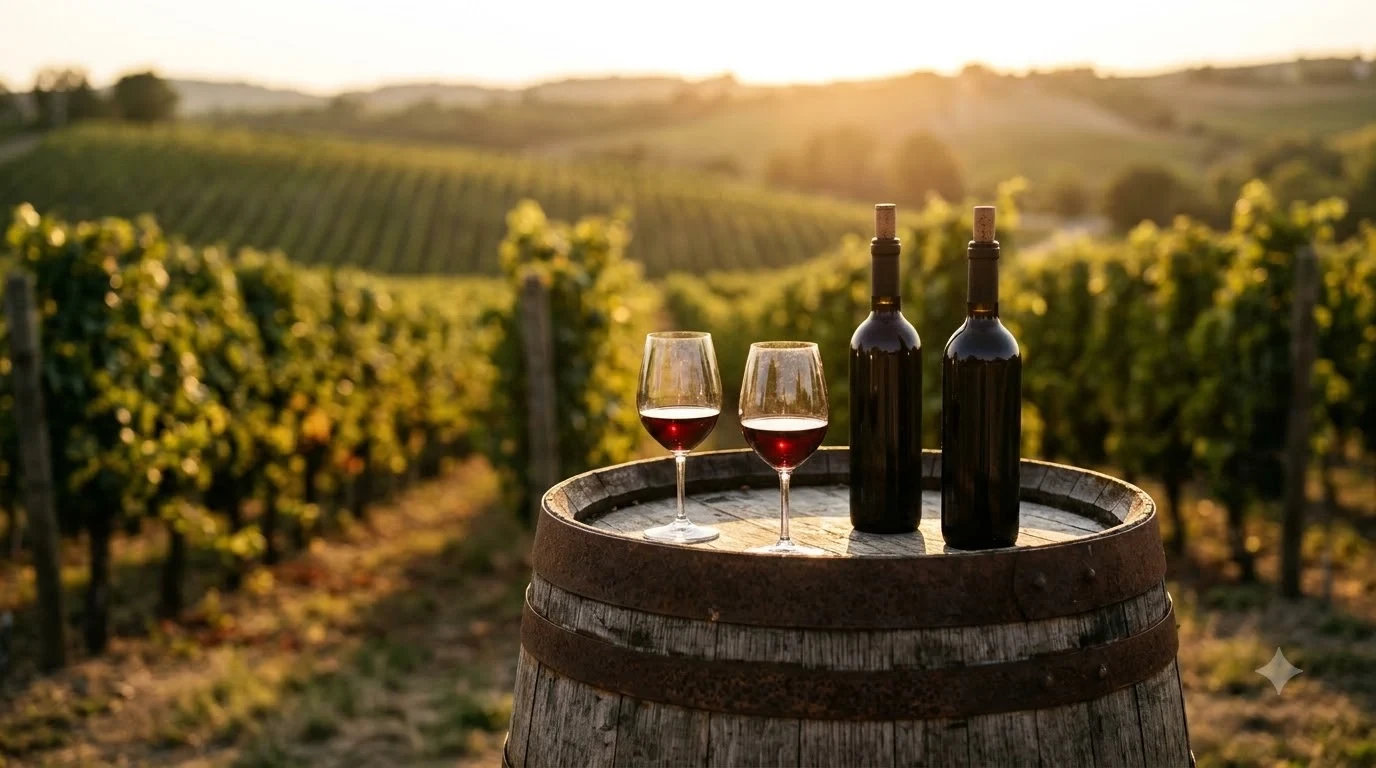
Baja California vineyards are concentrated in the Valle de Guadalupe, a Mediterranean-climate valley about 20 km north of Ensenada that produces an estimated 70 percent of Mexico’s wine. The valley holds more than 100 wineries and grows vinifera varieties such as Malbec, Sauvignon Blanc, and Tempranillo. Its cool, rainy winters and warm, dry summers give the region a style that differs from California’s better-known valleys.
This guide explains where the vineyards sit, how the climate shapes the grapes, which varieties are most common, and how to plan a visit. It also covers the region’s harvest festivals, which are a good reason to travel in late summer or autumn.
Where the vineyards are
The Valle de Guadalupe lies in the Ensenada Municipality of Baja California, Mexico, roughly 20 kilometers north of the city of Ensenada. It is an agricultural region as well as a wine destination, and the valley covers an area of approximately 66,353 hectares. Vineyards sit among other crops, and many wineries are small, family-run estates set along winding rural roads. The Wikipedia article on the Valle de Guadalupe gives an overview of the valley’s size and wine output.
The valley is the major wine-producing area in Mexico. Its narrow, more humid central zone sits between mountain ranges, and the nearby Valle de Ojos Negros also grows grapes and citrus. For visitors, that means the vineyard landscape is compact enough to explore over a few days without long transfers between stops.
The climate behind the wines
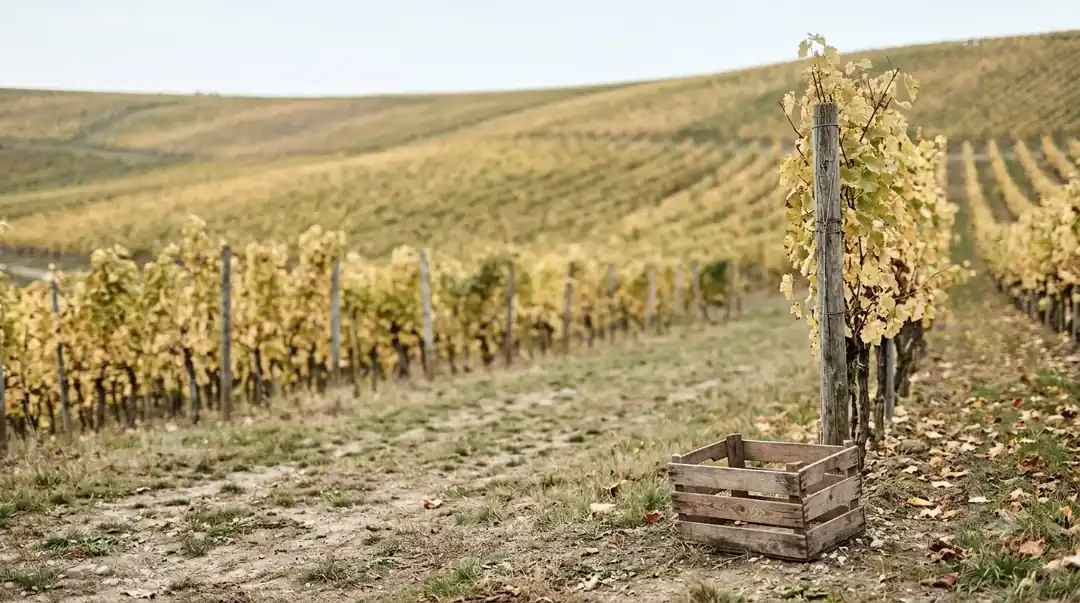
The valley has a Mediterranean climate, with cool, rainy winters and dry, warm summers. Average temperatures are around 5 °C (41 °F) in winter and 30 °C (86 °F) in summer, a range that gives growers a long growing season with clear differences between seasons.
That combination suits many vinifera varieties. Growers can produce structured reds and fresh whites in the same valley, and the wide day-to-night temperature shift can help preserve aroma. The result is a regional style that is often fruit-forward with good acidity, though individual wineries vary widely in their approach.
| Feature | What it means for the wine |
|---|---|
| Mediterranean climate | Cool, rainy winters and dry, warm summers |
| Valley location | Central zone between mountain ranges, cooled by coastal influence |
| Vinifera focus | The highest-value crop, grown across many estates |
| Wine share | An estimated 70 percent of Mexican wine comes from the valley |
The main grape varieties
Vinifera varieties are the highest-value crop in the valley. Malbec, Sauvignon Blanc, and Tempranillo are among the grapes grown here, and red Bordeaux varietals are considered the most typical of the region. That mix gives visitors a useful range to compare, from bold reds to crisp whites.
When you visit a winery, ask which varieties come from which block and whether the wine is a blend or single-variety bottling. Blends are common in the valley, and they often show how a producer balances the Bordeaux-style reds with fruit from warmer sites.
Harvest festivals and when to visit
The region’s best-known event is the Fiestas de la Vendimia, the Wine Harvest Festival. The Association of Winemakers of Baja California has run it since the 1990s, and it is held each August in the valley and in Ensenada. A second festival has been held each October since 2017, which gives visitors a second chance to see the region in a different season.
Timing a visit around a festival can be rewarding, but it also means larger crowds and busier tasting rooms. If you prefer quieter visits, consider early autumn or spring, when the valley is calmer and many producers have more time to talk with guests.
How to plan a vineyard visit
The valley is easiest to explore by car or with a tour operator. Distances between wineries can look short on a map but take time on rural roads, so limit each day to a few stops. Many estates offer tastings with food, and some combine wine with dining, which can turn a visit into a relaxed afternoon.
- Choose two or three wineries with different styles, such as a large estate and a small family producer.
- Book tastings in advance where possible, especially on weekends and during festival periods.
- Arrange a designated driver or a tour, since every stop involves tasting.
- Carry water, wear sun protection, and pace the tastings with food.
- Plan a longer stay if you want to visit several wineries, since the drive back to Ensenada or the border can take time.
Some visitors base themselves in Ensenada, which offers accommodation and dining close to the valley. Others stay within the wine area for a more immersive experience. Either choice works, but a base near the wineries saves driving time between tastings.
Understanding the valley’s wines
Because the valley’s wineries vary in size and approach, it helps to know what to look for. Larger estates often offer a broad range of wines, while smaller producers may focus on a few bottlings that reflect a specific site. Both can be rewarding, and the best way to understand the valley is to taste across several styles.
Look for labels that name the grape and the vintage, and ask staff how the wine was aged. Oak treatment, blending, and fruit ripeness all affect the final style. A tasting flight is a useful way to compare a few wines side by side, particularly when you are learning how the valley’s climate shows up in the glass.
For a broader comparison with other regions, the baja california wine country guide covers the wider area, and the baja california wine article explores the style of the region’s wines in more depth. The columbia gorge vineyards guide offers a useful contrast with a Pacific Northwest growing area.
Food, lodging, and getting around
Dining is closely tied to the wine experience in the valley. Many estates serve lunch or a set tasting menu, and the regional emphasis on fresh produce pairs well with the local wines. Booking a table in advance is sensible on weekends and during festival periods, when restaurants fill quickly. Ask the winery which dishes it recommends, since kitchens often design menus around the estate’s own bottlings.
Lodging ranges from small inns and guesthouses inside the valley to larger hotels in Ensenada. A stay in the valley saves driving time between tastings, while a stay in Ensenada gives more choice of restaurants and shops in the evening. Check the seasonal calendar before booking, because rooms can be scarce during harvest events.
Getting around requires some planning. Many visitors hire a driver for the day, which lets everyone taste without worrying about the return trip. If you drive yourself, keep to a strict route, allow time for slow rural roads, and avoid a long list of stops. Carry cash for small purchases, and confirm opening hours, since some smaller wineries keep informal schedules.
Frequently Asked Questions
Where are the main Baja California vineyards?
Most of the region’s vineyards sit in the Valle de Guadalupe, about 20 kilometers north of Ensenada. The valley is the main wine-producing area in Mexico.
What grapes are grown in Baja California?
Common varieties include Malbec, Sauvignon Blanc, and Tempranillo. Red Bordeaux varietals are considered the most typical of the valley, so expect a range of reds and crisp whites.
When is the best time to visit the vineyards?
The Fiestas de la Vendimia takes place each August, and a second festival has been held each October since 2017. Early autumn and spring tend to be quieter if you prefer a calmer visit.
How many wineries are in the valley?
Descriptions of the valley commonly cite more than 100 wineries. The number changes as new estates open, so check current listings before you plan a route.
Baja California vineyards reward visitors who explore slowly. Start in the Valle de Guadalupe, taste across several wineries, and plan around the harvest festivals if you can. For a broader look at Mexico’s wine scene, the Wine Regions section is a useful next step.
More in Wine Regions
 Willcox Wine Trail: Discover Arizona’s High-Elevation Wine CountryUpdated Nov 20, 2026
 Yakima Valley Wine Region: Find the Best Styles to TryUpdated Nov 20, 2026
 Vosne Romanee Wine Tasting: Identify Aromas and Choose Better PairingsUpdated Nov 20, 2026
 Yakima Valley Wine Festival: Find the Best Seasonal Wine EventsUpdated Nov 20, 2026
 Wales Vineyards: Discover Cool-Climate Wines and Where to VisitUpdated Nov 20, 2026
 Yountville Wine Festival: Discover Napa Wines and Local FoodUpdated Nov 20, 2026