

We may earn a commission when you buy through links on this page, at no extra cost to you. Learn more.
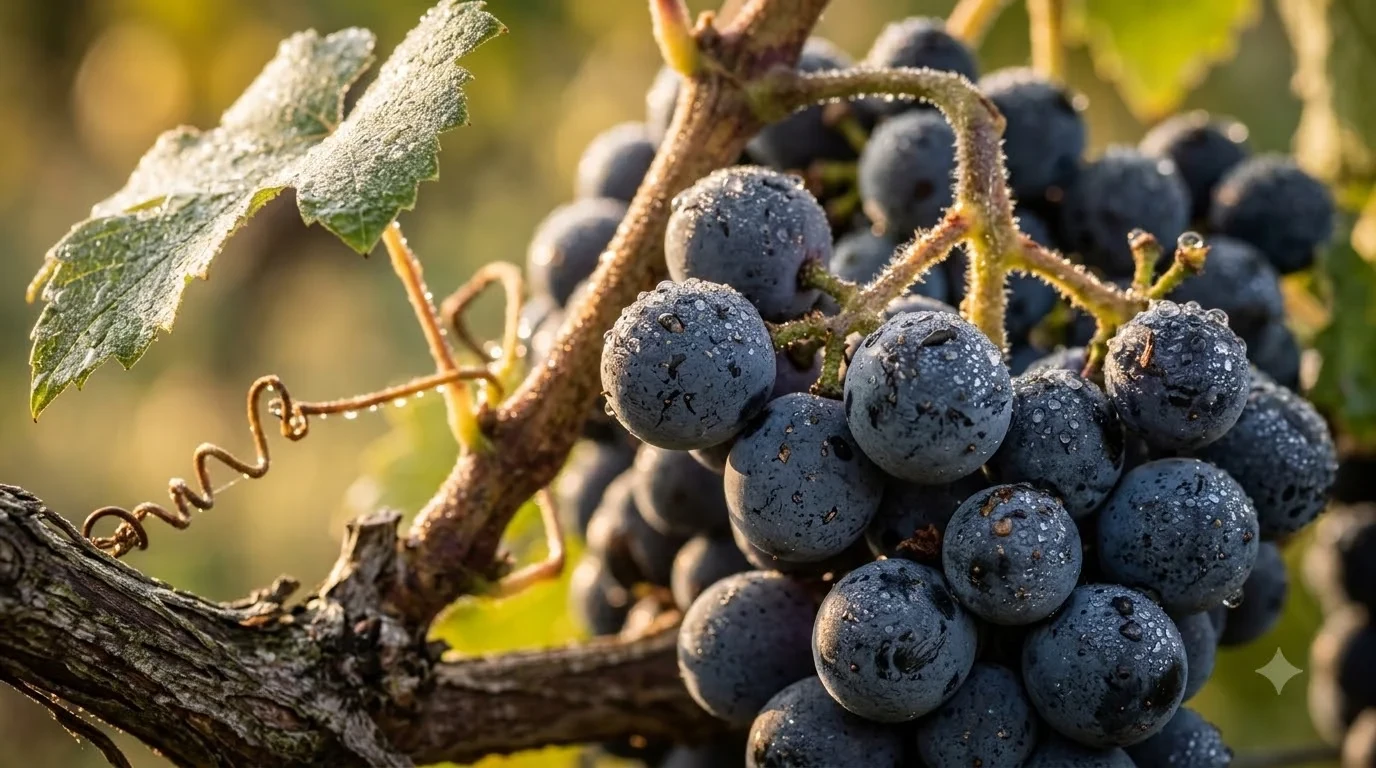
The arneis grape is a white variety native to Piemonte in northwestern Italy, where it grows mainly in the Roero hills and makes a dry, medium-bodied white with peach, almond and honey notes. It is often called “White Barolo” because it comes from the same part of Italy as the region’s famous red. Arneis usually lands between 11.5% and 13.5% ABV and is best served chilled, not cold.
This guide covers where Arneis comes from, how the grape tastes, how it is made and served, and which foods suit it. It is written for readers who want to understand the grape itself rather than a single bottle.
Where Arneis Comes From
Arneis is native to Piemonte, and its heart is the Roero hills, the area where most of the grape’s plantings are found. Piemonte is better known for red wines such as Barolo and Barbaresco, which makes Arneis stand out as one of the region’s most important white grapes. The nickname “White Barolo” points to the shared geography rather than any similarity in the wines themselves.
The grape nearly disappeared during the 1960s and 1970s, when growers turned to other varieties. Its revival is often credited to producers such as Alfredo Currado of Vietti and Bruno Giacosa, who helped restore the grape’s reputation. Today it is mostly made as a single-variety wine, although it was once blended with Nebbiolo.
How Much Arneis Is Planted
Italy has about 2,718 acres (1,108 hectares) of Arneis under vine, and most of it lies in Piemonte. The Roero DOCG has more Arneis plantings than any other area in the world, which makes it the natural place to look for the grape’s most typical expression.
Because the vineyards are concentrated in one part of Italy, the grape is less common outside the country. Shoppers who want to try it may find it on wine lists in Italian restaurants or in specialist shops, and the bottle’s region on the label is the best clue to what style to expect.
Flavor and Texture
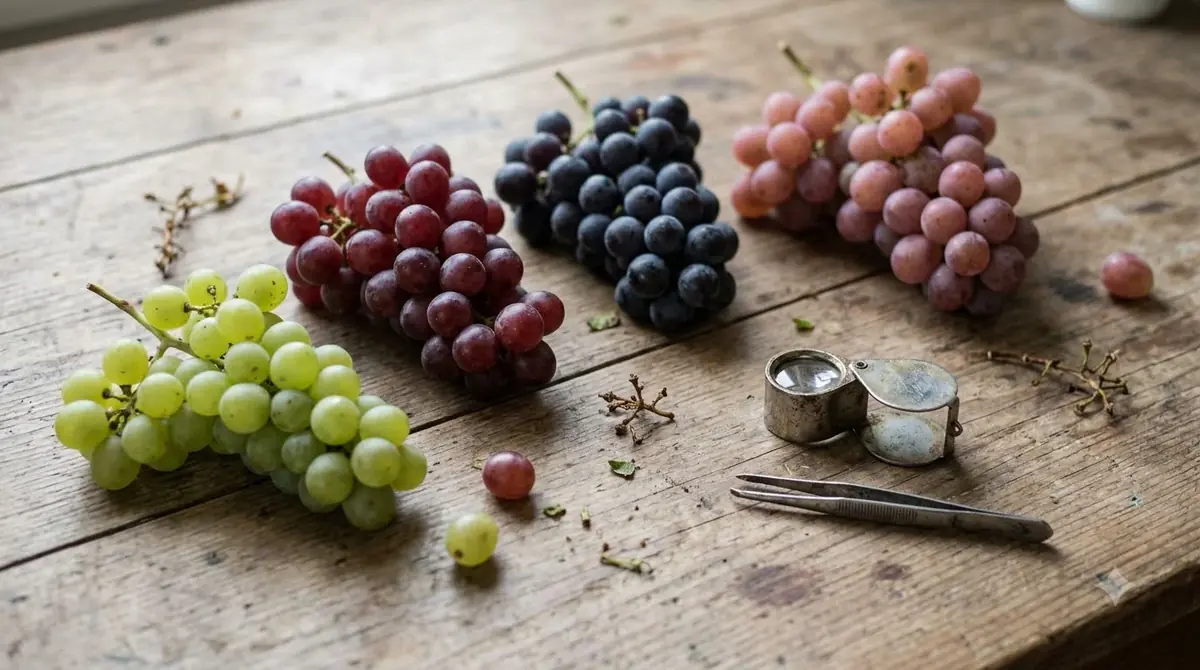
Arneis is traditionally dry and typically medium-bodied, with a rounded, slightly waxy texture and moderate acidity. The palate often shows peach, yellow apple, honey, raw almond and a hint of nutmeg. On the nose, the grape can show pear, apricot, white flowers, chamomile and almond, which gives it a gentle, floral character rather than a sharp citrus one.
The mineral note that many tasters associate with Roero Arneis is linked to the area’s sandy soils. That note adds structure to the wine’s soft fruit and keeps it from feeling heavy, even though the body is fuller than many light whites.
| Characteristic | Typical Arneis |
|---|---|
| Style | Dry, traditionally |
| Body | Medium, with a rounded, waxy texture |
| Acidity | Moderate |
| Alcohol | 11.5% to 13.5% ABV |
| Main fruit notes | Peach, yellow apple, pear and apricot |
| Other notes | Honey, almond, nutmeg, white flowers and chamomile |
How to Serve Arneis
Serve Arneis at about 45 to 55 °F (7 to 12 °C) in a white wine glass. That range keeps the fruit lively without muting the texture, and the wine does not need decanting. Most bottles are meant to be enjoyed within about three years of release, so it is better to buy a recent vintage than to store one for a long time.
Arneis is a practical wine for everyday meals. Its body suits a light dinner, and its moderate acidity makes it easy to pour alongside a range of dishes, from seafood to roasted poultry.
Food Pairings for Arneis
Arneis works well with dishes that have some richness and a touch of herb or citrus. Seared scallops with citrus butter and toasted almonds are a classic match, because the wine’s almond notes echo the nuts and its acidity cuts through the butter. Roasted chicken with a pear and thyme stuffing also pairs well, since the fruit in the stuffing complements the wine’s pear and apricot character.
A frittata or other egg-based dish suits the wine’s softer texture, and simple vegetable dishes with fresh herbs keep the focus on the grape’s floral side. Avoid heavy, very spicy dishes, which can overpower the delicate fruit.
How to Choose an Arneis
When you choose a bottle, check the label for the region. A Roero Arneis will generally show the mineral character linked to sandy soils, while wines from other parts of Piemonte can show a different balance of fruit and texture. Tasting notes on the producer’s site are also useful, because they often describe the wine’s balance of body and acidity.
Look for a recent vintage, since the grape is meant for early drinking. If you are new to the variety, a single-variety bottle is the clearest way to learn its style before you explore blends or older vintages.
Arneis Compared With Other White Grapes
Arneis sits between lighter Italian whites and fuller, more textured styles. Compared with a crisp, high-acid white, it feels rounder in the mouth and shows more honey and nut character. Compared with a richly oaked Chardonnay, it is usually lighter in body and relies on fruit and texture rather than toasty flavors.
That middle position makes Arneis useful for a table where guests want something different from the usual choices. It can bridge the gap between a fresh, lean white and a heavier one, and its gentle floral notes suit people who find very sharp whites too austere.
When comparing Arneis with other grapes, look at four things: body, acidity, fruit and finish. Arneis tends to score as medium on body, moderate on acidity, and fruit-led with a soft, nutty finish. Those markers help you decide whether it will suit a dish or a party.
Buying and Storing Arneis
Because Arneis is meant for early drinking, buy bottles from a recent vintage and drink them within a few years. Keep the bottle in a cool, dark place until you are ready to serve it, and chill it before pouring. Once opened, a wine with moderate acidity usually keeps for a short time in the refrigerator, but the fruit and texture tend to fade over several days.
Wine shops and restaurant lists often group Arneis with other Italian whites. If the label shows the Roero name, it is a good sign that the wine comes from the grape’s home area, though the producer’s style still matters.
Frequently Asked Questions
Why is Arneis called White Barolo?
The nickname reflects the grape’s origin in Piemonte, the same Italian region as Barolo. The two wines are very different in style, so the name refers to geography rather than taste.
Is Arneis a sweet or dry wine?
Arneis is traditionally made dry. It has fruit notes such as peach and pear, which can make it seem softer than a dry wine with high acidity, but it is not sweet.
What temperature should Arneis be served at?
A good range is about 45 to 55 °F (7 to 12 °C). Serving it in a white wine glass helps show its aromas, and decanting is not needed.
How long can you keep Arneis?
Arneis is generally meant to be drunk within about three years of purchase. It is best enjoyed fresh, so a recent vintage usually shows the grape at its best.
Arneis is a good example of how an old Italian grape can return to prominence after a difficult period. If you like its texture and balance, the cortese grape is another Italian white to compare, and the chablis grape offers a crisp contrast for dry white lovers. For more on how white varieties are grouped, the Wine by Type guide is a useful next step. For a detailed profile of the grape, see the Arneis grape guide on Wine Folly.
More in Wine Types & Grapes
 Zinfandel Sugar Content: Dry Red vs. White Zinfandel GramsUpdated Nov 21, 2026
 Best Zinfandel Substitute Options for Sipping and CookingUpdated Nov 21, 2026
 Zweigelt Food Pairing: Best Dishes, Cheeses, and Serving TipsUpdated Nov 21, 2026
 Zinfandel Tannins Explained: How Structure Shapes Every BottleUpdated Nov 21, 2026
 Zinfandel Sweetness Level: Dry Red vs. Sweet White Zin ExplainedUpdated Nov 21, 2026
 Xinomavro Food Pairing: Best Dishes, Styles, and Serving TipsUpdated Nov 21, 2026