

We may earn a commission when you buy through links on this page, at no extra cost to you. Learn more.
A champagne margarita recipe starts with a standard margarita: shake tequila, orange liqueur and fresh lime with ice, strain it into a chilled glass, then top it with cold champagne. The sparkling wine lifts the drink and makes it lighter without changing its structure. A dry champagne keeps the finish crisp, and the salt rim is optional.
The champagne margarita is a simple way to turn a familiar cocktail into something suited to brunch, celebrations or a long summer evening. It keeps the sharp lime and agave character of a margarita, then adds the bright bubbles and fine acidity of champagne. This guide walks through the ingredients and proportions, the method, how to choose the bottle, and which glass and garnish suit the drink.
What makes a champagne margarita different
A margarita is built on tequila, an orange liqueur and lime juice. Those three ingredients give the drink its structure, and they are the part to keep right. The champagne is added at the end, so it should not be shaken or stirred into the base. Pour it gently on top, and the bubbles stay lively for the full glass.
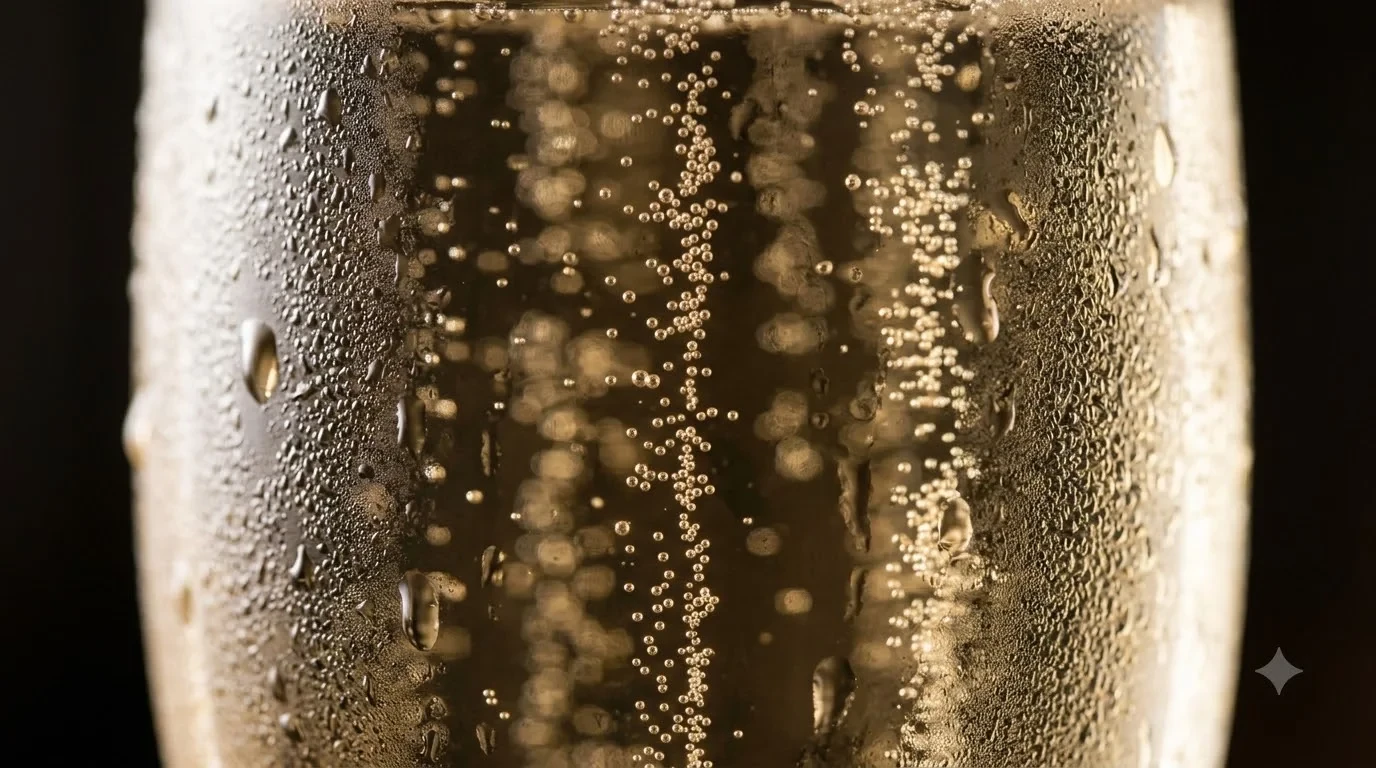
The result is drier and more refreshing than a standard margarita with a sweet mixer. Because champagne has high acidity and very little sugar in dry styles, the drink finishes clean rather than syrupy. That is the main reason many people choose a brut or extra brut bottle for this recipe.
Ingredients and proportions
According to the Wikipedia entry on the margarita, the standard base is about 50 ml of 100 percent agave tequila, about 20 ml of triple sec, and about 15 ml of freshly squeezed lime juice. The International Bartenders Association uses a ratio close to 10 parts tequila, 4 parts triple sec and 3 parts lime. Those proportions are a reliable starting point, and the champagne is added separately.
| Ingredient | Amount for one drink | Role in the drink |
|---|---|---|
| Blanco or reposado tequila (100% agave) | About 50 ml | Backbone and agave flavor |
| Triple sec or other orange liqueur | About 20 ml | Sweetness and citrus peel notes |
| Fresh lime juice | About 15 ml | Acidity and freshness |
| Dry champagne, chilled | Fill the glass to taste | Bubbles, lift and a dry finish |
| Optional simple syrup | A small splash, only if needed | Extra sweetness for tart limes |
Taste the base before adding the champagne. If your limes are very tart, a little simple syrup can help. If the orange liqueur is strong, you may want to pull back slightly. The champagne will soften the drink a little, so it is better to adjust the base first.
How to make it step by step
The method is quick, but the order matters because the bubbles need to stay intact. Work in the following sequence for a consistent result.
- Chill your glass. A margarita glass, coupe or small wine glass all work, and a few minutes in the freezer helps the drink stay cold.
- Rub a lime wedge around the rim and dip it in salt if you want a salted edge. Skip the salt for a cleaner taste.
- Add the tequila, orange liqueur, lime juice and any simple syrup to a shaker filled with ice.
- Shake hard for several seconds until the outside of the shaker feels very cold.
- Strain the mixture into the chilled glass, filled with fresh ice if you like it on the rocks.
- Top slowly with chilled champagne. Pour along the side of the glass to keep the bubbles lively.
- Garnish with a lime wheel or a twist of lime peel, and serve right away.
Tip: Keep the champagne in the fridge until the moment you pour. Warm sparkling wine loses its fizz quickly, and a cold top gives you a crisper finish.
Choosing the champagne
Not all champagne suits a cocktail equally. Wine Folly’s Champagne guide describes the region’s wines as dry, light-bodied and high in acidity, typically around 10 to 11.5 percent alcohol, and made from a blend of Chardonnay, Pinot Noir and Pinot Meunier. That profile is well suited to a margarita because the acidity keeps up with the lime.
For this recipe, a dry or extra brut style is usually the best fit. Sweeter bottles can make the drink taste heavy, especially when you already include triple sec. If you are buying a bottle only for cocktails, choose one that is clearly labeled dry, and keep the wine chilled until you open it.
Glassware, rim and garnish
A margarita glass gives the drink its classic look, but a coupe or a tall flute works too. Wider glasses show the bubbles and smell of the lime more clearly, while narrow glasses keep the fizz for longer. Whichever you choose, chill it first so the drink does not warm up before the first sip.
The salt rim is a matter of taste. A light salt edge adds contrast to the lime, but it can overwhelm a drink that already has champagne bubbles. Many people leave it off, or use a half rim so the salt is a choice rather than a requirement. The garnish should stay simple: a lime wheel, a twist of peel or a few fresh berries if you want color.
Variations and food to serve with it
A reposado tequila adds a little oak and vanilla, which suits a champagne margarita served in cooler months. A blanco keeps the drink brighter and more herbal. Swapping triple sec for a stronger orange liqueur can give the drink more depth, but taste as you go.
Tequila is the part of the recipe that changes the drink most. A blanco tequila lets the lime and the champagne lead, while a reposado makes the glass feel richer and warmer. Avoid mixto tequilas for this drink, since they are made with less than 100 percent agave and tend to taste thinner once they are shaken with citrus. A 100 percent agave bottle gives a cleaner result, and the difference shows most when the champagne is the only other ingredient.
Fruit can also be added without losing the character of the drink. A few muddled raspberries or a slice of grapefruit in the shaker work well with dry champagne. Keep the additions light, because the bubbles are easily overwhelmed by sugary juice or heavy purees.
The drink also pairs well with salty or fried food. Wine Folly’s champagne guide notes that salty, fried and fishy dishes pair especially well with champagne, and that applies here too. Chips with a tangy dip, grilled shrimp, or a platter of cured meats and olives all match the bright acidity. For more ideas, the Wine Recipes & Cocktails section groups drinks and dishes that work together.
Common mistakes to avoid
The most common mistake is adding the champagne before shaking. Once the bubbles are in the shaker, the drink loses its lift, and the result tastes flat. Another frequent problem is using a warm bottle. A champagne that is not cold will fizz hard when poured and then go flat quickly, so keep the bottle in the fridge until serving.
Too much triple sec is the other trap. A heavy pour of orange liqueur can drown the lime and make the drink syrupy, especially with a sweeter champagne. If you are unsure, start with the proportions in the table and adjust in small steps after tasting. A drink that tastes balanced before the champagne goes in will still taste balanced after it.
Frequently Asked Questions
Can you make a champagne margarita without a shaker?
Yes. Stir the tequila, orange liqueur and lime juice in a glass with plenty of ice, then strain into a chilled glass. Shaking gives a colder and slightly more diluted drink, so the result is a little different, but the flavor is still good.
Which champagne is best for a champagne margarita?
A dry or extra brut champagne is usually the best choice. The lower sugar keeps the drink crisp and balances the orange liqueur. Sweeter bottles can work, but they make the drink taste heavier and less like a margarita.
Can you use prosecco instead of champagne?
Yes, and many people do. Prosecco is usually lighter and softer, which makes the drink feel fruitier. Choose a dry or extra dry style if you want the lime to stay in front. The method stays the same.
Does the drink need a salt rim?
No. The salt is a style choice. Leaving it off lets the lime and the bubbles come through more clearly, while a salt rim adds a savory edge that suits a more classic margarita feel.
The champagne margarita is quick to make once the base is right, and it gives you a bright, dry drink that feels special without much effort. Start with the classic proportions, add the champagne at the end, and adjust the sweetness to suit your limes. For a similar sparkling cocktail, the guide to prosecco margarita recipe shows how the same method changes with a different wine.
More in Food & Wine Pairing
 Risotto With White Wine Recipe: Make a Creamy Dinner at HomeUpdated Nov 20, 2026
 Wassail With Wine Recipe for a Festive Spiced Holiday DrinkUpdated Nov 20, 2026
 Spritz Veneziano Recipe: Make a Classic Venetian Aperitivo at HomeUpdated Nov 20, 2026
 Summer Wine Punch Recipe for Easy Homemade EntertainingUpdated Nov 20, 2026
 Bishop Recipe: How to Make a Bright, Citrus-Forward Red Wine CocktailUpdated Nov 20, 2026
 Wine Cupcakes Recipe: Bake Rich Chocolate Cupcakes at HomeUpdated Nov 20, 2026