

We may earn a commission when you buy through links on this page, at no extra cost to you. Learn more.
Inzolia wine is a white wine made mainly from the Inzolia grape, a native Italian variety that is grown most widely in western Sicily. The same grape is known as Ansonica in parts of Tuscany and in several other regions, and it shows up in dry table whites as well as in the fortified wine Marsala. Inzolia is valued for its fresh, nutty character and for how well it works in Sicilian and Tuscan coastal blends.
This guide covers where Inzolia comes from, the synonyms that can make it hard to identify on a label, the wine styles it appears in, and how to serve and pair it. It is written for shoppers who see the name on an Italian bottle and want to know what to expect.
Where the Inzolia grape comes from
Inzolia is a white Italian grape, and its main home is the island of Sicily. According to the Wikipedia entry on the variety, it is planted mainly in western Sicily, where it has long been part of the local wine tradition. The same entry lists about 27 synonyms for the grape, including Insolia, Inzolia Parchitana and Ansonica Bianca, which is one reason the name can be confusing on a shelf or in a wine list.
Outside Sicily, the grape has a strong presence on the Tuscan coast. In Tuscany it is generally called Ansonica, and it is the main component of the Ansonica Costa dell’Argentario DOC, which covers the southern Tuscan coast and the island of Giglio. Ansonica also appears in a number of other Tuscan appellations, which is useful to know if you are reading an Italian label from that part of the country.
Tip: If a label says Ansonica, Insolia or Inzolia, it is usually the same grape. Check the region on the bottle to understand the style.

Flavor profile and common styles
Inzolia is generally described as a white with a nutty aroma, which sets it apart from brighter, more floral Italian whites. In a dry table wine, that nuttiness usually sits alongside citrus, green herbs and a clean, saline finish. The character is more about texture and savory notes than about big tropical fruit, which makes it easy to pair with simple seafood and vegetable dishes.
The grape plays two different roles in Sicily. In dry, unfortified whites it gives a fresh, lightly textured wine that is meant for early drinking. It is also one of the grapes used in Marsala, the fortified wine from western Sicily. In Marsala the grape’s nutty side can grow more pronounced as the wine ages, and the finished style ranges from dry to sweet. Reading the label for words such as secco (dry) or dolce (sweet) helps you find the right bottle.
Across the island there are many appellations that use the grape. According to the same reference, Sicily has 15 DOC wines that include Inzolia or Ansonica, including Alcamo, Erice and Vittoria. Tuscany adds four more, including Elba and Val di Cornia. Calabria has one. This wide spread means you will find the grape in many different wines, from simple everyday whites to more carefully made single-producer bottles.
Where Inzolia grows and how it is made
Western Sicily is the grape’s heartland, where warm, sunny days and cooler nights help it keep its acidity. Growers in the region often use the grape in blends or as a single variety, depending on the producer’s style. Vineyards on the coast, where sea breezes moderate the heat, tend to give wines that feel fresher and more precise.
In the cellar, winemakers usually choose between a clean stainless-steel fermentation that keeps the aromas bright and a more textured approach that uses time on the lees. Neither method is universal, and the producer’s notes will tell you which path a particular bottle took. Because the grape can carry a fair amount of body, some producers use gentle oak or extended contact with yeast, while others keep the wine light and dry.
How to serve Inzolia wine
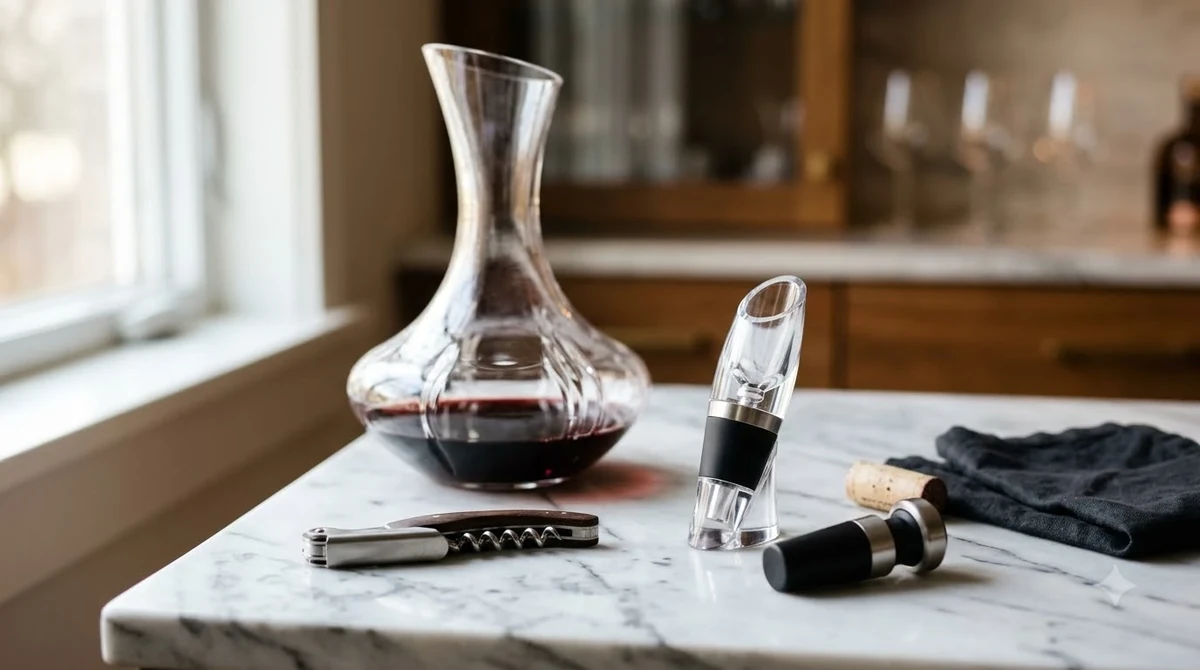
Serve dry Inzolia cool but not ice cold, so the nutty and citrus notes show without the wine tasting thin. Use a standard white wine glass, which concentrates the aromas and gives enough room to swirl. Open the bottle shortly before serving; a dry Inzolia does not need long aeration, though a few minutes in the glass can soften any sharpness.
For fortified Marsala, serve a dry style slightly chilled and a sweet style at a cool room temperature. Pour small amounts, since the wine is richer and more concentrated than a table white. A standard small glass is enough for most people.
| Style of Inzolia wine | Typical character | Good with |
|---|---|---|
| Dry Sicilian white | Citrus, herbs, nutty finish | Grilled fish, tuna, salads, pasta with olive oil |
| Tuscan coastal white (Ansonica) | Fresh, saline, lightly floral | Shellfish, seafood risotto, fennel dishes |
| Dry Marsala | Savory, nutty, dry finish | Aperitivo, olives, cured meats, cheese |
| Sweet Marsala | Dried fruit, caramel, nuts | Desserts, almond biscotti, aged cheese |
Food pairing ideas
Inzolia pairs well with the foods of its home region. Grilled swordfish, sardines, and light tomato sauces are natural matches for a dry, citrus-led white. The nutty note also works with roasted vegetables, fennel and white beans. For a sweet Marsala, pair it with almond desserts or with a firm aged cheese for a contrast of salt and sweetness.
When you are unsure, think about weight. A dry Inzolia is medium in body and fresh in acidity, so it suits foods that are delicate or lightly seasoned. Heavier dishes, such as a rich cream sauce, call for a bolder red or a richer white.
How to choose an Inzolia wine
Start with the label. Look for the region name, the grape name and whether the wine is dry or sweet. If the label says Marsala, check whether it is labeled dry or sweet and whether it is a fortified style. For a table wine, the producer’s own tasting notes are often the clearest guide to whether the bottle is light and crisp or fuller and more textured.
If you are comparing Inzolia with other Italian whites, look at how each grape tends to feel in the glass. Inzolia is less floral than many aromatic varieties, so it can be a good choice for people who like a savory white rather than a fruity one. For a broader overview of how grapes differ, the wine by type section is a useful starting point. For a red from another warm Mediterranean country, the bobal wine guide is a useful comparison.
Frequently Asked Questions
What does Inzolia wine taste like?
Dry Inzolia is usually described as fresh and savory, with a nutty aroma, citrus notes and a clean finish. It is less floral and perfumed than many Italian whites, so it tends to suit people who prefer a lighter, drier style.
Is Inzolia the same grape as Ansonica?
Yes. Ansonica is one of the names used for the same grape, and it is especially common on the Tuscan coast. Insolia and Inzolia Parchitana are also listed as synonyms, so the name on the label may vary by region.
Where is Inzolia grown?
The grape is grown mainly in western Sicily and is also planted along the Tuscan coast, where it is called Ansonica. It appears in a number of DOC wines in both regions and in a smaller number in Calabria.
Is Inzolia used to make Marsala?
Yes. Marsala is a fortified wine from western Sicily, and Inzolia is one of the grapes that can be used in it. Whether the final Marsala is dry or sweet depends on the producer and the style, so check the label before you buy.
Inzolia is an accessible way to explore Italian white wine, especially if you want something savory rather than floral. Start with a dry Sicilian bottle at the table, and if you enjoy it, try a Tuscan Ansonica or a dry Marsala to see how the same grape changes with place and winemaking. For more guidance on varieties, the wine by type section is a good next step.
More in Wine Types & Grapes
 Zinfandel Sugar Content: Dry Red vs. White Zinfandel GramsUpdated Nov 21, 2026
 Best Zinfandel Substitute Options for Sipping and CookingUpdated Nov 21, 2026
 Zweigelt Food Pairing: Best Dishes, Cheeses, and Serving TipsUpdated Nov 21, 2026
 Zinfandel Tannins Explained: How Structure Shapes Every BottleUpdated Nov 21, 2026
 Zinfandel Sweetness Level: Dry Red vs. Sweet White Zin ExplainedUpdated Nov 21, 2026
 Xinomavro Food Pairing: Best Dishes, Styles, and Serving TipsUpdated Nov 21, 2026