

We may earn a commission when you buy through links on this page, at no extra cost to you. Learn more.
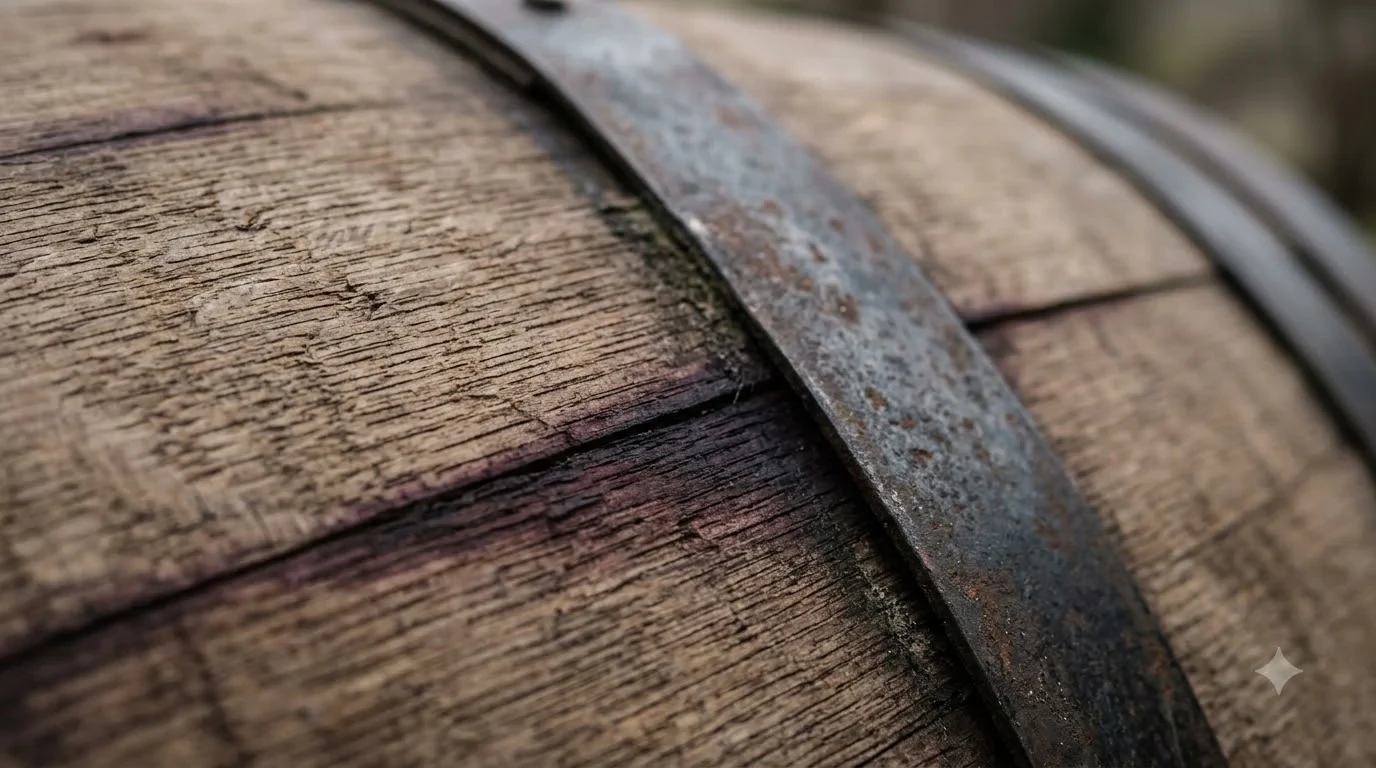
Whiskey barrel wine is wine that has been aged or finished in a barrel that previously held whiskey, usually bourbon, which adds vanilla, caramel, and toasted wood notes. Most barrels are used for several years before they stop adding much flavor, so a whiskey barrel is often reused for wine after its spirit career ends. The result depends on the wood, the toast level, and how long the wine stays in the barrel.
This guide explains how a whiskey barrel shapes wine, why bourbon barrels are so common in the trade, and what to look for on the label when you want a wine with that character.
Why Whiskey Barrels End Up Holding Wine
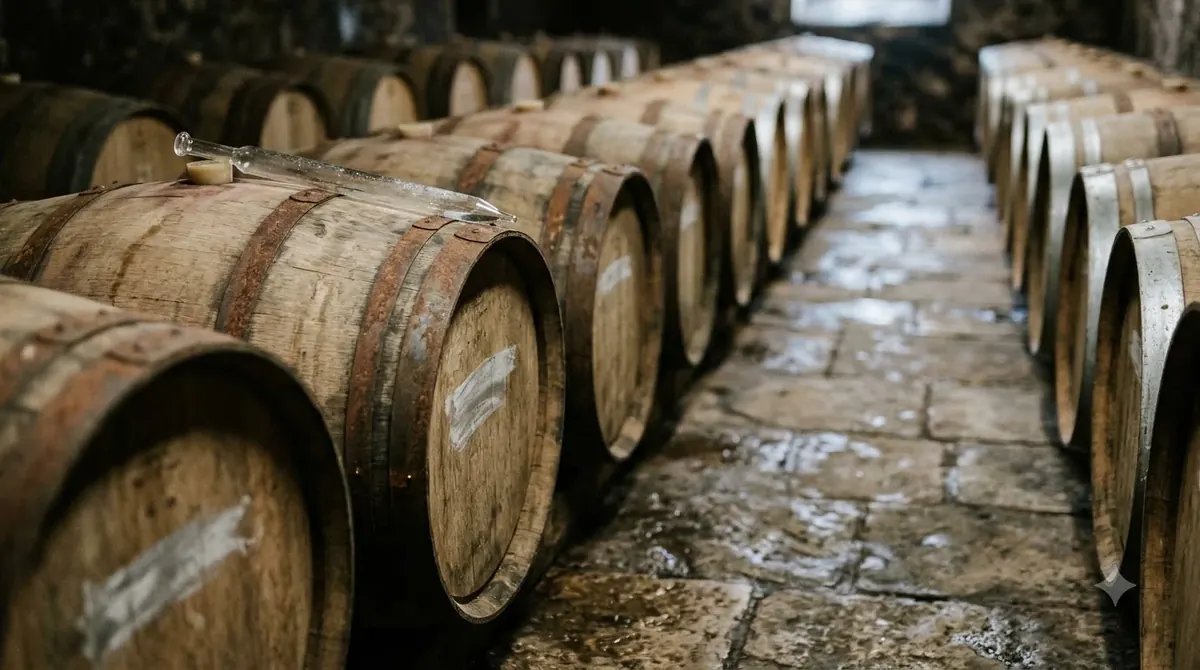
Barrels are a shared resource between the spirits and wine industries. According to the Wikipedia article on barrel ageing, whiskey made outside the United States is usually aged in used barrels that once held American bourbon, and that bourbon barrel is the de facto standard whiskey barrel worldwide, holding 53 US gallons. Those barrels are not thrown away after one use, so they can move on to other drinks.
The reason is rules. US law requires “straight whiskey,” other than corn whiskey, to be aged at least two years in new, charred oak containers. Whiskey aged in a used barrel cannot be labeled straight. The distiller’s loss is a wine producer’s opportunity, because a used bourbon barrel still carries flavor compounds that wine can pick up.
What Oak Does to Wine
Oak changes wine in three main ways. It lets a small amount of oxygen pass through the wood, which softens tannins. It adds compounds that create vanilla and spice aromas. And it lets some water and alcohol evaporate, which concentrates the flavors that remain. The Wikipedia article on oak in wine describes a typical 225-liter barrel losing about 21 to 25 liters a year to evaporation.
The flavors depend on the wood. American oak is described as more intensely flavored, with sweet and vanilla overtones, while French oak is described as subtler, with silkier tannins and notes of spice and toasted almond. A bourbon barrel is made from American white oak, which is why the vanilla and caramel character of a whiskey barrel often carries over to the wine.
Toasting matters too. Lighter toast tends to give more oak flavor and tannin, while heavier toast or char adds smoky and spicy notes. The toast level of a used barrel was set when it was made, so a wine producer usually inherits whatever character the distiller chose.
| Barrel status | Typical effect on wine |
|---|---|
| New barrel | Strongest oak flavor, most vanilla and spice |
| Used once or twice | Noticeable oak character, softer than new wood |
| Used for several vintages | Little oak flavor, mainly oxygen exchange |
How Much Barrel Flavor Ends Up in the Glass
Barrel influence depends on how long the wine stays in the wood. The Wikipedia article notes that wineries replace some share of their barrels each year, from 5 to 100 percent, to keep the oak influence at the level they want. A winery that wants a clear whiskey-barrel note will often choose a fresher barrel, while one that wants a subtle touch may age in a barrel that has been used many times.
A barrel that has aged several vintages can still add some character, but the effect fades. After roughly three to five vintages, a barrel usually imparts little or no oak flavor, and oxygen transfer through the wood becomes very limited. Some producers shave the inside of used barrels and insert new toasted staves to restore flavor more cheaply.
Tip: If a label says the wine was aged in whiskey or bourbon barrels, expect a sweeter, rounder texture with vanilla and caramel. If the label is silent on the barrel, look for oak words in the tasting notes.
How to Serve and Pair Barrel-Aged Wine
Barrel-aged wines often have more body and warmth than unoaked styles, so they tend to pair well with rich food. Roasted meats, grilled vegetables, and dishes with caramelized onions or smoked flavors suit the vanilla and toast notes. Serve reds slightly cooler than room temperature so the fruit and oak stay in balance.
Because the flavor is partly borrowed from a spirit, many drinkers enjoy whiskey-barrel wines as an after-dinner glass alongside dessert or cheese. A small pour is usually enough to notice the wood.
Buying Guide for Barrel-Aged Wine
Choosing a barrel-aged wine comes down to how much oak you want. A light touch suits everyday drinking, while a strong barrel note suits a special dinner or a fireside glass. Start by reading the back label and the tasting notes, which often mention vanilla, caramel, or toast if the wine spent time in new or lightly used wood.
Pay attention to the wording. A label that says aged in oak usually means new or recently used barrels, while a label that names bourbon or whiskey barrels points to a specific barrel source. If the producer does not describe the barrel at all, treat the oak as a supporting note rather than the main feature.
Price is not a reliable guide to barrel character. Some expensive wines use little new oak, and some modest bottles carry a strong barrel note. The better guide is the tasting description and the style you already enjoy. If you like vanilla-forward whiskey, a barrel-aged red or a lightly oaked white may suit your palate.
Storage is similar to other wines. Keep bottles cool, dark, and steady in temperature, and store them on their side if they have natural corks. Barrel-aged reds often improve with a short rest after purchase, though most bottles are meant to be opened within a few years.
When you want to compare how different producers use oak, the wine brands guide is a useful place to start, since it groups labels by style and origin.
Barrel-aged wine also works well as a cooking ingredient. A splash of a barrel-aged red can add depth to a braise or pan sauce, and a lightly oaked white can give a creamy pasta a rounder finish. Use the same bottle you would serve at the table, since the cooking process concentrates the oak rather than removing it.
Frequently Asked Questions
What does whiskey barrel wine taste like?
Expect vanilla, caramel, and toasted wood alongside the wine’s own fruit. The exact balance depends on the grape, the barrel’s toast level, and how long the wine stayed in the wood.
Are whiskey barrels reused for wine?
Yes. Bourbon barrels are often reused for other spirits, and some distillers finish whiskey in barrels that previously aged rum or wine. Wineries also buy used barrels to add a smaller amount of oak flavor.
Is American oak or French oak better for whiskey barrel wine?
Neither is better in general. American oak gives bolder vanilla and sweet notes, while French oak gives subtler spice. A bourbon barrel is made from American oak, so it leans toward that bolder character.
Does aging in a whiskey barrel make wine stronger?
Not directly. Evaporation through the barrel concentrates flavor, but the alcohol level of a finished wine depends mainly on the grape sugar and fermentation. Check the label for the exact figure.
If you want to compare a specific bourbon-barrel bottling, the Robert Mondavi bourbon barrel guide is a place to start. For more on wine labels and brands, the wine brands guide groups producers by style.
For the wood science behind these flavors, read the Wikipedia article on barrel ageing, which covers barrel reuse, toasting, and how beverages take on compounds from the wood.
More in Wine Brands
 Underwood Wine Price: Compare Bottles, Cans, and Pack SizesUpdated Nov 21, 2026
 Zenato Wine Price: Compare Styles and Choose the Right BottleUpdated Nov 21, 2026
 Zuccardi Wine Price: Compare Bottles and Find the Right RangeUpdated Nov 21, 2026
 Yellow Tail Moscato Review: Taste, Sweetness and Serving TipsUpdated Nov 21, 2026
 Wolf Blass Yellow Label Review: Choose Your Best StyleUpdated Nov 21, 2026
 Wolffer Estate Rose Review: Choose the Right Bottle for Your TableUpdated Nov 21, 2026