

We may earn a commission when you buy through links on this page, at no extra cost to you. Learn more.
Stellenbosch wine tasting happens mainly on the estates of the Stellenbosch Wine Route, about 50 km east of Cape Town, and the route covers more than 200 wine and grape producers. Most estates pour wine in a tasting room, and many add pairings, picnic lunches or booked meals. The region’s Mediterranean climate and hilly valleys shape the wines you will taste.
This guide explains what a Stellenbosch tasting involves, how the region’s geography affects the wines, which grapes you are likely to meet, and how to plan a day so that the visits feel relaxed rather than rushed.
What a Stellenbosch Tasting Involves
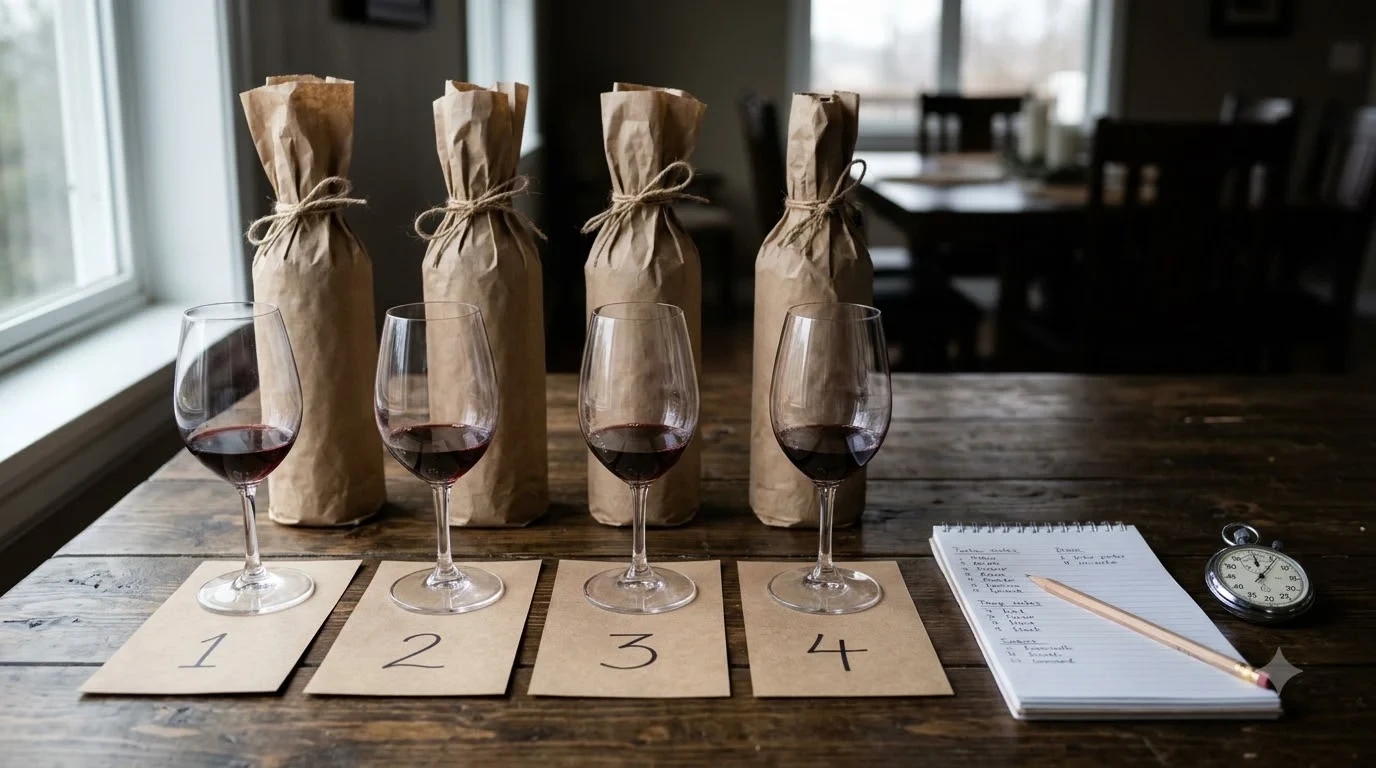
A typical visit starts with a tasting flight, a short set of wines poured in a suggested order, usually from lighter styles to heavier ones. Tasting staff explain the wines, and the sheet or card you receive often lists the grape, vintage and a few notes on each bottle.
Some estates go further. Pairings match small bites with specific wines, and others serve lunch in a garden or on a terrace. Those extras tend to be the experiences that need a reservation, so it helps to decide early which estates you want to see with food.
Geography and Climate Behind the Wines
Stellenbosch sits in a valley at an average elevation of about 136 m (446 ft) within the hilly Cape Winelands. The area has a Mediterranean climate, with dry and warm summers and cool, rainy winters. Some February and March days pass 40 °C (104 °F), while winter daytime temperatures average about 16 °C (61 °F). Average annual rainfall is about 878 mm (34.7 in).
The soils vary across the district. Dark alluvium and clay appear in parts of the valley, while lighter sandy soils and decomposed granite are found in others. Those differences help explain why neighboring estates can produce wines with noticeably different textures and levels of richness.
The Stellenbosch Wine Route
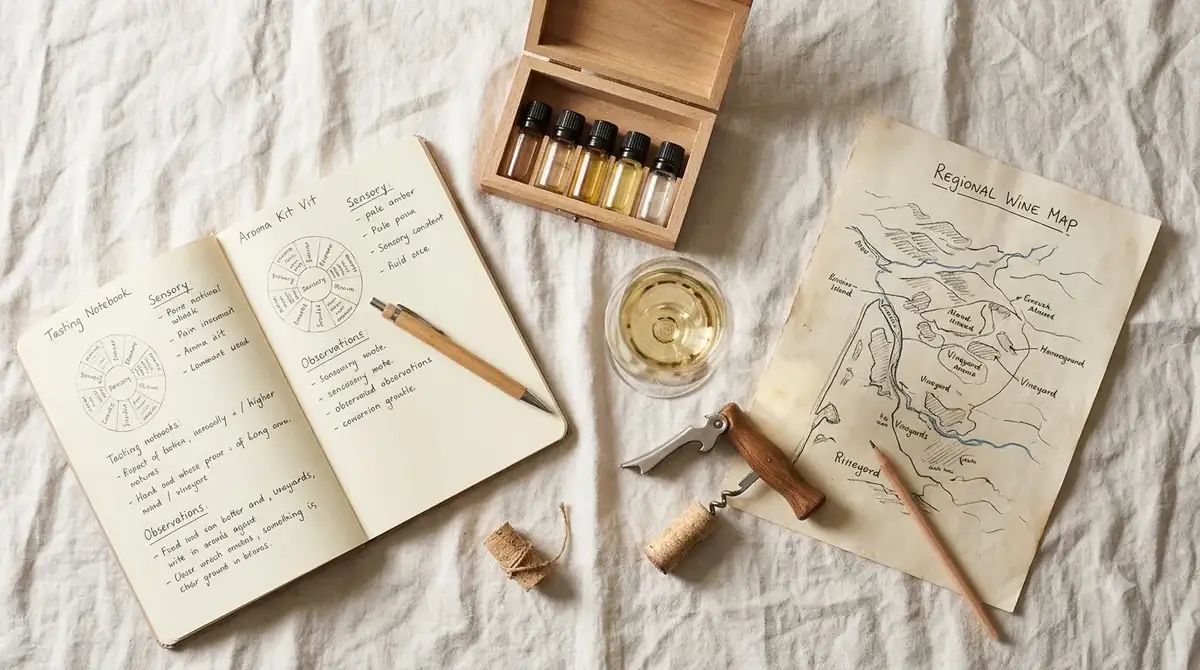
The Stellenbosch Wine Route was established in 1971. The route’s own website describes more than 200 wine and grape producers within the Stellenbosch Wine of Origin classification, so the number of estates open to visitors is large and varied.
The route is divided into five sub-routes: Bottelary Hills, Greater Simonsberg, Helderberg, Stellenbosch Berg and Stellenbosch Valley. Grouping visits by sub-route is a practical way to limit driving time, because estates within the same area are usually closer to one another than estates on opposite sides of town. The official route site lists opening days and contact details for many individual estates, and it is the best place to confirm current hours before you travel.
For a broader view of where the route sits among other growing areas, the Wine Regions guide places Stellenbosch alongside other well-known areas.
Grape Varieties and Wine Styles
Stellenbosch grows a wide range of grapes, but two varieties come up often in the route’s own materials: Cabernet Sauvignon, including rosé versions, and Shiraz. Encyclopedia summaries of the region also note that Stellenbosch Cabernet Sauvignon is beginning to build a reputation as a fine wine, which makes it a good starting point for a first tasting.
Red wines tend to be the focus of many visits, but white wines and rosés are also made across the area. When you taste, pay attention to how each estate handles oak, fruit and tannin, because those choices affect the style more than the grape name alone.
Planning Your Tasting Day
A good tasting day usually includes two or three estates rather than five or six. Stopping at too many tasting rooms makes it hard to compare wines fairly, and the later visits tend to blur together. Booking ahead is useful for any estate that offers pairings, lunch or a special dinner, since those services often have limited seats.
| Visit type | What to expect | Booking note |
|---|---|---|
| Tasting room flight | A set of wines poured in a suggested order | Policies differ by estate, so check before you go |
| Food pairing | Small bites matched with specific wines | Usually needs an advance booking |
| Garden picnic or lunch | A meal served outdoors or in a restaurant on the estate | Service days are limited, so confirm the days first |
| Harvest or special dinner | A multi-course meal, sometimes with a special menu for the evening | Limited seats and full prepayment in some cases |
Tip: Arrange a driver or a taxi for the afternoon. The route is spread across hills, and arranging transport in advance keeps the day simple.
Questions Worth Asking at the Tasting Bar
A tasting room is one of the best places to learn about a region, so a few well-chosen questions help more than a quick sip. Ask which sub-route or part of the valley the grapes come from, because that answer connects the wine to the soils and elevation described above. Ask whether the estate ages its reds in oak and for how long, since oak choices shape flavor as much as the grape does.
It also helps to ask what the staff would pair with each wine. Many estates have strong opinions about food, and their suggestions can guide a picnic or a restaurant lunch later in the day. If a wine tastes very different from what you expected, say so. Staff are usually glad to explain the decisions behind a particular vintage.
Comparing Styles Across the Valley
Stellenbosch is not a single style. Some estates focus on structured reds that need time, while others make brighter, fruit-forward wines meant for earlier drinking. White wines and rosés add another layer, and a few estates experiment with blends that do not follow traditional patterns. Tasting across several estates on one day makes these differences easier to notice.
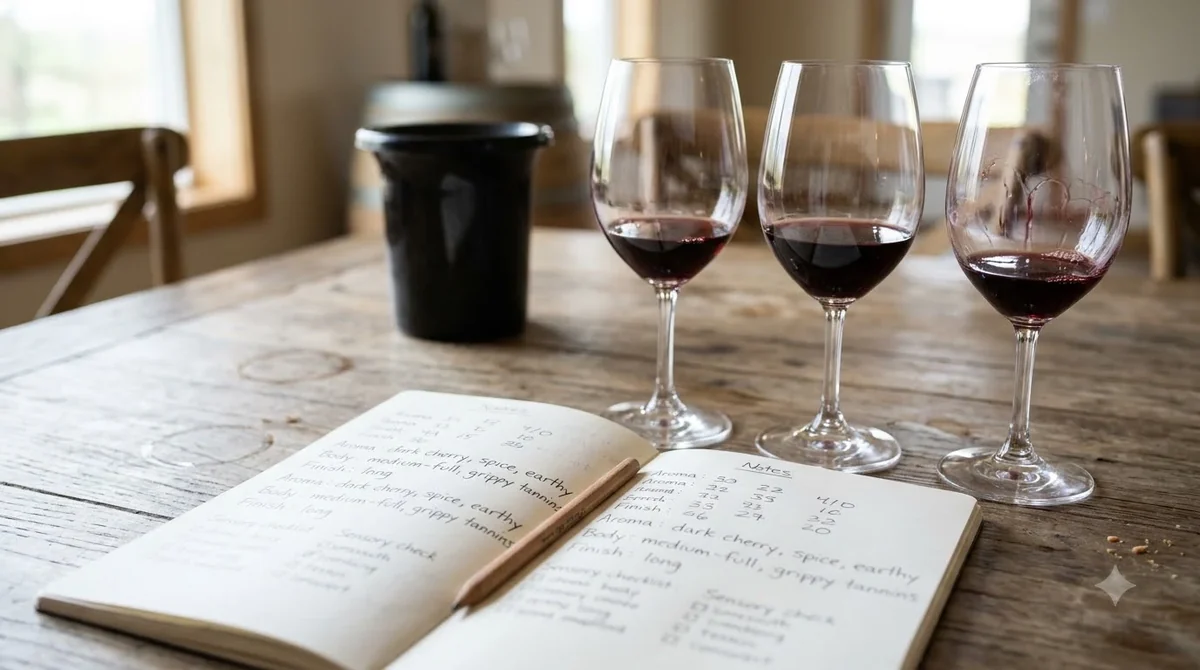
A simple method is to taste in the same order each time: a white or rosé first, then lighter reds, then heavier reds and any dessert wine. Writing down two or three words for each wine, such as bright, savory, oaky or soft, gives you a record to compare later. Over a few visits, those notes reveal which styles you prefer and why.
The region’s wine styles also reflect its history. The Stellenbosch Wine Route dates to 1971, and South African winemaking goes back much further, to the 1600s according to the route’s own pages. Newer estates sit beside long-established farms, so a single afternoon can show both traditional and modern approaches to the same grapes.
Frequently Asked Questions
Do I need to book a Stellenbosch wine tasting?
Booking rules differ from estate to estate. Pairings, lunches and special dinners are the events most likely to need a reservation, so check each estate’s listing before you travel.
How many wineries are on the Stellenbosch Wine Route?
The route’s website describes more than 200 wine and grape producers within the Stellenbosch Wine of Origin classification. Not every producer has a public tasting room, so the route’s listings are the best guide for planning.
What grapes is Stellenbosch known for?
Cabernet Sauvignon and Shiraz appear most often in the route’s own materials. Many estates also produce white wines and rosés, so a visit can include a broader range than reds alone.
How far is Stellenbosch from Cape Town?
Stellenbosch is about 50 km, or roughly 31 miles, east of Cape Town. Traffic can add time at peak hours, so many visitors allow extra time for the drive.
A Stellenbosch tasting rewards a little planning. Choose a few estates, confirm the services you want, and let the valley’s climate and soils guide your tasting notes. If you are also comparing growing regions, the mendoza wine tasting guide shows how another wine region organizes its visits, and the cape may wine tasting page offers a different kind of coastal experience. For the official route listings, visit the Stellenbosch Wine Route website.
More in Wine Regions
 Willcox Wine Trail: Discover Arizona’s High-Elevation Wine CountryUpdated Nov 20, 2026
 Yakima Valley Wine Region: Find the Best Styles to TryUpdated Nov 20, 2026
 Vosne Romanee Wine Tasting: Identify Aromas and Choose Better PairingsUpdated Nov 20, 2026
 Yakima Valley Wine Festival: Find the Best Seasonal Wine EventsUpdated Nov 20, 2026
 Wales Vineyards: Discover Cool-Climate Wines and Where to VisitUpdated Nov 20, 2026
 Yountville Wine Festival: Discover Napa Wines and Local FoodUpdated Nov 20, 2026