

We may earn a commission when you buy through links on this page, at no extra cost to you. Learn more.
The sutter home white zinfandel alcohol content is not printed in the available sources, so the label is the only reliable number. White Zinfandel is a sweet rosé made from red Zinfandel grapes, and its alcohol level depends on the bottling. The style is usually lighter and sweeter than dry red Zinfandel, which is often described as 14% alcohol or higher.
This guide explains what the alcohol content of Sutter Home White Zinfandel means for the glass in your hand, how it compares with the red Zinfandel it comes from, and how to check the number on the bottle before you buy.
What White Zinfandel Is Made From
White Zinfandel is a rosé, not a white wine. It is made from red Zinfandel grapes, but the juice spends only a short time in contact with the skins, which gives it a pale pink color. According to the Wikipedia article on the style, its color is described as “blush,” and the wine is classed somewhere between off-dry and sweet.
The grape behind it has an unusual history. According to Wine Folly, Zinfandel is thought to have come from Croatia, and DNA work in the 1990s linked it to the Croatian grape Tribidrag. The same page notes that the Italian name for the grape is Primitivo. That background matters because the red wine made from Zinfandel is naturally rich and ripe, and the rosé made from the same fruit inherits some of that character.
Why the Alcohol Figure Varies
Alcohol in wine comes from the sugar in the grape juice converting during fermentation. Riper grapes carry more sugar, which can lead to higher alcohol, and winemakers can stop fermentation early to leave more sugar in the finished wine. A sweeter style like White Zinfandel can therefore sit at a different alcohol level than a dry wine made from the same grape.
Wine Folly’s Zinfandel guide lists two figures for the red wine. Its taste profile says “over 15% ABV,” while its tasting section says wines usually have alcohol of 14% or more. Neither source gives a number for the blush bottling, so the label on your bottle is the most reliable guide for any specific Sutter Home release.
How White Zinfandel Got Its Sweetness
The sweet style has a well-known origin story. The Wikipedia article credits Sutter Home winemaker Bob Trinchero with creating the wine in 1975, largely by accident. He drew off some juice from a Zinfandel batch to concentrate its color and flavor, and that juice had a stuck fermentation, which left residual sugar in the wine.
Wine Folly tells a similar story and says the winemaker found that the bitterness had disappeared along with the sugar’s fermentation, and customers liked the result. Whether you call it accidental or deliberate, the result is a wine with noticeable sweetness and a lighter body than a dry red.
| Wine | Color and style | Alcohol note from the sources |
|---|---|---|
| Red Zinfandel | Dry, full-bodied red | Often 14% or more; one profile says over 15% |
| White Zinfandel | Pale pink, sweet rosé | Not stated in the sources; check the label |
| Primitivo (Italian style) | Dry red from the same grape family | Puglia’s Riserva style has a minimum of 14% |
Tip: Look for the alcohol percentage on the label before you buy. Do not rely on the wine’s pink color or sweetness to guess its strength, because a sweet wine can taste gentler than its number suggests.
How to Read the Number on Your Bottle
Start with the alcohol by volume figure, usually written as a percentage on the back label. A lower number generally means a lighter glass, while a higher number means more warmth on the palate. Because sweetness can make alcohol less obvious, a sweet wine may taste gentler than its percentage suggests.
Serving also changes how the wine feels. White Zinfandel is typically served well chilled, which keeps the fruit fresh and softens the perception of sugar. Pour a modest glass and pace yourself, especially with a sweeter wine that is easy to drink quickly.
Buying and Serving a Sweet Rosé
Buying a sweet rosé is simpler than it looks. The label tells you the brand, the grape, and often the sweetness level, and the alcohol figure should appear near the bottom of the back label. Compare two or three bottles from the same shelf before you choose, since the same brand can have different strengths across its range.
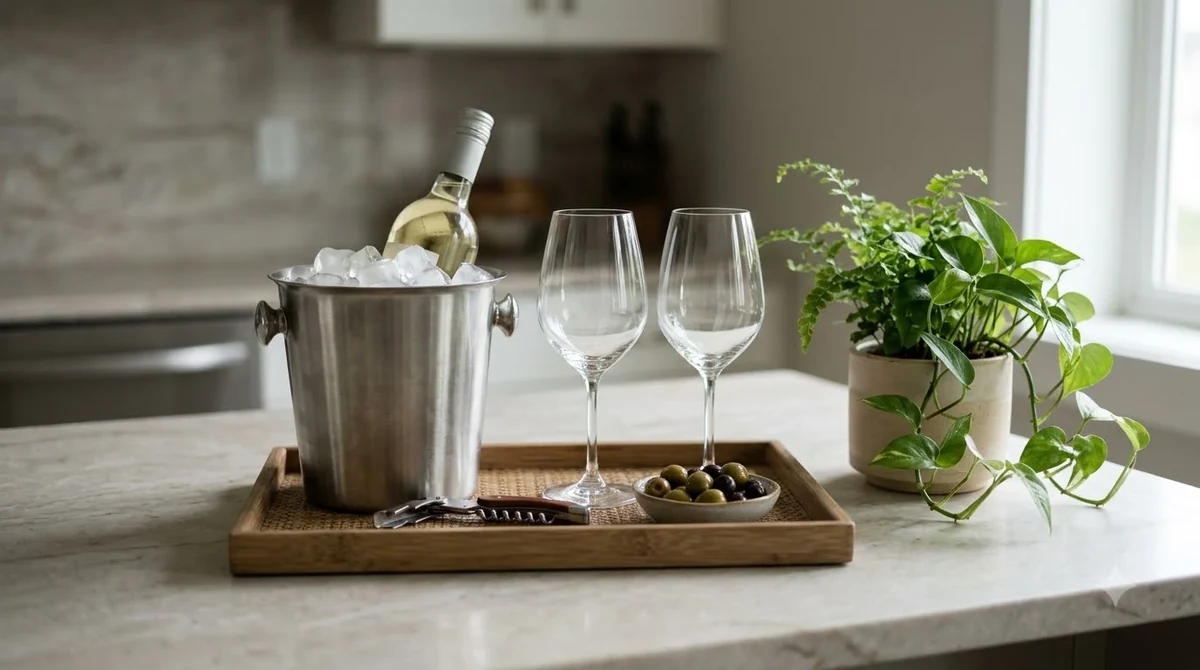
Serving a sweet rosé well comes down to temperature and glassware. Chill the bottle until it is cold but not icy, and pour into a standard white wine glass so the aroma stays close to your nose. A cooler serve tends to make sweetness feel lighter, which many drinkers prefer with this style.
Food pairing is where sweet rosé shines. Spicy dishes, such as Thai or Indian curries, are balanced by a touch of sweetness, and fruit-forward desserts or a cheese board with fresh fruit can work well too. Brunch is another natural match, especially with fruit salads and light pastries.
Storage is straightforward. Keep unopened bottles in a cool, dark place away from heat, and refrigerate them before serving. Once opened, a sweet rosé is best enjoyed within a day or two, since its fresh fruit character fades faster than in a dry wine.
If you enjoy sweeter styles and want to compare the brand’s other labels, the Sutter Home wine alcohol content guide covers the wider range side by side.
Sweetness and alcohol are separate measures, so a sweet bottle does not automatically mean a higher or lower strength. A sweeter wine can have a moderate alcohol figure, and a dry wine can have a higher one. That is why reading the number on the label is more useful than guessing from taste or color alone.
When you compare two bottles, look at the producer, the style name, and the alcohol figure together. A clear, consistent label is a good sign that the producer expects shoppers to check these details, and it makes it easier to decide how much of a sweet pour fits into your evening over a relaxed meal.
If you are comparing several bottles side by side, line up the labels and read the percentage on each one before you decide. Small differences of one or two points are common between vintages and between producers, so the number on the bottle in your hand is always the one that counts. Keeping a note of the figure for the bottles you enjoy makes the next shopping trip quicker.
Frequently Asked Questions
Is White Zinfandel higher or lower in alcohol than red Zinfandel?
The available sources do not give a number for White Zinfandel. Red Zinfandel is often described as 14% alcohol or higher. Compare the label of the rosé with the label of the red you are considering, since bottlings differ.
Why is White Zinfandel sweet?
The Wikipedia article says the sweetness came from a stuck fermentation that left residual sugar in the wine. Winemakers can also stop fermentation early on purpose, which leaves more sugar in the finished bottle.
Is White Zinfandel a red wine?
No. It is a rosé. It is made from red grapes, but the juice has limited contact with the skins, which gives it a pink color and a lighter body than a red wine.
Can I find alcohol content for other Sutter Home wines?
Yes. The brand’s other wines are listed in the Sutter Home wine alcohol content guide and the Sutter Home Moscato alcohol content guide, so you can compare sweet styles side by side.
If you want to compare sweet styles from other producers, the Black Box wine alcohol content guide covers a different brand. For a wider look at how brands group their wines, see the wine brands guide.
For background on the grape, read the Wine Folly Zinfandel guide, which covers the grape’s origin, flavor, and the White Zinfandel story.
More in Wine Brands
 Underwood Wine Price: Compare Bottles, Cans, and Pack SizesUpdated Nov 21, 2026
 Zenato Wine Price: Compare Styles and Choose the Right BottleUpdated Nov 21, 2026
 Zuccardi Wine Price: Compare Bottles and Find the Right RangeUpdated Nov 21, 2026
 Yellow Tail Moscato Review: Taste, Sweetness and Serving TipsUpdated Nov 21, 2026
 Wolf Blass Yellow Label Review: Choose Your Best StyleUpdated Nov 21, 2026
 Wolffer Estate Rose Review: Choose the Right Bottle for Your TableUpdated Nov 21, 2026